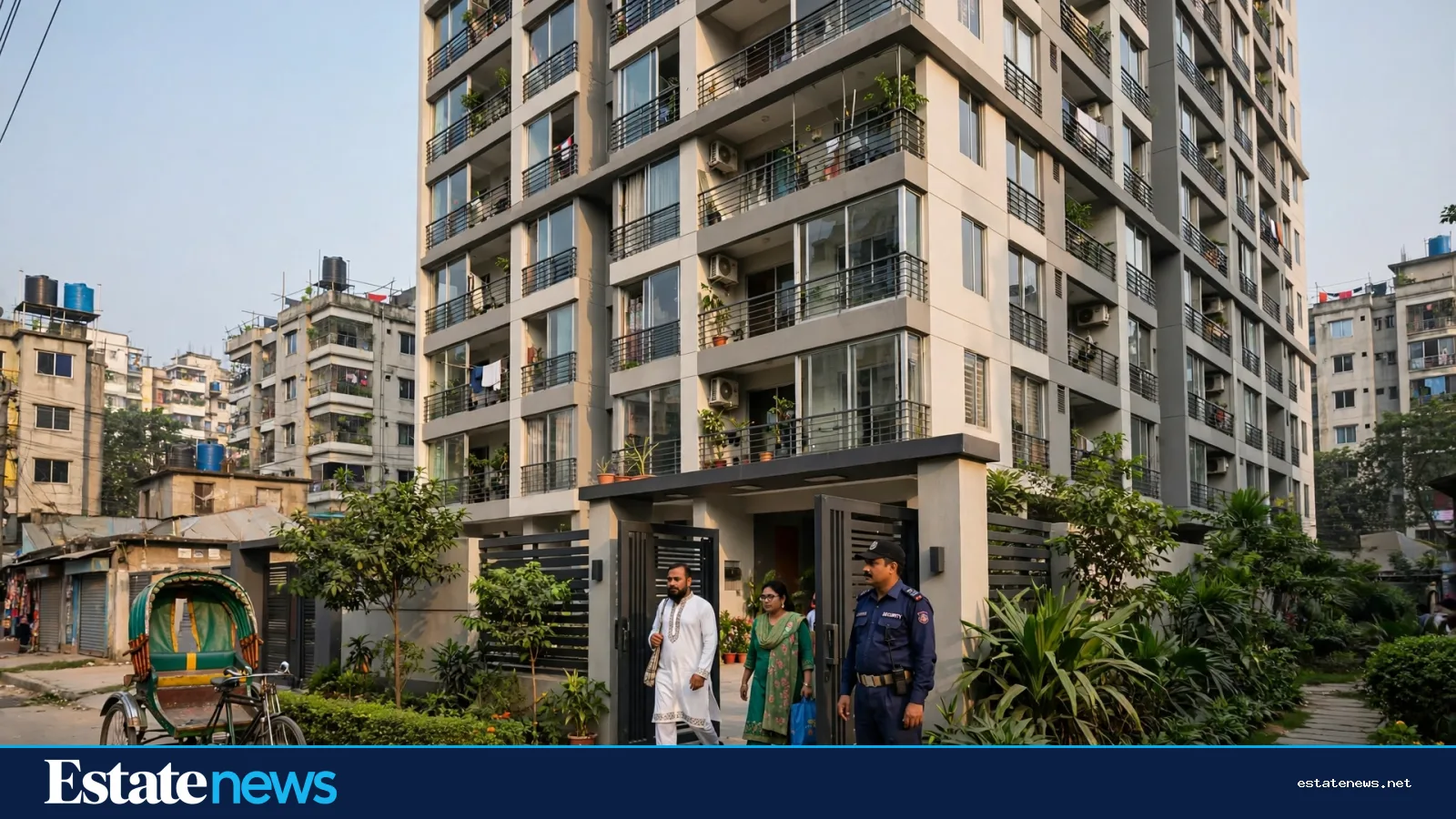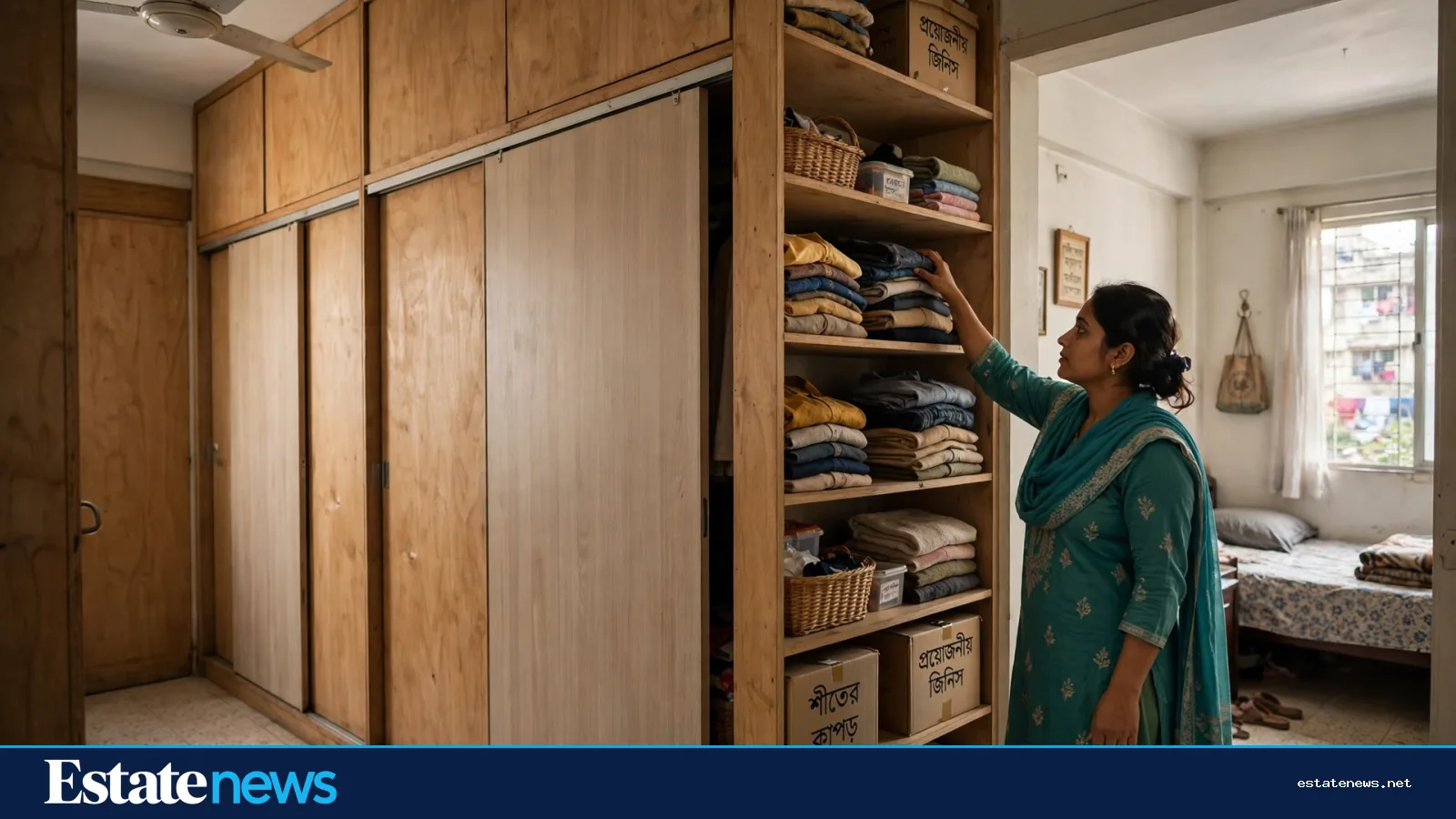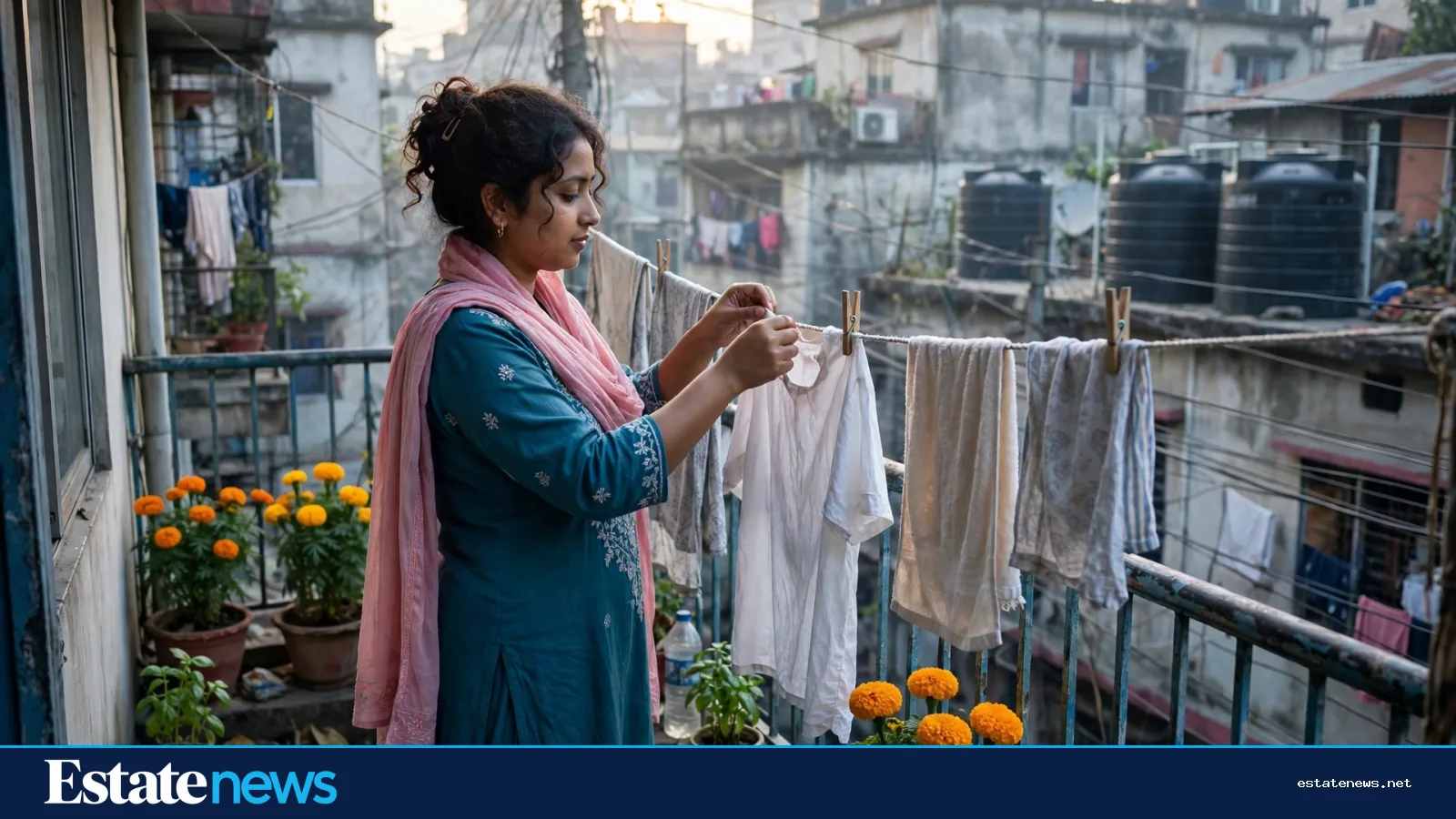
Walk into almost any new project sales office in Dhaka this year and the word green comes up early. The brochure may carry a badge, the sales officer may mention certification, and the model flat may have a small patch of grass on the balcony. Two names do most of the work here, LEED and EDGE, and they do not mean the same thing.
LEED stands for Leadership in Energy and Environmental Design. It is a rating system run by the US Green Building Council. A building earns points across categories such as energy use, water use, materials, indoor air and site planning, and the total decides the level: Certified, Silver, Gold or Platinum. The system is used around the world. In Bangladesh it has appeared mostly in commercial and industrial buildings, and the country's garment factories carry many of the LEED certificates here. A residential project that holds one is still uncommon.
EDGE works differently. It is a tool of the International Finance Corporation, part of the World Bank Group, and it is built for speed and for markets like ours. A building qualifies when its design uses at least 20 percent less energy, 20 percent less water and 20 percent less embodied energy in materials than a typical local building of the same type. The IFC describes EDGE-certified buildings as reaching 20 to 40 percent savings on those measures. The check is software-based, which keeps the cost and paperwork lower than a full LEED process.

Bangladesh has its own milestones on this road. The Aga Khan Academy Dhaka received EDGE certification and was described by the Aga Khan Academies as the first project in the country to hold it. In the private sector, the EPIC Group's building in Chattogram was reported as the first private green building in Bangladesh in 2011. The Bangladesh National Building Code, revised in 2020, added a chapter on energy efficiency and sustainability. The Building Energy Efficiency and Environment Rating system, known as BEEER, was approved by the government on 31 March 2024, according to published records. A local rating system is still taking shape, and for now the international labels fill the gap.
What a buyer actually gets
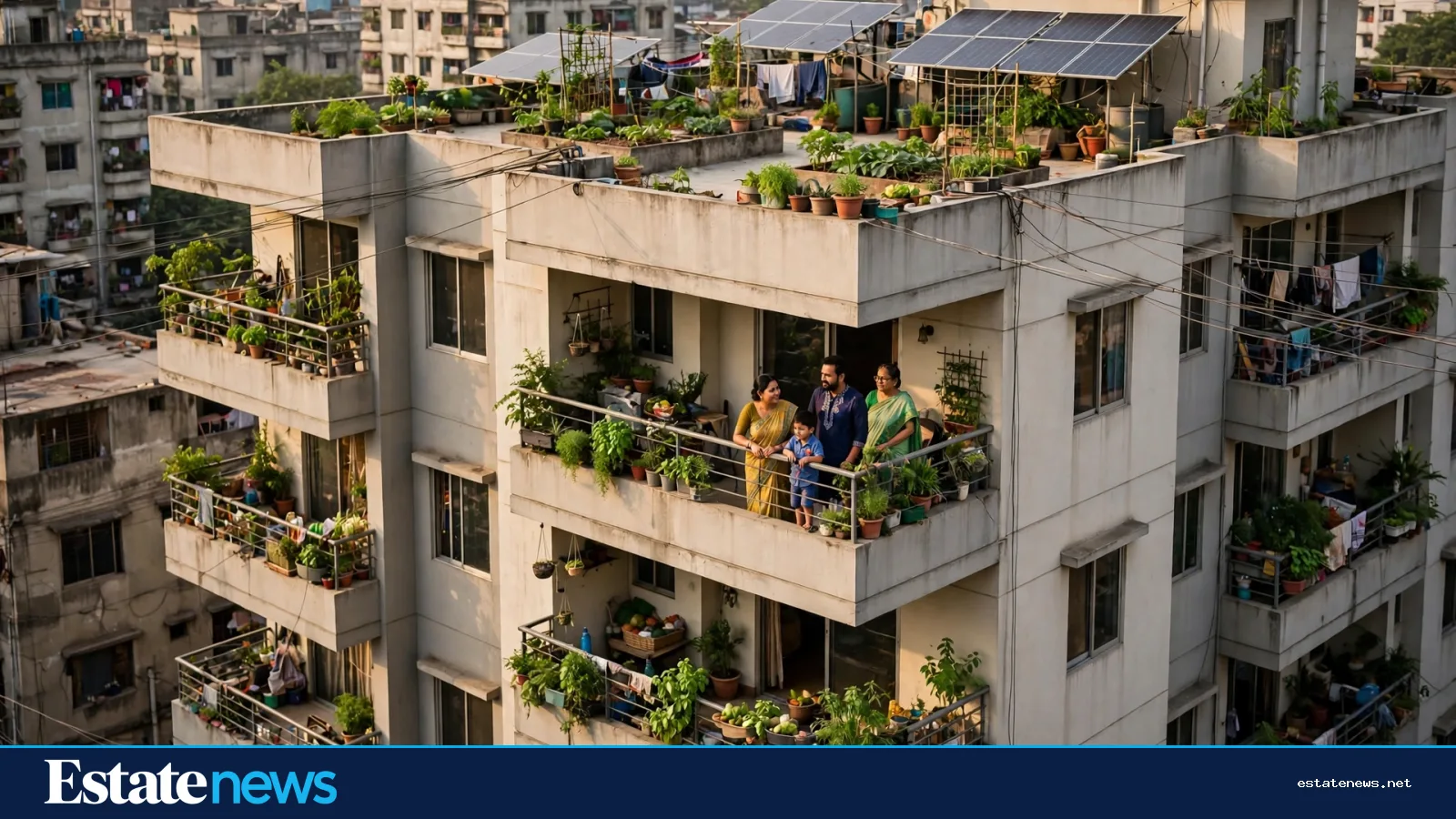
Strip away the labels and a green flat comes down to four things a resident can feel. Light comes first. A flat that faces the right way, with windows placed to catch the breeze and shade from the afternoon sun, stays cooler without the air conditioner running all day. Water comes next. Low-flow taps, dual-flush toilets and rainwater storage cut the load on the building's supply, which matters in a city where water pressure falls in the dry months. Air is the third. Cross-ventilation and low-emission paints and finishes change how a room smells and how it feels to sleep in. The fourth is the roof. A rooftop garden or solar panels will not run a whole building. A Dhaka study of 22 green buildings found renewable energy the weakest area in most of them, with nearly three quarters rated very poor on it.


The cost question nobody should skip
Certification costs money, and the buyer pays for it in the flat's price. LEED is the dearer route, which is one reason developers here have leaned towards EDGE for housing. A buyer should ask whether the certificate covers the whole building or only the design stage. A preliminary certificate is a promise that the design qualifies. A final certificate says the finished building was checked. The two are not the same, and a brochure does not always say which one it holds.
There is also a newer reason for developers to care. One Dhaka project, Urban Hope, was reported in October 2026 to have received an additional 0.5 FAR incentive from RAJUK for pursuing EDGE certification, which lets a developer build more floor area on the same plot. If that practice spreads, certification becomes a commercial decision as well as a marketing line.
Five questions to ask before booking
Ask for the certificate itself, with its number and level, and check the project name on it. Ask what was measured: energy, water, materials, or all three. Ask whether it is final or preliminary. Ask who pays the service charge on the shared green features, such as the solar panels and the rainwater system, and what happens when they need repair. And ask for three months of common electricity and water bills from a comparable building by the same developer, so the savings claim has a number beside it.
A green label can mean a better flat. It can also mean a nicer brochure. The difference is in the documents, and a buyer who reads them before booking is the one who ends up with the cooler rooms and the lower bills rather than only the badge.