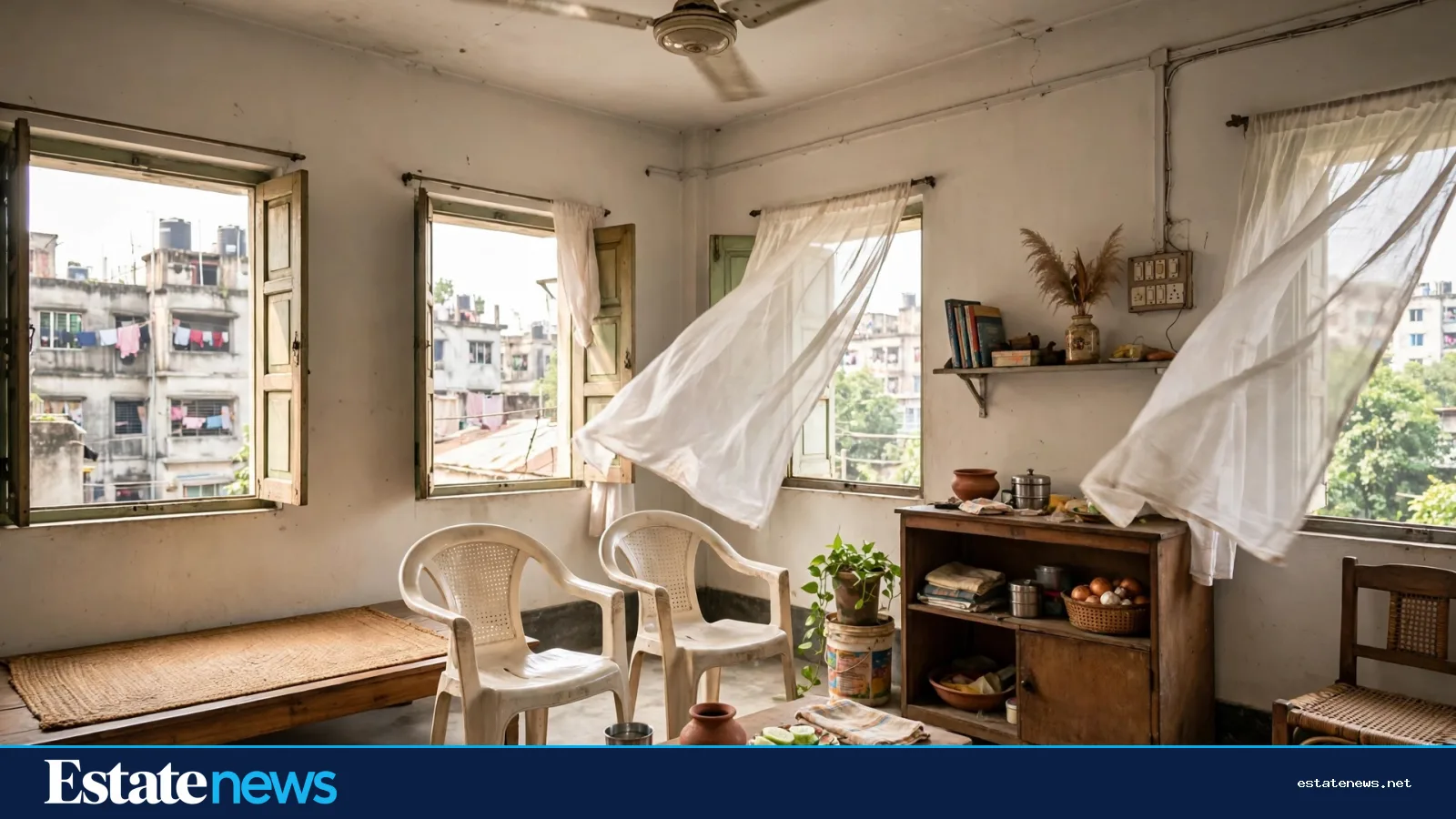
Ask a Dhaka flat owner what bothers them most and the answer rarely starts with paint colour. It starts with a west-facing room that stays hot past midnight, a balcony drain that floods in a July downpour, or a lift that stops when the power trips. A flat that copes is not a luxury idea. It is a practical one, and most of it is decided before anyone moves in.
Let the air move
Cross-ventilation is the cheapest cooling system a flat has. Rooms with openings on two sides let breezes pass through instead of trapping hot air. In practice, buyers should open the windows during a visit and feel whether air actually moves, not just whether the rooms look bright. A flat that depends entirely on air conditioning for comfort will cost more every month and feel worse during a power cut.

Shading does the other half of the work. Deep balconies, external shades and tinted glass on the western side cut the afternoon sun before it heats the walls. Curtains help, but they sit inside the heat once it has already entered. The order matters: block sun outside, then manage what remains inside.
Water in, water out
Dhaka flats need water storage sized for real interruptions, not just for a normal day. An overhead tank that covers a day of use gives a household room to manage a supply gap without panic. Buyers should ask where the tank sits, how it is cleaned, and whether the building has a separate reserve for fire or emergency use.
Drainage deserves the same attention. Balcony drains, bathroom floor slopes and the building's ground-level drains decide whether monsoon rain becomes a story or a problem. A visit after rain, if possible, tells more than any brochure line about waterproofing. Look for stains near ceilings and window edges, signs that water has found a path before.


Power that fails gracefully
No flat can promise uninterrupted power, but a good one fails gracefully. A backup arrangement that keeps lights, fans and one lift running is worth more than a generator sized for everything that trips under load. Buyers should ask what the backup covers, how fuel or maintenance is charged in the service bill, and how often the system is tested.
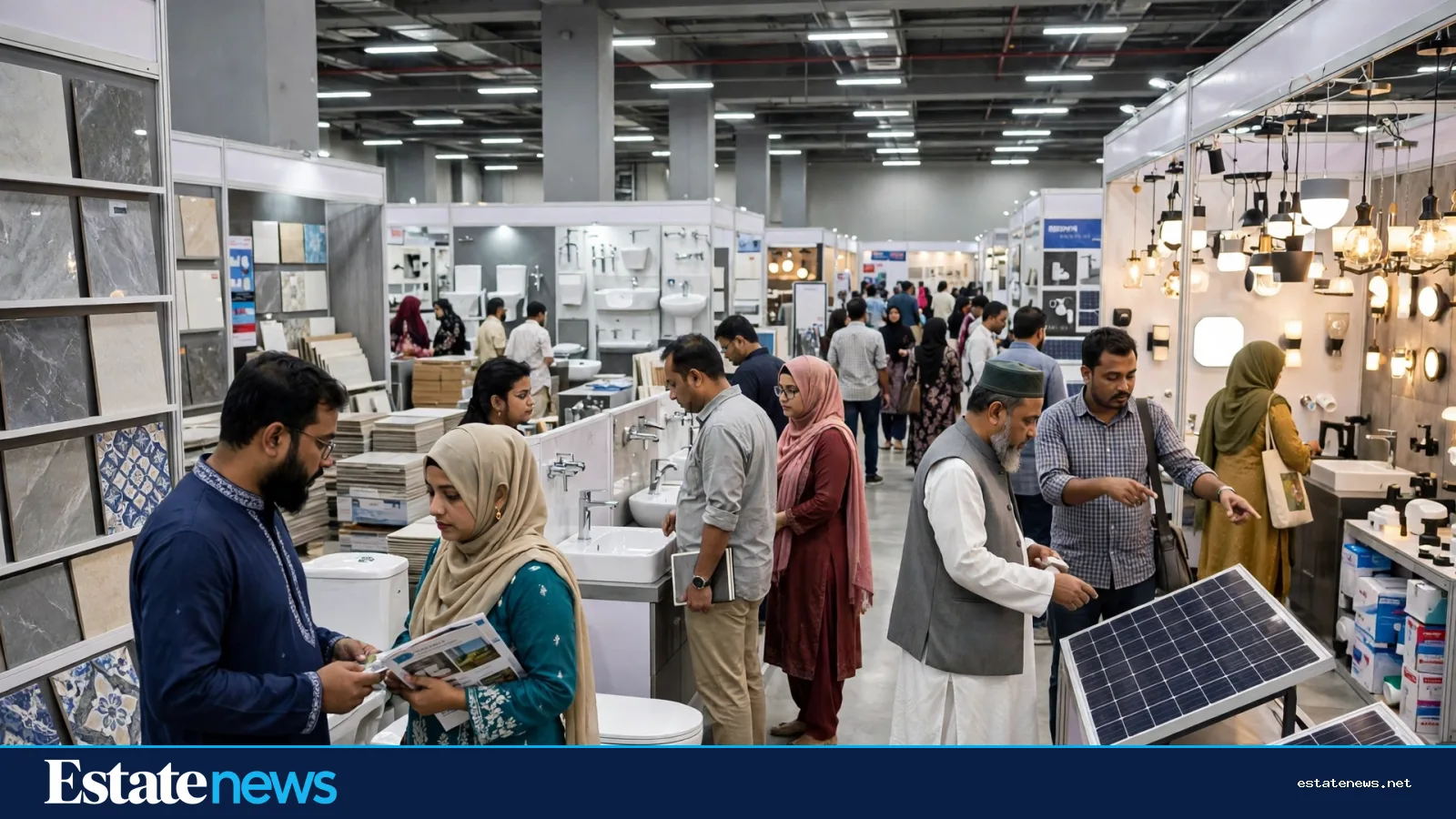
Inside the flat, small choices add up. LED lighting, fans that draw less power, and appliances chosen for efficiency rather than size all stretch a backup supply. None of these decisions needs new technology. They need a buyer who asks about running costs, not just the purchase price.
A checklist for the next visit
Walk the flat at two times of day if you can. Midday shows heat and light. Evening shows noise, ventilation and how the building feels when everyone is home. Open windows, run taps, look at drains, and ask the caretaker about water timing and power backup. The answers, plain and specific, tell you whether this flat was designed for Dhaka's weather or only photographed for it.
A flat that copes will not look dramatic. It will feel calmer in a heatwave, drier in a storm, and less disrupted when the lights flicker. That is the standard worth holding a new home to.