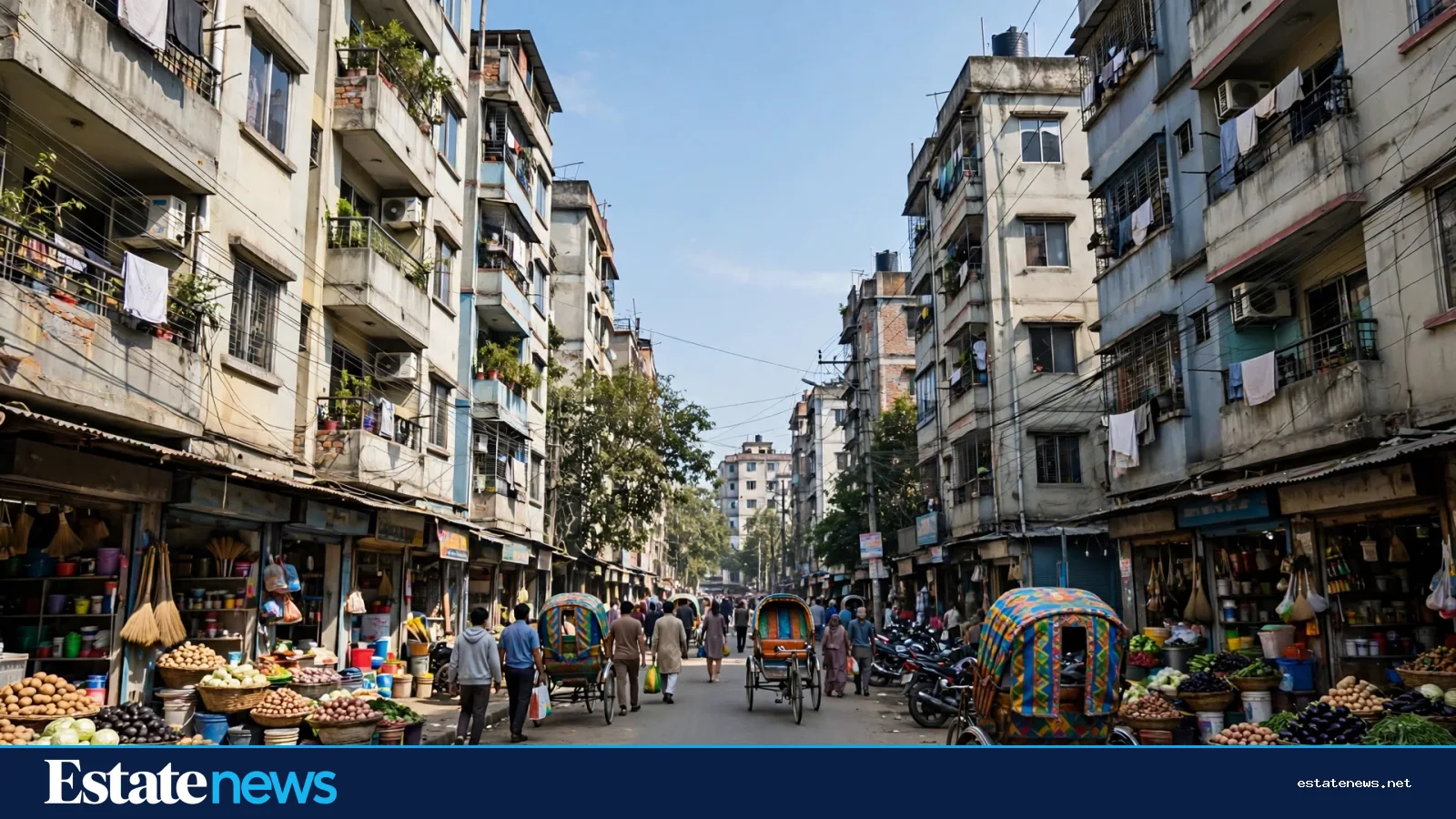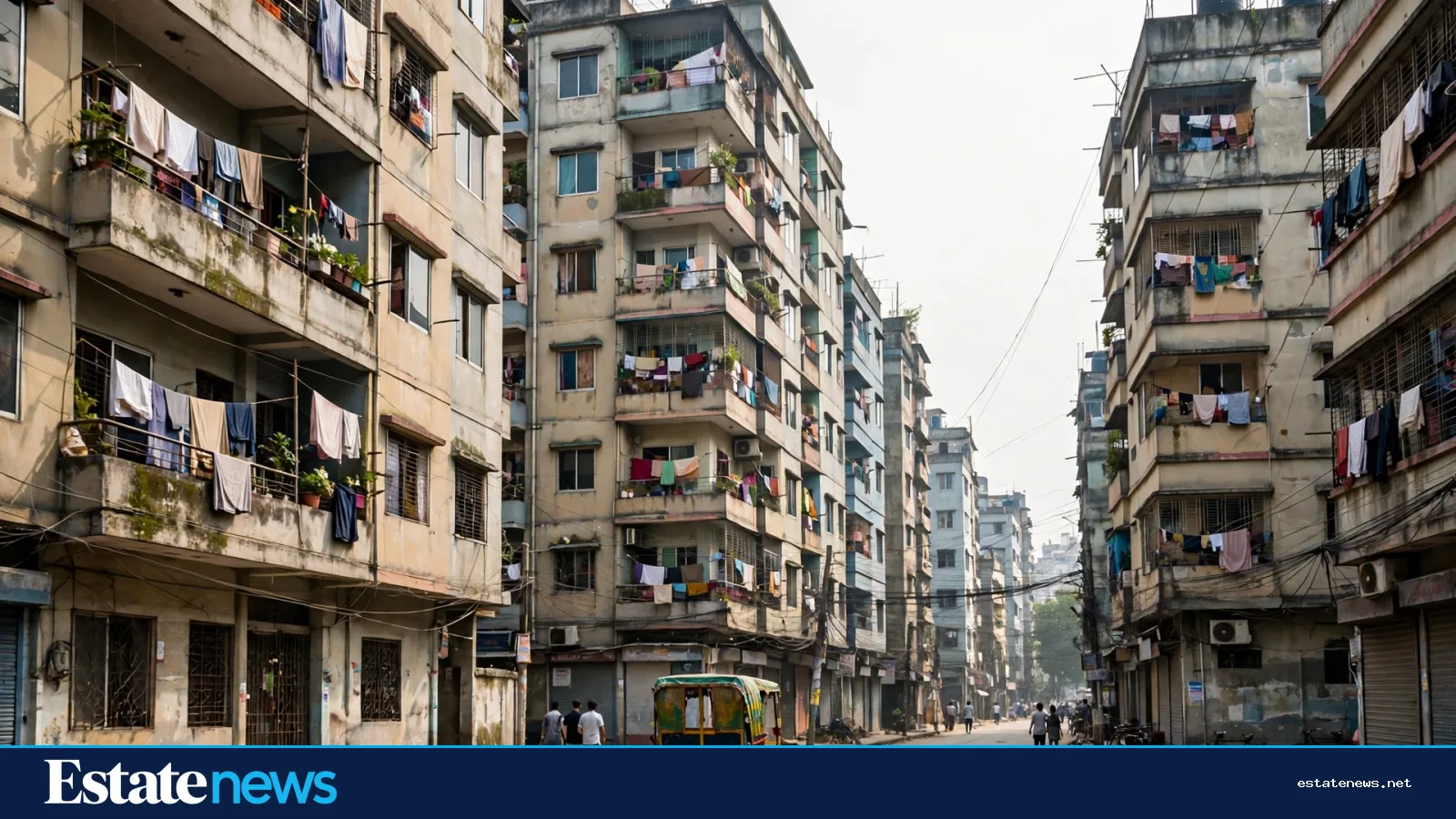
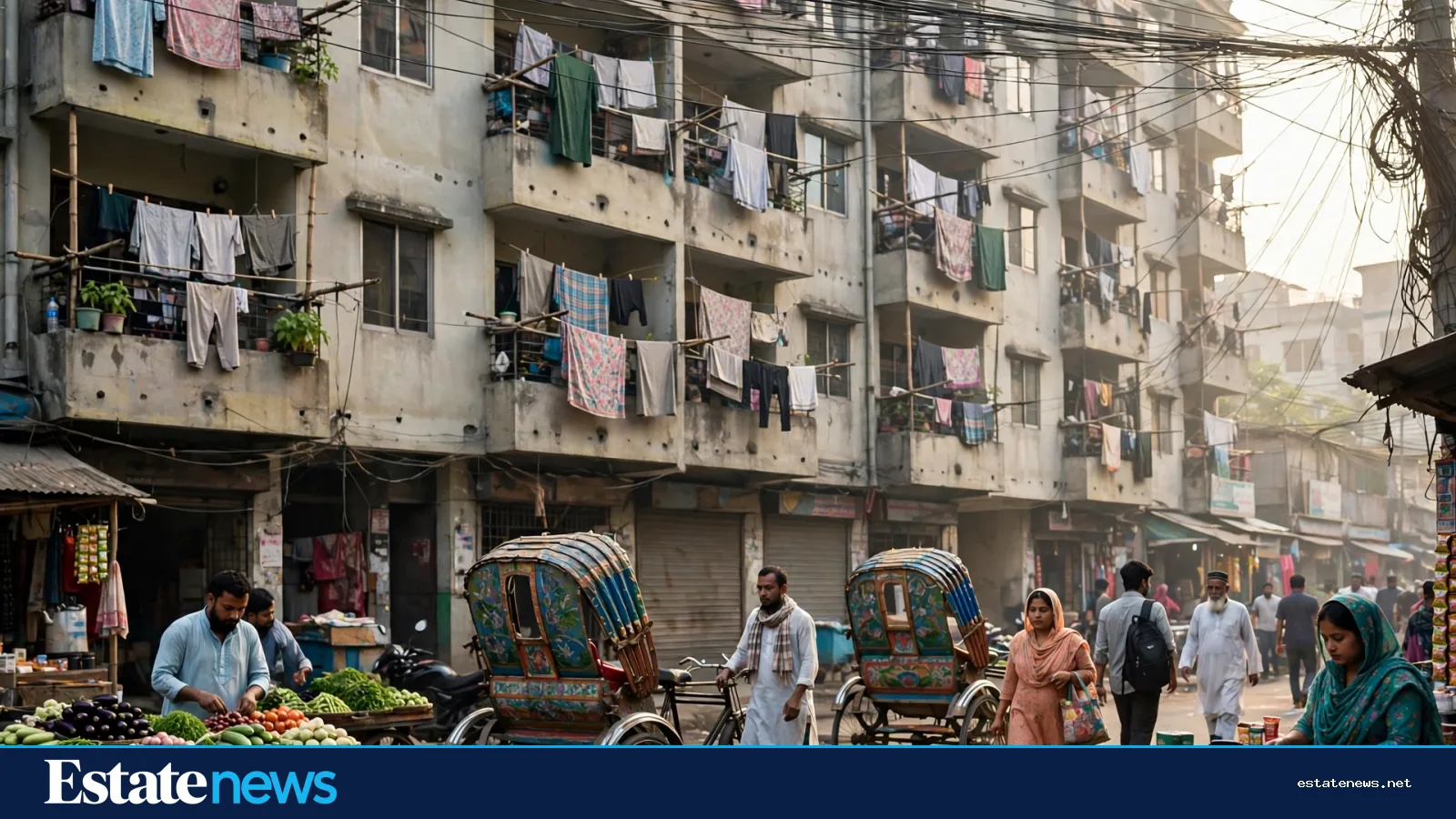
Walk through Mirpur or Uttara on a weekend and the sales offices tell a story before any brochure does. The flats people ask about first are not the largest ones. They are the three-bedroom homes of roughly 1,000 to 1,400 square feet, big enough for parents, children and a guest, small enough that the loan does not swallow the household budget whole.
The Daily Star reported in December 2025 that upper-middle-income families and professionals were still buying flats priced between Tk 1 crore and Tk 2 crore, mostly in Dhaka and Chattogram, at roughly 1,200 square feet. The same report described premium flats, generally over 2,000 square feet and above Tk 2.5 crore, as sharply weaker, and smaller flats of 850 to 1,050 square feet, under Tk 1 crore, as hurt by inflation and bank interest rates. Sales across the market had fallen by 40 percent to 50 percent compared with FY23, according to Shanta Holdings chief sales officer Shihab Ahmed, quoted in that report. Dhaka has no public register of completed transaction prices, so these figures describe reported sales bands and asking levels, not a measured average.
What gets traded away

A buyer moving from 1,800 square feet to 1,200 gives up real things. The separate dining room goes, and the dining table moves into the living space. A second balcony becomes a window. Storage moves into walls, under beds and above kitchen cabinets. What the buyer keeps, in a well-planned flat, is the third bedroom. For a Dhaka family, that room is not a luxury. It holds parents on a long visit, a child who needs quiet for exams, or a relative between jobs. Developers know this, and the better mid-sized plans protect that room even when they cut corridor space.
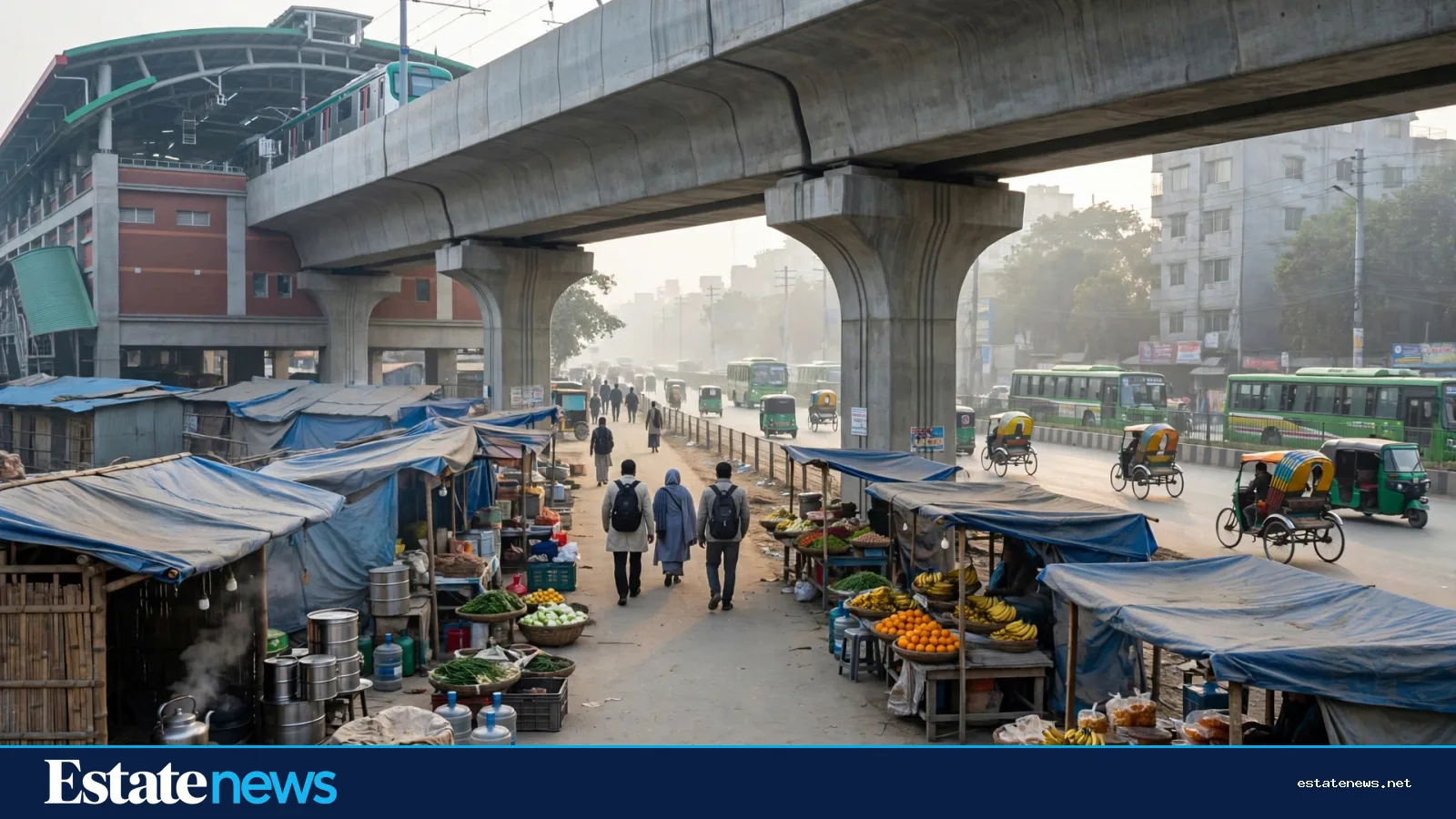
Location is the other trade. A buyer who cannot afford Dhanmondi at 1,200 square feet buys the same size in Mirpur, Uttara, Banasree or Mohammadpur, and spends the saving on a shorter loan. Metro rail corridors have changed that calculation. A flat near a station in Mirpur or Uttara can mean a commute that once took an hour by bus now takes a fraction of that time, and buyers weigh that daily saving against the address they gave up.


The loan is the real floor plan
Bank interest rates decide more floor plans than architects do. When rates are high, a smaller loan is not just cheaper, it is the difference between approval and rejection. A household that borrows less can also keep an emergency fund intact, pay school fees without borrowing again, and survive a month when overtime or a bonus does not arrive. That caution shows in the market. The mid segment survives because its buyers can still pass a bank's test, while lower-income buyers, squeezed by food prices and transport costs, wait.
Buyers should still read the plan before the price. Gross area and usable area are different numbers. A 1,200 square foot flat with a long corridor and a wasted lobby corner can feel smaller than a 1,100 square foot flat with a straight hall and a kitchen that fits two people working at once. Visit at midday, when light shows the truth about a room, and again in the evening, when the building's water pressure, lift queue and parking tell their own story. Ask what the service charge covers, and whether it rises during the year. A cheap flat with a heavy monthly charge is not cheap for long.
A market waiting for relief
No one in the sales offices expects a sudden boom. The mid segment is holding, not surging, and developers are shaping new launches around it. That is useful information for a buyer, not a reason to rush. A family that buys now buys a size with the widest resale pool in the city, a flat that other families can also imagine living in. A family that waits buys the chance of lower rates, and risks higher asking prices in the areas near the metro. Both choices are reasonable. The mistake is buying a flat that only works if everything goes right: the bonus arrives, the rate falls, the second income never pauses. A 1,200 square foot home, bought within the loan a household can carry on a normal month, leaves room for life to happen around it.