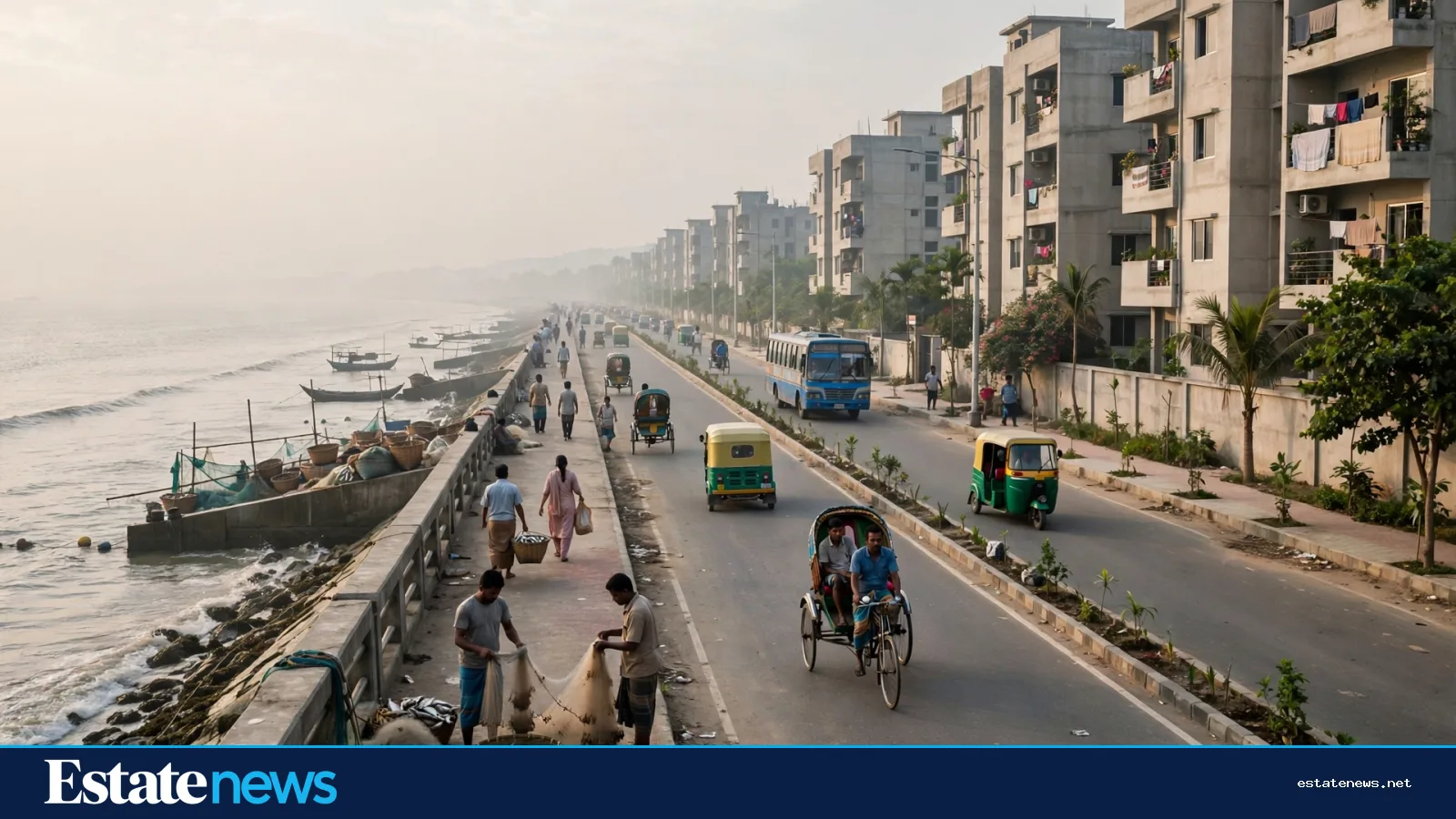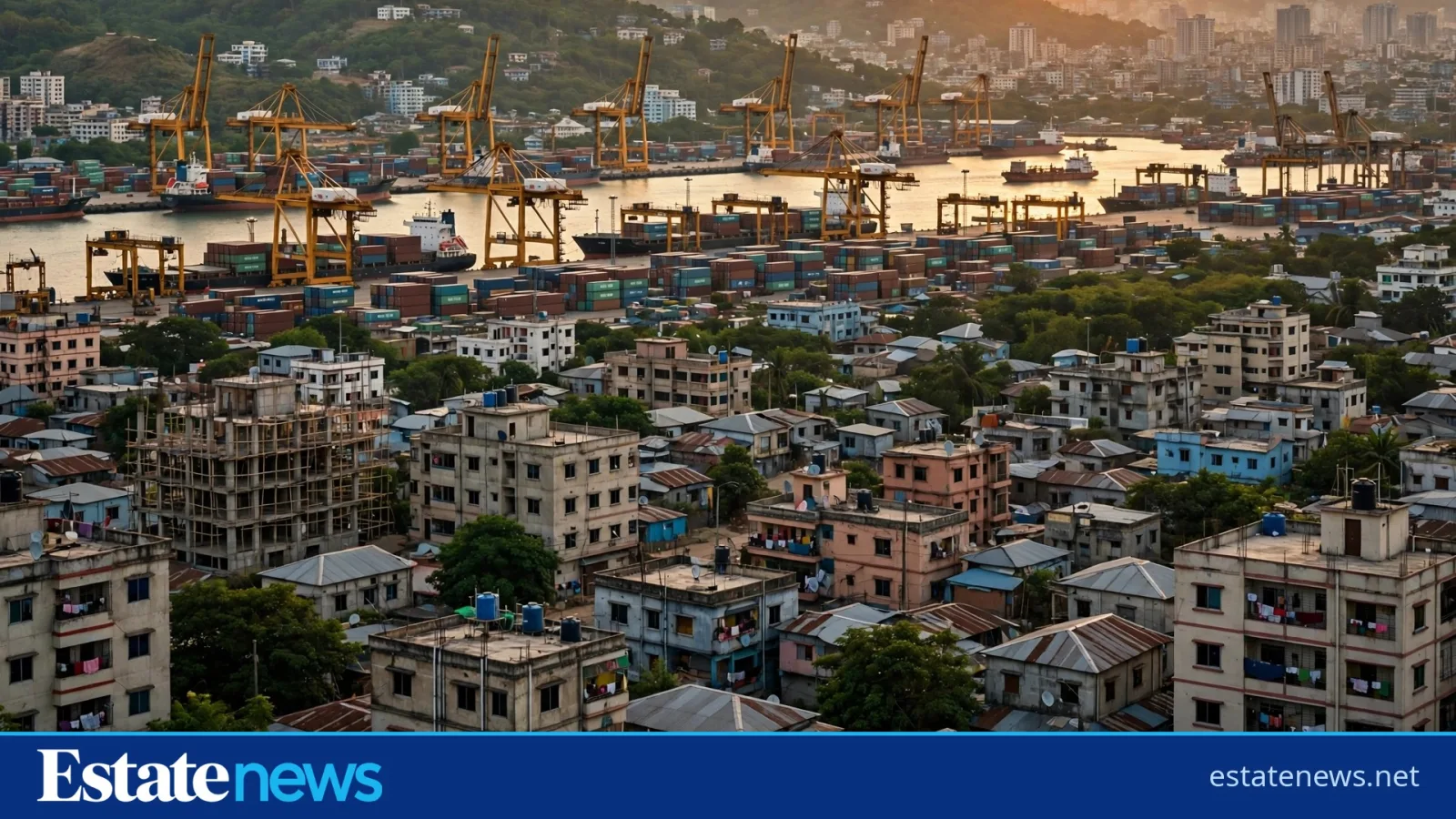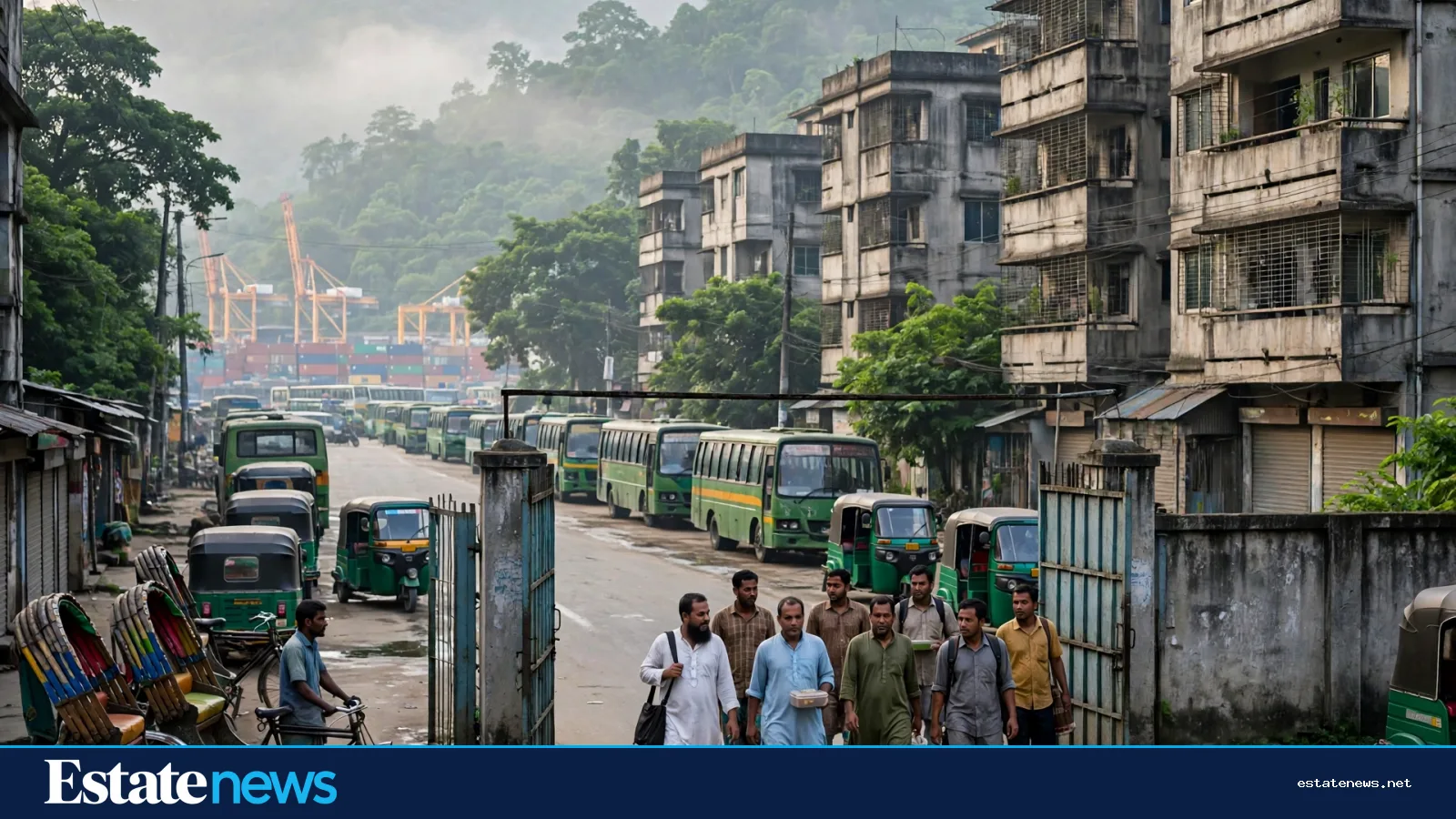
Morning in Chattogram starts early near the port. Buses line up, workers walk through gates with tiffin carriers, and rickshaws queue along roads that lead toward the yards and factories. Housing follows that same rhythm. People want to live close to work, close to a bus route, and close to a market where the evening bazar does not eat an hour of the day.
The port handles the overwhelming share of the country's export and import trade, and the export processing zones around the city turn that trade into jobs. The Chattogram Export Processing Zone and the Karnaphuli Export Processing Zone have long drawn workers, supervisors, managers and the small businesses that serve them: mess halls, tailors, pharmacies, coaching centres. Demand for homes grows strongest near those workplaces, in areas such as Agrabad, Khulshi, Nasirabad, Mehedibag and Panchlaish, where older apartment stock sits beside newer blocks.
Mirsarai and the housing gap

Mirsarai, home to the National Special Economic Zone, shows both the promise and the problem. The Business Standard reported in October 2026 that only 16 enterprises were in commercial production there as of 8 September 2026, with 15 more under construction, and direct employment at about 8,000. Low-cost worker housing was under construction in one sub-zone, while chamber leaders pointed to housing, alongside gas, power and water, as part of what investors need to see before committing further. The zone was planned for far more jobs over time, and the gap between that plan and today's housing is the story a buyer should understand.


A factory worker and a factory manager do not need the same home, and Chattogram's market often serves the second better than the first. Managers buy flats in Khulshi or Nasirabad. Workers need rooms, messes, shared flats and small family units near the gate, with transport that runs when shifts end, not just when offices open. Projects that ignore that split end up with empty show flats and crowded lanes nearby. Developers and public agencies that plan worker housing, hostels and family quarters together with factory plots will shape the next phase of the city's growth far more than another luxury tower far from any workplace.
What the development authority is planning
Chattogram Development Authority moved in April 2026 on four housing projects, according to the Financial Express. Bay Pearl at Patenga, on 19.55 acres, is aimed at middle-class housing, with plots of various sizes. A Baizid housing project, with 167 residential and 18 commercial plots, carries a project cost of about Tk 357 crore and 82 lakh in its development project proposal. A Nisarga Residential Area beside the Bayezid Link Road is also planned. The largest idea, Fatehabad New Town, is described as a self-contained new city meant to house at least 500,000 people, with a feasibility study already begun. These are plans, not finished homes, and buyers should treat them that way. A plot allotment, a road, a water line and a school arrive on different dates, and a family should ask which date applies to the piece they are buying.
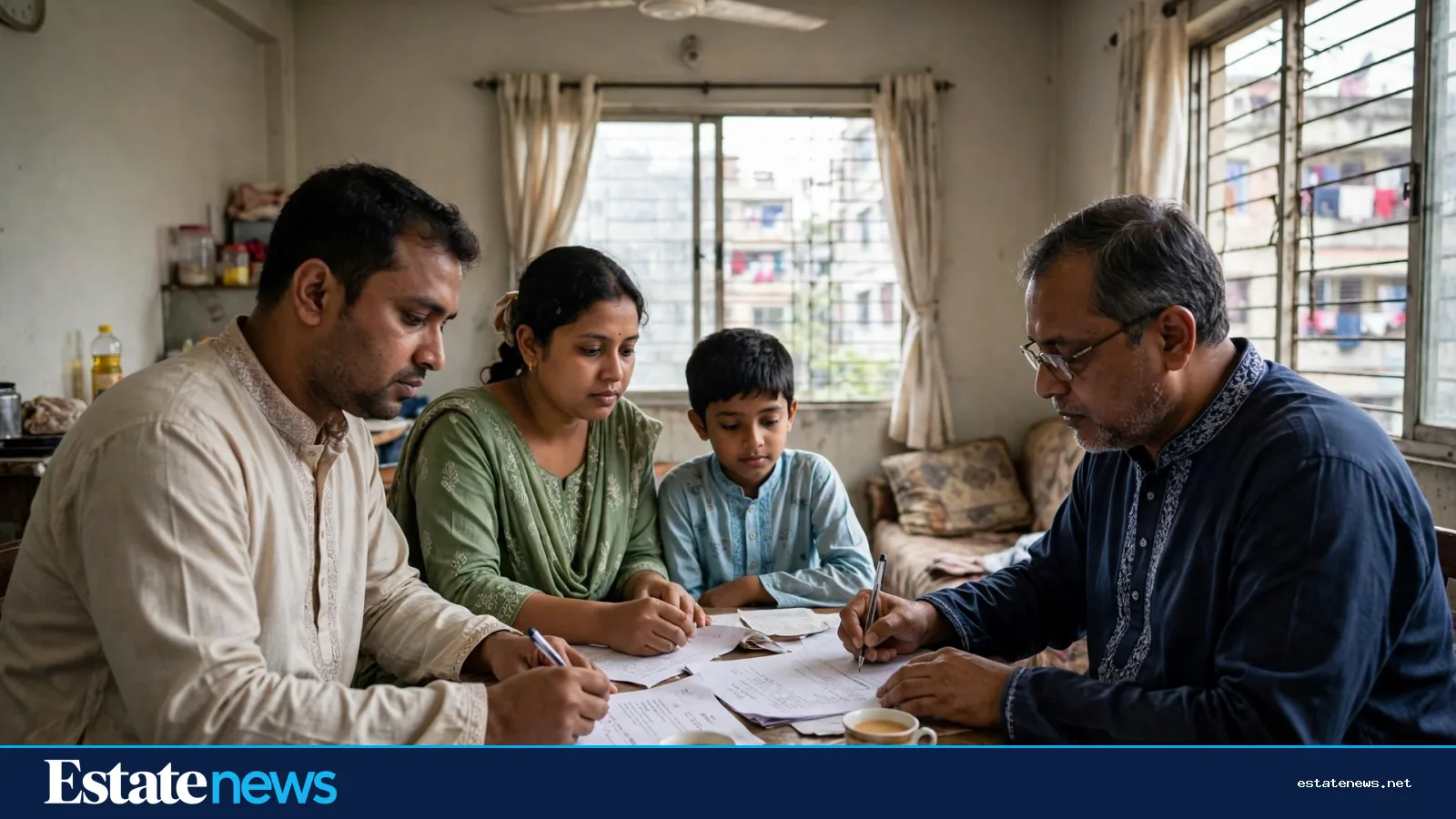
For a mid-income buyer in Chattogram today, the practical questions stay local. How long is the trip to work in rain? Does the building have water when the city supply falters? Is the lane lit after dark? Does the flat stay cool without running an air conditioner all day? Chattogram's hills, rain and port air punish buildings that were drawn for a brochure. The homes that hold their worth here are the ones built for the city's weather and its working day, near the port, the zones and the bus routes that carry the city to work.