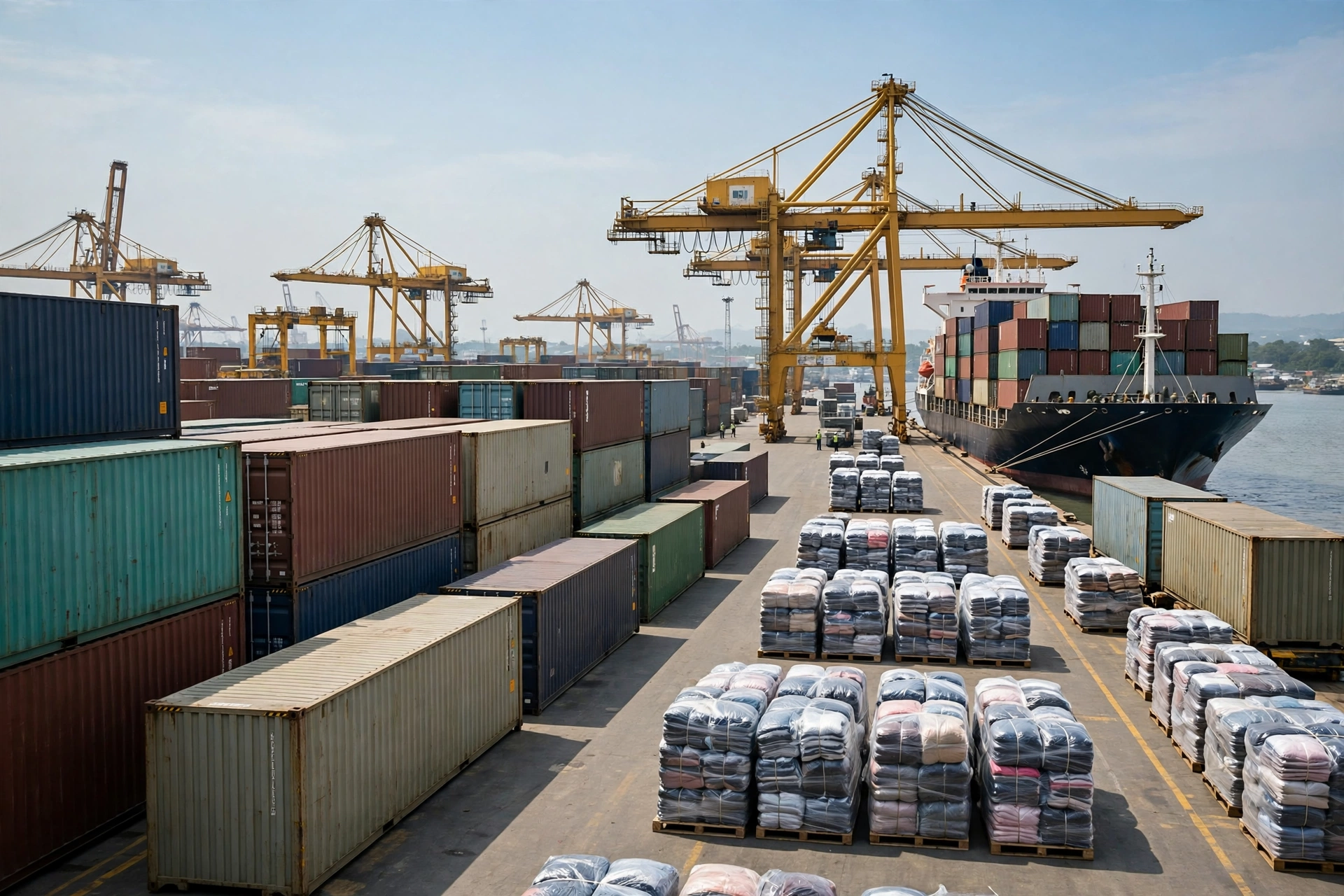
Bangladesh's external accounts sent two different signals in September. Merchandise exports reached about US$3.94 billion, up 8.54 per cent from a year earlier, according to Export Promotion Bureau data, with ready-made garments leading the recovery. Over July to September, export growth was 6.34 per cent year on year.
Inward remittances told a softer story. September inflows were US$2.77 billion, the lowest monthly figure in eleven months, according to reports of Bangladesh Bank data. The contrast matters because exports and remittances are the two largest sources of foreign currency for households, businesses and the national reserves.
Why the divergence matters
Stronger exports support factory orders, employment and foreign-exchange earnings. Weaker remittances, by contrast, directly affect household budgets: for millions of families, remittances pay for food, schooling, housing and loan repayments. A soft month does not prove a trend, but it is a reminder that household incomes linked to overseas work can be as cyclical as any export order.
The broader backdrop remains challenging. Inflation was 8.34 per cent in September, up slightly from 8.26 per cent in August, according to Bangladesh Bureau of Statistics data. Bangladesh Bank, in its October-December monetary policy statement, kept the policy rate at 9.5 per cent, citing inflation risks and a weak economy.
- Exports (September): about US$3.94 billion, up 8.54 per cent year on year.
- Remittances (September): US$2.77 billion, lowest in eleven months.
- Inflation (September): 8.34 per cent; food inflation 7.22 per cent.
One month of exports can lift a quarter. One month of remittances can tighten a household.
What to watch
Whether remittances recover in the festival and year-end period, whether export momentum survives higher energy and shipping costs, and whether inflation resumes its decline will shape both the central bank's next decision and the spending power of ordinary families.