The global housing market in 2026 is best described as stagnant — with spectacular exceptions. According to the 2026 UBS Global Real Estate Bubble Index, average real-term price increases across 23 analysed cities reached a mere 0.5 per cent over the past year. That flat average hides sharp divergences that matter for anyone comparing Dhaka's market with the world's.
Seoul is the outlier at the top: house prices surged over 10 per cent in the last 12 months, driven by investment inflows linked to South Korea's AI-chip boom, alongside Lisbon and Madrid. At the other end, Vancouver and Toronto saw real-term price drops of 10 per cent as Canada curbed foreign investment, while Frankfurt and Munich fell nearly 4 per cent in real terms.
London, Tokyo and the bubble watch
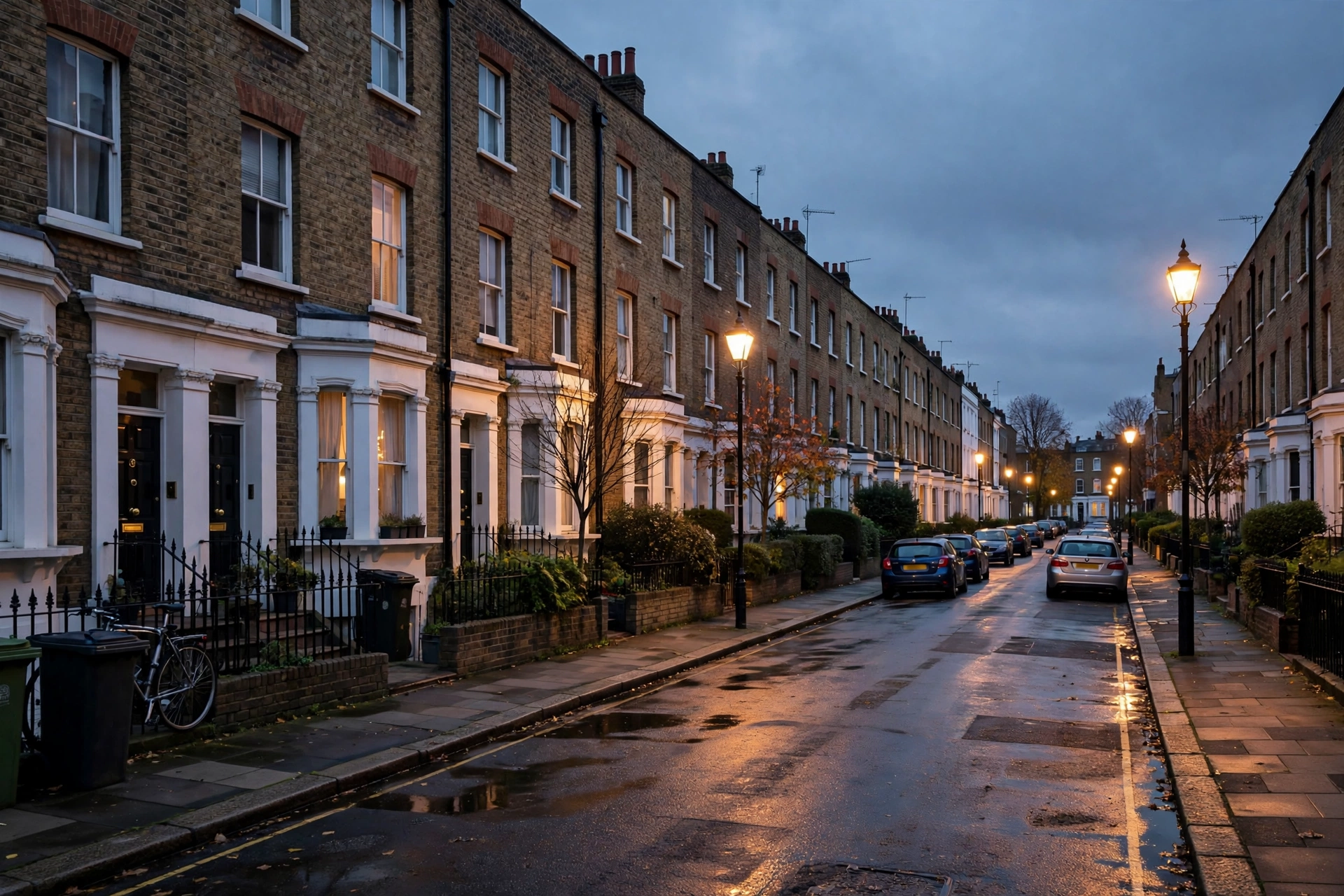
- London: prices down 1 per cent year on year, down 15 per cent in real terms since 2021; average home £298,441 in September; average five-year fixed mortgage about 6 per cent.
- Tokyo: inflation-adjusted prices up about 50 per cent in seven years, on buyer leverage and early wage growth; flagged as high bubble risk, with Zurich.
- Hong Kong: prices up about 11 per cent year on year, up 7 per cent in the first eight months of 2026, after falling almost 30 per cent from the 2021 peak; new mortgages about 2.7–3.3 per cent.
- Singapore: private prices up 1.4 per cent in the September quarter, but transaction volumes down about 30 per cent quarter on quarter; about 60,600 private homes due for completion in coming years.
A flat global average is not a flat world. In housing, the city you pick matters more than the year you pick.
What it means for Dhaka
Two lessons travel well. First, markets that correct sharply — Hong Kong's 30 per cent fall from peak — can recover when finance cheapens and buyers return. Second, high prices sustained by very low rates, as in Zurich and Tokyo, carry bubble risk precisely because they depend on those rates staying low. Dhaka's market, with mortgage rates far higher and incomes far lower relative to prices, faces a different constraint: affordability, not speculation, is the binding limit. That is why small, well-located, affordable homes — not luxury speculation — remain the steadier story.
Follow Estate News on Facebook for daily property, market and money updates: https://www.facebook.com/profile.php?id=61593817347872