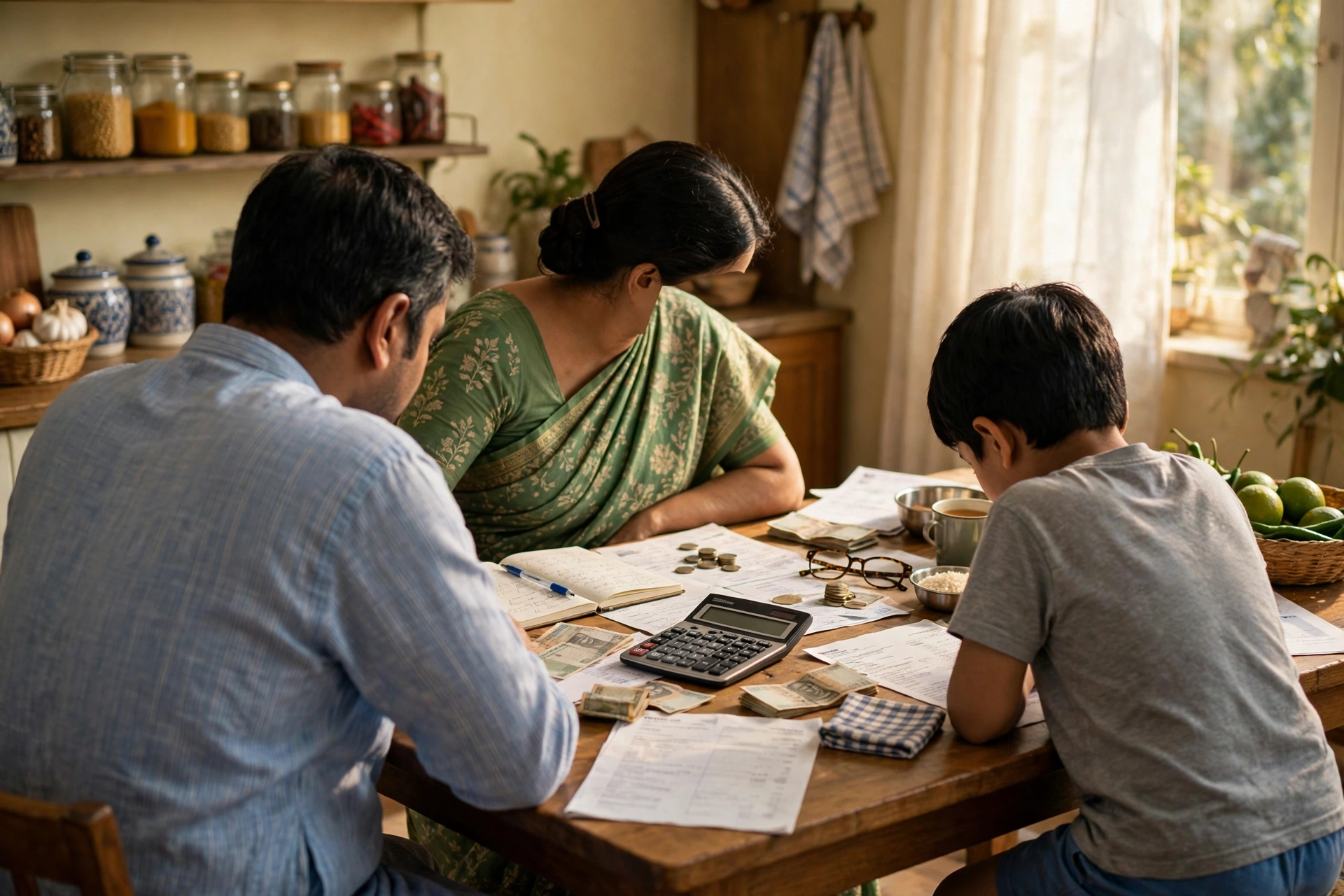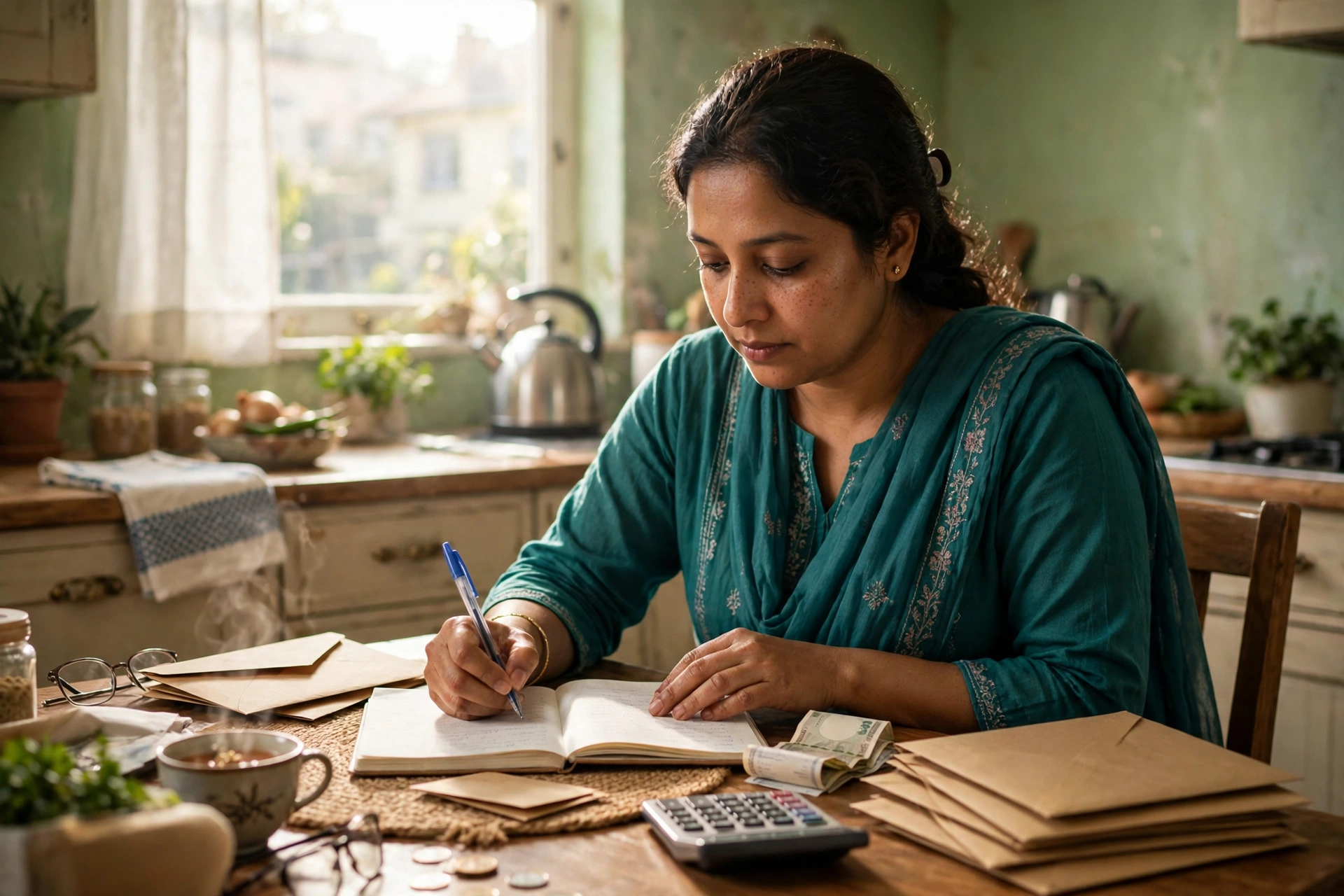
Most household budgets do not fail on daily spending. They fail on the lump sums: the rent advance, the school admission fee, the insurance renewal, the festival outlay, the annual service charge. Each is predictable in timing and rough in amount — yet because no money was set aside month by month, each arrives as a crisis, met by borrowing or by raiding the emergency fund.
The fix is unglamorous and it works: an annual-bill fund, held separately from everyday spending and from the emergency reserve. List every annual or irregular bill for the next twelve months, add them up, divide by twelve, and transfer that amount on payday. If the total is Tk120,000 a year, the transfer is Tk10,000 a month. When the bill arrives, the money is already there.
How to set it up in an hour
- List annual bills: rent advance, school fees, insurance, vehicle tax and fitness, utility deposits, festival and family obligations.
- Add a 10 per cent buffer for increases — with inflation above 8 per cent, last year's bill is rarely this year's bill.
- Keep the fund in a separate savings account, not in the main spending account.
- Replenish it immediately after paying a bill; do not let a paid bill become a permanent hole.
An emergency fund is for emergencies. An annual-bill fund is for the bills you already know are coming — and confusing the two is how both get emptied.
What it changes
Households that run this fund report the same incomes but fewer panics. Credit-card balances fall, because the card stops being the annual-bill fund. The emergency reserve, meanwhile, stays intact for its real purpose: a medical bill, a job interruption, a broken appliance. In a year when prices are still rising faster than many incomes, that separation is not a budgeting nicety. It is the difference between a tight month and a debt spiral.
Follow Estate News on Facebook for daily property, market and money updates: https://www.facebook.com/profile.php?id=61593817347872