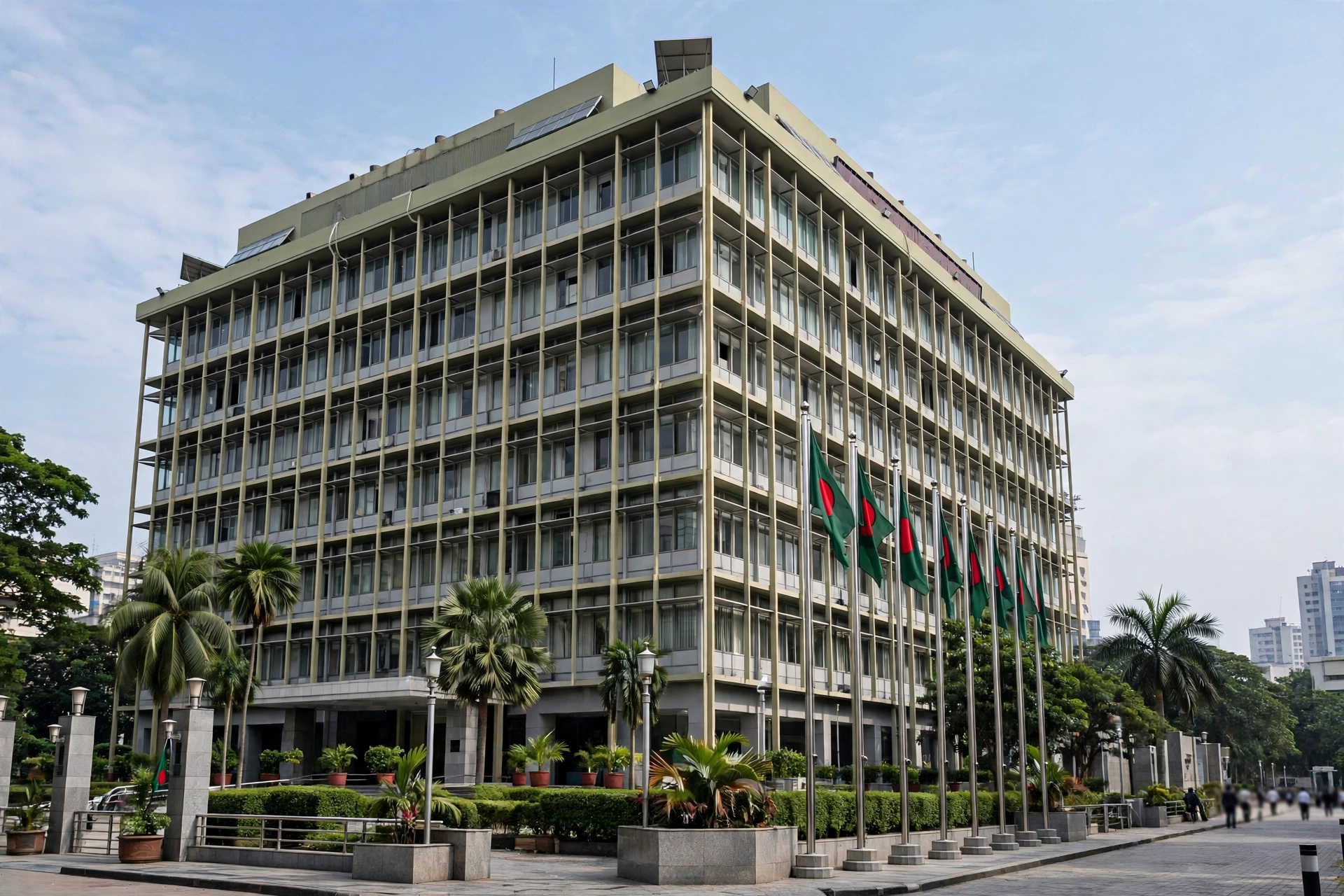
When Bangladesh Bank announced its first quarterly monetary policy statement on 30 September, it kept the policy rate unchanged at 9.5 per cent for the October-December quarter, with the Standing Lending Facility at 11 per cent and the Standing Deposit Facility at 7.5 per cent. The central bank had cut the rate by half a percentage point to 9.5 per cent on 2 August; this time, it chose to wait.
The reasons, set out by Deputy Governor Md Habibur Rahman, were plain: inflation had eased to 8.26 per cent in August, its lowest in ten months, but non-food inflation remained high at 9.32 per cent, and risks from higher global energy prices, Middle East tensions, a September fuel price rise and a new public pay scale had not yet passed.
What stays expensive
A 9.5 per cent policy rate does not set your loan rate directly, but it anchors it. Housing loans, personal loans and business credit will remain costly for now. Households with variable-rate loans should therefore budget on the assumption that repayments will not fall quickly, and should check whether their bank revises rates every six months, as many do.
The other side of the coin is deposits. Savers earn more than they did in the low-rate years, but with inflation above 8 per cent, a deposit rate below inflation still loses purchasing power in real terms. The test is not the nominal rate on the poster; it is the rate after inflation and tax.
- Do not assume a rate cut is imminent; plan repayments at current rates.
- Compare the effective cost of a loan, including fees, not just the headline rate.
- Keep essential spending flexible while food and transport costs stay volatile.
Monetary policy works slowly. Household budgets must work now.
For families, the practical response is unglamorous: protect cash flow, avoid new high-cost borrowing for non-essential spending, and revisit the household budget when the next quarterly statement arrives.