The flat in Dhanmondi still holds the family's history in every room: the dining table where twenty people once sat for Eid, the children's bedrooms, now shut most of the year, the balcony where a grandfather drank his morning tea. The couple who live there now use three rooms out of five. The lift is older, the service charge keeps rising, and the monthly cost of keeping the place running has quietly overtaken the comfort it gives. Their children, settled in Uttara and abroad, call every week with the same gentle question: why not move somewhere smaller, nearer, easier?
Downsizing is not a new idea in Dhaka, but it is becoming a more common one, as the generation that bought flats in the 1990s and 2000s reaches retirement with children grown. It is also a decision that is easy to get wrong, because it mixes money, family feeling, and paperwork in a single move. A smaller flat is not automatically cheaper, a sale is not automatically a windfall, and a move made in a hurry can cost more than the years of high service charges it was meant to escape.
What a smaller home actually saves

The savings are real, and they are worth listing plainly. A smaller flat usually means a lower service charge, because charges follow building services and floor area. It often means lower utility bills, fewer rooms to cool, clean and repair, and less money spent on maintenance that only matters because the space exists. For a couple living on pension and savings, a monthly bill cut by several thousand taka is not a small thing. It is the difference between a budget that stretches and one that does not.
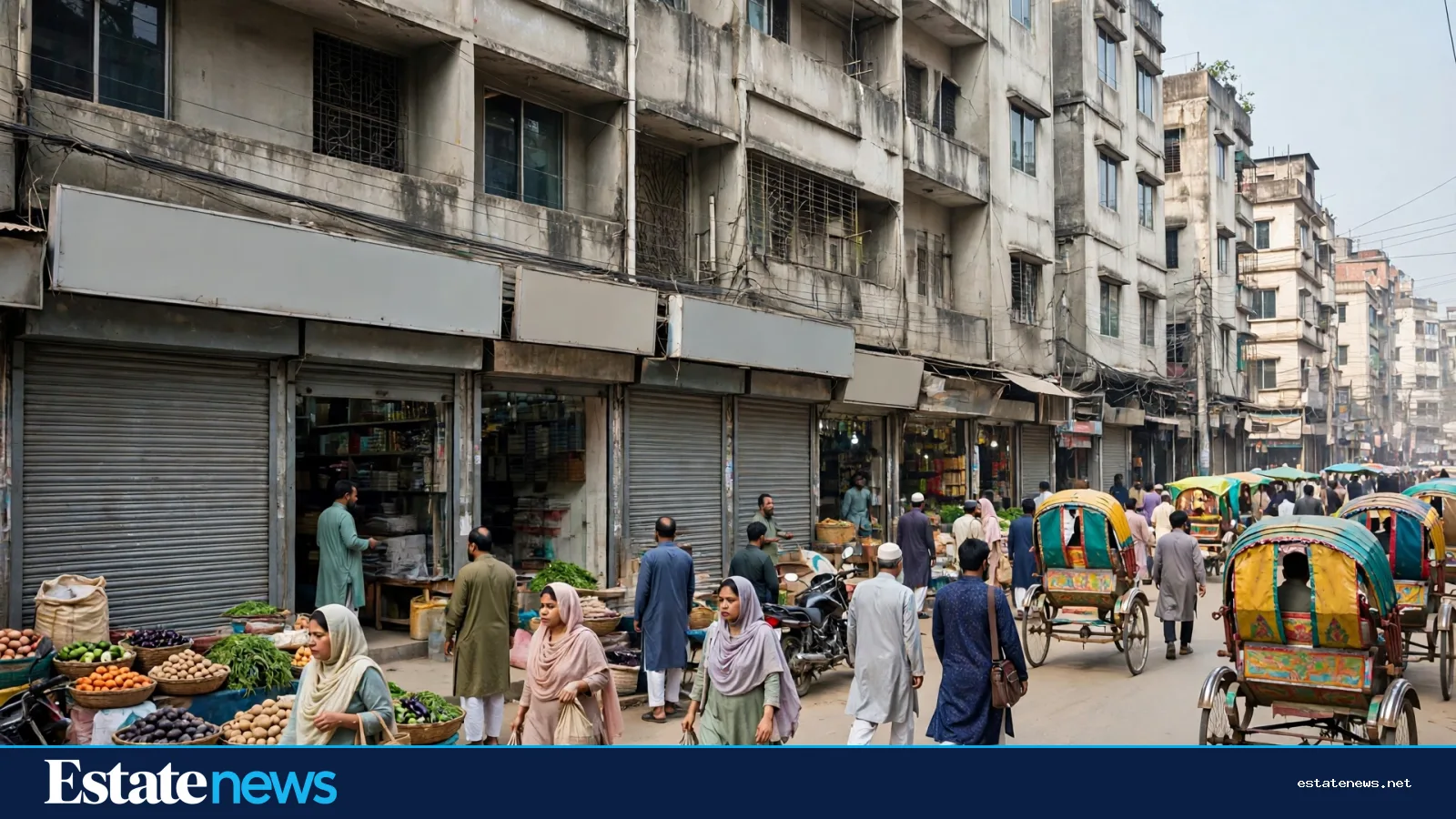
There is a second saving, less visible but just as important: time and worry. A large flat needs attention. A leaking bathroom, a lift breakdown, a committee dispute, all of it lands on the owners. A smaller flat in a well-run building, near a hospital, a market and a mosque, can give an older couple something the large flat no longer gives: a daily life that runs without constant management. Proximity matters more with age. A flat near a child's home, near a clinic, and on a floor the lift reliably reaches, is worth more than extra rooms nobody uses.
The sale is not the windfall people imagine
Here is where downsizing arithmetic surprises people. Selling the family flat brings in a sum, but buying the smaller flat takes most of it back, and the costs of both moves sit in between. Registration charges apply on the purchase of the new flat: stamp duty at 1.5 percent of the deed value, a registration fee of 1 percent, and local government tax of 2 percent in city corporation areas, plus VAT where the new flat is a developer sale, and source tax that varies by area and value. The sale itself may carry its own tax considerations, and the exact position depends on the deed value, the holding period, and the current budget rules, so a tax adviser should confirm the figures before any price is agreed.
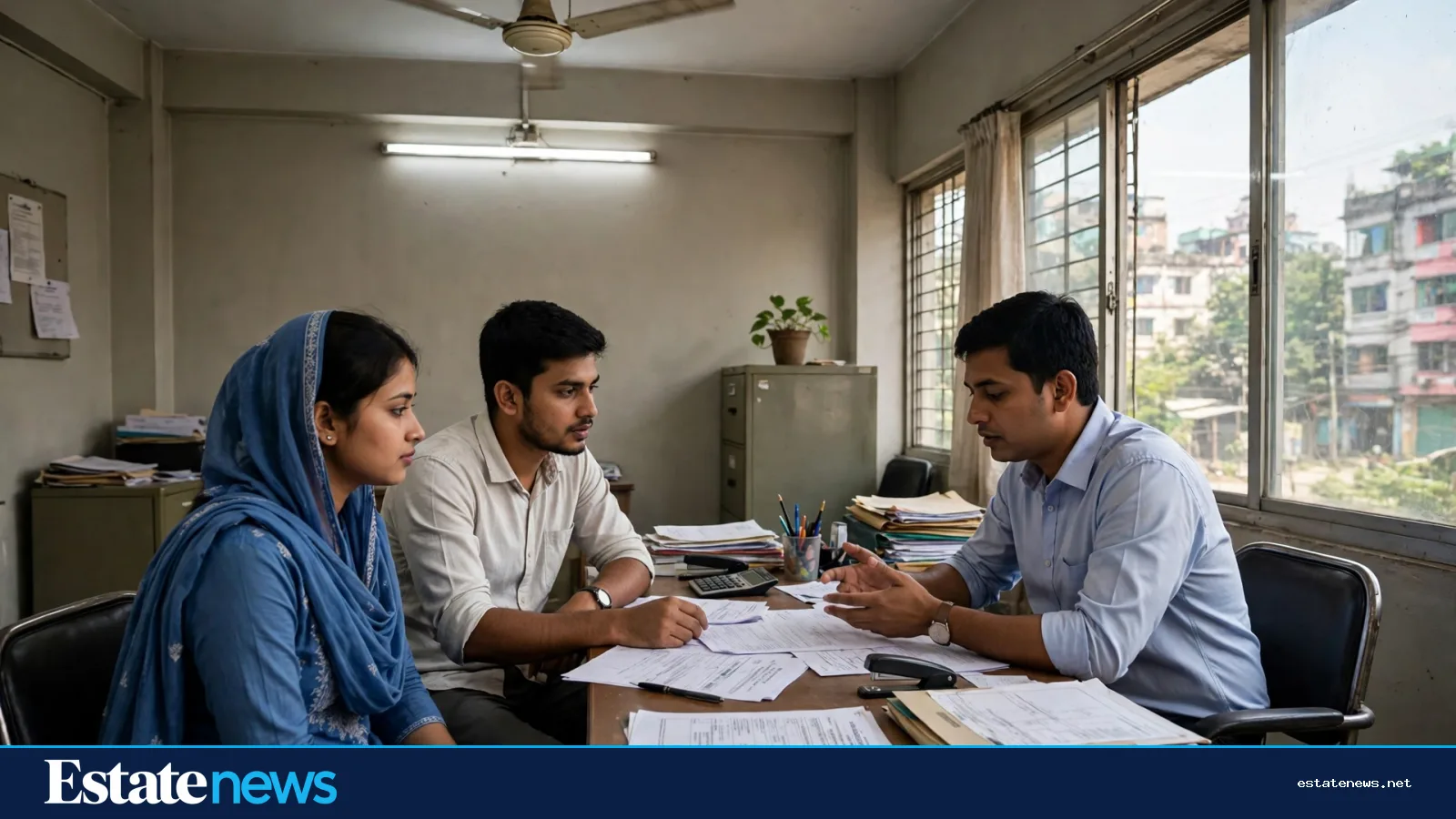
Then come the costs nobody puts in the brochure: the broker's fee, the moving cost, the renovation of the new flat, the months when both flats are being paid for at once. Estate News' own registration-cost guide shows the shape of the purchase side: for a Tk 1 crore resale flat in Dhaka, stamp duty, registration fee, local government tax and mutation come to Tk 4,51,170 before source tax. A downsizer buying at a similar figure should expect a bill of that order, not a token one. The money freed by downsizing is what remains after all of that, and it should be counted before the decision, not discovered after it.


Papers first, sentiment second
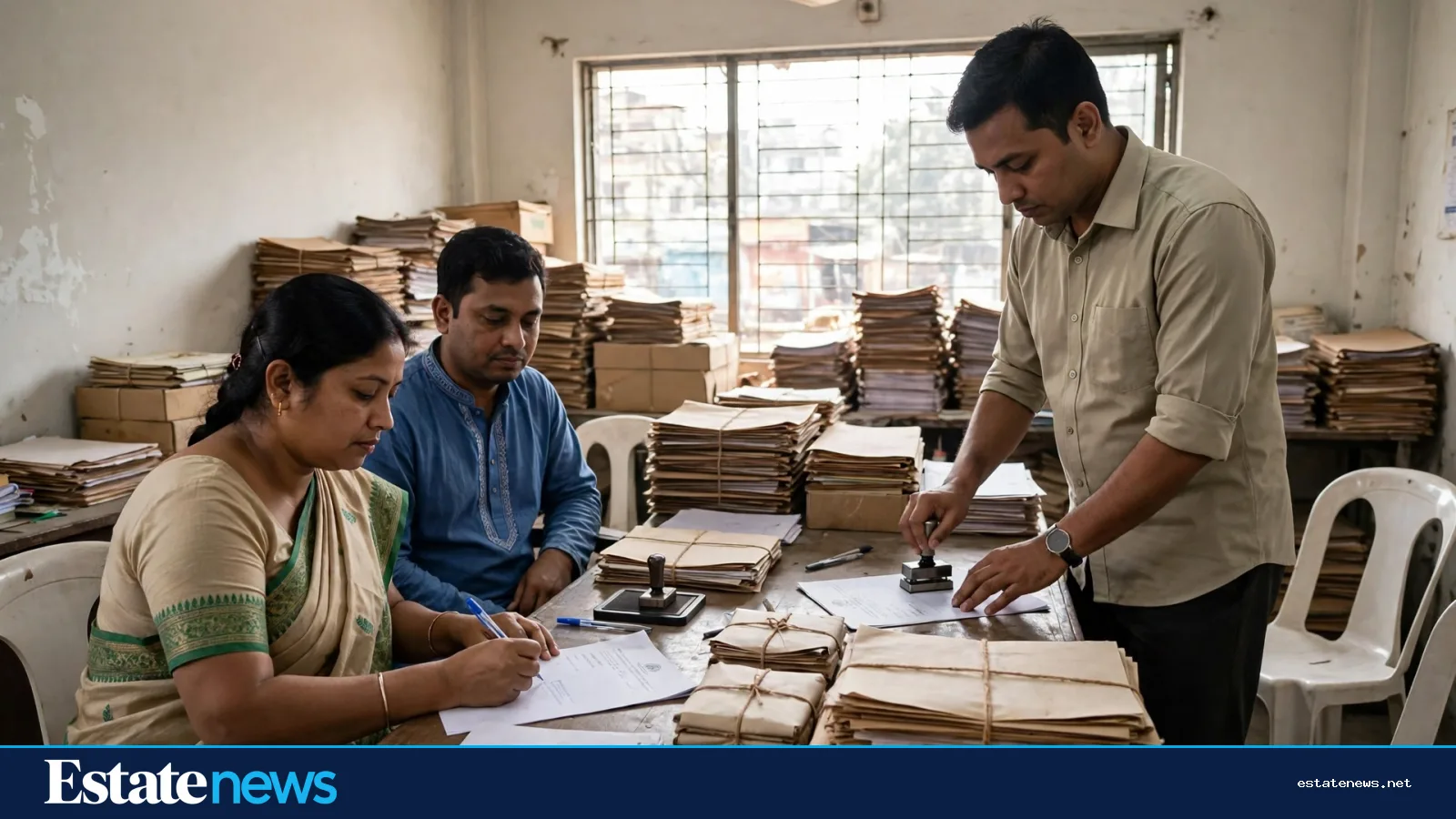
Older flats carry older paperwork, and downsizing is the moment those papers get tested. A flat bought decades ago may have a deed chain with a gap, a mutation never updated after a spouse's death, or a name spelled differently across documents. All of it must be fixed before a buyer will pay full price, and fixing it takes time. Start the paper check months before listing, not weeks: deed chain, mutation record, the building's approvals, and, where a spouse has died, the inheritance documents that prove the seller's right to sell alone.
Family agreement matters as much as the file. In many Dhaka families, the flat is not only the parents' asset in feeling, even when it is legally theirs. Children may have contributed to the purchase, or may expect to inherit it. A sale that surprises the family breeds disputes that no lawyer can quickly undo. Talk it through early, in plain terms: why the move, where the money goes, and what happens to the difference. Put the outcome in writing where it matters, and let every adult child hear the same plan.
What the new flat must prove
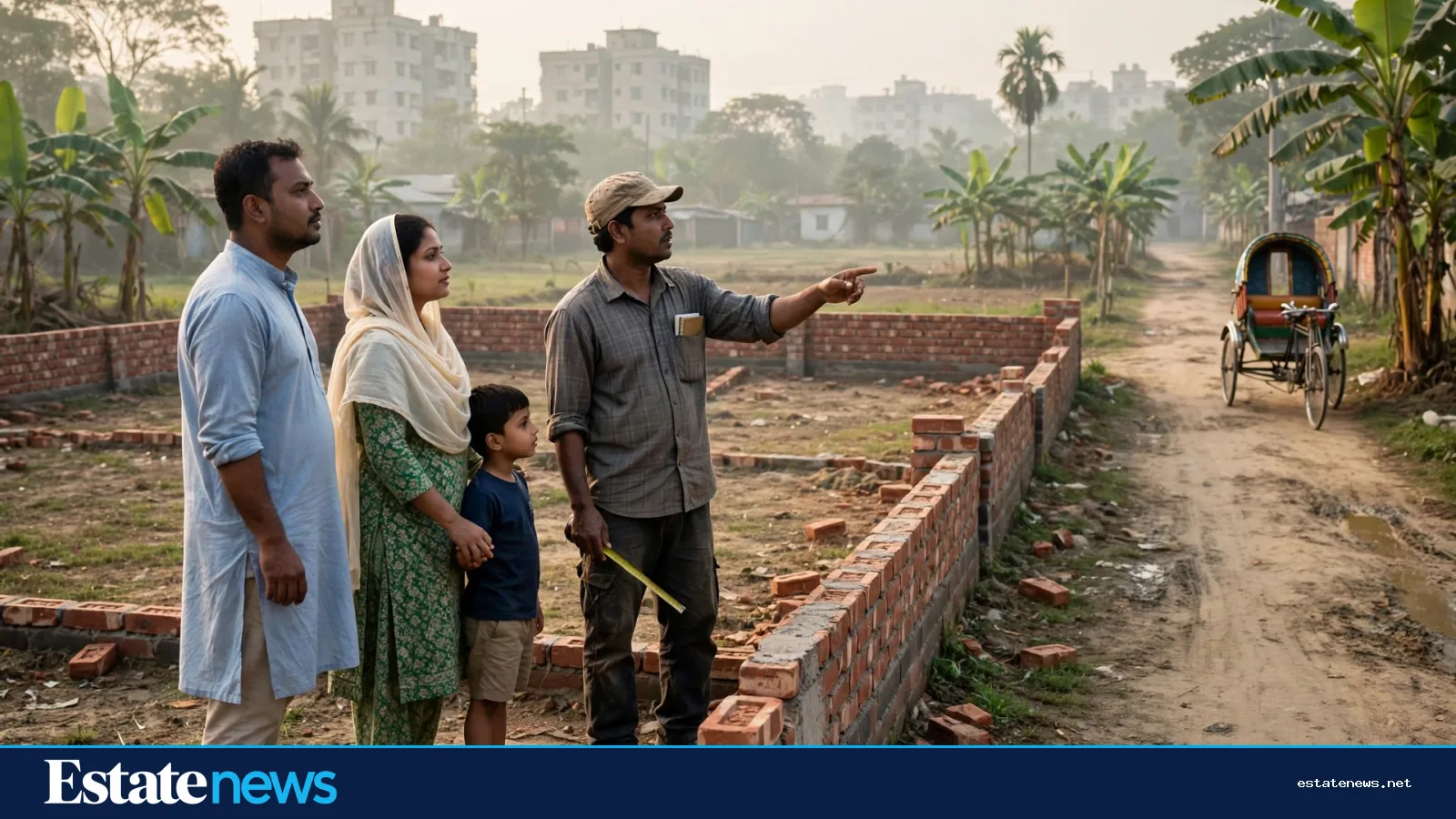
Buyers who are downsizing should judge the smaller flat by a stricter test than a young family would. The lift must work reliably, not mostly. The building should have a generator that covers the whole flat, not only lights. The flat should be on a floor that stays comfortable if the lift fails for a day. Water pressure, drainage, and the distance to the nearest hospital and pharmacy should be checked in person, twice, at different times of day. A ground-floor flat avoids lift dependence but needs its own checks on damp, security, and street noise.
Renting for a year before buying is an option some older couples take, and it has merit: it tests the building, the lane, and the new daily routine without committing the sale proceeds. It also costs a year of rent and a second move. There is no single right answer. The right answer is the one that leaves the couple with a home they can manage, money they can count, and family peace intact.
This piece is informational only, not financial advice, and no sale or purchase guarantees a gain. Downsizing done well is not about giving things up. It is about trading rooms nobody uses for a life that is easier to live, nearer to the people who matter, and paid for with money that is honestly counted. Done in a hurry, it trades a familiar home for a smaller one and a thinner bank balance. The difference between those two outcomes is rarely the market. It is the preparation.