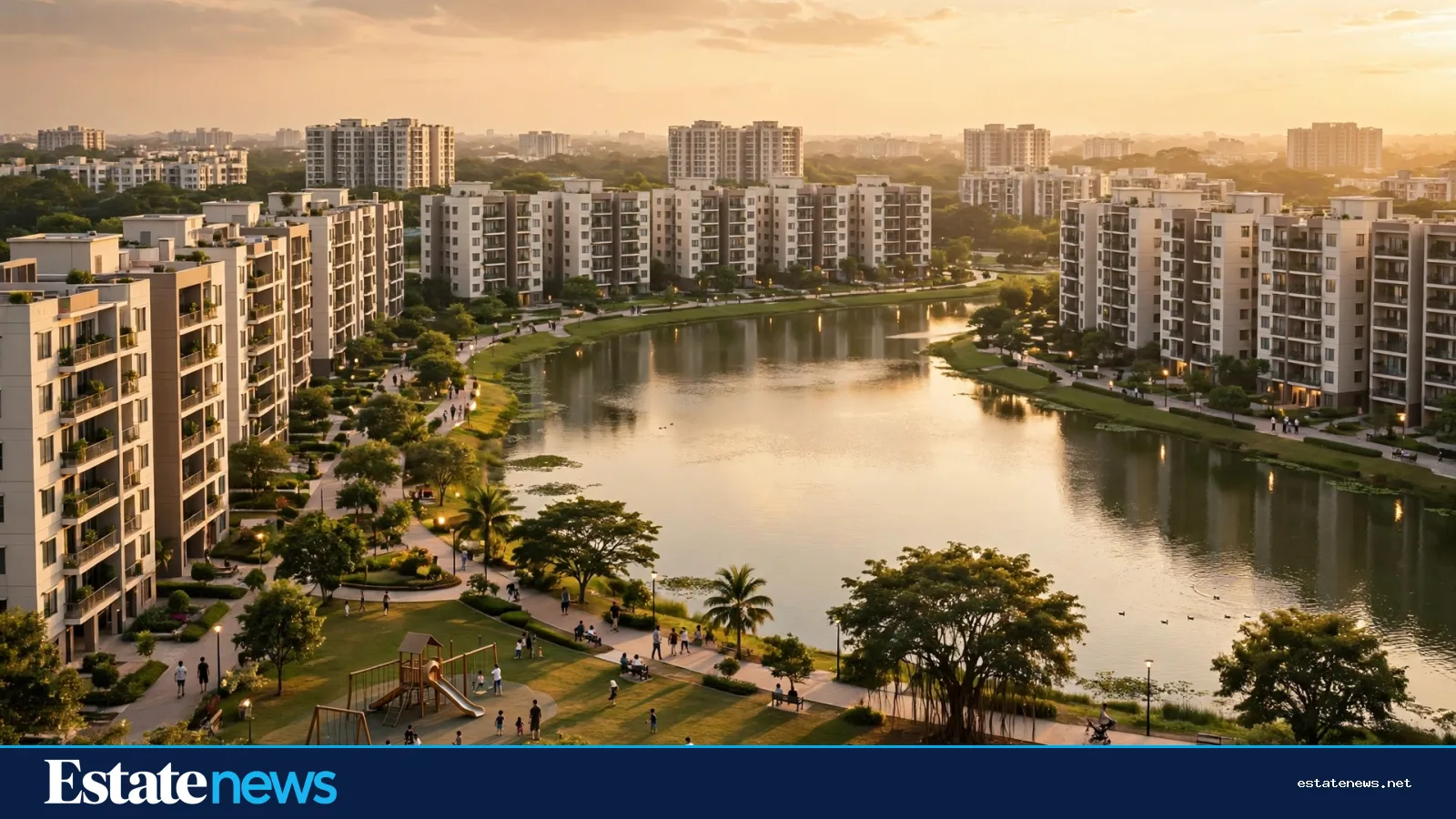
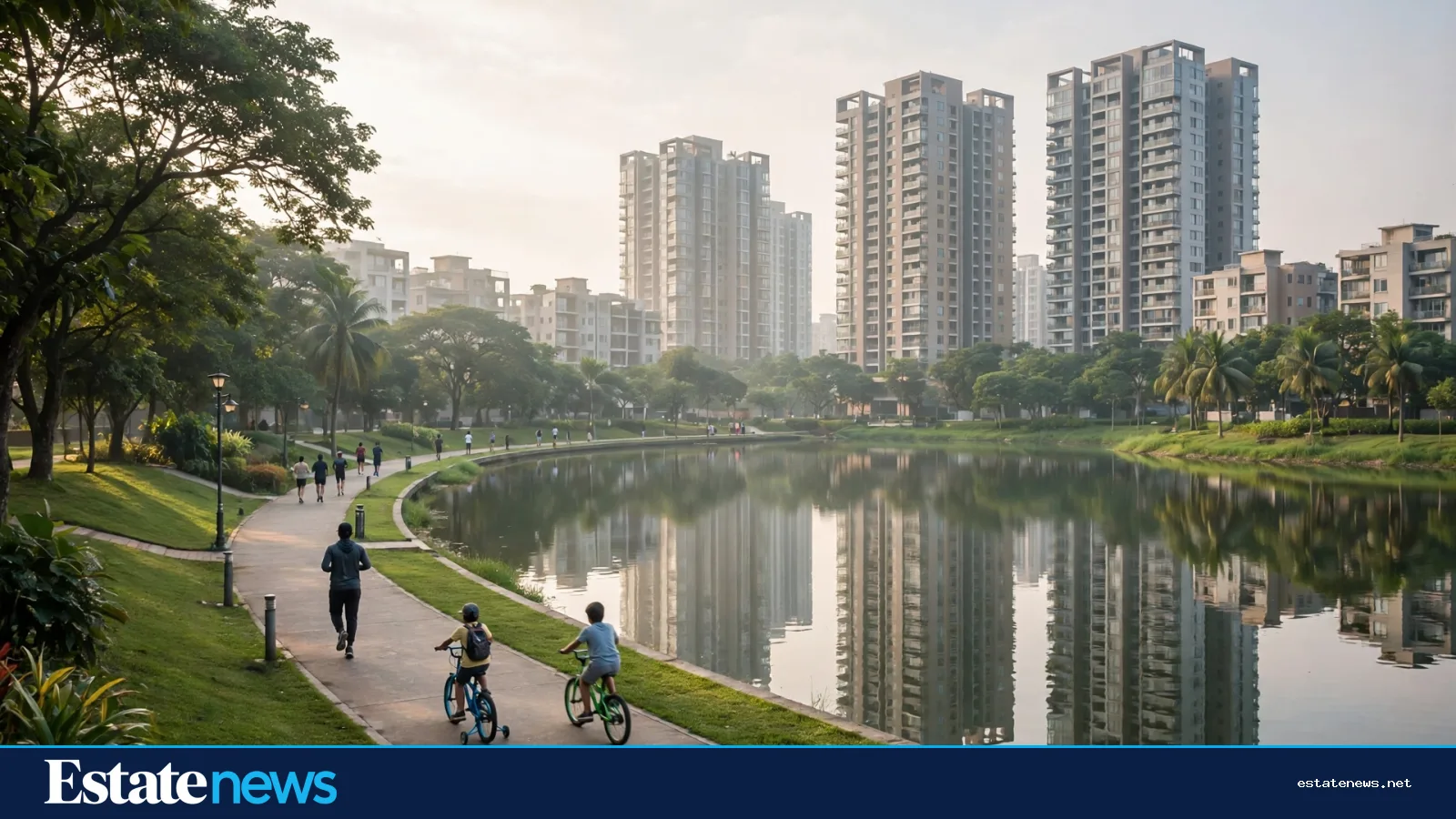
Evening comes early to the water in Khilkhet. Boys race bicycles along a path that follows the lake. A woman carries a shopping bag back from one of the township's shops while her husband waits by the gate with a small child asleep on his shoulder. In the towers behind them, lights come on floor by floor, and the sound of the main road fades to something distant. Nobody here is admiring an idea. They are living in a place that was planned, all at once, to hold a whole neighbourhood.
That is what made Lake City Concord different when it arrived in the early 2000s, and it is why it still matters to Dhaka's housing conversation today. Concord Real Estate built it as Bangladesh's first self-contained satellite township: more than 4,000 apartments, according to the company, set inside a gated community with its own school, a multi-storey mosque, supermarkets, shops, offices and recreation facilities, and two shopping centres serving residents. More than 60 percent of the area, the company says, is kept as open green space, with gardens and lakes. The pitch was never a single beautiful tower. It was a complete daily life, priced at the start for middle-class buyers, on the edge of a city whose centre was already crowded.
The question the township asks, twenty years on, is a simple one. When Dhaka builds homes now, does it build neighbourhoods, or does it just build buildings?

A township, not a tower
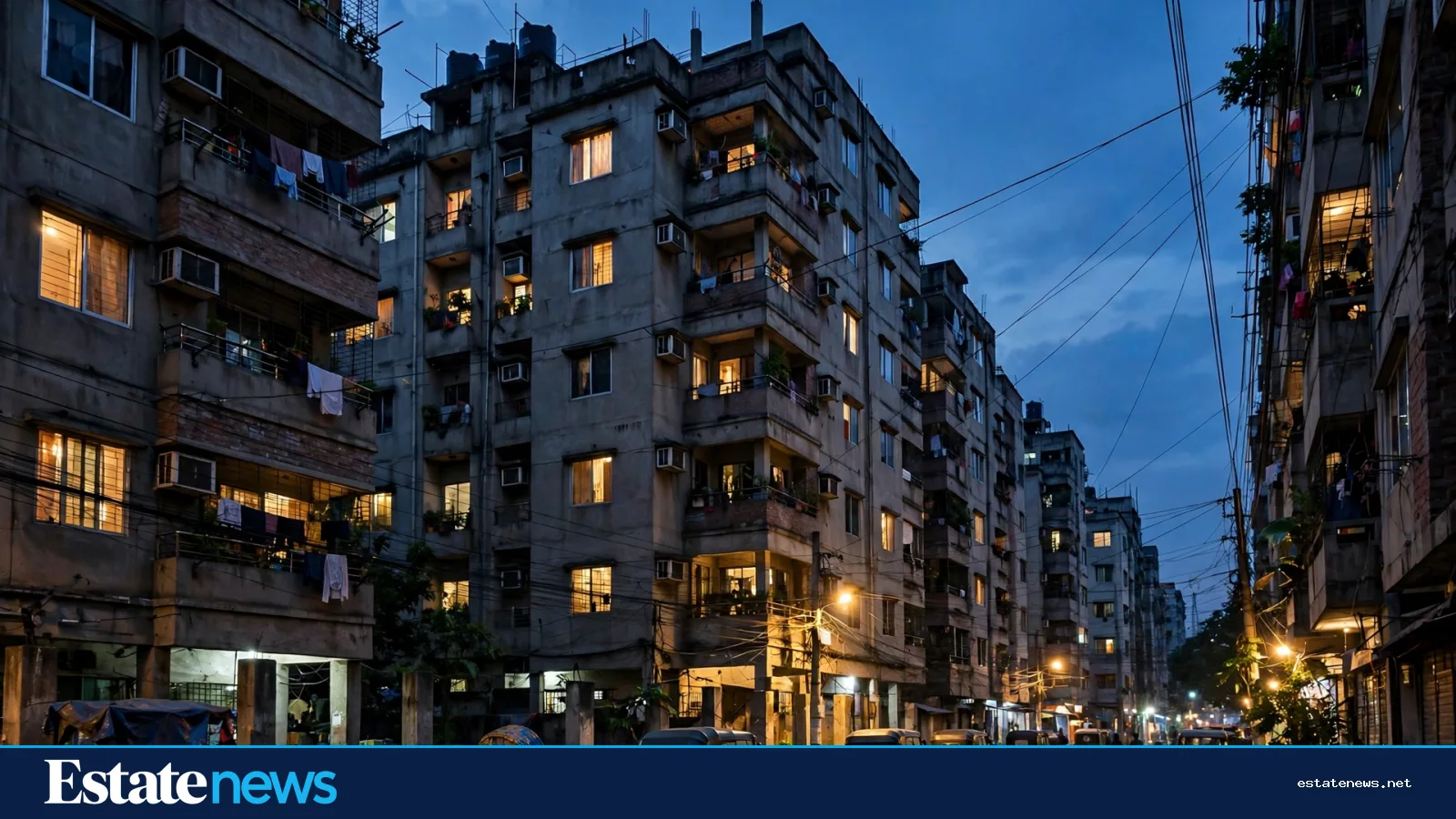
Most of Dhaka's housing grows one plot at a time. A developer buys a small parcel, puts up a building, sells the flats, and moves on. The street, the drainage, the park, the school and the market are somebody else's problem, to be solved later or not at all. Lake City Concord reversed that order. The roads, the open ground, the water body and the shared facilities were part of the original plan, and the apartments were fitted inside it.
That order matters more than any single amenity list. A family choosing a flat here was not only choosing a floor plan. They were choosing a walk to school that did not cross a highway, a shop they could reach on foot, and a lake edge where children could play within sight of home. For buyers who had grown up in Dhaka's older neighbourhoods, where those things existed by accident of history, the township offered them by design. For buyers arriving from outside the city, it offered a ready-made version of the settled neighbourhood they were looking for.
Concord's own account of the project stresses the same point. The company describes Lake City Concord as a city within a city, built to ease pressure on Dhaka's centre by giving families a suburban life with modern amenities. The company's wider record gives that claim context: Concord Real Estate says it has handed over more than 10,000 residential and commercial units across more than 1,200 projects over its history, and its current work leans toward high-end homes in Gulshan, Banani and Baridhara, as The Business Standard reported when the group marked 51 years in July 2026. Lake City sits at the other end of that story, the mass township that proved the company could build at scale for ordinary families, not only for the premium market.
What 4,000 homes in one place actually teaches
Scale changes a housing project in ways that are easy to miss from a brochure. With more than 4,000 apartments, a township generates its own demand for shops, transport, tuition, clinics and repair services. A single building cannot support a supermarket. A township can. A single building's residents' committee struggles to maintain a park. A township's shared management has a reason to keep its lake edge clean, because every flat's daily view depends on it.
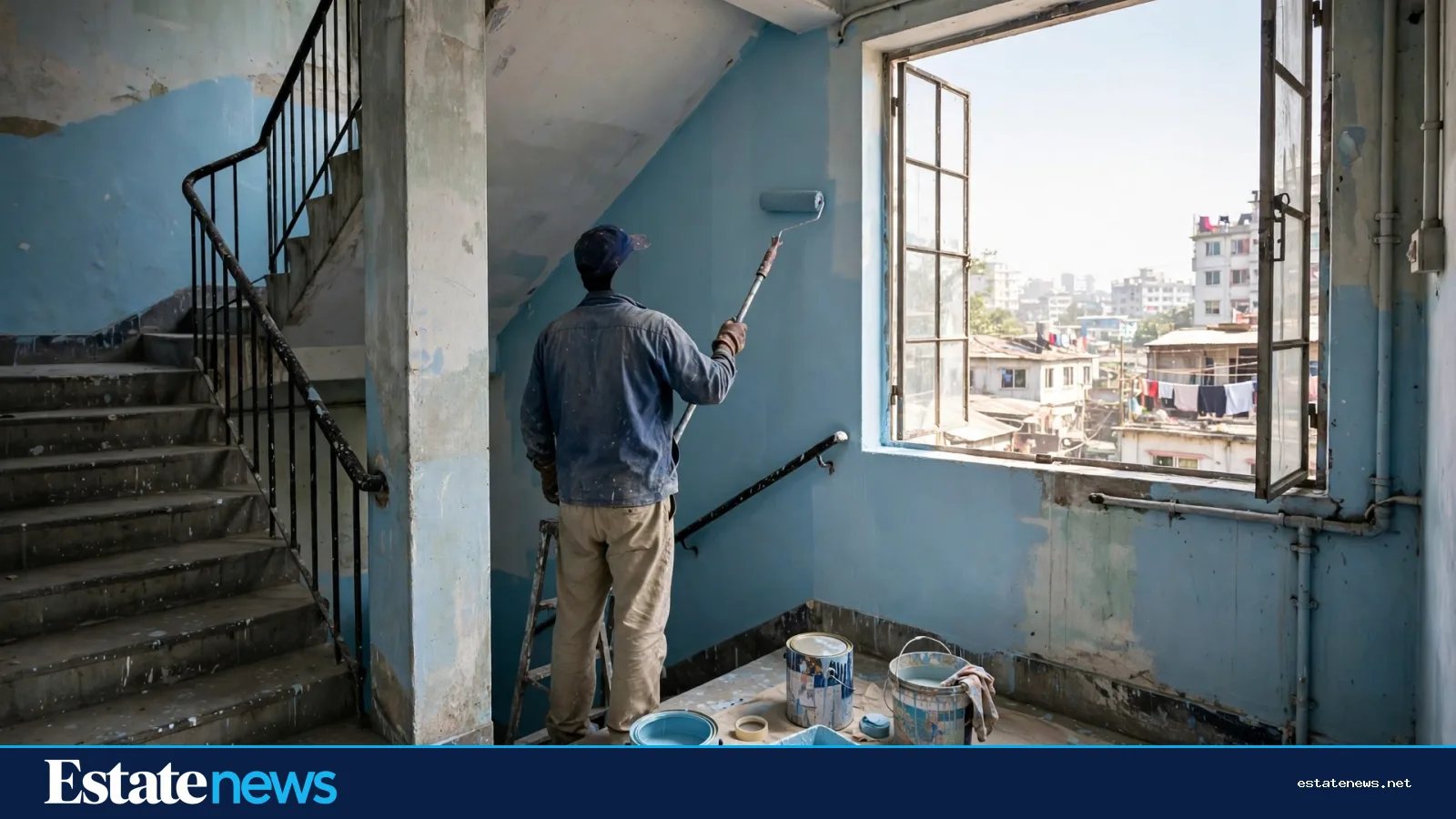
There is a harder lesson in the same scale. A township is only as good as its upkeep. Shared spaces need steady management, honest service charges and residents willing to hold the management to account. Lakes silt up. Playgrounds wear out. Security routines go slack when nobody checks them. The townships that age well are the ones where residents organise early, keep records, and treat common property as their own. Buyers looking at any large community today, in Khilkhet or anywhere else, should ask how that upkeep works in practice: who collects the charges, what they cover, and what happens when a lift or a pump fails on a Friday night.


The green claim, and how to test it
Concord says more than 60 percent of Lake City Concord is open green space, and the company links the township to an environmental first: buildings constructed without burnt clay bricks, using hollow blocks and related methods, an approach the company says contributed to a national move away from traditional clay bricks and earned it a National Environment Award from the government. Those are company claims, and a careful buyer treats them as a starting point for questions, not as a verdict.
The same long view applies to construction. Concord says Lake City was the first project to use RCBM, a reinforced concrete block masonry method it describes as more earthquake resistant. A buyer cannot verify a structural method from a walkway, and should not pretend otherwise. What a buyer can do is ask for the building's documents, check the age and condition of common structures, and take an engineer's advice before buying in any older high-rise, township or single tower alike.
Why Khilkhet, and why it still matters
Khilkhet sits between Dhaka's established north and the planned expanse of Purbachal, close to the airport road and to Uttara's commercial life. When Lake City was planned, that position was part of the argument: far enough from the centre to build at scale, close enough to reach jobs, schools and hospitals without a punishing commute. The township's later history has tested that argument in both directions. As the north of the city filled in, Khilkhet's connections improved. As traffic grew everywhere, the value of having shops, a school and a mosque inside the gate only rose.
That is the part of the Lake City story that Dhaka's newer projects should take seriously. A township does not succeed because it is large. It succeeds because the distance between a home and daily life is short. The current fashion for high-end towers in Gulshan, Banani and Baridhara serves a different buyer, and serves them well. But the city's larger need is still the one Lake City addressed: complete, affordable, well-managed neighbourhoods where a middle-class family can settle for twenty years and watch children grow up beside the same lake.
The standard to judge the next township by
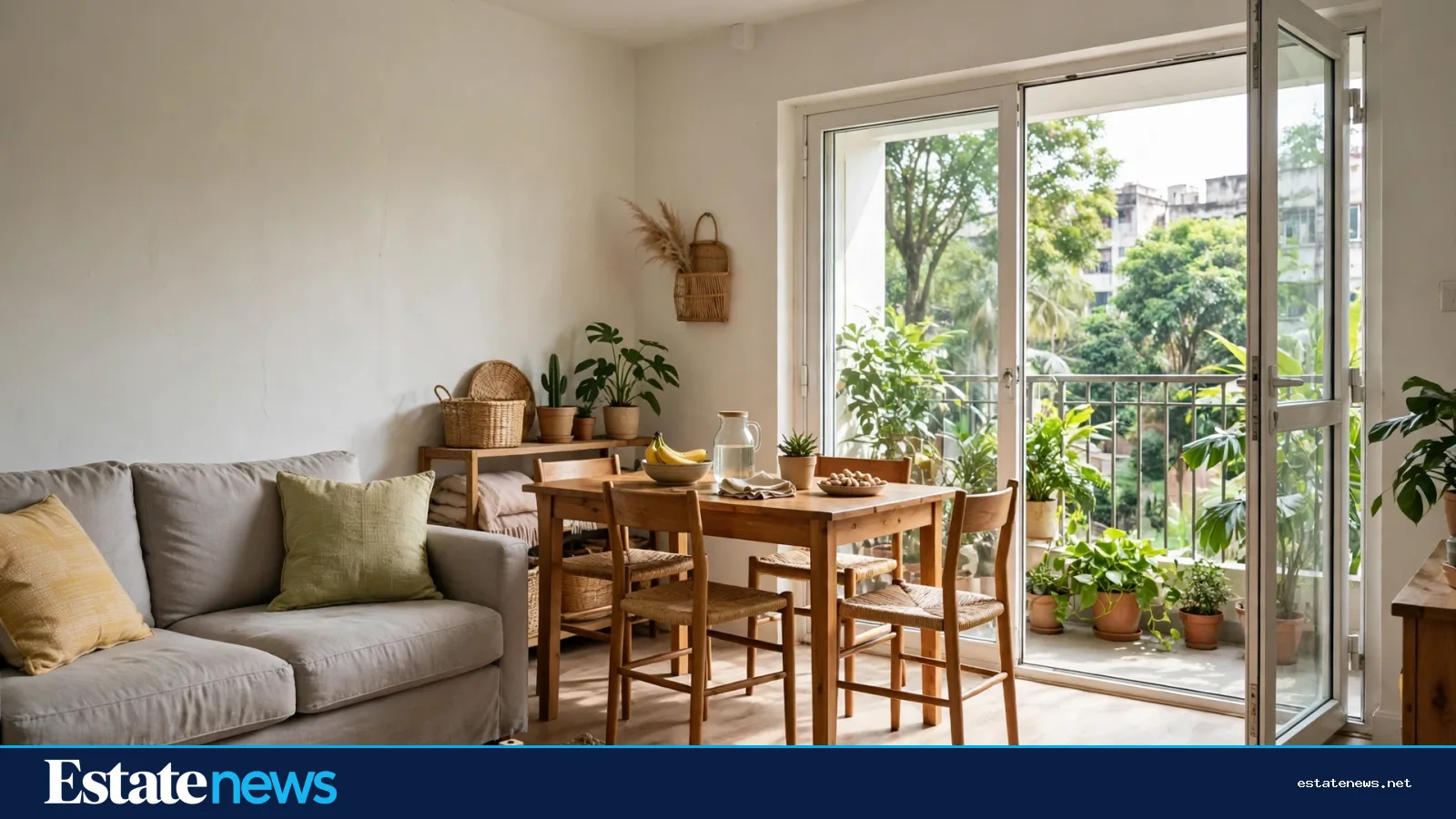
Dhaka will keep announcing townships. Some will be genuine attempts at complete neighbourhoods. Others will be a few towers with a gate and a marketing name. Lake City Concord gives buyers a plain way to tell the difference, and it has nothing to do with slogans.
Ask what share of the land is truly open and usable, and who maintains it. Ask whether the school, the shops and the prayer space exist already or are promised for later. Ask how many families already live there, and how the place has aged through monsoons and dry seasons. Ask what the monthly cost of keeping it all running comes to, and whether residents have a real say in it. A project that answers those questions with buildings you can walk through, rather than pictures of buildings to come, is following the Lake City pattern in the way that counts.
At dusk in Khilkhet, none of that is abstract. It is the bicycle path, the shop still open, the child asleep on a father's shoulder, and the lights coming on across the water. A township earns its name when those ordinary evenings keep happening, year after year, without anybody needing to explain why the place was built. Lake City Concord earned its place in Dhaka's housing history by making that ordinary evening possible at a scale the city had not tried before. The next township that manages the same thing, for the next generation of families, will not need a grand claim either. Its residents will make the case for it, simply by staying.