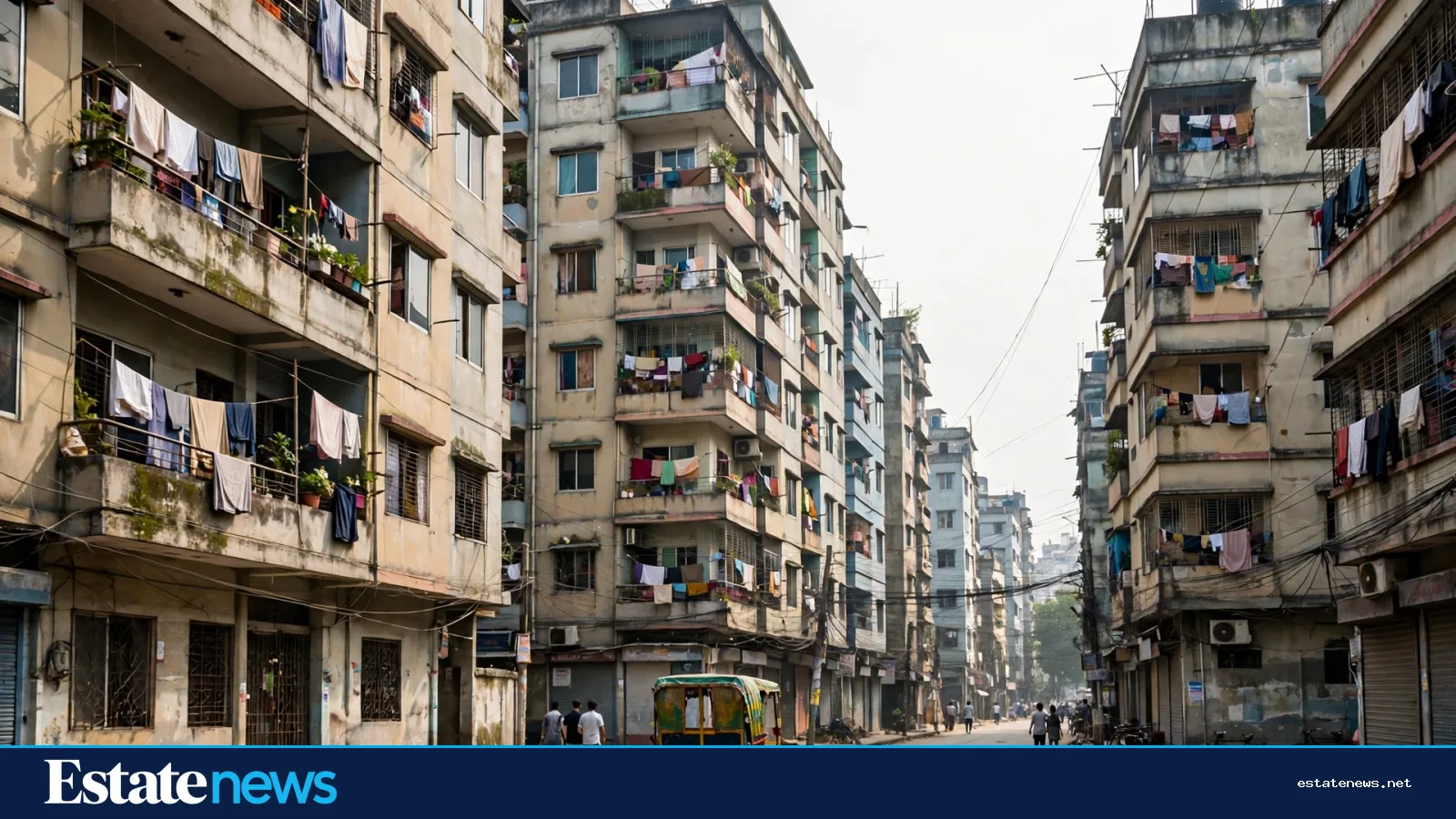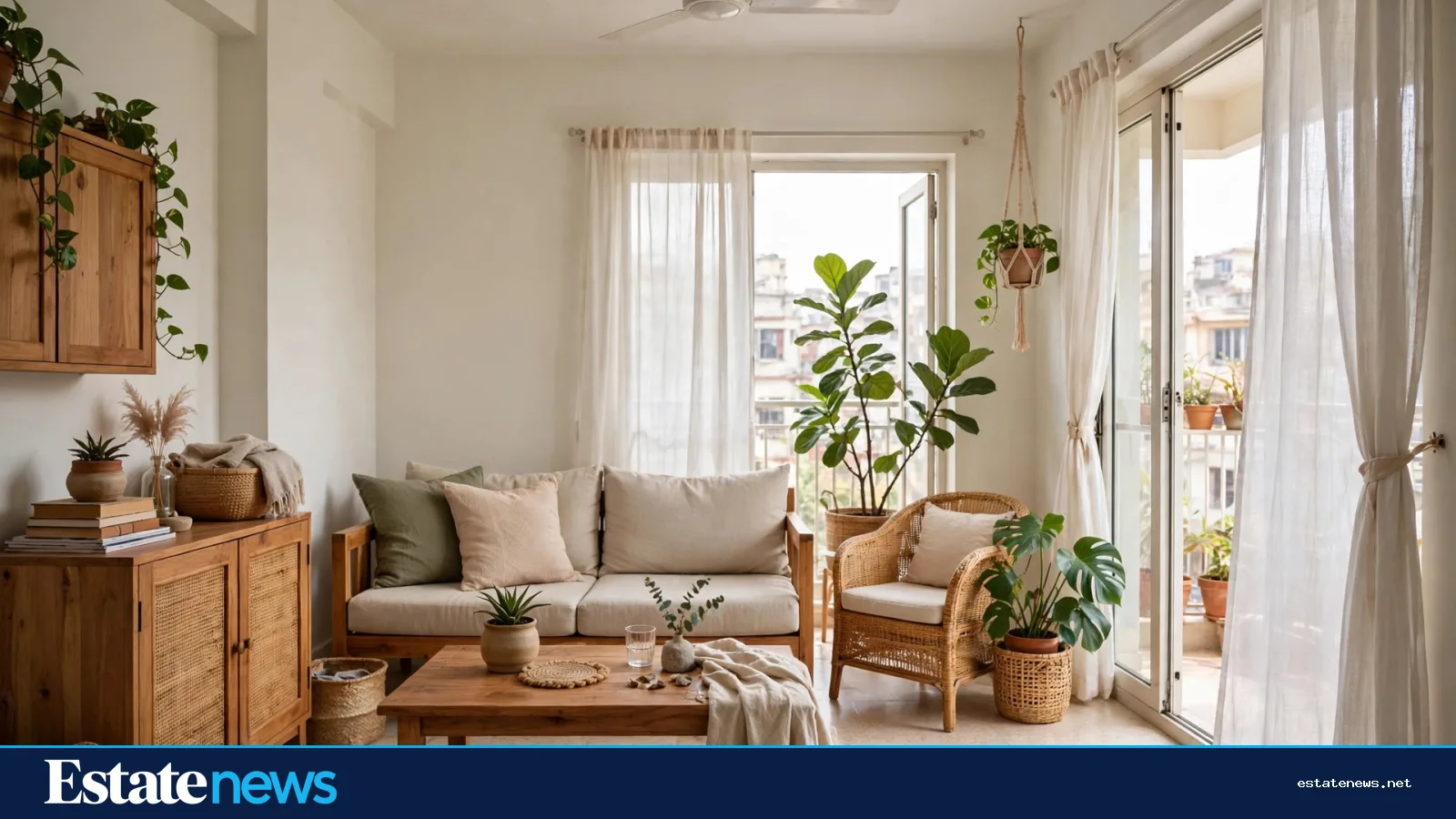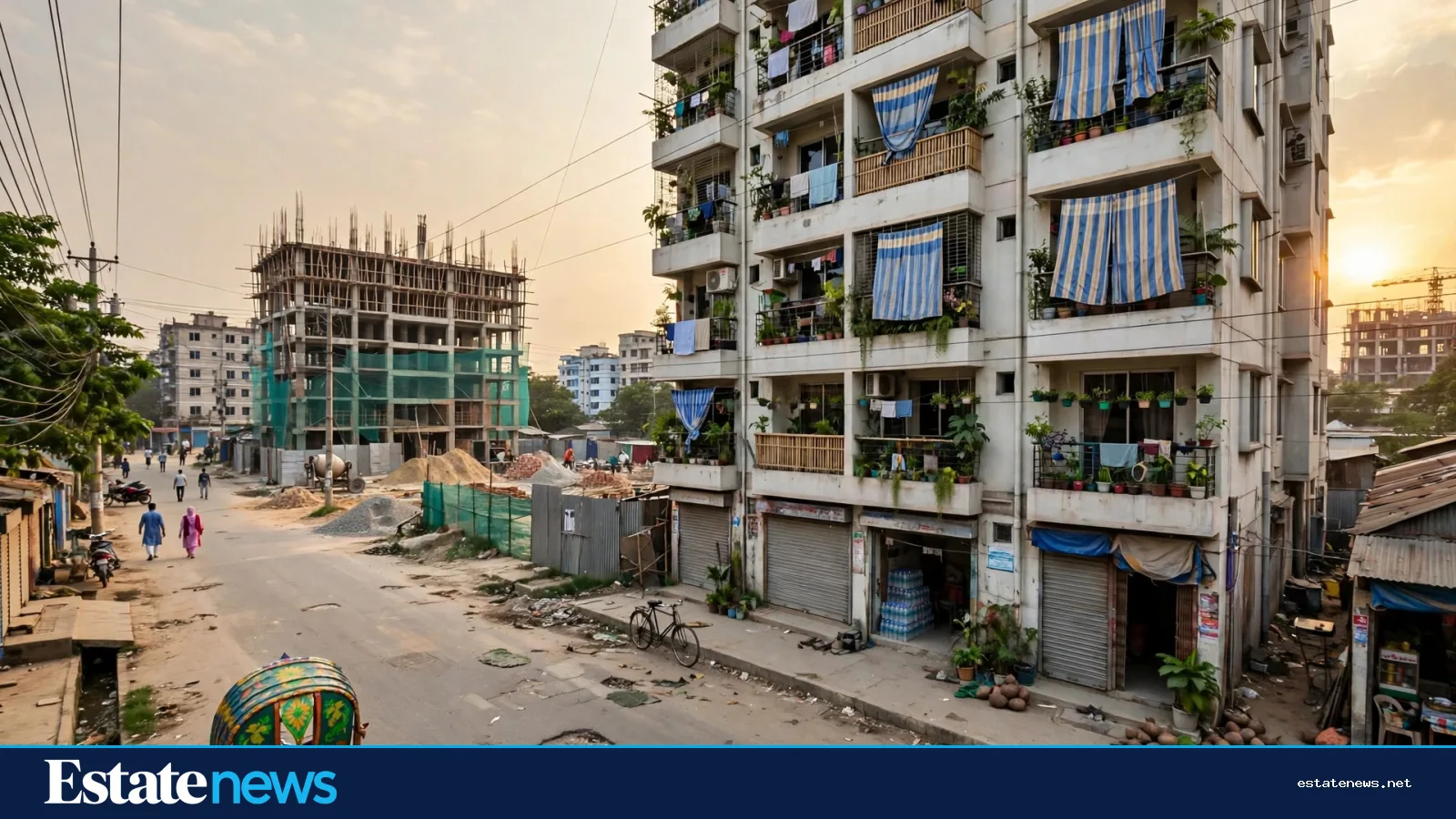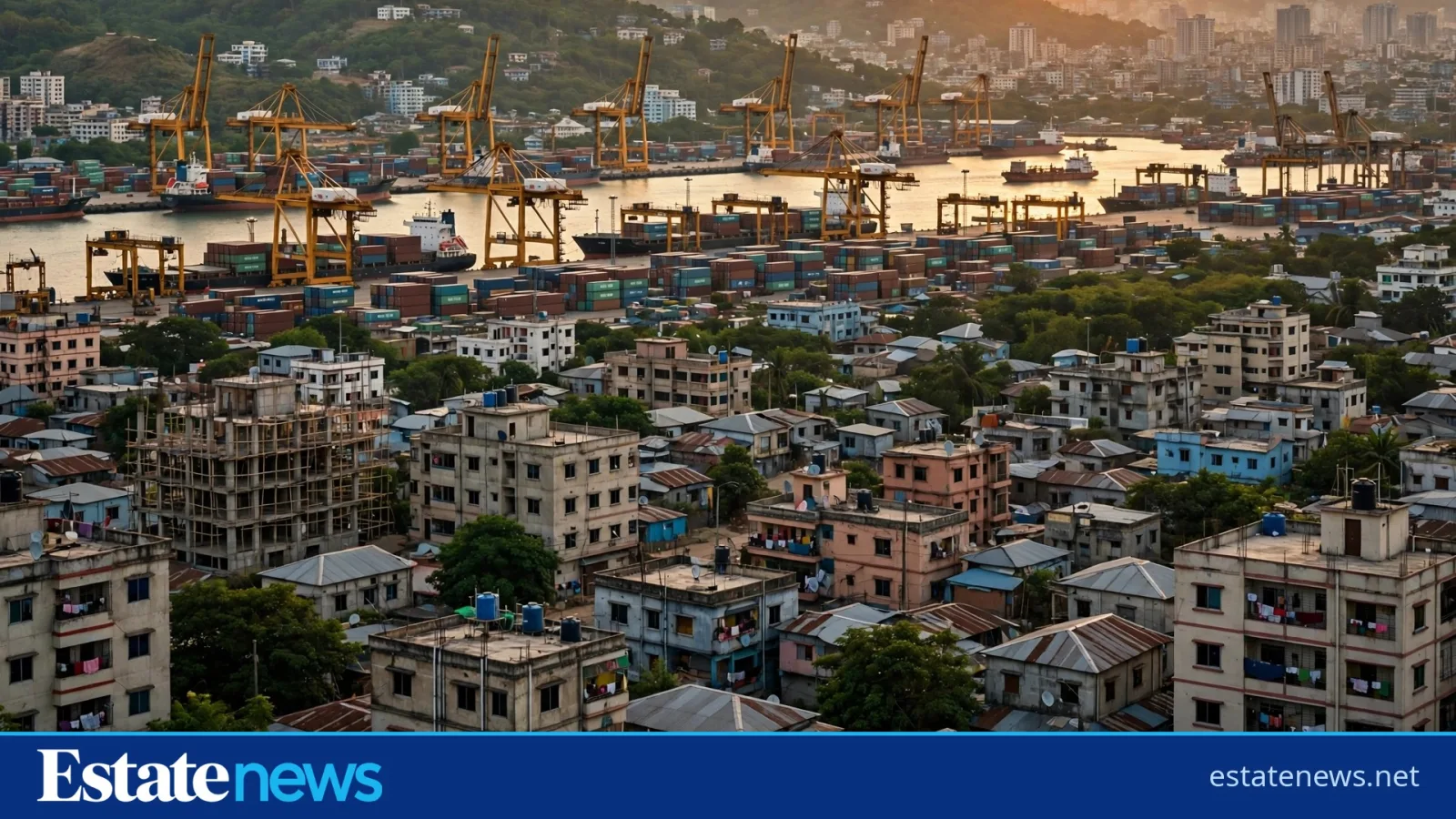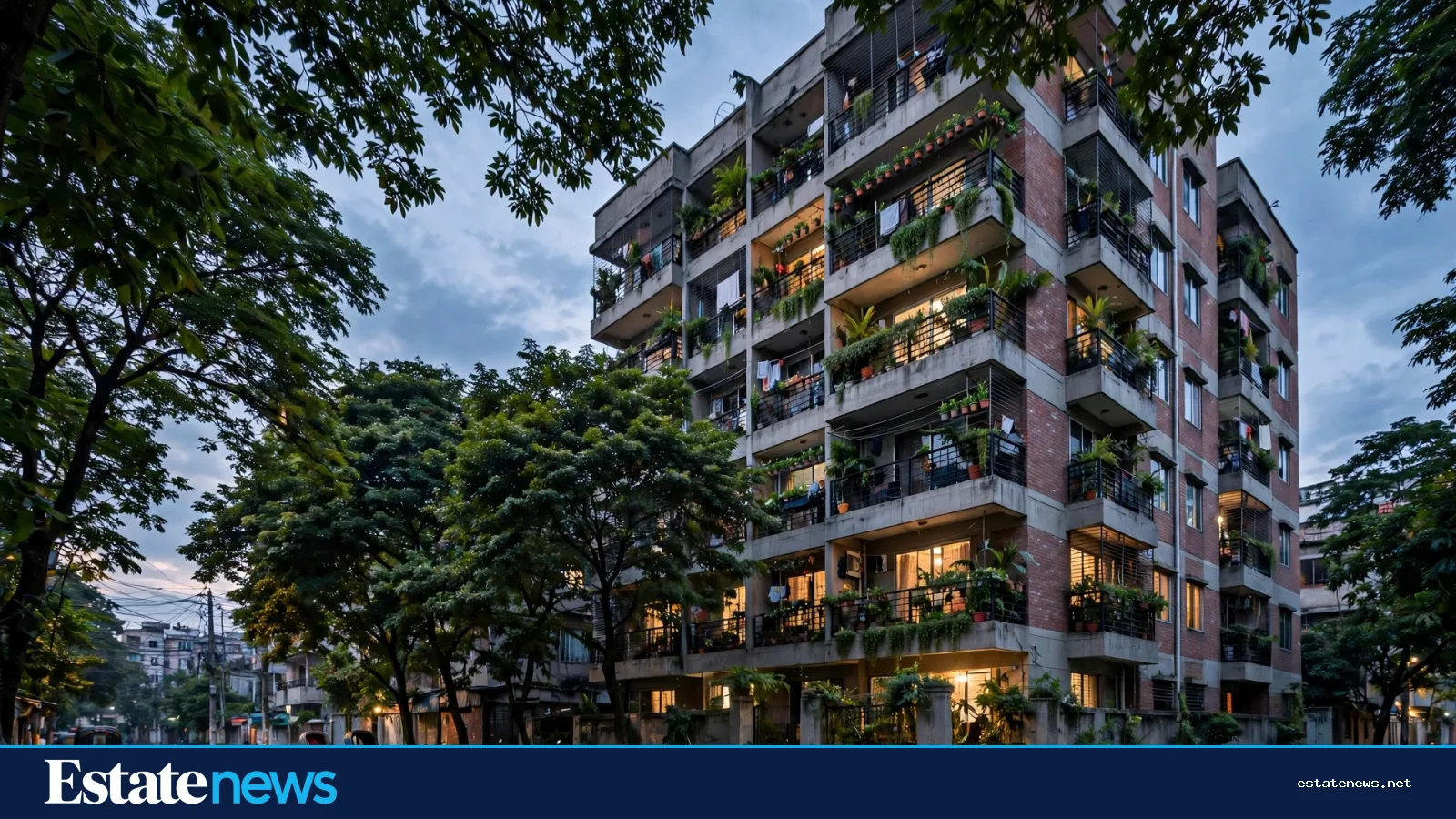
The light goes on first in the kitchen. Then in a bedroom, then in another flat two floors up, until the whole building reads as a place where people already live. Downstairs, the gate opens for a returning car, a lift hums, and the stairwell carries the sounds of an evening — footsteps, a television behind a door, a conversation fading down a corridor. Nothing here is being imagined from a brochure. The home is finished, the building is running, and a buyer can stand in the actual rooms and decide.
That is the quiet appeal of a ready apartment, and it is an appeal that has grown stronger as Dhaka's housing market has grown more cautious. An under-construction flat asks a buyer to trust a timeline, a floor plan on paper, and a promise about finishes. A ready flat asks for something simpler and harder to fake: walk through it, test it, and judge it as it is.
It is in this part of the market — finished homes in established neighbourhoods — that Sheltech has built its name. The company, founded in 1988 according to its own published history, is one of Dhaka's long-standing developers, and its projects, according to the company's own site and reputable coverage, span Dhanmondi, Banani, Uttara and Bashundhara R/A in Dhaka, as well as Khulshi and Panchlaish in Chattogram. Its premium line is presented by the company as the Sapphire Series, and its work includes a cluster at Jolshiri Abashon. The company was the Diamond sponsor of the REHAB Fair 2025, a position that reflects its standing within the industry body rather than a judgement on any single project.

What a finished home lets a buyer see
The advantage of a ready flat is not glamour. It is evidence. A buyer can check the size of the rooms against the floor plan, rather than trusting the plan alone. Daylight can be judged at different hours, not assumed from a south-facing label. The lift can be ridden, the water pressure tested, the parking bay walked to, and the view from the balcony seen for what it actually is — including whatever the neighbouring building blocks.
The building around the flat can be judged in the same way. A well-run building announces itself: a clean staircase, a working generator, a lift with a maintenance record, a guard who knows the residents. A poorly run building announces itself too, in the small failures that accumulate — a dark corridor, a broken intercom, a service charge that nobody can explain. In a ready building, both kinds of evidence are available before money changes hands, which is why careful buyers prize them.
There is also a financial clarity to a ready home. The buyer knows the flat exists, the building is complete, and a bank can inspect and value a tangible property. Under Bangladesh Bank's housing finance framework, banks generally lend up to 70 per cent of a property's value, leaving the buyer to provide the rest. A completed property removes one layer of uncertainty from valuation and lending — but not the need to check total cost, since registration, loan charges, furnishing and service charges all sit on top of the price.
The neighbourhoods behind the name
Sheltech's footprint, as described by the company itself, reads as a map of Dhaka's established residential demand. Dhanmondi and Banani are older, denser, amenity-rich neighbourhoods where buyers tend to value schools, hospitals, markets and short commutes over novelty. Uttara and Bashundhara R/A offer a different proposition: planned layouts, wider roads and newer building stock, attractive to families who want space and order and are willing to travel further into the city. In Chattogram, Khulshi and Panchlaish occupy a similar position — established, well-serviced residential areas close to the city's commercial life.
That geography matters because a developer's reputation is, in practice, a neighbourhood reputation repeated many times. A buyer judges not only the flat in front of them, but what they have heard about the developer's earlier buildings nearby — handovers, maintenance, and whether buildings still look cared for years later. A company founded in 1988 leaves a long trail of such evidence, giving buyers more to check and the developer more to live up to.
The company's Sapphire Series, as presented by Sheltech, is its premium line — larger, more finished homes aimed at buyers who want a higher specification. The claim to premium status is the company's own, and a buyer should test it in the same practical way as any other claim: by looking at the fittings, the finishes, the size of the rooms and the quality of the common areas, and by comparing them with other premium flats at a similar asking price in the same neighbourhood. A premium label is a description, not a guarantee.


Why ready stock rewards patience
There is a temptation to read a ready flat that is still available as a flat nobody wanted. Sometimes that is true. Often, it is not. A flat may have only recently been completed, or recently released for sale. It may be priced above comparable transactions in the same building. It may have an awkward layout, a difficult facing, or a floor that narrows its buyer pool. Or it may simply be waiting in a slow market, where financed buyers — facing instalments shaped by high borrowing costs — take longer to commit.
For the buyer, the useful question is therefore specific: how long has this flat been available, has its price changed, and how does it compare with asking prices and, where they can be established, transactions for similar flats nearby? Estate News' area tracker puts late-October asking medians at Tk 20,000 per sq ft in both Gulshan and Dhanmondi, Tk 13,888 in Banani, Tk 12,500 in Uttara, Tk 9,865 in Bashundhara R/A and Tk 8,700 in Mirpur. Those are asking medians — what sellers ask, not what buyers paid — useful as a starting point for comparison, not as a valuation of any single flat.
Construction costs frame the same comparison from the other side. The site's tracker records published-range midpoints of Tk 97,000 per tonne for rod and Tk 505 per bag for cement. Those are input costs, not a price per square foot, and they do not by themselves determine what a flat should cost — land, finance, approvals and developer margin all intervene. But they help explain why developers are reluctant to cut asking prices sharply even when sales are slow: the cost base behind a finished building has already been spent.
The checks that still matter
A ready flat reduces risk; it does not remove it. The checks a buyer should make are, if anything, more concrete because they can be made in person.
First, the papers: title, deed chain, mutation and approvals, checked by the buyer's own lawyer rather than taken on the seller's word. Second, the building: lift maintenance, generator, water supply, parking allocation and the service-charge schedule, with a clear answer to who manages the building and what happens when an owner defaults. Third, the flat itself, visited more than once and at different times of day, so that light, noise and traffic are judged from experience rather than from a single viewing. Fourth, the full cost, including registration and loan charges, so that the monthly instalment is weighed alongside the charges that continue after the keys change hands.
None of this diminishes the appeal of the finished home. It is what makes the appeal real. The evening scene at the start of this story — lights coming on, a building settling into ordinary life — is only reassuring if the building behind it is sound, the papers are clean and the price reflects comparable evidence. When those conditions hold, a ready apartment offers something Dhaka's market does not always offer: a decision made on what is there, not on what is promised.
That is a modest promise, and that is its strength. In a city where housing is most families' largest purchase, a home that can be seen and tested before it is bought may be the most premium quality of all.
This article is informational only and is not financial advice. Buyers should confirm loan terms, charges and legal documents with their bank and lawyer before committing.
Follow Estate News on Facebook for daily property, market and money updates: https://www.facebook.com/profile.php?id=61593817347872