Walk through two flats on the same weekend and the contrast can be puzzling. One has a queue of viewers and an offer within days. The other, advertised for months, draws polite interest and no commitment. The flats may be in the same part of the city and even at similar asking prices. The difference usually lies in a handful of factors that buyers notice quickly, even if sellers do not.
The first factor is price relative to comparable transactions, not relative to the seller's hopes. Buyers check similar flats in the same building and street, ask banks for valuations and talk to agents with recent sales nearby. A flat priced even modestly above that range will be passed over, because buyers can see a better-value alternative.
Asking prices and transaction prices differ: one is a starting point, the other is the sum actually paid. Sellers who anchor on the highest asking price in the area, rather than on what comparable homes actually sold for, often wait longest.

Readiness removes doubt
The second factor is readiness. A ready flat can be inspected and imagined as a home immediately. A flat needing substantial work — a leaking bathroom, a broken lift, unfinished common areas — asks the buyer to take on risk and cost that are hard to price. Most buyers, especially those using a bank loan, prefer certainty and will discount heavily for its absence.
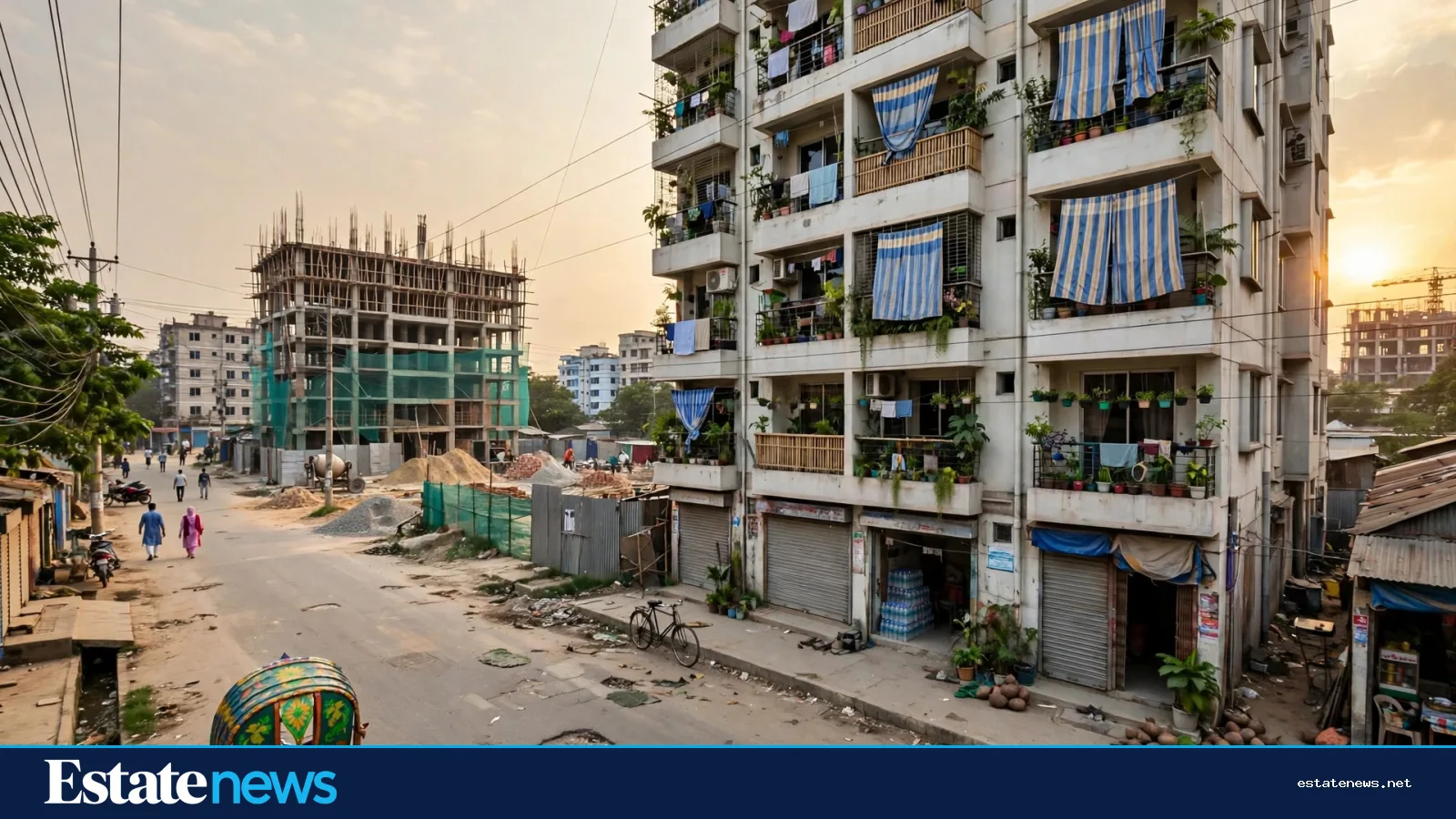
Readiness is not only about the flat itself. The building matters. A functioning lift, reliable water supply, a working generator, clean stairwells and clear parking arrangements all signal that the building will be manageable after purchase. A building with unresolved management problems signals the opposite: future disputes, rising service charges and difficulty reselling. Buyers notice these things on a first visit, often before they notice the kitchen fittings.
Documentation is part of readiness too: clear title papers and records a bank accepts without delay will move a sale faster than a slow paper trail.
Location, layout and light
Location works in specific ways, not as a general label. Buyers value short, predictable journeys to work, school and services, a street that feels safe after dark, and a building set back enough from heavy traffic. A flat in a well-known area but on a congested, noisy stretch may sell more slowly than one a few streets away.
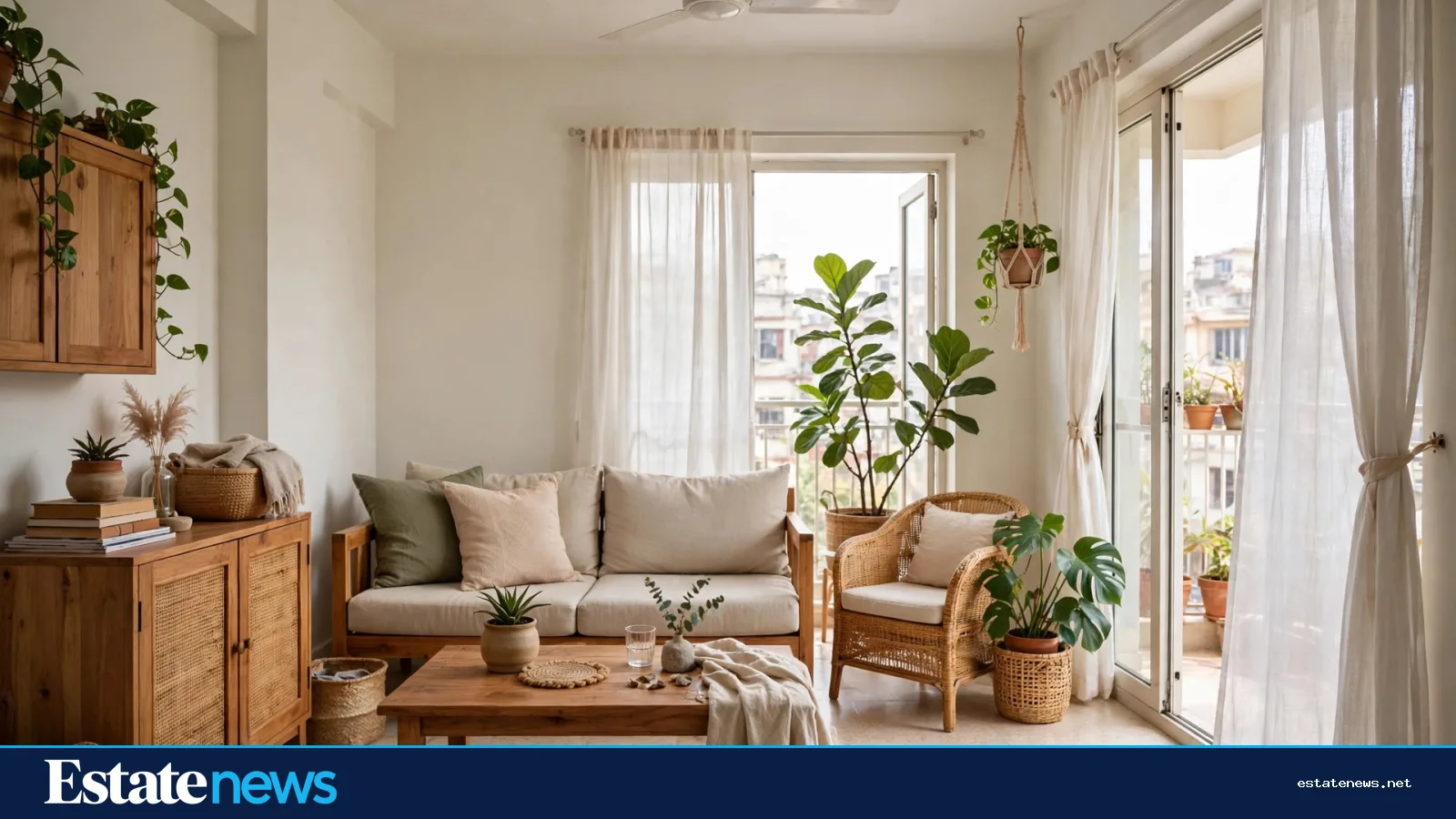
Inside the flat, layout often decides the sale. A compact flat with a sensible plan will outperform a larger one with wasted corridors and a dark central room. Light matters enormously: a flat that receives daylight through the day feels larger and is easier to live in, while one depending on artificial light at noon raises questions a buyer cannot easily dismiss.
Floor and facing also narrow the buyer pool — a heat-exposed top floor, a damp ground floor or a flat facing a blank wall will all sell only at a price that reflects the drawback.
Presentation is not decoration alone
Presentation is often dismissed as cosmetic, but it affects how buyers judge everything else. A clean, decluttered, freshly painted flat allows a viewer to see space and light. A cluttered or poorly lit flat hides both and invites the viewer to imagine problems. Small repairs — a dripping tap, a cracked tile, a sticking door — carry weight beyond their cost, because buyers read them as clues about how the home has been maintained.
For sellers, modest honest preparation — neutral paint, working fixtures, clear floors, disclosed defects — usually pays better than a large renovation that pushes the price above comparable transactions.
The finance filter
Underlying all of this is finance. Under Bangladesh Bank's housing finance framework, banks generally lend up to 70 per cent of a property's value, leaving the buyer to provide about 30 per cent. With home loan rates reported in 2026 typically around 11.5 to 13.5 per cent at many lenders, the monthly instalment is the real budget constraint for most salaried buyers. A flat that fits the instalment budget will attract financed buyers. A flat that does not will depend on cash buyers, a much smaller group.
The flat that sells in weeks usually passes every filter at once: priced near recent transactions, ready to occupy, well documented, sensibly laid out, in a manageable building and within a financed buyer's budget. The flat that sits for months usually fails one or more of those tests.
A home sells quickly when a buyer can see the value, trust the papers and afford the monthly payment — all at the same time.
A practical reading for buyers and sellers
Buyers can use this pattern as a checklist: how long has the flat been advertised, and has its price changed? How does it compare with recent transactions nearby? Is the building well managed, and will a bank lend on it? Does the layout work for daily life, not just photographs? If several answers are weak, the price should reflect that — or the buyer should keep looking.
Sellers can use the same checklist in reverse. If a flat has not sold, waiting longer at the same price rarely changes the outcome; a price aligned with comparable transactions, minor repairs and clear documents usually do more.
No article can predict how long any single flat will take to sell. But across Dhaka, homes that are fairly priced, ready, well documented and easy to live in find buyers; homes asking buyers to overlook price, condition or paperwork ask for patience the market does not always give.
This article is informational only and is not financial advice. Buyers and sellers should confirm loan terms and legal documents with their bank and lawyer.
Follow Estate News on Facebook for daily property, market and money updates: https://www.facebook.com/profile.php?id=61593817347872