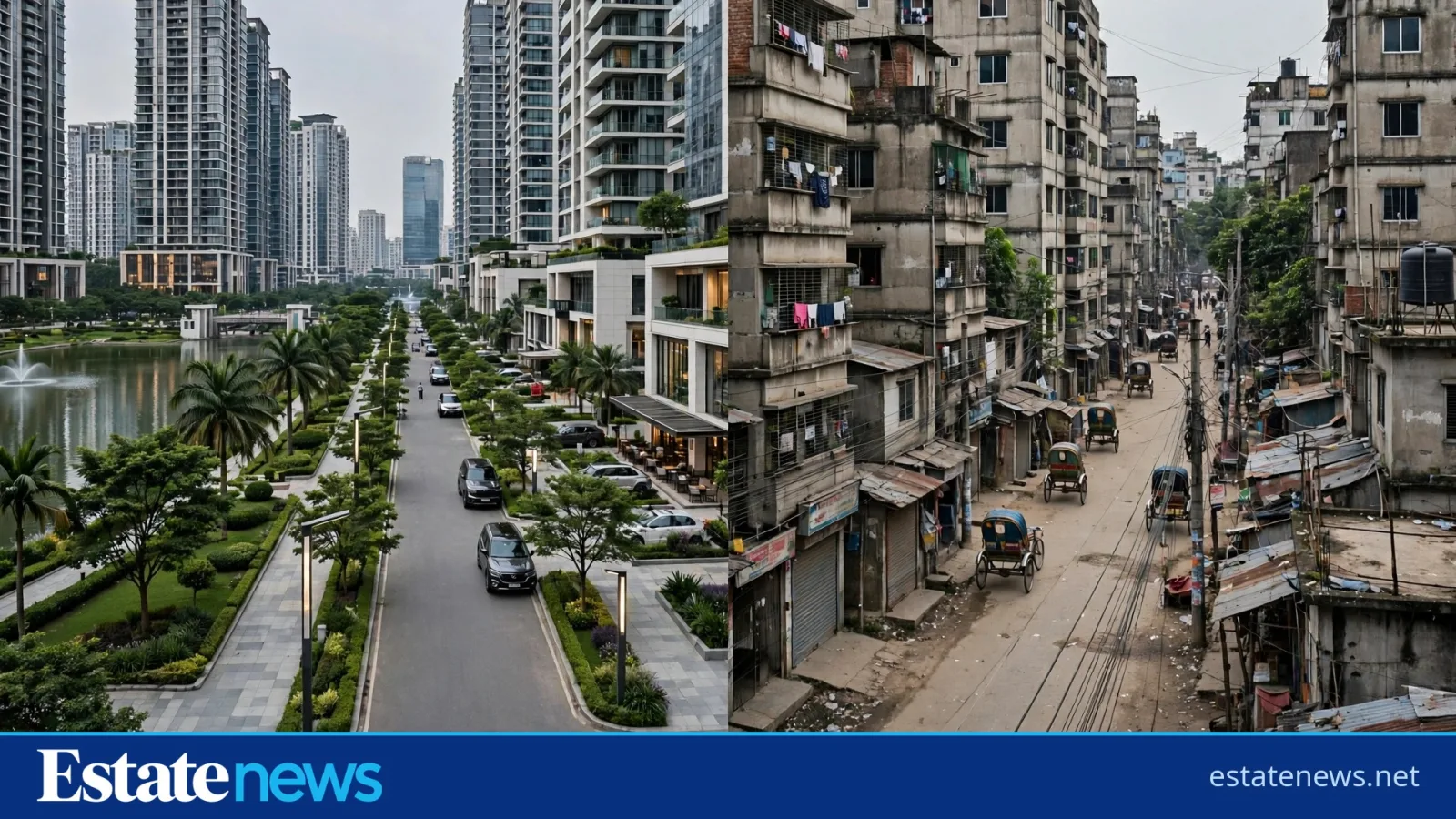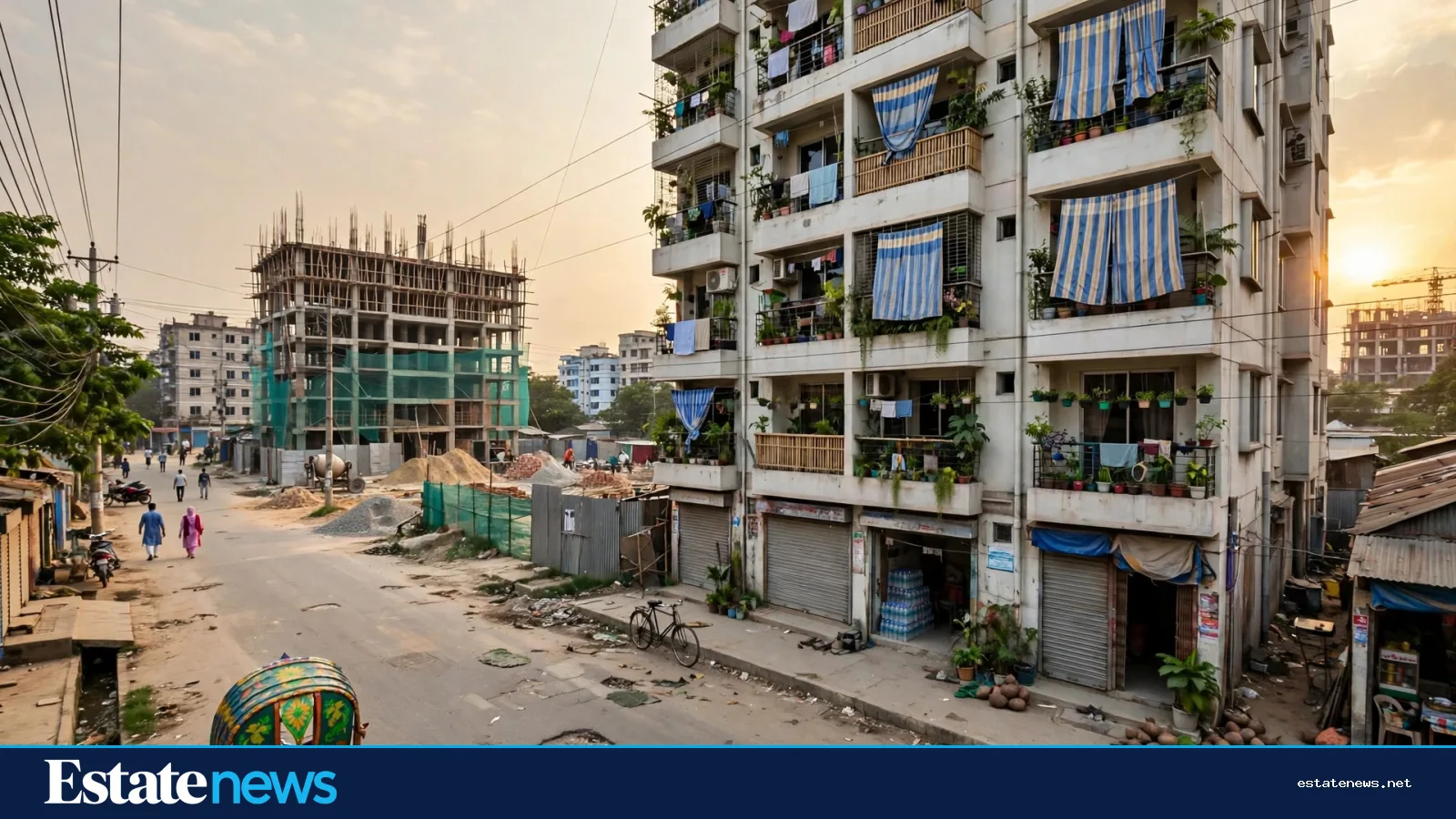
Every housing market has a shelf. In Dhaka, that shelf is the stock of completed flats that are ready to move into but have not yet found a buyer. Estate agents call them ready stock. Developers call them inventory. For a buyer, the distinction matters less than the question behind it: why is this particular flat still available?
A ready flat is, in one sense, the safest purchase in the market. The buyer can walk through the actual rooms, check the light at different times of day, test the water pressure, look at the lift, the parking and the staircase, and see whether the building next door blocks the view. There is no brochure to interpret and no completion date to trust. That visibility is valuable, and it is one reason ready flats often command attention even when their asking prices look firm.
Yet availability alone tells a buyer very little. A flat may be newly completed and barely marketed, priced above comparable sales, poorly laid out, or simply caught in a slow market. The same label — unsold — covers all of these.

Why ready stock builds up
The first driver is price. When construction costs, land costs and finance costs all rise together, developers face a difficult choice. Cutting the asking price protects cash flow by moving stock, but it also reduces the margin on a project that may already be tight. Holding the price protects the margin on paper, but only if a buyer eventually pays it. In a slow market, holding tends to win in the short term, and stock accumulates quietly, one unsold flat at a time.
The second driver is finance. Under Bangladesh Bank's housing finance framework, banks generally finance up to 70 per cent of a property's value, with the buyer providing the remaining 30 per cent. The monthly instalment — not just the headline price — therefore decides affordability. Industry reporting in 2026 has put typical home loan rates at about 11.5 to 13.5 per cent, a level at which instalments absorb a large share of a salaried household's income.
What an overhang does — and does not — signal
A growing stock of ready flats does not automatically mean prices are about to fall sharply. Developers with strong balance sheets can wait. They can rent out unsold units, phase their marketing, or hold stock until finance conditions ease. Developers under cash pressure cannot wait so easily, and they are more likely to negotiate — on price, on payment schedules, on included fittings, or on registration and handover terms.
For buyers, the useful question is therefore not "is there an overhang?" but "whose overhang is this?" A single unsold flat in an otherwise sold-out building is a different proposition from a building where half the flats remain unsold a year after completion. The first may reflect one awkward unit. The second may reflect pricing, quality or management problems that will affect every owner in the building, including through service charges and resale prospects.
Buyers should also separate asking prices from transaction prices. An asking price is what a seller hopes to receive; a transaction price is what a buyer actually paid. Two flats advertised at the same price may sell for quite different sums.
In a slow market, the asking price is an opening position, not a verdict on what a home is worth.
How to read a ready flat before you buy
Start with time. Ask how long the flat has been on the market and how long the building has been complete. A short marketing period is normal. A long one deserves a direct question: has the price changed, and if so, by how much?
Next, compare like with like. Look at completed sales or current asking prices for flats of similar size, floor and facing in the same building and the same neighbourhood. Adjust for differences — a south-facing flat, a corner unit, a flat away from a busy road — rather than assuming all flats in an area are equal.
Then examine the building, not just the flat. Check the lift maintenance record, the generator, the water supply, the parking allocation and the service charge. Ask who manages the building and what happens if an owner defaults on charges. A ready flat in a poorly managed building can cost more over five years than a slightly more expensive flat in a well-run one.
Developer strength matters too: ask about earlier projects, handover record and whether a bank will lend on the building without difficulty. Finally, run the full cost, not just the instalment — registration, loan charges, connections, furnishing and service charges all sit on top of the price.
What this means for the months ahead
No figure here should be read as a price forecast. On current finance conditions, ready stock will clear fastest where price, size, location and building quality line up with what financed buyers can pay each month.
For a buyer, a slow market rewards patience, comparison and documentation checks. The best question to ask about any ready flat is simple: if this flat is good value, why is it still here?
This article is informational only and is not financial advice. Buyers should confirm loan terms, charges and legal documents with their bank and lawyer before committing.
Follow Estate News on Facebook for daily property, market and money updates: https://www.facebook.com/profile.php?id=61593817347872