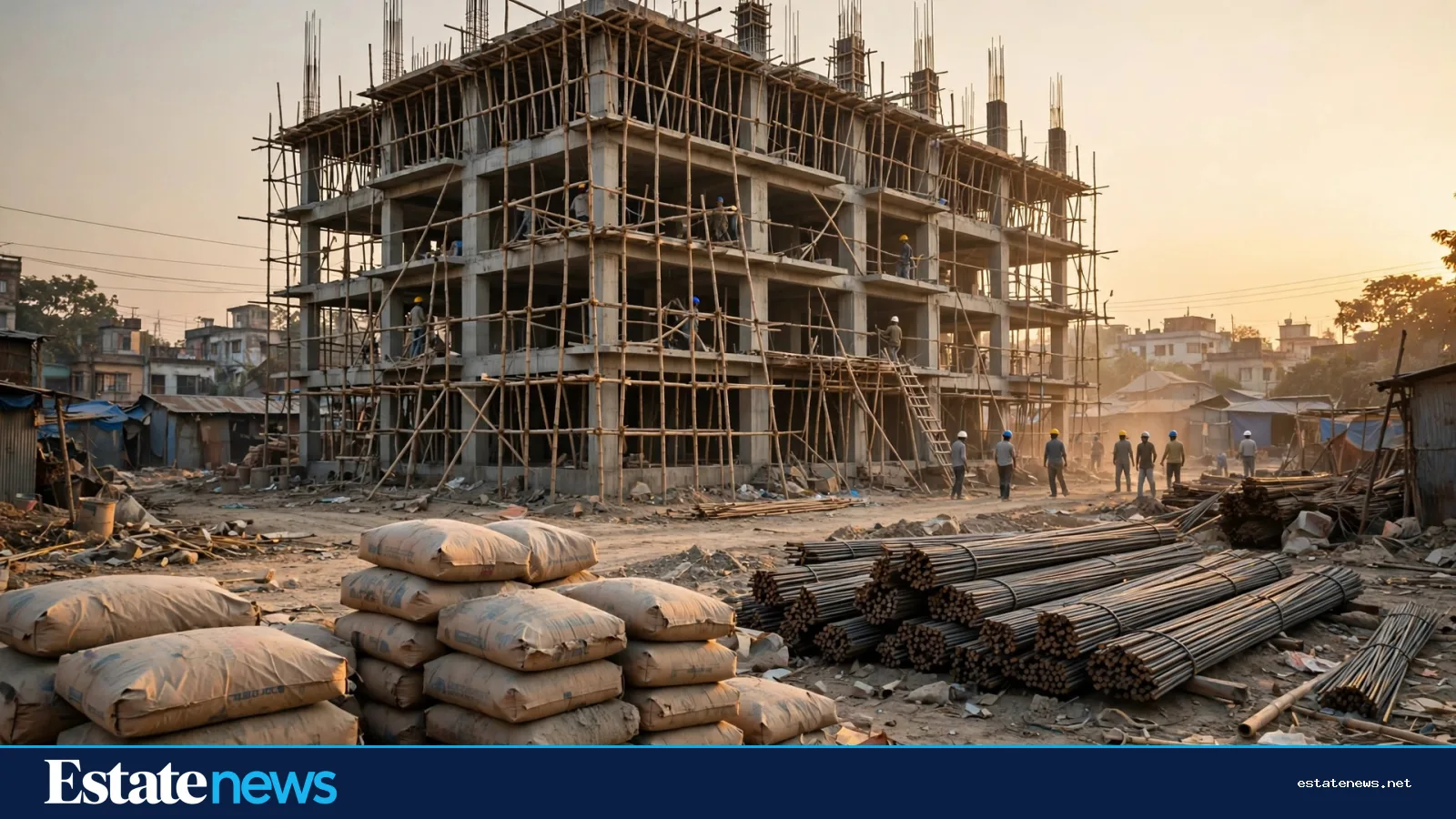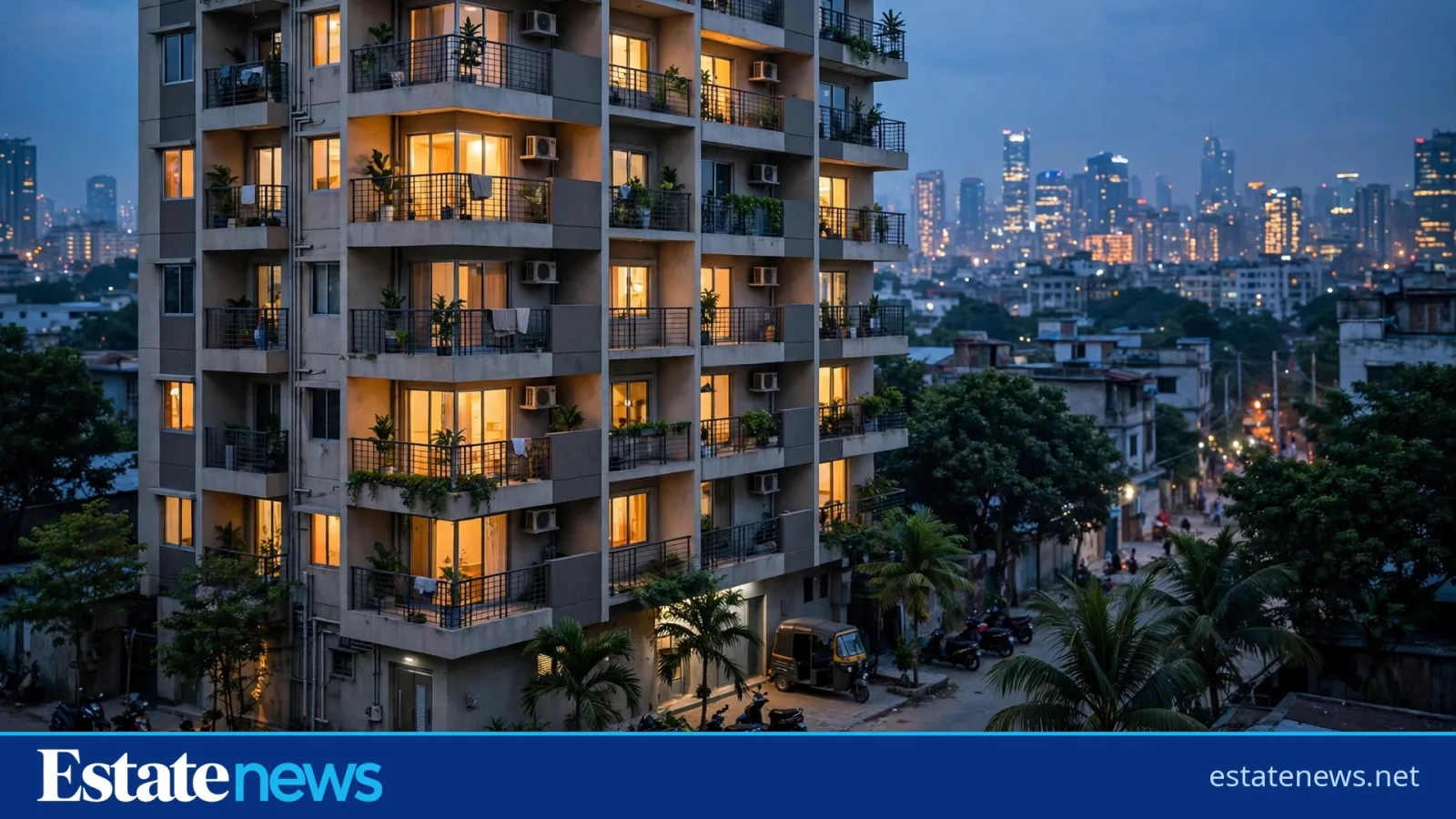
In Dhaka, a large share of apartment buildings rise on land the developer never bought. The landowner keeps the land, the developer finances and builds, and when the building is complete the two sides divide the flats between them. This is the joint venture — or JV — model, and it is one of the main engines of the city's housing supply. It suits both sides in principle: the landowner avoids the cost and trouble of building, and the developer avoids tying up capital in land. But the model's fairness depends almost entirely on a single number, agreed before a single brick is laid: the sharing ratio.
How the ratio is worked out
The logic is straightforward. Each side's contribution is valued — the land on one side, and the cost of construction, approvals, finance, marketing and sales on the other — and the completed building is divided roughly in proportion. Land in a prime location is worth more, so the landowner's share rises. A taller, more expensive building costs more to construct, so the developer's share rises. One Dhaka developer's published 2025 guide gives indicative ranges: for luxury high-rise apartments, a landowner share of 25 to 35 per cent; for mid-range apartments, 30 to 40 per cent; and for budget apartments, 40 to 50 per cent, with the developer taking the remainder. These are indicative market guides, not fixed rules — the actual ratio in any project depends on land value, location, construction cost and the developer's track record. Established developers, whose delivery buyers trust, can sometimes agree a slightly lower landowner share; newer developers may have to offer more to attract a landowner.

The ratio is usually expressed in built-up area rather than in a number of flats, and the allocation matters as much as the percentage. Which floors, which facing, which sizes — a landowner with 35 per cent of a building made up of small, poorly lit flats has a worse deal than one with 30 per cent of well-sized, well-facing ones. Developers' own landowner guides note that floor distribution is settled by mutual understanding, and that the landowner should weigh the size, floor and marketability of the specific flats offered, not just the headline percentage.
Signing money and the developer's obligations
In many agreements the developer also pays the landowner "signing money" — an upfront amount paid when the agreement is signed — and the landowner grants the developer a power of attorney to obtain approvals and sell the developer's share of flats. The developer normally takes responsibility for design approval from RAJUK or the local authority, construction, quality and the timeline. The landowner's main obligations are to deliver clear title, hand over possession of the land, and sign the documents needed for approvals and for the sale of flats, including the undivided share of land that accompanies each flat.
This division of labour is the model's strength and its risk. The landowner has no construction cost, but also no direct control over the build. The developer controls the project, but carries the financing and market risk: if flat sales slow or material prices jump, the developer's margin absorbs the shock first.
What each side risks
For the landowner, the worst outcomes are delay, poor construction quality, and a developer that stalls or disappears mid-project. Because the land has been handed over, the landowner cannot simply walk away and start again without a legal fight. Disputes over title are another danger: if the land is mortgaged, disputed among heirs, or subject to acquisition proceedings, the whole project can freeze.
For the developer, the risks are different. A landowner who delays signing documents or demands renegotiation after approvals can hold up sales. Rising material costs — cement at Tk 540 to Tk 580 a bag and higher-quality rod at Tk 92,500 to Tk 94,500 a tonne in October 2026 market reporting — squeeze margins on fixed sale prices. And if buyers lose confidence in a delayed project, sales slow, which tightens the developer's cash flow further.
Contract points to check before signing
Whether you are the landowner or a buyer purchasing a flat in a JV project, the same checklist applies:
- The ratio in writing, with the flats identified. The agreement should name the specific flats, floors, sizes and parking spaces each side receives, not just a percentage.
- A handover timeline with consequences. A completion date, a grace period, and what happens on delay — including compensation — should be stated plainly.
- Approval responsibility and a start deadline. Who obtains RAJUK approval, and by when must construction start? An agreement with no start deadline can sit idle for years.
- Quality and specification. The materials, fittings and finishes promised should be listed, so that "standard" cannot later mean something cheaper.
- Sale and signing mechanics. How the landowner's share is transferred, who signs sale deeds, and how the undivided land share is handled should all be spelled out.
- Termination and dispute clauses. What happens if either side fails to perform, and whether disputes go to arbitration or to court, matters most exactly when the relationship has broken down.
- Title verification. For buyers, the landowner-developer agreement itself is a document worth asking about: it shows who owns what share and whether the developer actually has the right to sell the flat on offer.
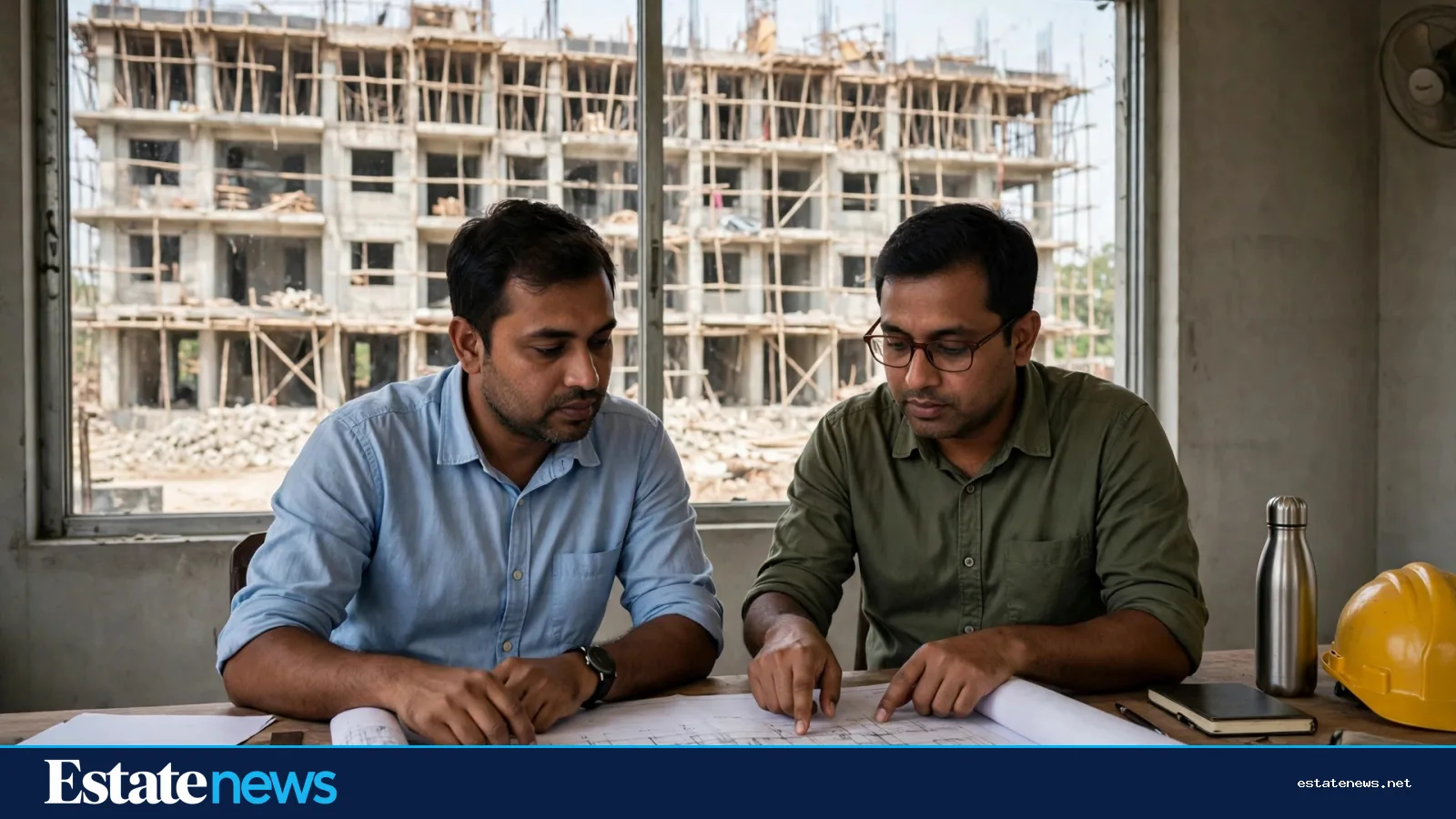
A joint venture works when both sides have priced their contribution honestly and written down what happens when things go wrong. The ratio is the headline, but the contract is the deal. Anyone entering one — landowner, developer or buyer — should have it read by an independent lawyer before signing, not after the first delay.
Follow Estate News on Facebook for daily property, market and money updates: https://www.facebook.com/profile.php?id=61593817347872