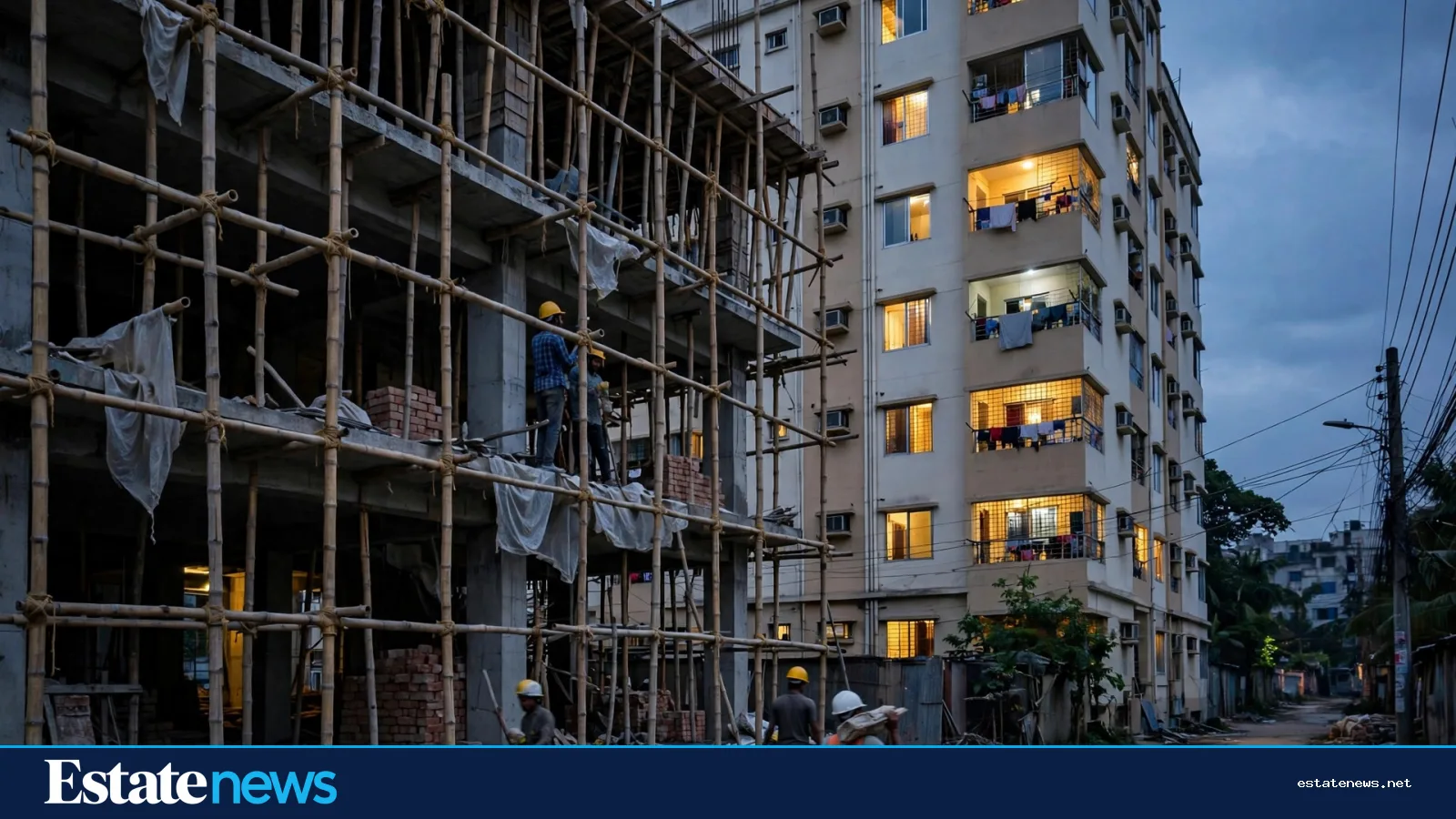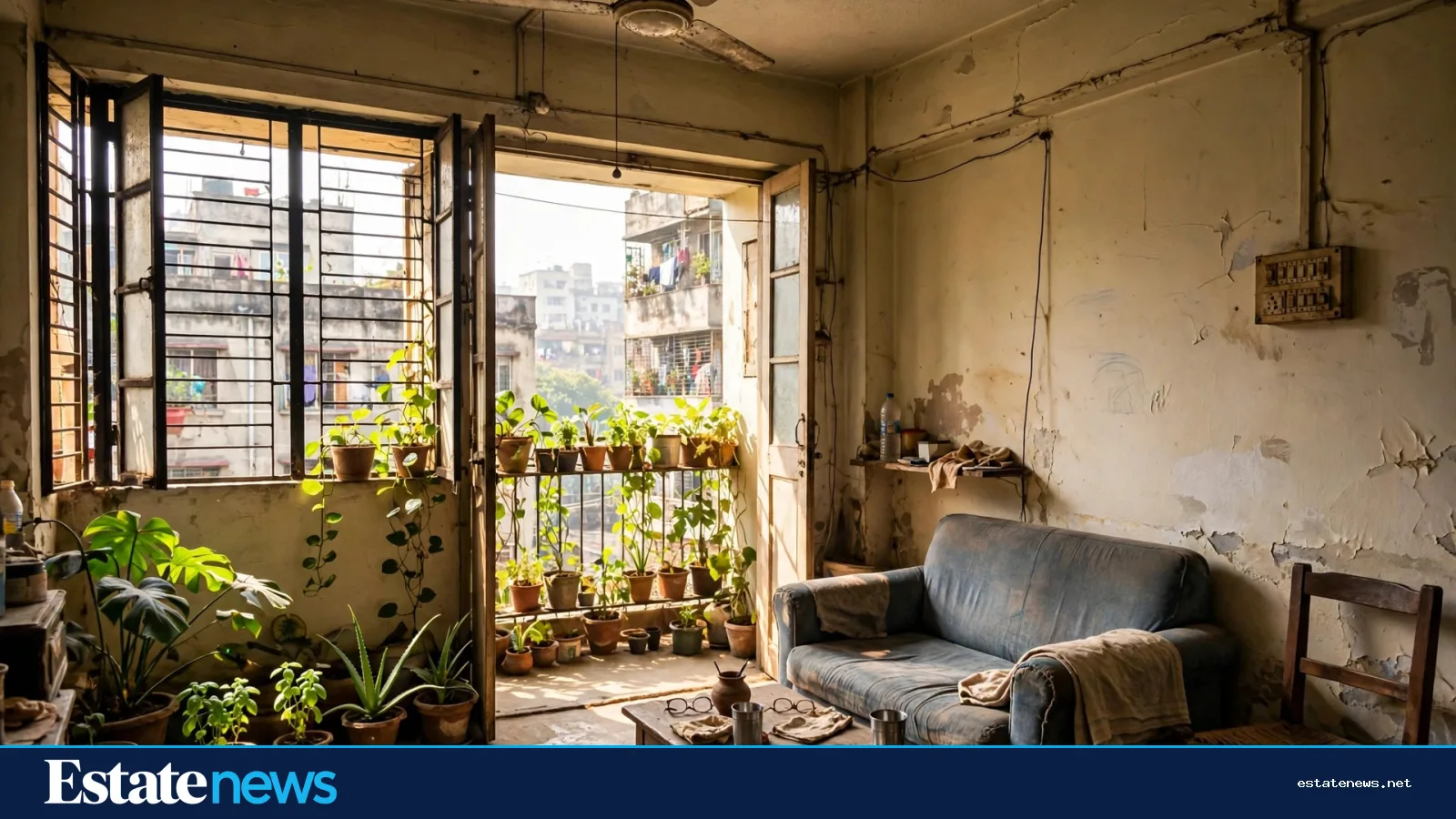
Ask a Dhaka flat owner what their home is worth and the answer usually starts with what they paid, plus what a neighbour's flat was advertised for. Neither is a resale price. A resale price is what a real buyer, with a bank's valuation and a lawyer's checklist, will actually pay — which is why two flats in the same building can sell for noticeably different amounts.
Dhaka has no public register of completed resale transaction prices, so this article makes no claim about average appreciation. What follows is the set of factors buyers, banks and lawyers consistently weigh, drawn from published buying guides and legal checklists.
1. Location — but at street level, not area level

"Gulshan" or "Mirpur" is too coarse to price a flat. Within one area, a flat on a wide road near a metro station, a good school or a hospital faces a different market from a flat deep inside narrow lanes with poor drainage and no parking access. Guides consistently point to road width, transport access and neighbourhood services as value factors — but this article claims no measured premium for any single feature, because no transaction dataset publicly supports one. Treat any agent who quotes a precise percentage premium for a metro station or a new road as offering an opinion, not a fact.
What location does reliably do is set the size of the buyer pool. A flat in an area where many households want to live — for work, schooling or family reasons — will find a buyer faster. Speed matters: a flat that must sell quickly usually sells cheaper.
2. Documentation — the factor that can kill a sale outright
This is the least glamorous factor and the most decisive. Published legal checklists for Bangladesh agree on the core documents a buyer and their lawyer will demand: the land title deed and its chain of prior deeds, the khatian (record of rights), the mutation record showing the seller in government records, up-to-date land and municipal tax receipts, the RAJUK-approved building plan, and a non-encumbrance certificate. Where the seller inherited the flat, inheritance and partition papers matter; where a developer sold it, the developer–landowner agreement and power of attorney matter.
Two warnings recur: RAJUK approval alone does not prove ownership — it confirms planning permission, not title. And an unregistered or unmutated flat may not sell to a bank-financed buyer at all, which removes most of the market.
Sellers who keep their papers complete, mutated and tax-paid are not doing paperwork for its own sake. They are protecting the resale price.
3. Age and condition — depreciation is real, even in a rising market
Buildings age, and buyers price that in. A ten-year-old flat with original fittings, stained walls, ageing plumbing and a lift that breaks down reads very differently from a ten-year-old flat in a building whose owners' association has maintained the structure, repainted common areas and replaced failing systems. Individual flats also age: kitchens, bathrooms and wiring date fastest, and a buyer will deduct renovation costs from their offer.
Well-located, well-maintained older flats often sell well, precisely because their buildings have proved themselves. What hurts is visible neglect: damp, cracks, broken common facilities and unpaid service charges. Selective renovation — a sound bathroom, fresh paint, working fixtures — usually recovers more than leaving everything to the buyer's imagination.
4. Developer reputation and building management
The developer's name follows a flat for its whole life. Buyers ask how the developer's other projects were delivered, whether handover was on time, and how defects were handled. A developer known for delays or disputes will find its flats discounted on resale, because the next buyer inherits the building's reputation along with its walls.
After handover, the owners' association takes over: buildings with transparent accounts and a reserve for major repairs hold value better than informally run ones, where each repair becomes a dispute.
5. Size and layout — the resale pool
A flat's resale value depends on how many people can imagine living in it. Mid-sized family flats — roughly 1,000 to 1,500 square feet with three bedrooms or a flexible two-bedroom layout — appeal to the broadest pool of Dhaka buyers, including bank-financed families. Very large flats appeal to fewer buyers, and very small or awkwardly laid-out flats can struggle despite a lower total price, because the buyer pool narrows.
What sellers can actually control
A seller cannot move their building to a better street. They can, however, do the things that protect value before listing:
- Complete mutation and keep land and municipal tax receipts current.
- Gather the full document file — deed chain, khatian, approved plan, non-encumbrance certificate — before advertising.
- Fix visible defects and refresh paint and fittings rather than hiding problems.
- Clear service-charge arrears and document the building's maintenance record.
- Price from comparable asking prices in the same building and street, remembering asking prices are not sale prices — an overpriced flat that sits for months often sells below a realistic first price.
Resale value is the sum of a location people want, papers a bank will accept, a building that has been looked after, and a size many households can use. Get the papers wrong and no location will save the sale.
This article is informational only and is not financial advice.
Follow Estate News on Facebook for daily property, market and money updates: https://www.facebook.com/profile.php?id=61593817347872