Walk into any Dhaka developer's sales office and you will usually be offered two prices for what looks like the same flat: a lower one if you book while the building is still going up, and a higher one once it is ready to move into. Published buying guides for Dhaka put the gap at roughly 20 to 25 per cent in some areas — for example, one Uttara guide lists under-construction flats at about Tk 6,000–9,500 per square foot against Tk 8,500–14,000 for ready new flats. The exact gap varies by area, developer and stage of construction, and it should always be confirmed project by project. But the pattern is consistent: the earlier you commit, the less you pay per square foot.
The question is what that discount is actually paying for. It is not a gift. It is compensation for risks the buyer takes on, and a buyer who cannot name those risks should not take the discount.
What a ready flat buys you

A ready flat can be walked through, measured, knocked on and lived in — at least in principle — soon after purchase. You can see the light in the afternoon, hear the noise from the road, test the water pressure and check whether the finishing matches the brochure. Guides for first-time buyers commonly note that a ready purchase typically takes one to three months from signing to registration, while an under-construction purchase can take one to three years from booking to handover, depending on the developer and the project.
A ready flat also removes the largest single uncertainty in Dhaka buying: whether the building will be finished on time, to the promised standard, at all. A completed building has lifts that run and neighbours who can tell you how the developer behaves after handover. That information is worth money, which is why ready flats command a premium.
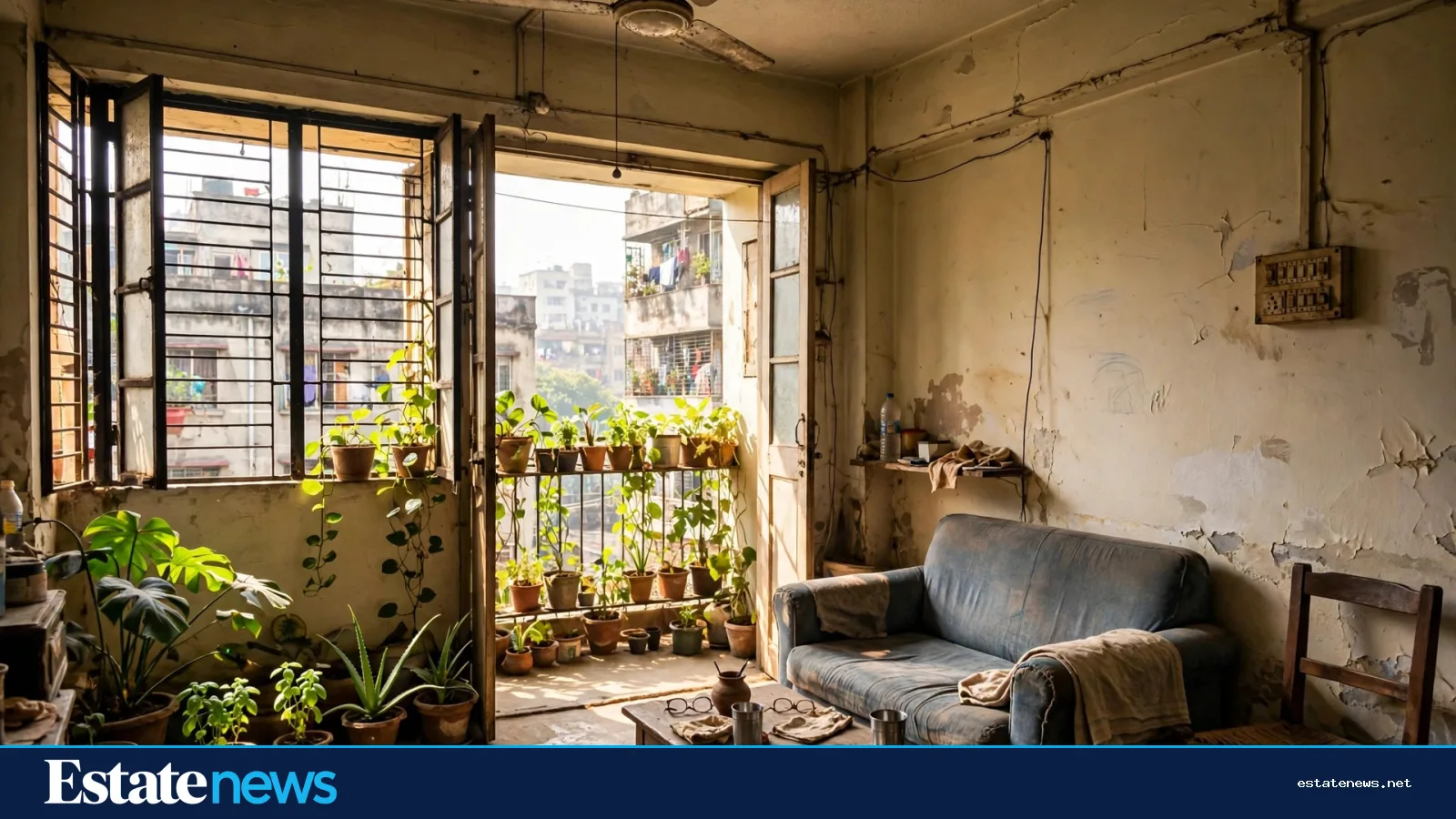
The premium has a price, though. Ready buyers usually pay more per square foot, pay the full amount (or a large loan) sooner, and have less choice of floor and facing, since the best units often sell first. A ready resale flat may also carry wear, older fittings and a building whose maintenance history needs checking.
What an under-construction flat buys you
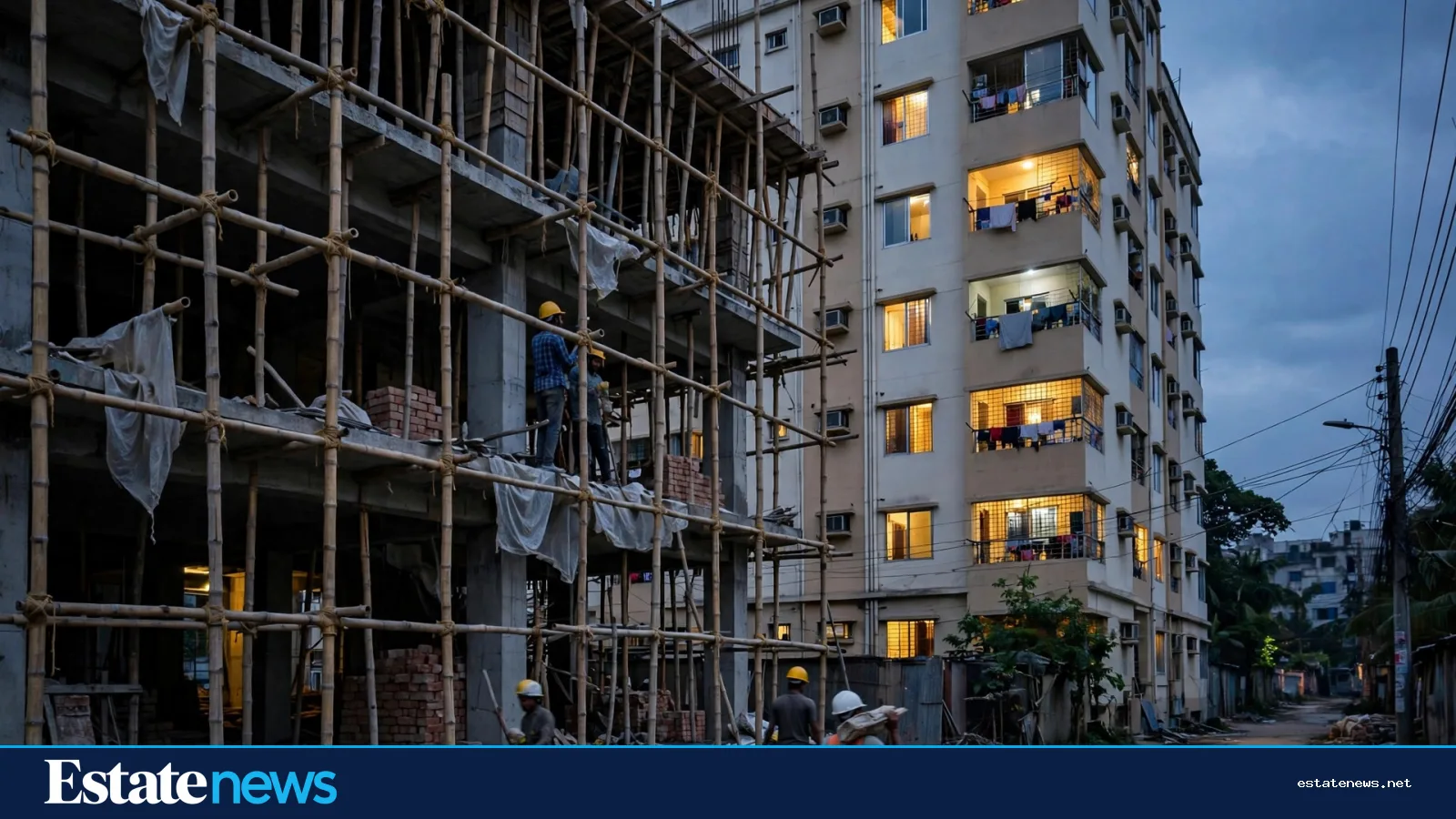
The case for buying early is straightforward. The price is lower, the payment is spread over the construction period in instalments linked to progress, and the buyer gets first choice of unit. For a household that does not need to move immediately — a young couple saving for marriage, a family planning around a child's schooling, or a non-resident Bangladeshi buying ahead of a return — that combination can be genuinely attractive.
It also carries four risks that no brochure will headline:
- Delay. Handover dates slip. Construction, approvals, utility connections and financing can all push a project past its promised date, leaving the buyer paying rent and instalments at the same time.
- Change. The finished flat may differ from the brochure: fittings downgraded, layouts adjusted, common facilities reduced. Only a detailed, written specification protects against this, and even then enforcement takes effort.
- Developer risk. If a developer runs into financial trouble, an under-construction buyer is exposed in a way a ready buyer is not. Checking completed projects and delivery history is not optional homework; it is the core of the decision.
- Loan and cost risk. A loan approved today may be repriced, and construction-linked instalments can collide with rising living costs. Bangladesh Bank's policy rate stands at 9.5 per cent for the October–December 2026 quarter, and published guides put home-loan quotes broadly at 9 to 13 per cent — a v
A checklist before you book early
If the discount tempts you, insist on these in writing before paying a booking amount:
- The approved building plan and the developer's title and approval documents, checked by your own lawyer — not only by the developer's team.
- A payment schedule tied to verified construction stages, not to calendar dates alone.
- The exact handover date, the penalty for delay, and the defect-liability period during which the developer must fix faults after handover at no cost.
- A written specification of fittings, finishes and common facilities, with what happens if they change.
- The total price including parking, utility connections and registration, so the "discount" is measured against the real total, not the headline rate.
Be wary of pressure tactics: a discount that expires today, a "last unit" that somehow remains available next week, or a request for a large booking payment before documents are shown. A genuine project survives a week of legal checking. A fragile one does not.
So which should you choose?
If you need a home within months, if your income cannot carry rent plus instalments, or if you cannot verify the developer's record, the ready flat's premium is money well spent. If you have time, a verified developer, a written contract with delay penalties, and a cash buffer for slippage, the under-construction discount can be a rational trade.
Never buy early purely because the per-square-foot figure looks cheap: in Dhaka's market, the cheapest number on the page often carries the most risk. Price the risk, then decide.
This article is informational only and is not financial advice.
Follow Estate News on Facebook for daily property, market and money updates: https://www.facebook.com/profile.php?id=61593817347872