Ask a Dhaka developer what a flat costs and you will hear one number: the price. Ask a buyer who has actually moved in, and you will hear a different one — larger, and assembled from half a dozen bills that arrived at different times. The gap between the two numbers is where first-time buyers get into trouble.
The way to avoid it is to budget backwards: start from the total cash you must have on hand, not from the price you can negotiate.
The worked budget — an illustration

Take a new 1,000-square-foot flat priced at Tk 90 lakh. The table below is an illustration built on current, publicly reported ranges; your own figures will vary with the area, the size of the flat and the lender. Every line is cash you need, not money the bank lends.
- Down payment, 20 per cent: Tk 18 lakh. Banks in Bangladesh typically finance up to 70 to 80 per cent of a flat's value, so a buyer should expect to fund at least a fifth of the price from savings. Some lenders ask for more on older or resale flats.
- Registration and government charges, about 10 per cent: Tk 9 lakh. A flat purchase in Dhaka attracts a stack of charges — stamp duty of 1.5 per cent of the deed value, a registration fee of about 1 per cent, local government tax of 2 to 3 per cent, source tax that varies with location and land class
- Loan processing and legal costs: about Tk 1 lakh. Lenders commonly charge a processing fee of around 0.3 to 1 per cent of the loan, and an independent lawyer's title and deed check is money well spent before registration.
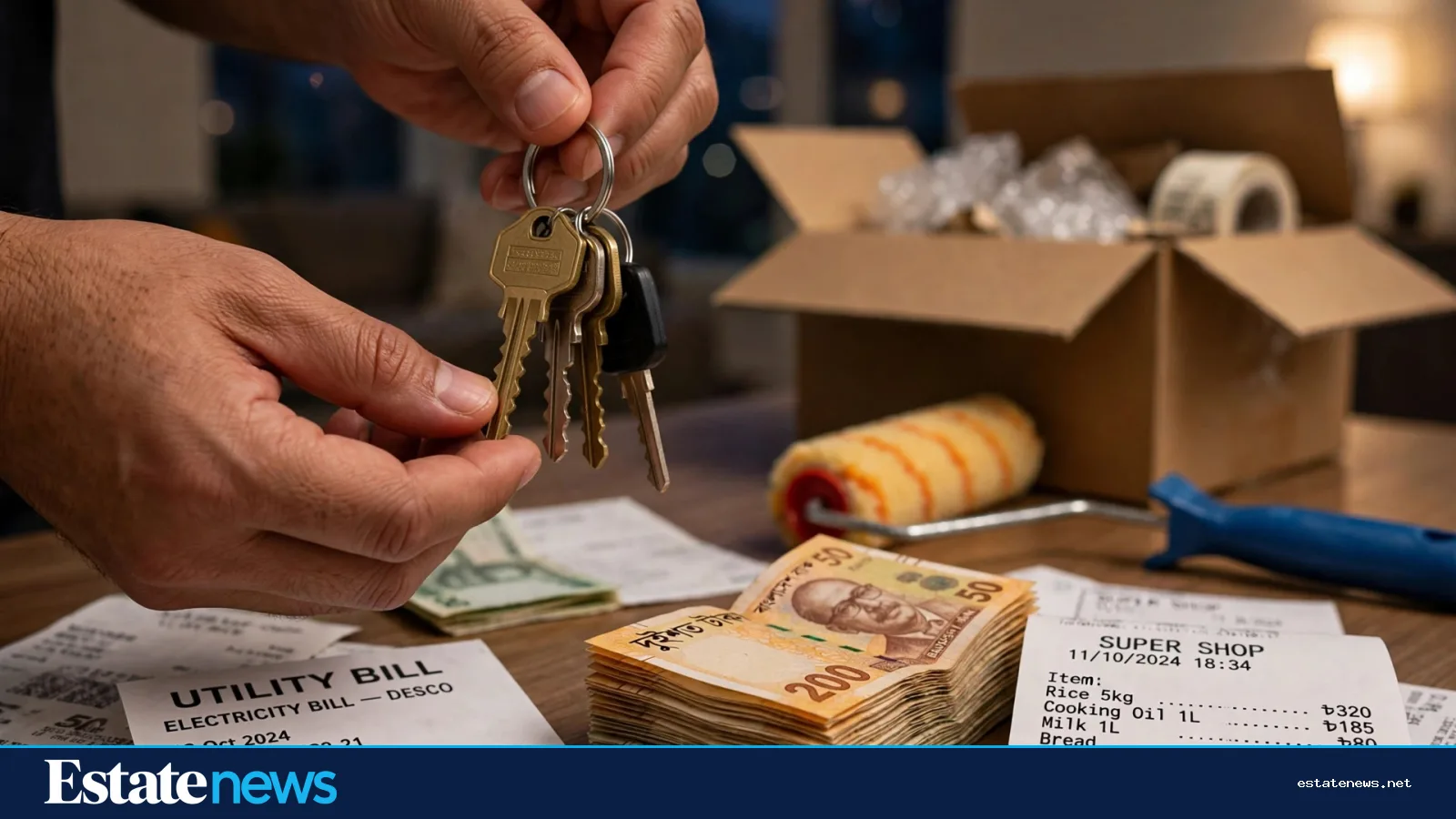
- Basic furnishing and moving: Tk 3 to 5 lakh. A bare flat needs lights, fans, kitchen fittings, curtains, basic furniture and the cost of the move itself. Buyers who assume they will furnish gradually still need the essentials on day one.
- Emergency buffer: at least six months of expenses. This is not a purchase cost, but it is cash that must still be in the bank after the purchase. A household that empties its savings to buy has no defence against a job loss, a medical bill or a rate rise.
Added together, the upfront cash for this Tk 90 lakh flat is roughly Tk 31 to 33 lakh — more than a third of the flat's price — on top of a loan of Tk 72 lakh. At an illustrative 11 per cent over 20 years, that loan costs about Tk 74,300 a month. A buyer who has only the Tk 18 lakh down payment saved has not saved enough to buy; they have saved enough to start.
Three mistakes that break the budget
The first is treating the loan as the budget. A bank's approval tells you the maximum it will lend, not the maximum you can afford. The instalment must still leave room for service charges, utilities, food, transport, school fees and savings — and for a rate rise, since most Bangladeshi home loans carry variable rates.
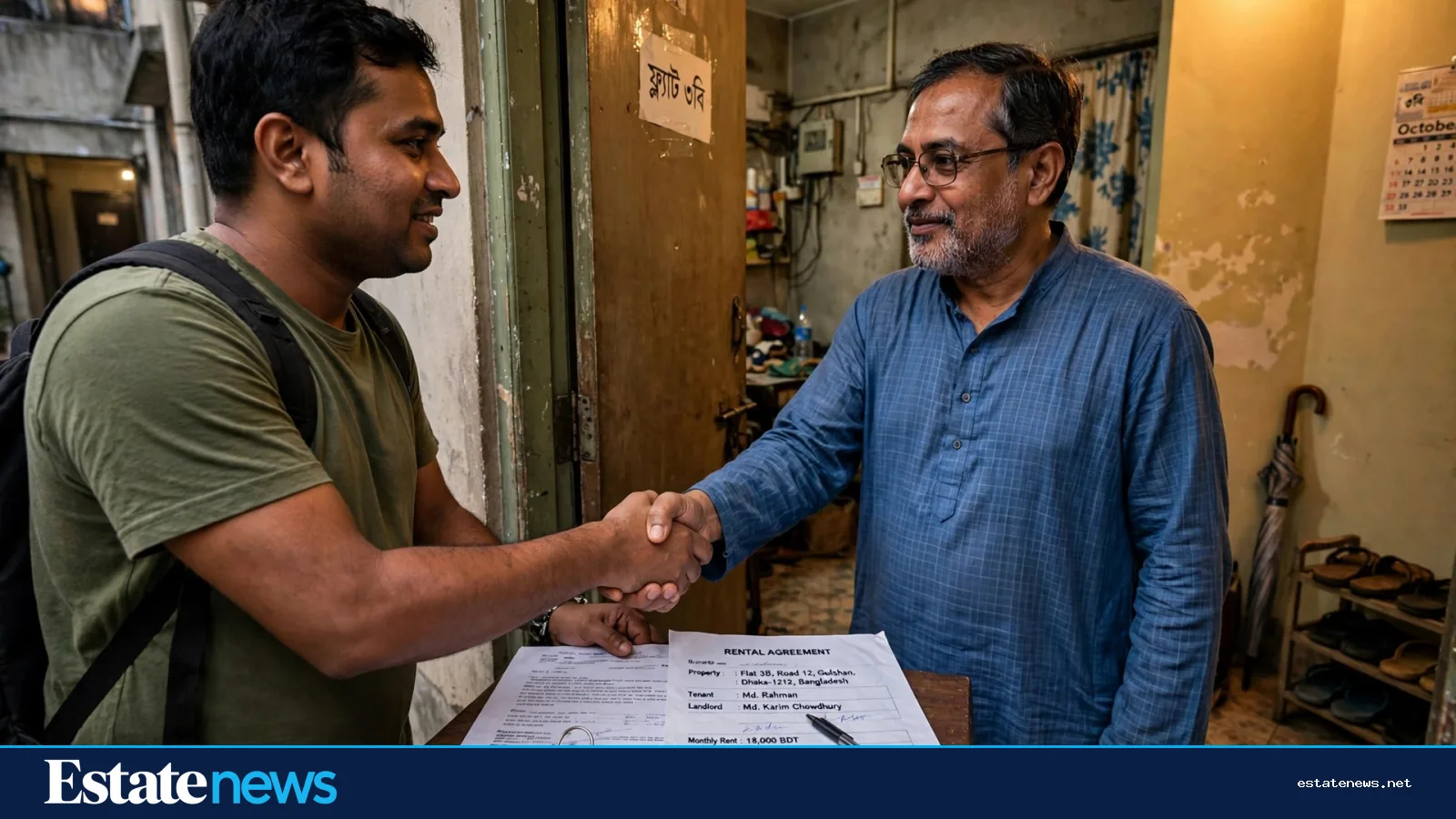
The second is forgetting that registration charges are calculated on the deed value and paid in cash, upfront, before the sub-registrar accepts the deed. They cannot be added to the loan, and they cannot be deferred. Buyers who discover this at the sub-registry office, money already committed, have no good options left.
The third is buying the largest flat the loan allows. A slightly smaller flat in the same area, bought with a comfortable instalment and a buffer intact, is a better financial decision than a larger flat that leaves the household one emergency away from missing a payment.
A practical sequence
Save the down payment first, then save the registration amount separately, and only then start flat-hunting in earnest. Get a written loan offer — rate, tenure, fees and whether the rate is fixed or variable — before paying any booking money. Ask the developer, in writing, which charges are included in the price and which are not: utility connections, gas and electricity deposits, and service-charge advances are common surprises. And keep the emergency fund untouched by the purchase, even if that means waiting another year.
Buying a flat is the largest purchase most Bangladeshi households will ever make. It deserves a budget that counts everything, not just the number on the brochure.
This article is for information only and is not financial advice. Rates, fees and tax rules change; confirm current figures with your bank, lawyer and the sub-registry office before committing funds.
Follow Estate News on Facebook for daily property, market and money updates: https://www.facebook.com/profile.php?id=61593817347872