One of the most common misunderstandings in Bangladeshi property buying is also one of the most costly: that registering a sale deed makes you the owner in every sense that matters. It does not. Registration, at the sub-registry office, proves the transfer between buyer and seller. Mutation — known in Bangla as namjari — is the separate step that updates the government's land record, the record of rights, so that your name appears as the owner. Until mutation is done, the revenue record still shows the seller, you cannot pay land development tax in your own name, and selling the property on becomes difficult. Guides on the subject put it bluntly: without mutation, a person cannot transfer the property title to another person.
The legal basis is section 143 of the State Acquisition and Tenancy Act 1950, which requires the record to be maintained and updated for changes arising from transfers, inheritance, subdivision and similar events. A mutation khatian, or namjari khatian, is the updated record entry that reflects a change made between successive land surveys. It is not the same as correcting a survey error, which follows a different process.
What you need to apply

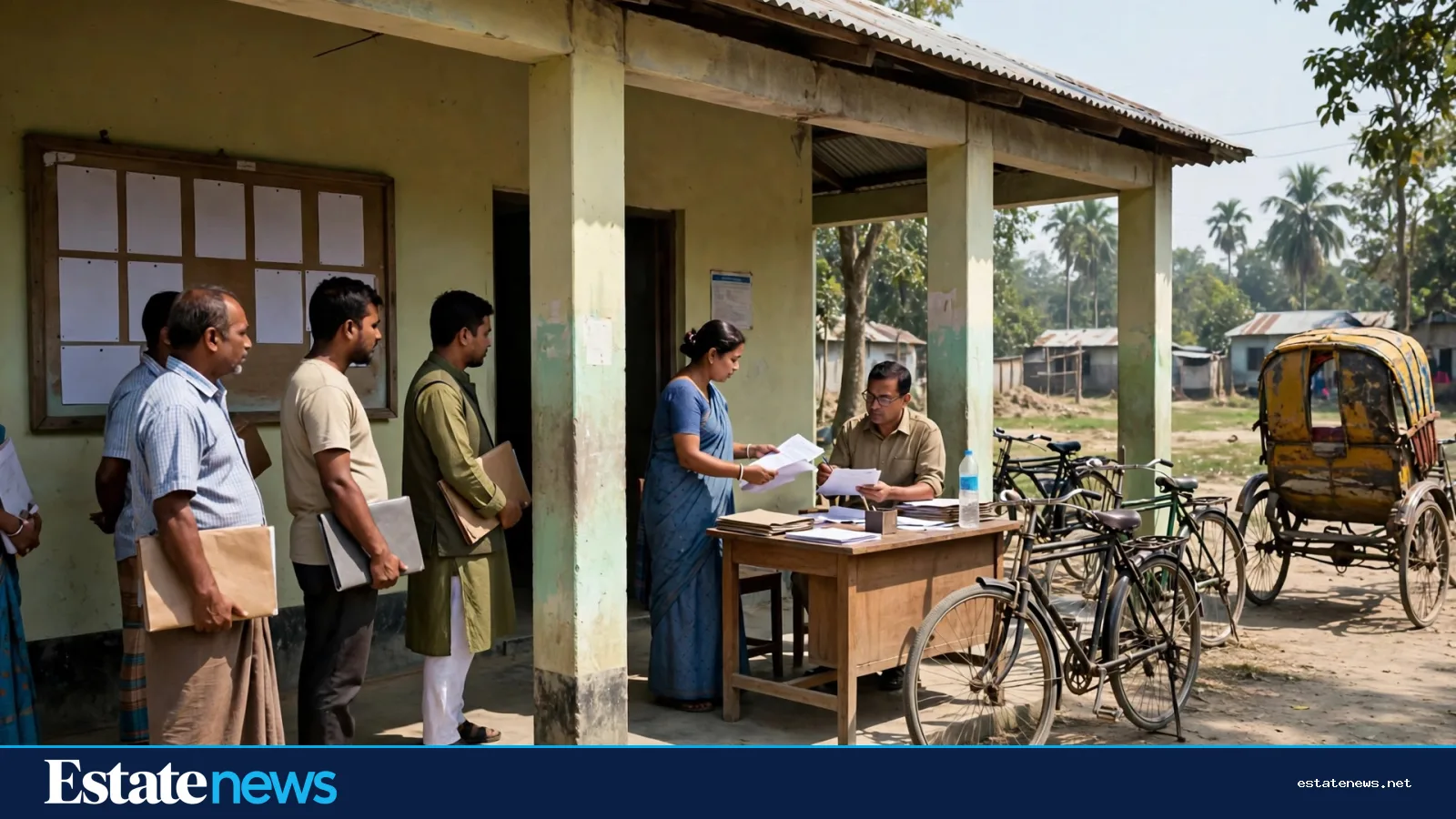
Mutation is applied for through the Assistant Commissioner (Land), or AC Land, of the upazila where the land sits — online through the government's mutation portal at mutation.land.gov.bd, or at the land office. The documents depend on how you acquired the property:
- Always: your National Identity Card (NID), a mobile number registered in your own name, a recent passport-size photograph, and the latest land development tax receipt (dakhila).
- For a purchase: the registered sale deed and the previous owner's khatian or porcha, showing the existing record, with the mouza and dag (plot) numbers.
- For inheritance: the death certificate of the previous owner and a warish (succession) certificate listing the heirs. A recent change, reported by The Financial Express in October 2026, has made joint mutation by all heirs easier: the land ministry has instructed officials not to reject joint applic
- For a gift: the registered gift (heba) deed.
- For a court decree: the decree itself.
Scan quality matters more than applicants expect: guides on the land portal warn that unreadable uploads are the most common reason applications are returned. Photograph each document flat, in daylight, with all four corners visible, and keep each file under 2 MB.
The process and the fee
The official fee for a straightforward mutation totals Tk 1,170: a Tk 20 court fee for the application, a Tk 50 notice issuance fee, and a Tk 1,100 fee for the duplicate carbon receipt, or DCR. A review application, if one is needed, carries a Tk 70 court and notice fee and a further Tk 1,100 DCR fee.
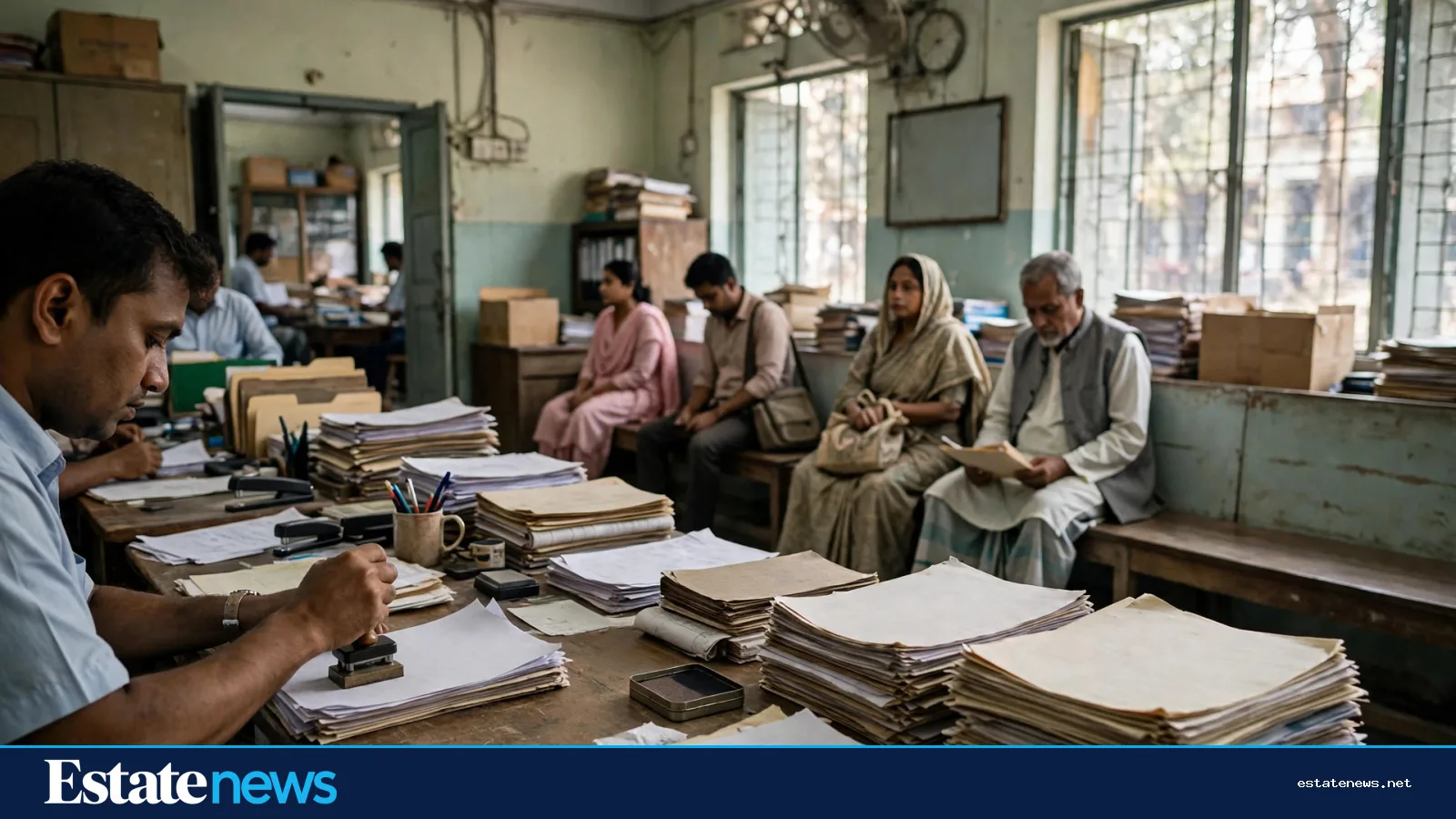
The steps, in outline, are: create or log in to your citizen account on the mutation portal and start a new application, selecting the correct division, district, upazila and mouza; enter the khatian and dag details from the current record, cross-checked against eporcha.gov.bd where there is doubt about which survey is current for that mouza; upload the deed and supporting documents; and pay the fee online. The application is then reviewed by the Union Land Office and the AC Land office, which may schedule a hearing — a stage at which the previous owner, neighbouring landowners or other interested parties can raise an objection. If the application is uncontested and the documents are in order, the AC Land issues the mutation order, generating the updated mutation khatian and the QR-coded DCR, which the applicant can then download, along with the updated khatian from eporcha.gov.bd. Published guides suggest the process commonly takes around 30 to 45 days, but this is a guide figure, not an official service guarantee, and it varies by district, by workload and by whether an objection is filed. Keep your registered mobile number active so you receive status messages, and respond within the stated time if the office asks for additional documents.
Common delays and mistakes
- Assuming registration is enough. The single most frequent error. Registration and mutation are different offices, different records, and both are needed.
- Buying before the seller's mutation is complete. If the seller's own name is not yet in the record, your application inherits the problem. Verify the seller's mutation khatian and DCR before paying.
- Wrong mouza, dag or khatian number. A single digit wrong can send the file to the wrong record. Cross-check against the certified khatian, not against a broker's note.
- Unpaid land tax. An up-to-date dakhila is required; arrears stall the file.
- Missing warish certificate or distribution deed. For inherited land, the heir list must be complete and certified; for separate records after division, the registered distribution deed is mandatory.
- Unreadable scans and inactive phone numbers. Both cause silent delays: the first gets the file returned, the second means you miss the hearing notice.
- Ignoring the hearing. If an objection is raised and you do not attend, the application can fail. Treat the hearing date as seriously as a court date.
- Not collecting and checking the DCR and updated khatian. The process is not finished when the order is issued; download both documents and check that the names, shares, dag numbers and area are correct.
Mutation is unglamorous paperwork, and that is exactly why it is neglected. But it is the document that connects your deed to the state's own record of who owns what — the record that tax officers, banks, future buyers and courts will all consult. A registered deed without mutation is a half-finished purchase. Finish it, keep the DCR safe, and your ownership is recorded in both places that matter.
Follow Estate News on Facebook for daily property, market and money updates: https://www.facebook.com/profile.php?id=61593817347872