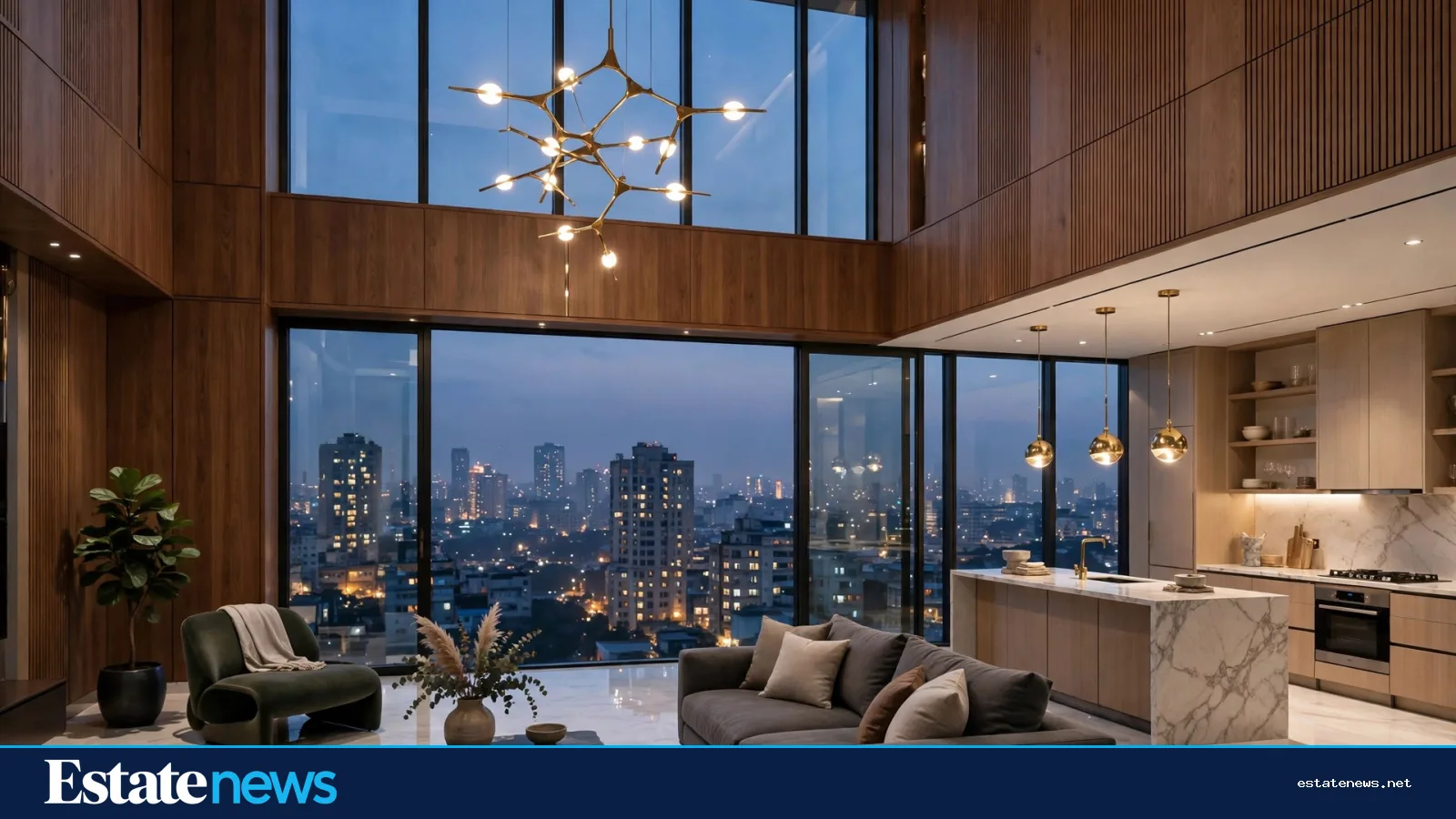
Walk through two new flats in the same part of Dhaka and the difference can be startling. One is a well-built, comfortable home. The other has a double-height lobby, a concierge desk, a swimming pool on the roof, imported fittings in every bathroom and a price per square foot that seems to belong to another city. Both are honestly described as apartments. Only one is described as premium. The question for a buyer is not whether the premium is real — much of it is — but what exactly it buys, and what it does not.
What the premium genuinely buys
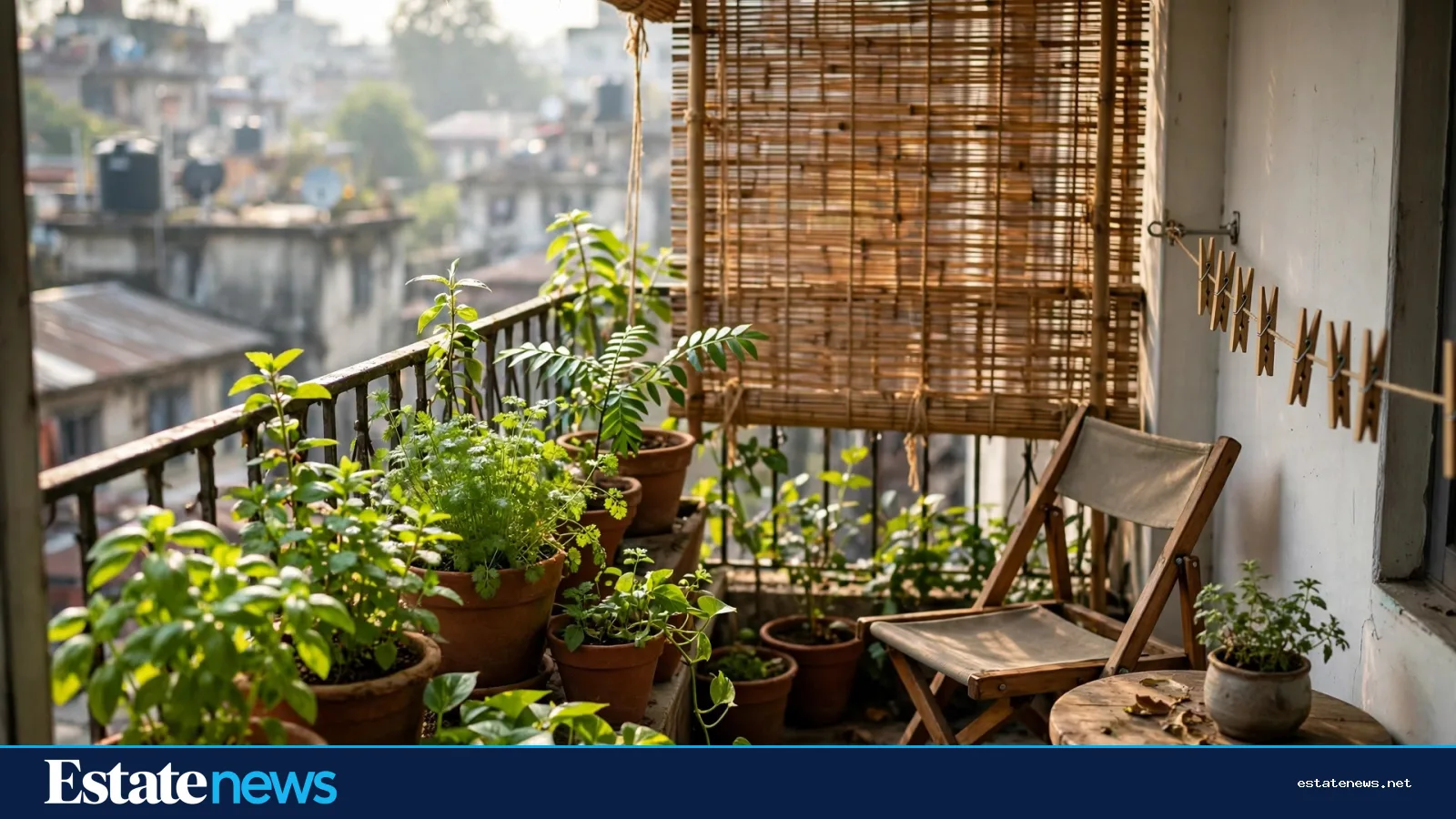
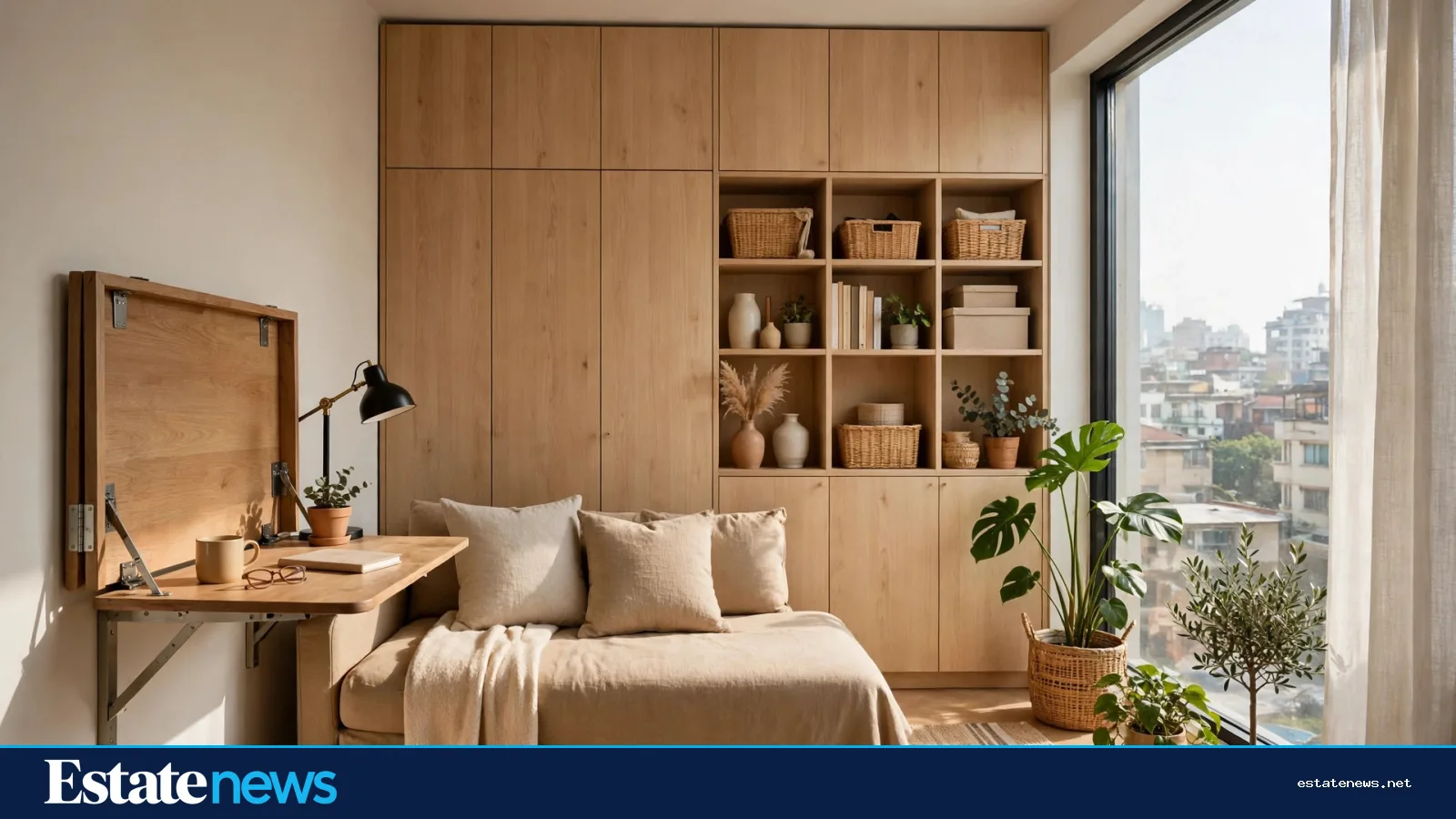
The first thing a premium flat buys is space, and space in Dhaka is the scarcest commodity of all. Larger rooms, higher ceilings, wider balconies, a separate family living area, a servant's room and a utility room — these are not decorations, they are square feet, and square feet in Gulshan or Banani cost more than anywhere else in the country. A premium flat also tends to buy better light and air: corner units, larger windows and floor plans that allow cross-ventilation, which matter enormously in a dense, humid city.

The second is the quality of finish. A standard flat and a premium flat may share the same structural frame, but they diverge in tiles, sanitary ware, kitchen fittings, door hardware, paint and joinery. Premium finishes cost more to buy and more to install, and they age better — a well-made fitting that still works after fifteen years is worth more than a cheap one replaced three times. Published 2026 construction guides reflect this gap clearly: a standard apartment building costs roughly Tk 3,200 to Tk 3,900 per square foot to build, while a premium one costs Tk 5,200 to Tk 6,500 or more, before land, finance and sales costs are even counted.
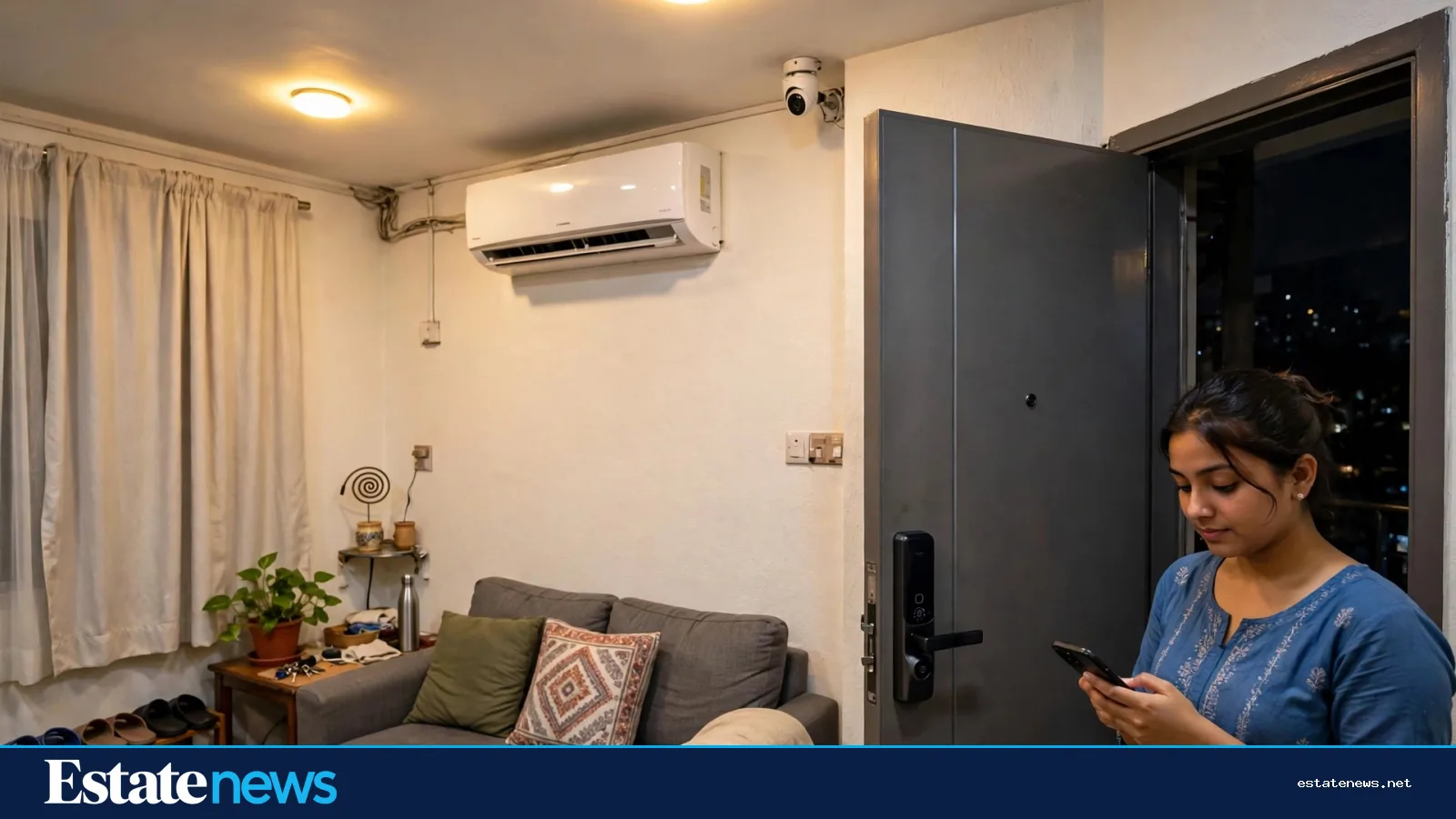
The third is services. A staffed lobby, round-the-clock security, power backup that covers the whole flat rather than a few points, multiple lifts, a gym, a pool, a community hall and maintained common areas all have running costs, and those costs appear in the monthly service charge. For a busy household, the value is real: time saved, safety and amenities that would otherwise require leaving the building. For a buyer who rarely uses them, they are a standing bill.
The fourth is location within the location. Even inside a premium neighbourhood, a flat on a quiet inner road, facing a lake or a park, away from a commercial frontage, commands more than one on a noisy main road. The premium is partly a location premium, and location, unlike fittings, cannot be renovated later.
What the premium does not guarantee
A high price guarantees none of the things buyers most often assume it does. It does not guarantee construction quality: a premium price with a rushed build, poor waterproofing or thin walls is still a poor home, and defects in a luxury flat are more expensive to fix, not less. It does not guarantee timely handover — premium projects are delayed just as standard ones are, and sometimes for longer, because their specifications are more complex and their imported materials take longer to arrive.
It does not guarantee resale value. Estate News has reported that compact rentals are currently outperforming luxury ones on yield, and the same logic applies to resale: a very large, very expensive flat has a smaller pool of future buyers than a well-located mid-sized one. A premium flat can be an excellent home and a mediocre investment at the same time, and buyers should decide which of those two things they are buying.
It also does not guarantee low running costs. Large flats cost more to cool, more to clean and more to maintain, and premium services carry premium service charges that rise over time. A buyer who stretches to afford the purchase price but not the monthly charges will feel the premium every month, not just once.
How to judge a premium flat
- Measure the space, not the brochure. Check the net usable area against the gross area, and count how much you are paying for corridors, lobbies and common areas.
- Open things. Run the taps, flush, switch on the backup power, ride the lift, walk the stairwell. Finish quality shows in operation, not in photographs.
- Ask for the service charge history. In a completed building, past charges predict future ones better than any brochure figure.
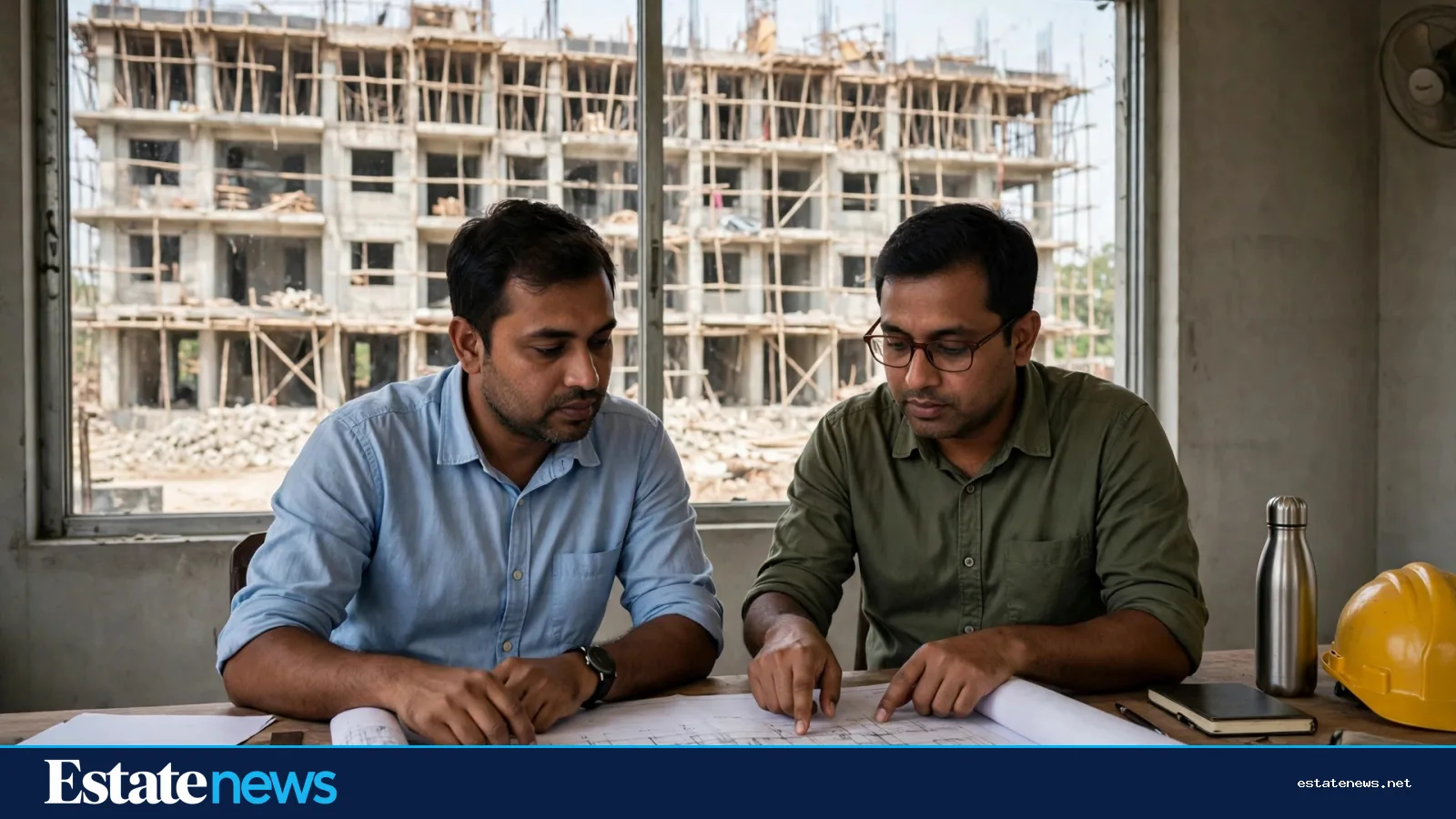
- Check the developer's completed record. Visit an older project by the same developer and look at how it has aged — that is the most honest preview available.
- Separate home from investment. If you are buying to live in it for a decade, weight space, light and daily comfort most heavily. If you are buying for return, weight location, unit size and resale demand instead.
Dhaka's premium market is not a trick. The best premium flats are genuinely better homes — quieter, brighter, better finished and better served. But the premium is a bundle, and bundles always contain items you would not have chosen separately. The wise premium buyer unwraps the bundle, prices each part, and pays the premium only for the parts that will matter every day for years. Everything else is just a label.
Follow Estate News on Facebook for daily property, market and money updates: https://www.facebook.com/profile.php?id=61593817347872