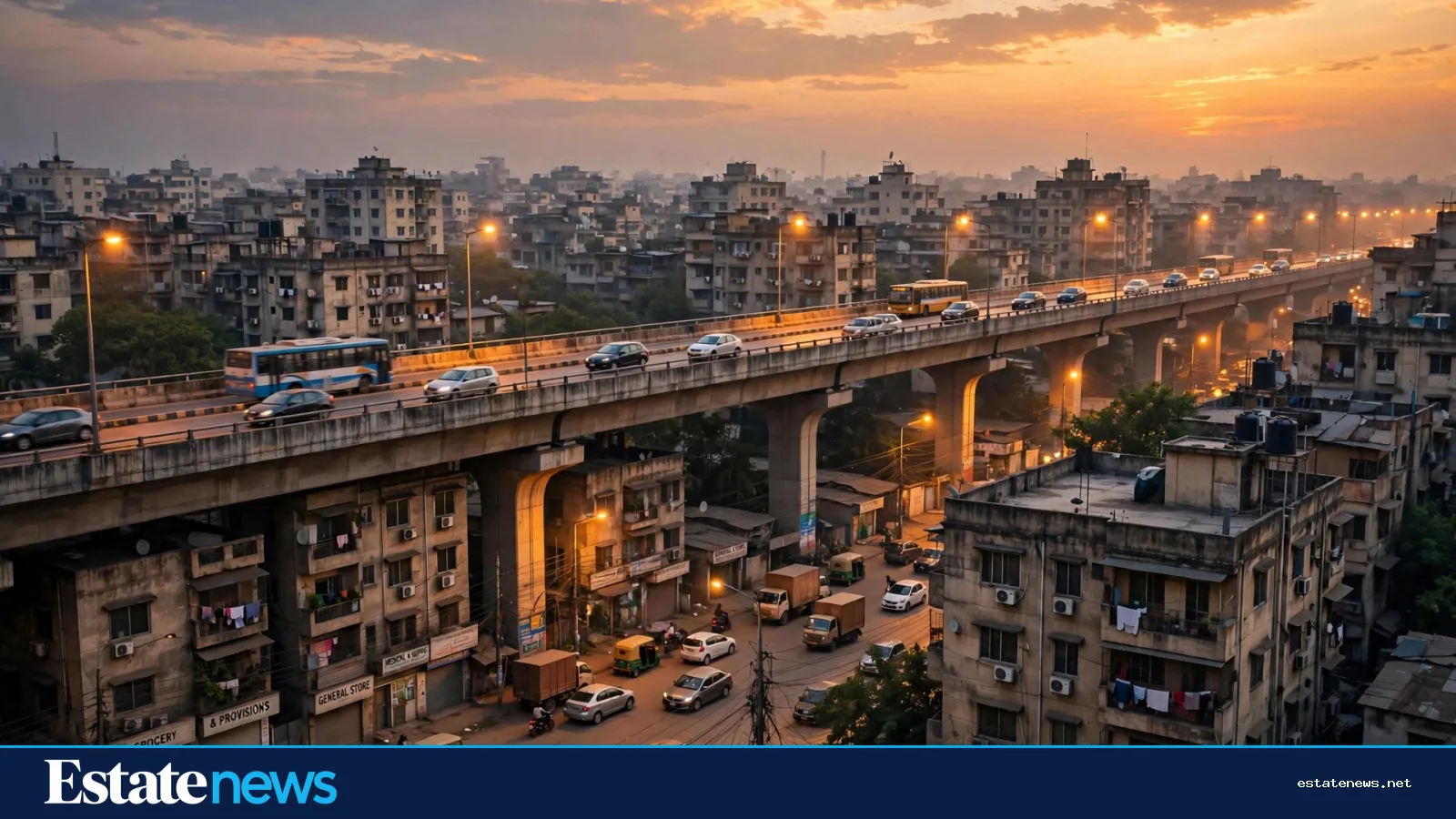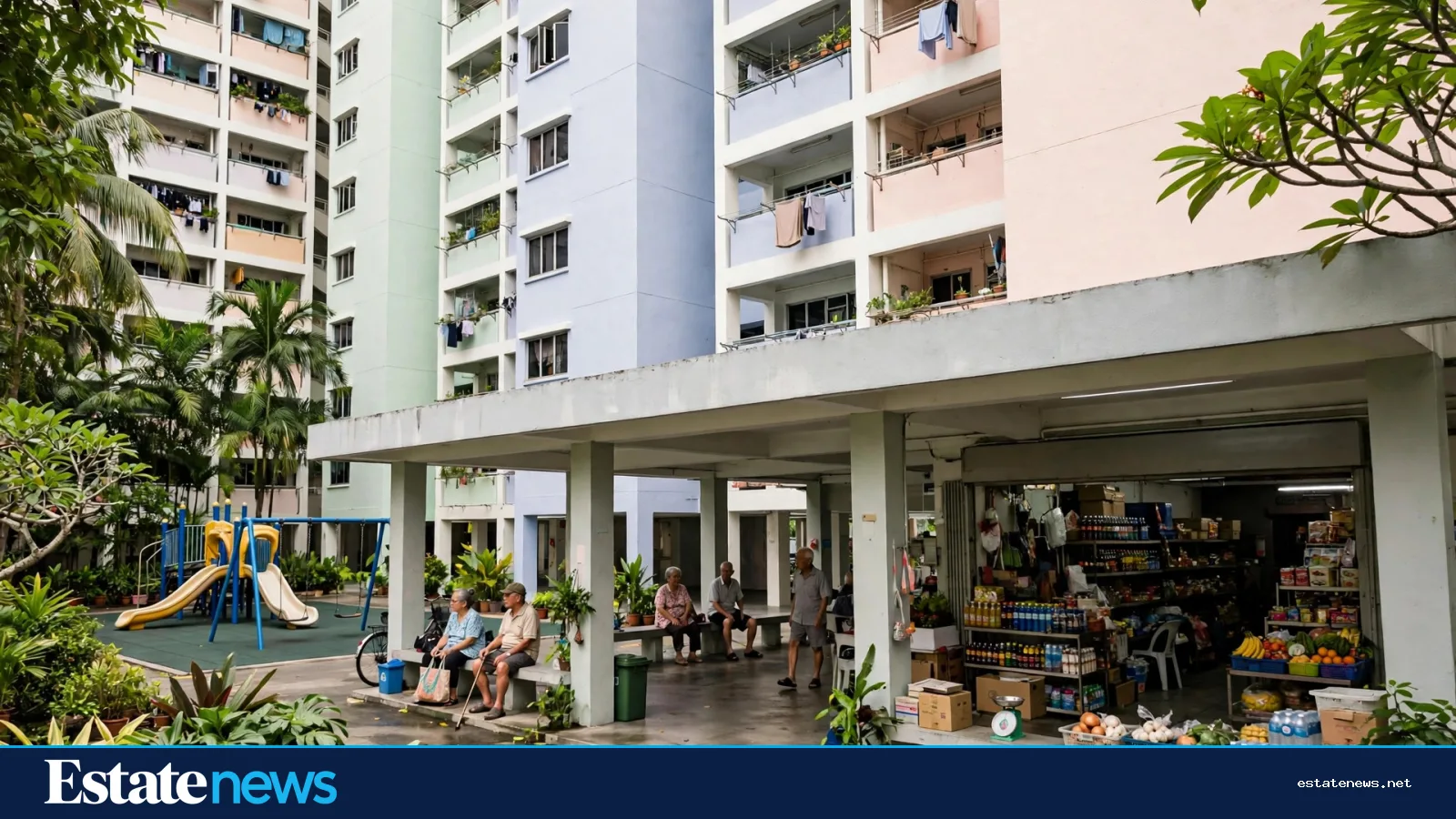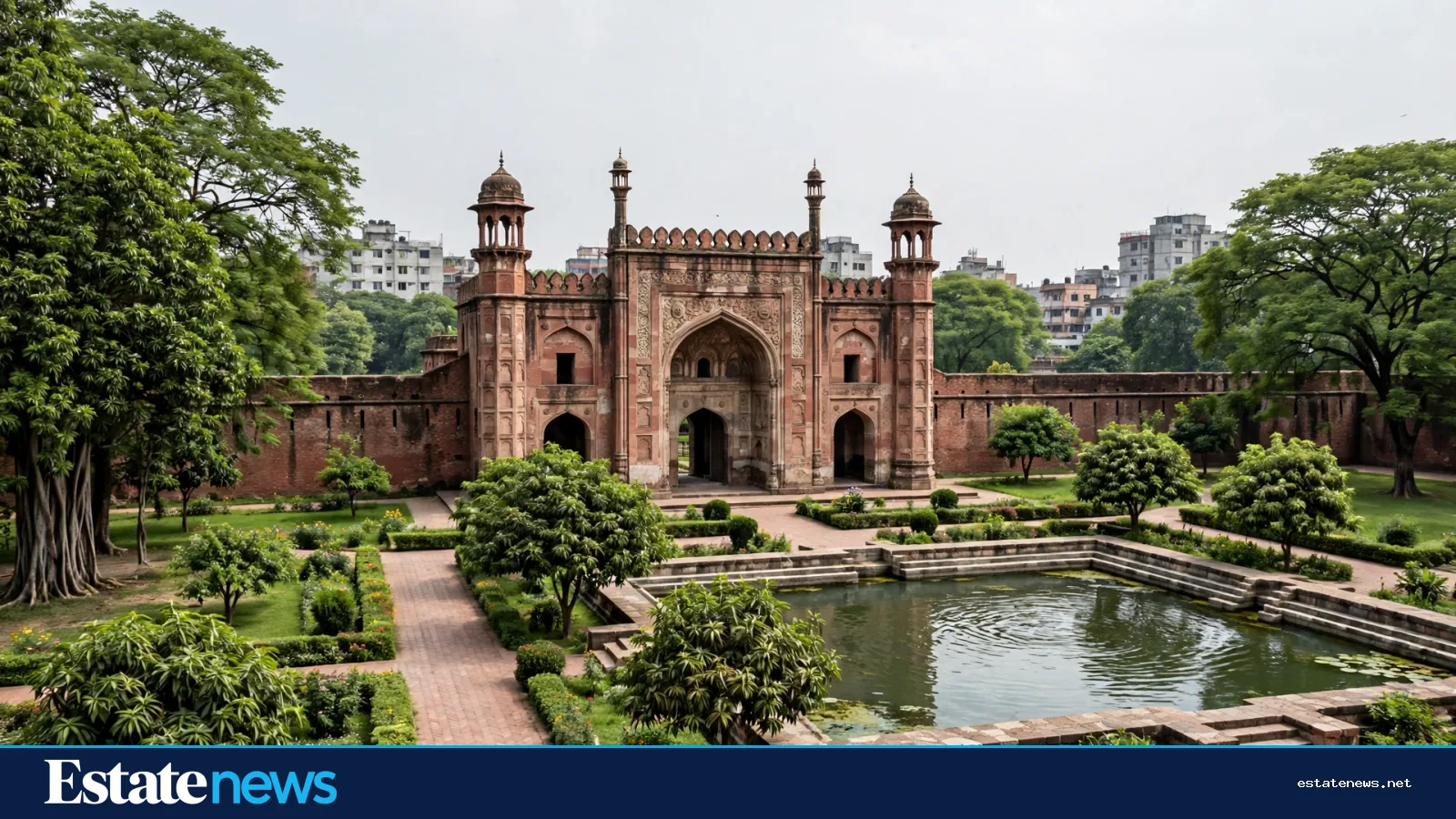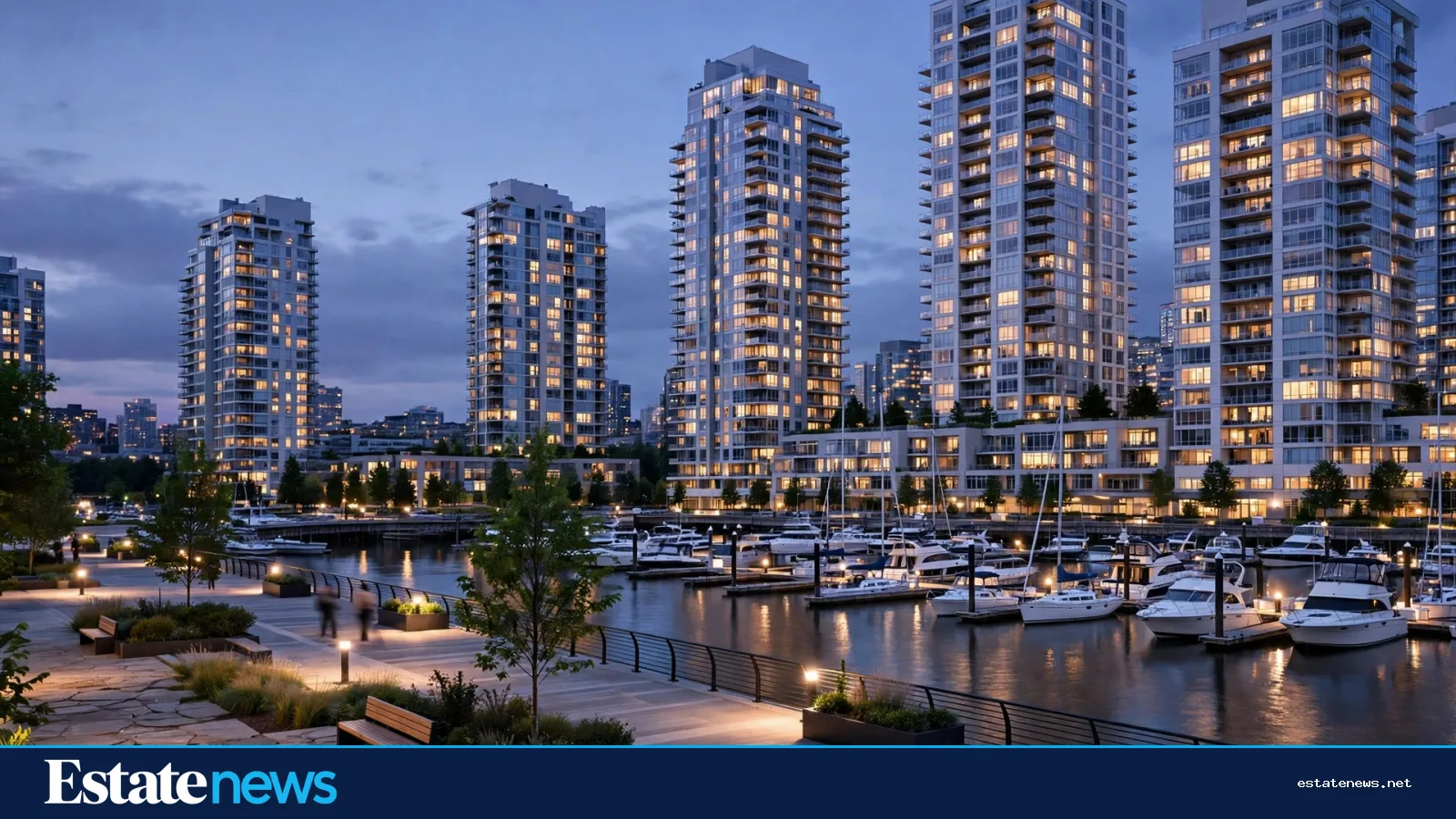
Every few years, a new comparison arrives in Dhaka drawing rooms: if Dubai can do it, why can't we? The comparison is usually made about towers, marinas and prices. It should instead be made about systems. Dubai's property story is less interesting for its skyline than for the rules that made its market legible to strangers — and legibility is something Dhaka's market badly needs.
Dubai did not always allow foreign ownership. The turning point was Law No. 7 of 2006, which allowed non-UAE nationals to own property outright in designated freehold zones. Today those zones number more than 60 under the Dubai 2040 Urban Master Plan, according to current 2026 guides summarising Dubai Land Department rules, and they include almost every district an international buyer has heard of, from Dubai Marina to Palm Jumeirah. Outside those zones, ownership remains restricted, mainly to UAE and Gulf nationals. The rule is narrow, but it is clear — and clarity is the point.
A registry buyers can check

The second pillar is registration. Every freehold purchase in Dubai is recorded by the Dubai Land Department, which issues a title deed in the buyer's name. A buyer can verify a developer, a project and an ownership type through the department's own channels, including its Dubai REST app, rather than relying solely on a broker's word.
For off-plan homes — flats bought before completion — the Real Estate Regulatory Agency, the department's regulatory arm, requires buyer payments to be held in escrow and released against verified construction milestones. Recent 2026 summaries describe tighter enforcement, including stricter third-party audit checks on escrow withdrawals and a post-handover retention rule reported in commercial guides. The details matter less than the principle: a buyer does not hand over the full price on trust alone.
That principle is directly relevant to Dhaka. Many of Dhaka's most painful property disputes are not about architecture. They are about delayed handover, unclear title, unapproved changes to a plan and money paid before a building exists. A credible escrow system and a searchable registry would not end those problems, but they would make them harder to hide.
Why investors came — and why they stayed cautious
Dubai also benefits from features Dhaka cannot copy. It charges no annual property tax and no income or capital gains tax on residential property under UAE rules, a point stressed in every 2026 investment guide. Its currency, the dirham, has been pegged to the US dollar since 1997. And it deliberately courts international demand: property ownership can support residence visas, with a long-term Golden Visa route for larger holdings.
Commercial guides in 2026 report gross rental yields of around 7 per cent for apartments, with net yields one to two points lower after service charges, voids and management. Those figures are reported estimates from firms such as ValuStrat and Cavendish Maxwell, cited in those guides — not official guarantees — and they vary sharply by building and district. Forecasts for 2026 itself diverge, with some analysts expecting further gains and others warning of falls of up to 15 per cent in oversupplied pockets, according to the same guides. A market can be both large and cyclical.
Dubai's scale is also real. Guides citing Dubai Land Department data put 2025 transactions above 270,000, worth about US$249.7 billion, with a further strong first quarter in 2026. A large share of purchases are reported to be paid in cash. That liquidity means a well-priced unit can often be resold quickly — but it also means the market can move fast when sentiment changes, as it did after earlier booms and corrections.
Dubai's lesson is not to build taller. It is to build trust: a title you can verify, money you can trace, and rules that apply to developer and buyer alike.
Where the comparison breaks down


For all that, importing Dubai's playbook wholesale into Dhaka would be a mistake, for at least four reasons.
First, land is different. Dubai could designate new zones on largely state-controlled land and plan whole districts from scratch. Dhaka is an old, dense, privately owned city where title is fragmented, plots are small and inheritance claims are common. A registry helps, but it cannot conjure clean title where records are tangled.
Second, demand is different. Much of Dubai's demand comes from international investors and expatriates who may never live in the flat they buy. Dhaka's demand is overwhelmingly domestic and owner-occupied: families buying a first or second home with savings, remittances and bank loans. A market built for investors needs different protections from a market built for residents.
Third, the tax and currency context is different. Dhaka buyers face high borrowing costs — Bangladesh Bank held its policy rate at 9.5 per cent for October–December 2026 — and they pay taxes and fees that Dubai buyers do not. A yield quoted in Dubai cannot be compared directly with a yield in Dhaka without adjusting for borrowing costs, service charges, taxes and vacancy.
Fourth, climate and maintenance are different. A tower in a desert city and a tower in a monsoon city age differently. Service charges, water management, drainage and lift maintenance matter more in Dhaka, and they are often where a cheap purchase becomes an expensive home.
What Dhaka can actually borrow
Strip away the towers and the tax regime, and Dubai offers Dhaka a short, practical list.
- A single, searchable record of ownership and project approvals, so a buyer can verify title and developer status without depending on an intermediary.
- Escrow or milestone-linked payments for off-plan purchases, so money follows construction rather than promises.
- Standard contracts and clear disclosure of service charges, so a buyer knows the full cost of ownership before signing.
- Public transaction data, published regularly, so asking prices can be checked against completed deals instead of rumour.
None of these requires copying Dubai's freehold model or its visa policy. All of them would make Dhaka's market fairer for the people who actually live in it.
Dubai's property market works, when it works, because a stranger can arrive, check a title, trace a payment and sell to another stranger. Dhaka's market will not become Dubai, and it should not try. But a buyer in Mirpur or Uttara deserves the same basic assurance a buyer in Dubai Marina gets: that the home is real, the seller is entitled to sell it, and the money is protected until the building is. That is the part of the playbook worth copying. This article is informational only and is not financial advice; it makes no claim of guaranteed returns.
Follow Estate News on Facebook for daily property, market and money updates: https://www.facebook.com/profile.php?id=61593817347872