In Dhaka's premium market, the word premium is used generously. It appears in project names, brochures and sales conversations, sometimes for flats that differ from standard stock only in price. A buyer paying a premium deserves a stricter test: what, exactly, is better, and will it still be better in ten years?
The checklist below is not about taste. Marble versus tile is a preference. What matters is whether the premium buys durable quality, reliable services and competent management — the things that protect both daily comfort and resale value.
Start with the building, not the show flat

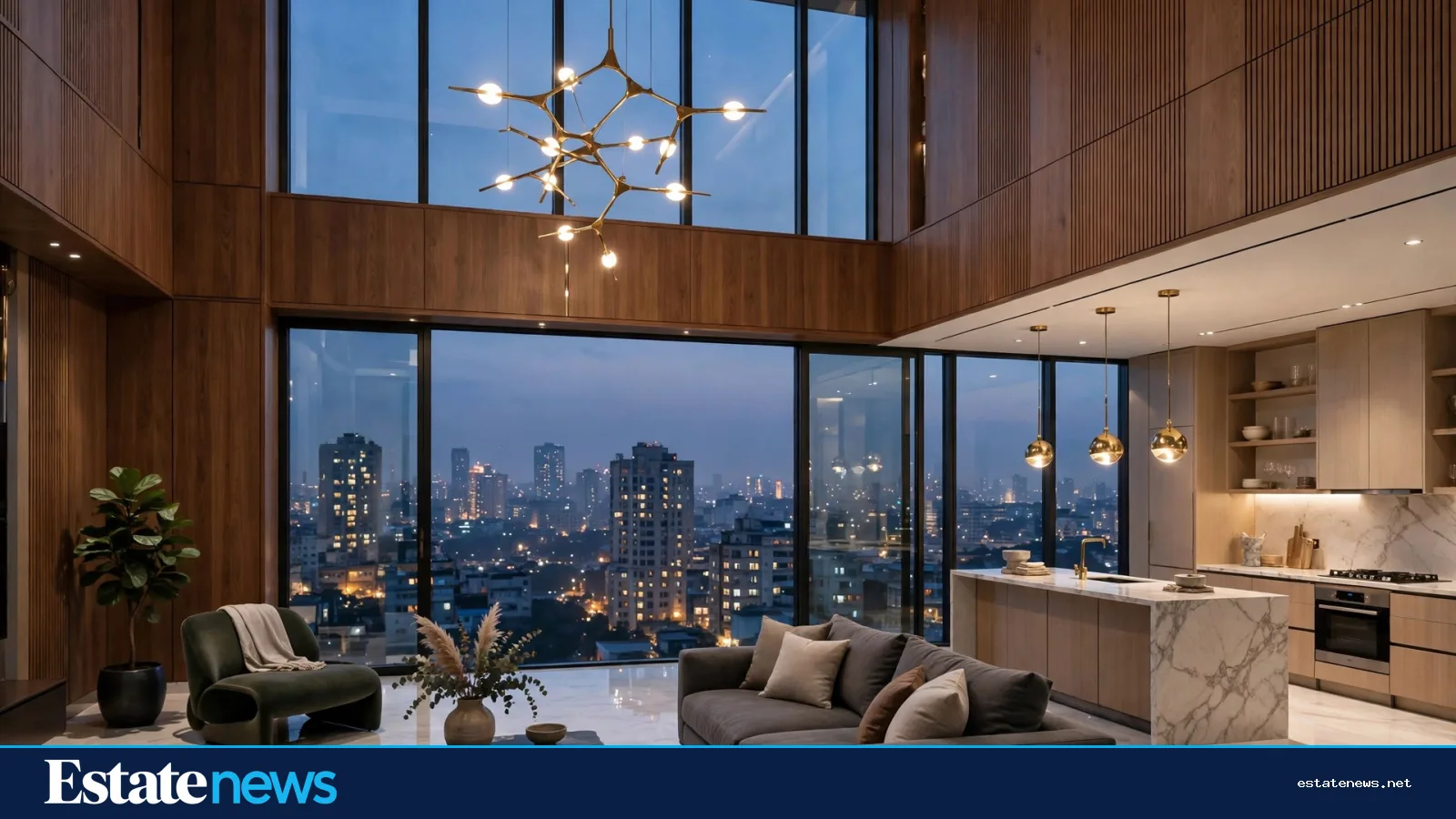
Show flats are staged to sell. They are furnished, lit and scented. The real flat may face a different direction, sit beside a lift shaft, or look onto a neighbouring wall. Insist on visiting the actual unit, or a unit of identical layout and orientation on the same floor band, at different times of day.
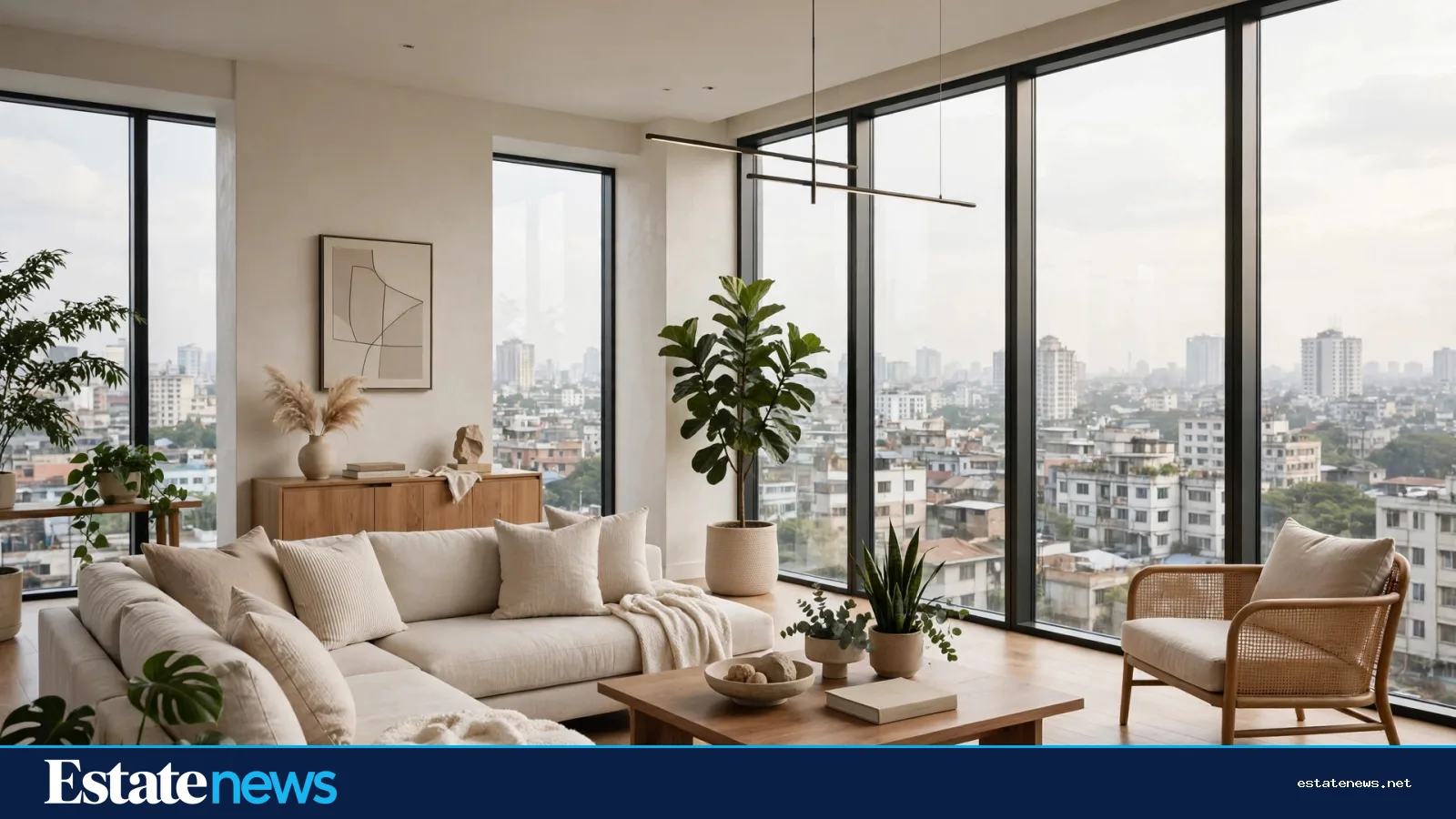
Check daylight and ventilation in the real rooms, not just in photographs. Open the windows. Listen for traffic, generator and lift noise. Look at ceiling heights, corridor widths and the size of the entrance lobby. Premium buildings usually offer generous common areas; cramped lobbies and narrow corridors are a warning that the premium is skin-deep.
Structure and waterproofing matter more than wall colour. Ask about the building's age, its maintenance history if it is a resale, and any history of seepage, especially in bathrooms, on the top floor and on walls facing driving rain. Water damage is expensive, recurring and rarely fixed by repainting.
Finishes: look closely, and look underneath
Premium finishes should survive close inspection. Run a hand along joinery edges. Check whether doors close cleanly and locks align. Look at tile joints, grout lines and the edges of countertops. Open and close every window and test every tap, flush and switch.
Kitchens and bathrooms deserve the most time, because they concentrate cost and failure points. Check the brand and model of sanitary ware and fittings where the developer names them, and compare them with what is actually installed. Check water pressure on upper floors, drainage speed, and whether bathroom exhausts vent properly rather than into a false ceiling.
- Flooring: consistent finish, no hollow tiles, no uneven joints across rooms.
- Doors and windows: solid feel, clean closing, working locks, sound and dust sealing.
- Kitchen: worktop joints, cabinet hinges, sink drainage, provision for chimney, water purifier and gas or electric cooking.
- Bathrooms: tiling, grout, waterproofing edges, fittings quality, ventilation and hot-water provision.
- Electrical: sufficient points, sensible placement, branded switches, and load provision for air-conditioning.


Services and management: the premium that keeps working
A premium flat in a poorly managed building is a depreciating asset. Ask who manages the building, what the monthly service charge covers, and whether there is a reserve fund for lift replacement, generator overhaul and facade repair. Ask for the service-charge history, not just the current figure.
Lifts, generators, water systems, fire safety and security should be inspected as systems, not admired as features. How many lifts serve how many flats? Is there full backup power or partial backup? Is the fire system tested and documented? Is there a residents' association or management body with published accounts?
Staffing matters too. A building with trained, retained facility staff and clear emergency procedures will age better than a building that relies on informal arrangements, however grand its lobby looks on handover day.
Paperwork and the exit test
Finally, apply the exit test. A premium purchase should be resalable without a discount for hidden problems. Verify title, deed, mutation, approvals and the developer's handover documentation. Check the exact saleable versus built-up area, what is included in the price, and what is charged separately — parking, utility connections, club or amenity charges and registration costs.
Ask what the developer's after-sales service covers, for how long, and in writing. Verbal assurances about repairs and replacements are worth little once the sales team has moved to the next project.
Premium should mean fewer surprises, not more expensive ones. A buyer who inspects the building, tests the finishes, interrogates the services and reads the paperwork before paying is not being difficult. They are doing what the premium price itself promises: buying with care, in a market where care is the best protection a buyer has.
The premium worth paying is not the one you can photograph on handover day. It is the one still working, still quiet and still well managed ten years later.
Follow Estate News on Facebook for daily property, market and money updates: https://www.facebook.com/profile.php?id=61593817347872