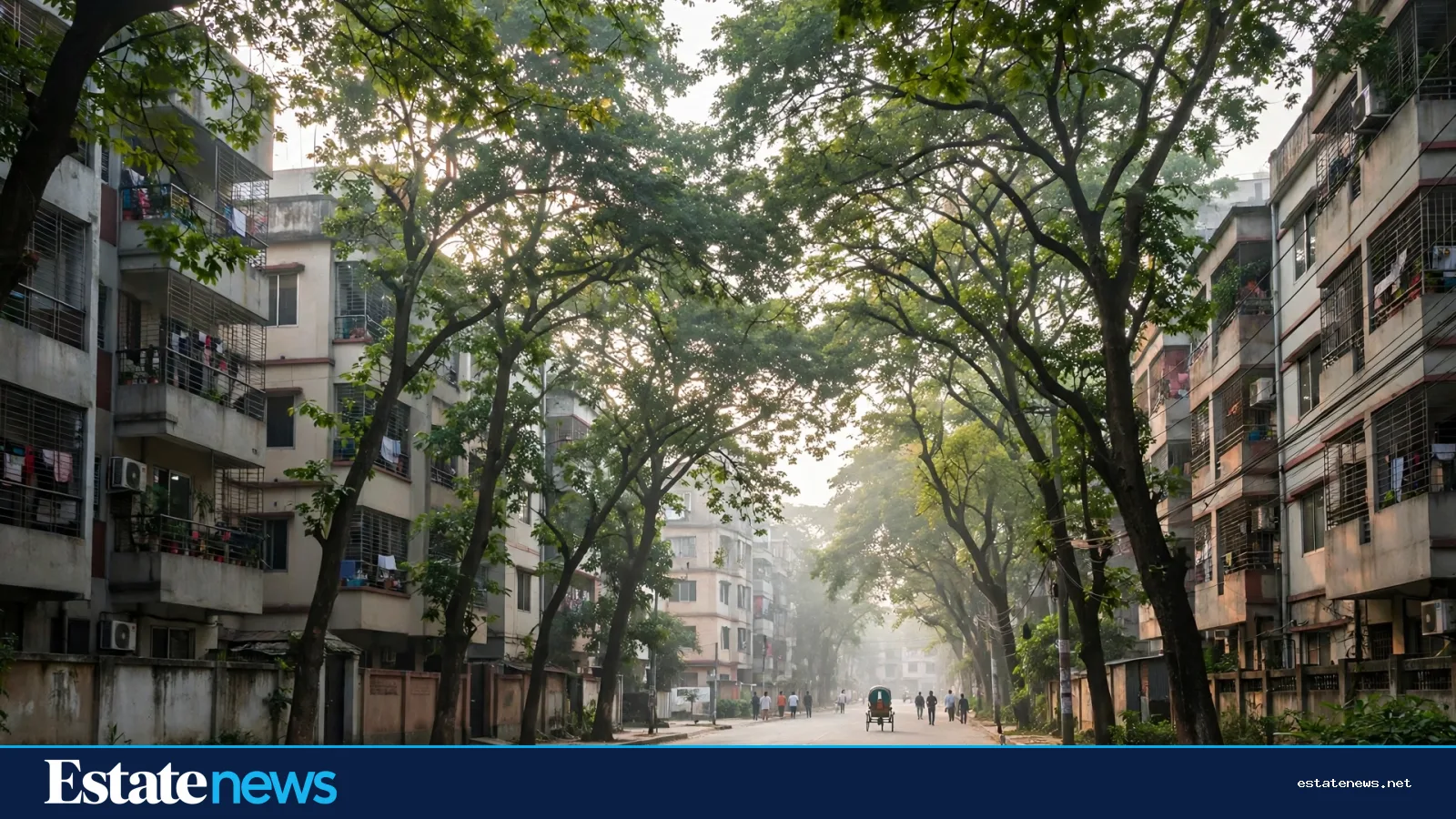
Ask a Dhaka resident about property and the answer will usually be about flats: where to buy, what size, what price. That is understandable. Homes dominate everyday conversation. But a city does not run on homes alone. It runs on the buildings where goods are stored, orders are packed, businesses are managed and daily shopping happens. Warehouses, offices and retail space are the working half of the property market, and they deserve the same careful reading as any residential block.
These three kinds of property do not behave alike. A warehouse is judged by access, floor strength, ceiling height, loading space and how easily trucks can come and go. An office is judged by location, transport links, floor layout, power backup and how well it suits the way a team actually works. A shop is judged by footfall, visibility, parking and whether the surrounding neighbourhood can support it day after day. A buyer or tenant who applies flat-buying logic to any of them will miss what matters most.
Logistics: the warehouse question

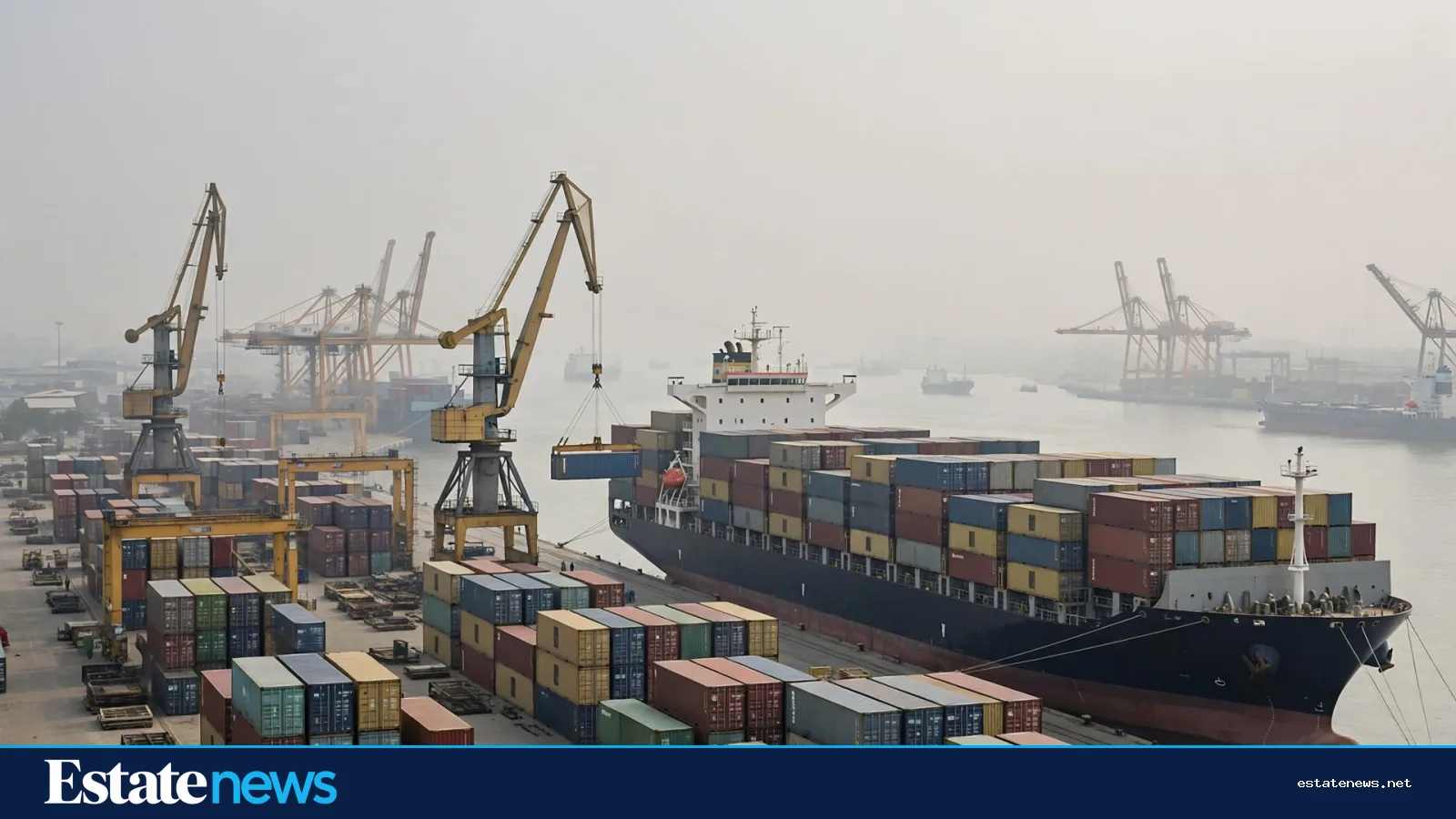
Every parcel delivered to a Dhaka doorstep has passed through storage somewhere. As ordering, retail distribution and small manufacturing have grown more organised, the need for well-located storage has grown with them. The useful question is not simply whether more warehouses are being built, but where they sit in relation to roads, markets and the people they serve.
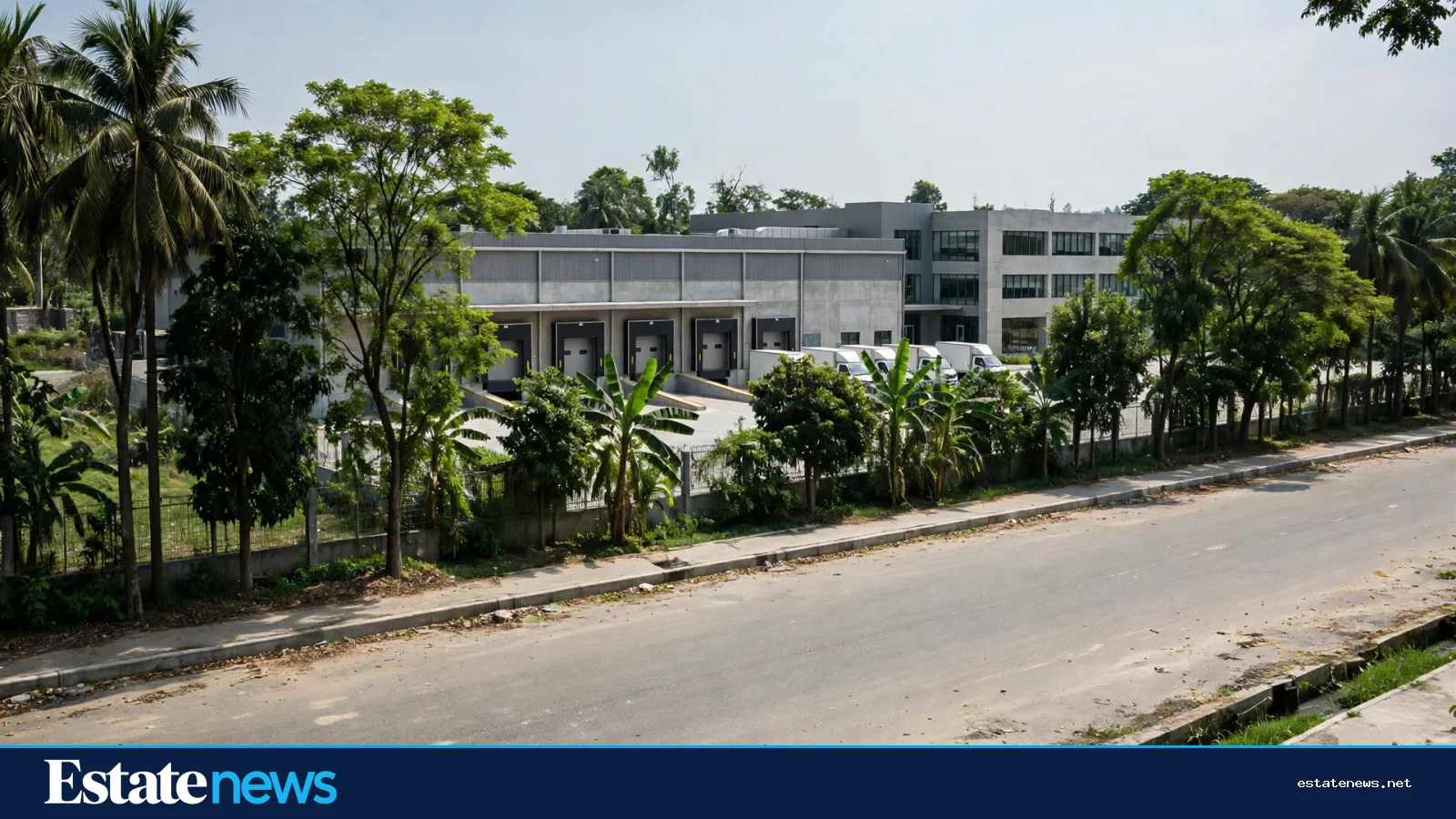
A warehouse far from a main road may be cheaper to rent, but every extra hour on the road adds cost and delay. A warehouse close to a congested junction may look well placed on a map and perform poorly at rush hour. Height matters too: a building that can store goods vertically, load quickly and keep stock dry and secure is worth more in practical terms than a larger shed that cannot do those things well.
For businesses, the choice is rarely between owning and renting in the abstract. It is between flexibility and control. Renting keeps capital free and allows a business to move as its trade changes. Owning gives stability but ties up money that could fund stock, staff or equipment. Neither choice is right for every business, and the answer often changes as a business grows.
Offices: location is only the first test
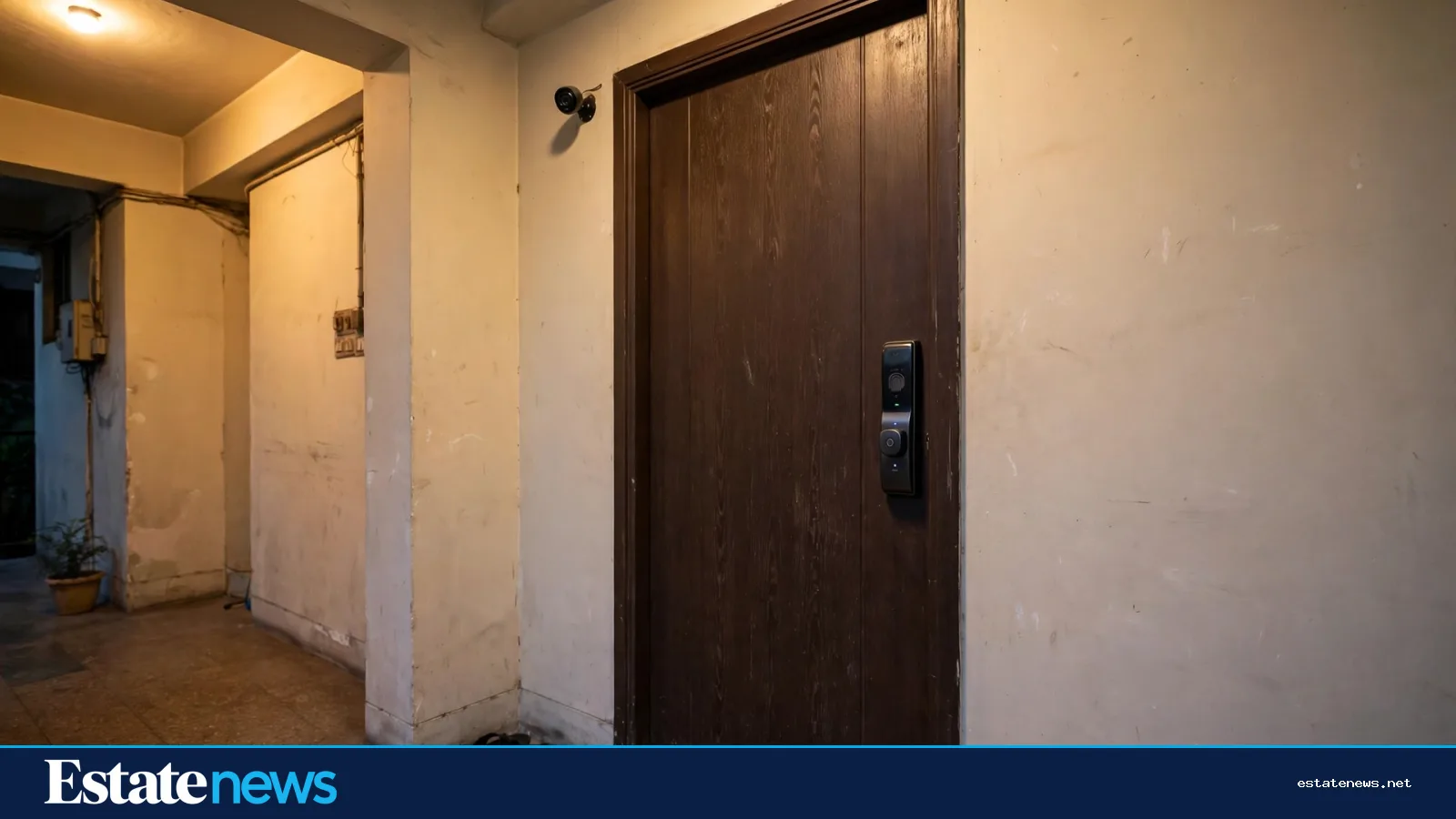
Dhaka's office market has also changed. Some businesses still need a central address and a formal frontage. Others need a practical floor near their staff, their clients or their operations, and care less about prestige than about a reliable lift, steady power, parking and a lease that allows them to expand or shrink.
The pandemic-era shift towards hybrid work has not removed the office, but it has changed what offices are for. Many teams now use an office for meetings, collaboration and client-facing work rather than as a place where every person sits every day. That makes layout more important than sheer size: a floor that can be rearranged, divided or shared will serve a growing business better than a larger floor locked into one fixed arrangement.
Tenants should read an office lease as carefully as a homebuyer reads a deed. The headline rent is only part of the cost. Service charges, generator and maintenance contributions, parking charges, fit-out obligations and the terms for renewal or early exit all shape the real monthly outlay. A lease that looks cheap and prevents expansion can cost more than a slightly dearer lease that allows a business to grow.


Retail: neighbourhood shops still decide daily life
Retail property is often pictured as shopping malls, but much of Dhaka's retail life happens in smaller premises: the grocery, the pharmacy, the tailoring shop, the restaurant and the service outlet on a neighbourhood street. Their success depends on the street itself — whether people walk past, whether they can stop safely, whether the area feels safe after dark and whether the shop serves a need that residents have every week.
That is why a shop in a busy location can still fail if its rent assumes a level of trade the street cannot sustain, and why a modest shop in a well-settled neighbourhood can trade steadily for years. Retail tenants should study the street at different times of day and on different days of the week before signing, not only at the quiet hour of a first viewing.
What to check before committing
Across all three types, the same discipline applies. Check the title and approvals with a lawyer, just as for a flat. Confirm the building's services — power, water, drainage, fire safety and access — rather than taking them on trust. Understand the full cost, including charges that sit outside the headline rent or price. And test the practical journey: can staff, customers and vehicles reach the building reliably, at the hours the business actually needs?
No rent or yield figure is quoted here, because commercial terms vary sharply by location, building quality and lease terms, and a single number would mislead more than it helped. The better guide is comparison: similar premises, in similar locations, on similar terms, examined in person.
Dhaka's flats will always dominate headlines. But the warehouses, offices and shops that keep the city working are property too — and for the businesses that use them, choosing well matters just as much as choosing a home.
This article is informational only and is not financial advice. Businesses should confirm lease terms, approvals and total costs with their lawyer and adviser before committing.
Follow Estate News on Facebook for daily property, market and money updates: https://www.facebook.com/profile.php?id=61593817347872