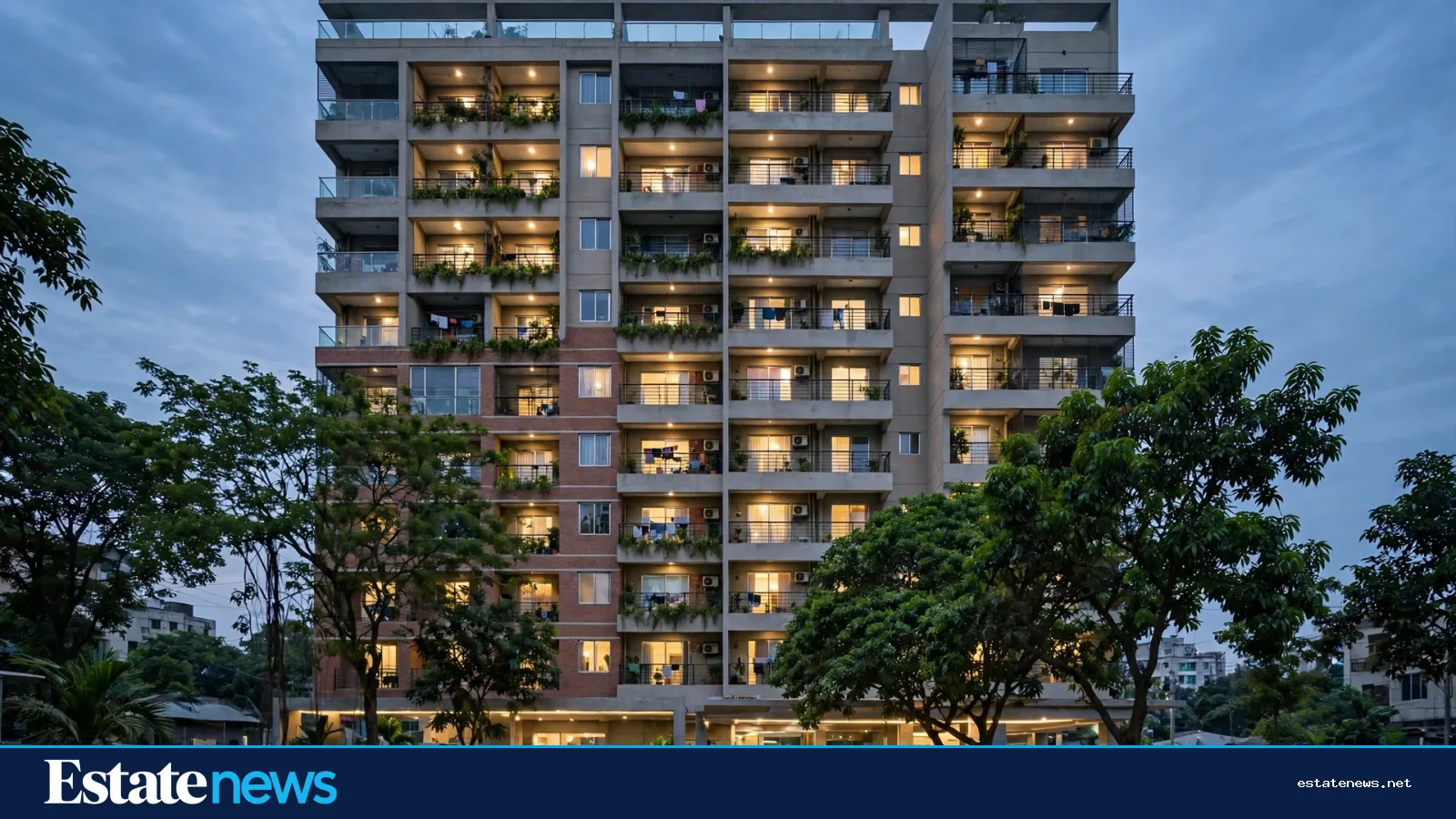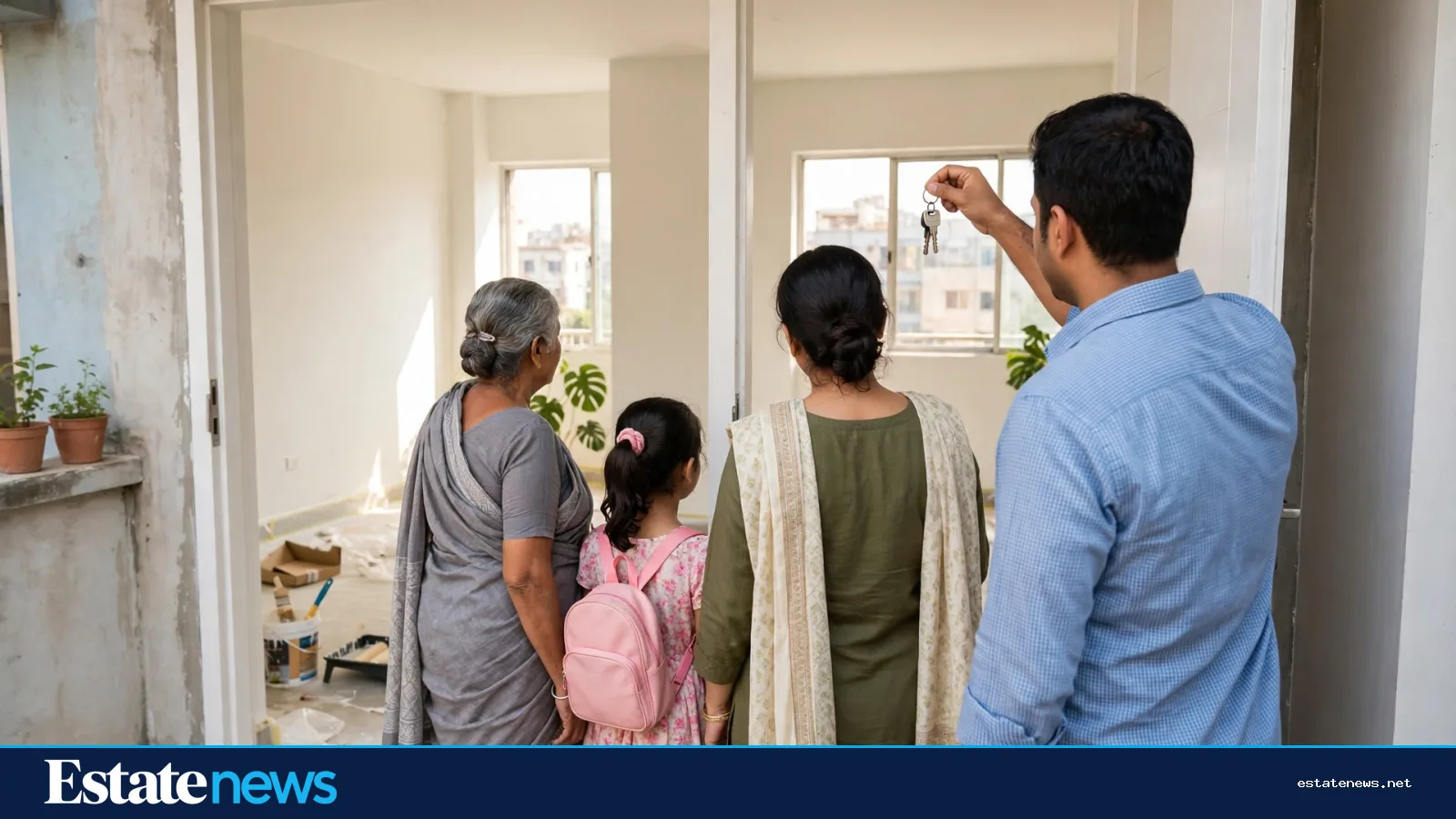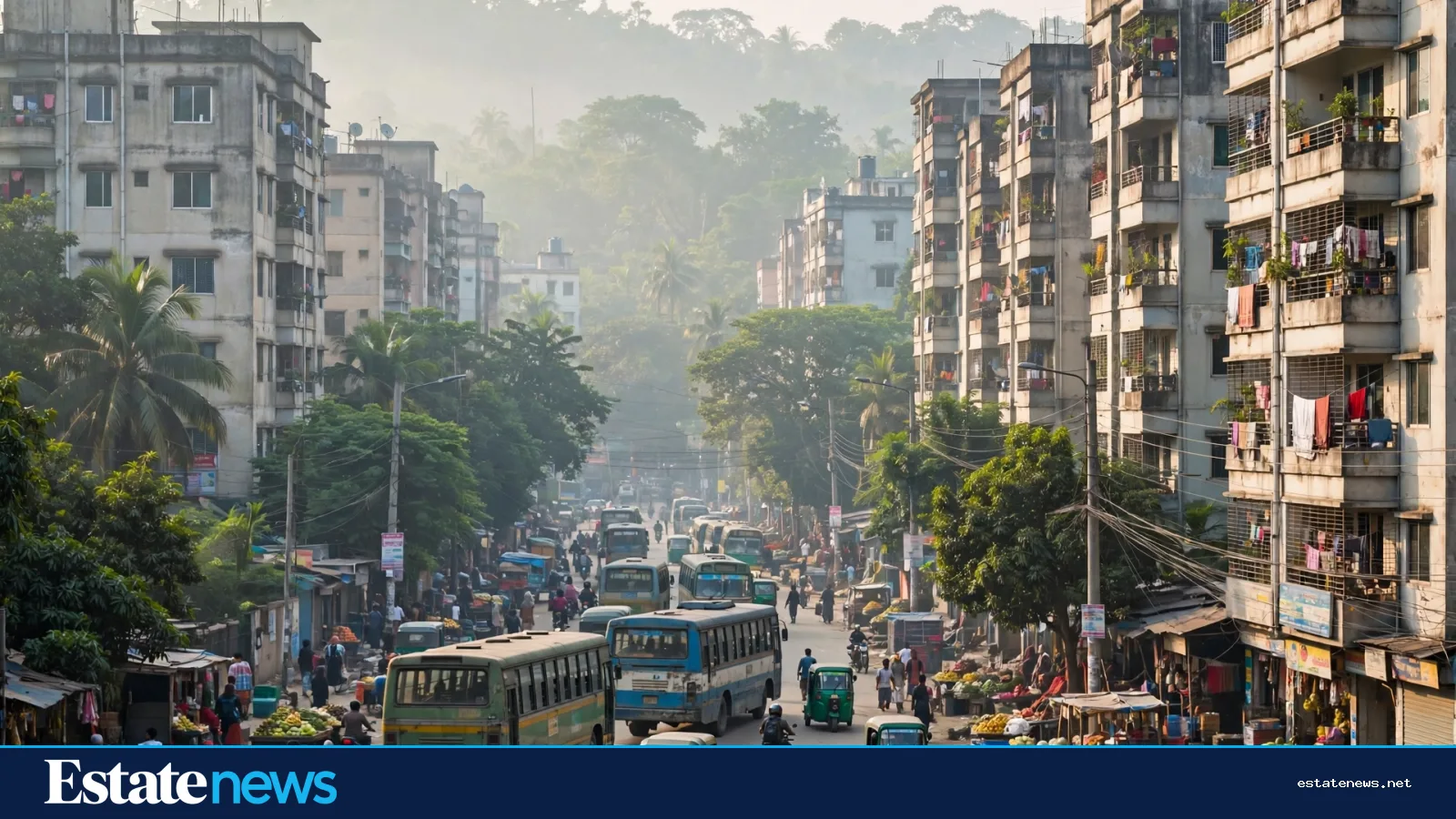
Every port city grows in waves. The first wave settles around the commercial centre, where offices, banks and established neighbourhoods already exist. The second wave spreads outward, to areas that offer newer buildings, more space, or a shorter journey to where people actually work. In Chattogram, that second wave is now visible in places such as Khulshi, Panchlaish and Arefin Nagar — areas that are increasingly part of the homebuying conversation, alongside the long-established GEC Circle.
This article does not quote a price for any of these areas. Prices vary by building, floor, size, facing and completion status, and an asking price in an advertisement is not the same as the price at which a flat actually changes hands. What can be described with confidence is the shape of demand: who is looking, why these areas appeal to them, and what a buyer should weigh before committing.
Why demand is spreading

Chattogram is Bangladesh's principal port city, and its economy is built around trade, shipping, industry, logistics and the services that support them. That economic base creates a particular kind of housing demand. Port and industry workers, business owners, professionals and their families need homes within a workable journey of their workplaces, schools and hospitals. When the centre becomes crowded or expensive, the search naturally widens.
Khulshi has long been one of Chattogram's established residential areas, known for its relatively green, quieter character compared with the busiest commercial stretches. Panchlaish sits close to hospitals, educational institutions and commercial activity, which makes it practical for families who value services within reach. Arefin Nagar, further out, represents the newer edge of this expansion — an area where newer projects can offer larger layouts and newer buildings, in exchange for a longer journey into the centre.
The pattern is familiar from Dhaka's own growth: buyers trade centrality for space, newness or quiet, and then judge whether the trade was worth it by how the daily journey feels, not by how the brochure looked.
Developers building in this wave
Among the Chattogram developers active in this story is Sanmar Properties, a developer associated with residential projects in Khulshi and Arefin Nagar, including Sanmar Green Park and Grande by Sanmar, as presented in the company's own project material. Naming a developer here is not an endorsement. It is a factual starting point for a buyer: a company's earlier projects, handover record and building management are matters a buyer can and should investigate directly, project by project, rather than taking any brand name as a guarantee of quality.
The constructive question for any developer in a growing area is the same: did earlier buildings get handed over on time, are they maintained well today, and do residents' practical concerns — water, lift, parking, service charges — get resolved? A visit to a completed building by the same developer, at an ordinary hour, will usually answer more than a sales brochure.


What port-linked demand really means
Port-linked demand is sometimes described as if it were a single force pushing prices in one direction. In practice it is several different demands at once. Some buyers work in port-related jobs and want a short commute. Some run businesses that serve the port economy and want a base for their family in the city. Some are Chattogram families buying for their own residence, whose decision has little to do with the port at all, and everything to do with schools, relatives and neighbourhood familiarity.
That distinction matters, because it guards against a common shortcut: assuming that any infrastructure or port-related news automatically raises the value of every nearby flat. This article makes no such claim. A new road, a port expansion or a commercial project may improve an area over time, or may bring congestion and construction disruption first. Buyers should look for evidence — completed works, usable roads, functioning services — rather than announcements alone.
A practical checklist for these areas
Buyers considering Khulshi, Panchlaish or Arefin Nagar should test the area the way they will live in it. Travel the route to work and school at rush hour, not only on a quiet weekend visit. Check water supply, drainage and power backup, and ask how the building manages them in practice. Look at the street after dark, and at the building's parking and security arrangements.
Then apply the usual buyer checks: the developer's handover record, the building's service-charge history, the title and approval papers checked by a lawyer, and the full cost beyond the headline price — registration, loan charges, connections and furnishing. Compare asking prices with recent transactions for similar flats nearby, rather than with the highest advertised price in the area.
Chattogram's second housing wave is, at its best, a story of a port city giving its residents more choice: established neighbourhoods, service-rich areas and newer edges, each with a different balance of convenience, space and price. The buyer's task is to match that choice to a real daily life — the commute, the school run, the water pressure, the building that is looked after. Judged that way, the wave is an opportunity to buy well, not a reason to hurry.
This article is informational only and is not financial advice. Buyers should confirm loan terms and legal documents with their bank and lawyer before committing.
Follow Estate News on Facebook for daily property, market and money updates: https://www.facebook.com/profile.php?id=61593817347872