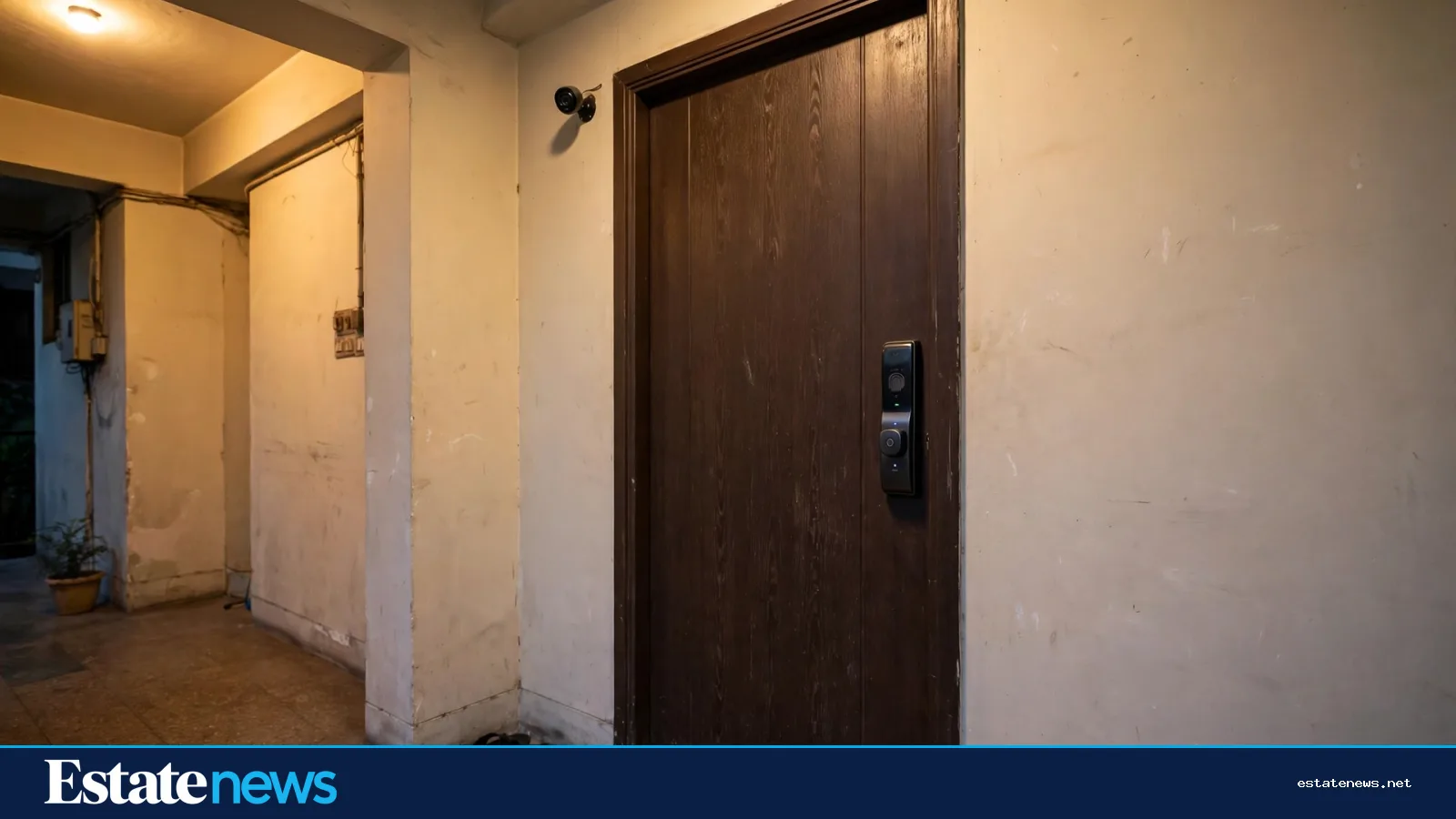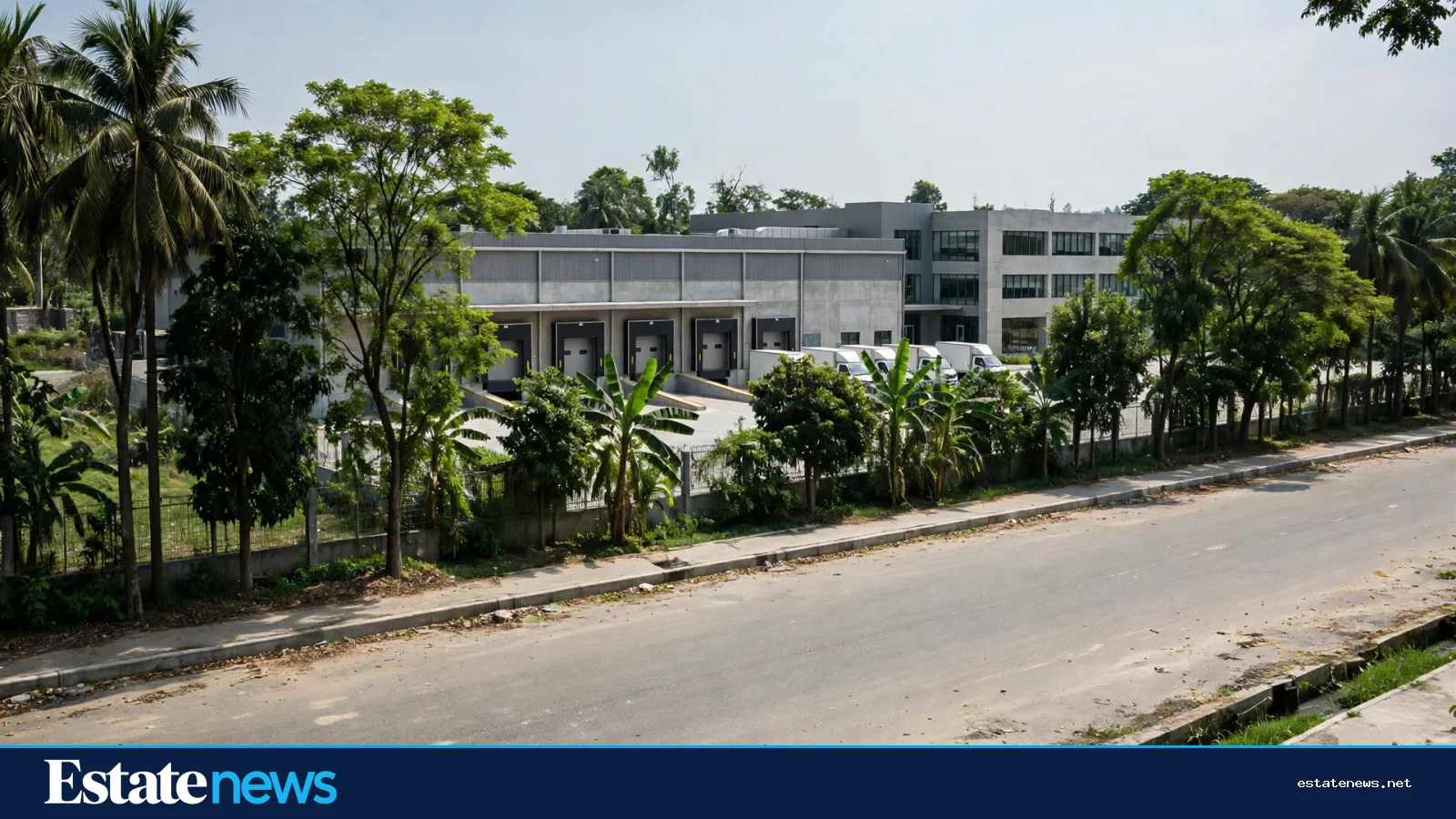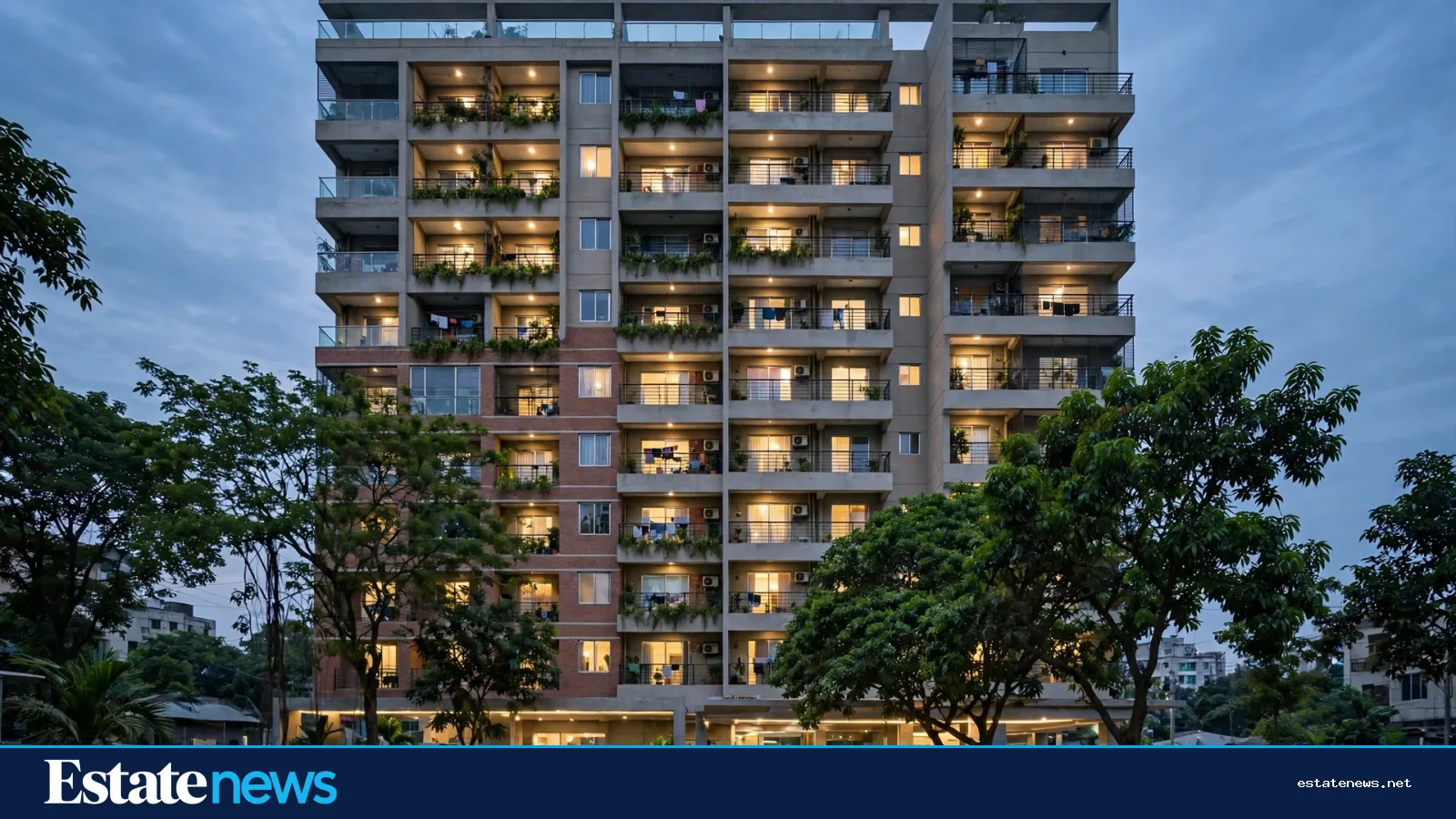
Some developers are best understood through their addresses. Building Technology & Ideas Ltd, known as bti, is one of those: a founding member of the Real Estate & Housing Association of Bangladesh (REHAB), according to reputable industry roundups, with projects across Gulshan, Bashundhara Residential Area, Uttara, Mirpur, Mohakhali and Aftabnagar in Dhaka, and in Khulshi and Lalkhanbazar in Chattogram. That spread — from established Dhaka neighbourhoods to newer residential areas, and from the capital to the port city — already says something about the market it serves: not one buyer type, but several, at different stages of life and with different budgets and priorities.
This article does not quote a price for any bti project. No project price or specification is stated here, because none is officially published in the material relied on for this piece; describing a home without an official price is preferable to inventing one. What can be examined, from the company's own published presentation of its work (btibd.com), is how it organises its homes into three collections — Classic, Luxury and Wellness Communities — and what that organisation reveals about how Dhaka buyers live now.
Classic: the everyday home, done properly

The Classic collection, as the company presents it, is the mainstream of its work: homes for families who want a well-located, well-built flat without the extras that push prices into the premium range. In market terms, this is the segment where most Dhaka transactions actually happen — buyers balancing location, size, monthly instalment and building quality, and judging a flat by whether daily life works in it: the school run, the commute, the water pressure, the lift that works.
The significance of a Classic tier is not glamour but discipline. A developer that maintains a mainstream collection alongside premium ones is signalling that its business does not depend only on the top of the market. For buyers, the practical test remains the same as for any developer: earlier projects, handover record, building management and the full cost beyond the headline price — all verified project by project, not assumed from a brand name.
Luxury: space, finish and address as the product
The Luxury collection, as presented by the company, speaks to a different buyer: one for whom the address, the finish and the scale of the home are themselves part of the purchase. Gulshan and Bashundhara Residential Area feature prominently in Dhaka's premium conversation, and a luxury tier in those areas competes on design, materials, amenities and privacy rather than on price alone.
Luxury in Dhaka is sometimes misunderstood as size alone. In practice, buyers in this segment tend to judge a home by quieter measures: the quality of common areas, the reliability of building services, the management of the building after handover, and whether the building will still feel premium in ten years. A luxury label that is not matched by long-term management will not hold its value, however impressive the show flat.
Wellness Communities: health as a housing idea


The third collection is the most telling about changing buyer priorities. Wellness Communities, as the company presents the concept, frames health and daily wellbeing — light, air, green space, places to walk and gather — as part of the housing offer rather than as an afterthought. The idea reflects a shift visible across Dhaka's housing conversation: after years in which location and size dominated, buyers increasingly ask how a building affects how they live day to day.
Whether any individual project delivers on that idea can only be judged by visiting it: the actual green space, the actual light, the actual air and noise, and the actual management of shared facilities. The concept matters because it shows a developer responding to a demand buyers are expressing — for homes that support, rather than merely shelter, daily life — and that demand is likely to shape what other developers offer next.
What the three collections say together
Read together, the three collections describe a market that has segmented. Dhaka buyers are no longer well described as a single group seeking "a flat". They include young professionals buying a first home, families upsizing within a familiar area, established buyers seeking a premium address, and buyers who prioritise light, air and community space. A developer offering three distinct collections is, in effect, acknowledging that segmentation and building for each part of it.
That segmentation also carries a caution. Collections are marketing categories, and marketing categories describe intent, not outcome. The buyer's work — checking the approved plan, the title papers, the developer's handover record, the building's management and the total cost — does not change because a project sits in a Classic, Luxury or Wellness collection. If anything, the more distinctive the promise, the more important it is to verify it in the built project rather than in the brochure.
For the wider market, bti's spread across Dhaka and Chattogram, and its position as a founding REHAB member, make it a useful reference point: a long-standing developer whose changing offer mirrors a changing buyer. Dhaka buyers today want homes that work for daily life, hold their value through good management, and — increasingly — support wellbeing. The developers who understand all three, and can show it in completed buildings rather than only in collections, are the ones buyers will keep returning to.
This article is informational only and is not financial advice. Project details should be confirmed with the developer, and legal documents with a lawyer, before any purchase.
Follow Estate News on Facebook for daily property, market and money updates: https://www.facebook.com/profile.php?id=61593817347872