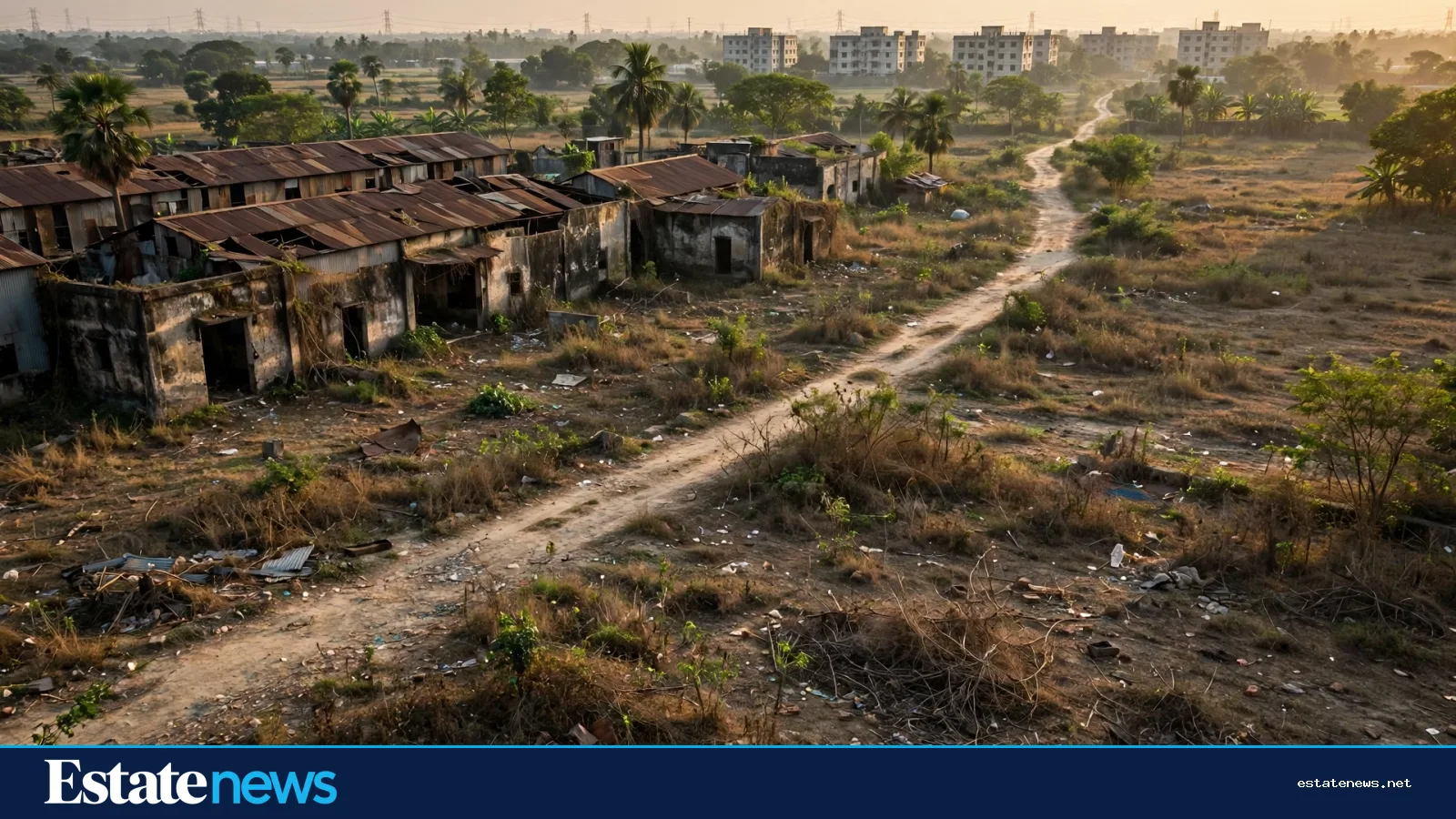
Some of Bangladesh's most valuable industrial ground is not producing anything. Factories that closed, or enterprises that have run at a loss for years, still hold land — land with roads, power connections and a workforce nearby — while new businesses search for plots to build on. A government draft reported by The Business Standard would change that equation, by opening such land to any viable business through transparent tenders.
Under the draft, prepared under the Invest Bangladesh Act 2026, a total of 10,306 acres of idle land belonging to 44 closed or loss-making state enterprises would be made available. The reporting puts the first factories from the process in May–June next year. The details that matter most for readers are the method and the purpose: allocation through transparent tenders, open to any viable business, rather than through discretionary allotment — and reuse for production, rather than simply a change of ownership on paper.
Why idle land matters

Industrial land is not like other land. A plot that once held a factory usually already has road access, utility connections and a surrounding labour market. Bringing such a plot back into use is therefore faster, in principle, than developing a greenfield site from scratch — though the condition of buildings, environmental clearance and infrastructure repair still need honest assessment plot by plot.
The cost of leaving land idle is also easy to underestimate. An unused industrial site produces no jobs, no output and no tax revenue, while its buildings deteriorate and its neighbourhood loses the shops, transport and housing demand that a working factory supports. Productive reuse reverses that chain, but only if the new use is genuinely viable — a tender process that tests business plans, financing and employment potential is therefore central to the draft's promise, not a footnote to it.
What it could mean for factories and warehouses
For manufacturers, the most direct opportunity is space: plots where a factory, processing unit or warehouse can be built without the long search and assembly that new industrial land usually requires. For logistics operators, sites near existing transport routes could support warehousing and distribution, particularly where road and rail access already exists.
None of this is automatic. Interested businesses will need to assess each plot's title and lease terms, the state of utilities, environmental obligations, and whether the site suits their particular operation. A textile unit, a food processor and a warehouse have different needs for power, water, drainage and access, and a plot that suits one may not suit another. The tender documents, when published, will therefore matter as much as the headline acreage: clear terms, realistic timelines and transparent evaluation will decide whether viable businesses actually bid.


What it could mean for nearby housing
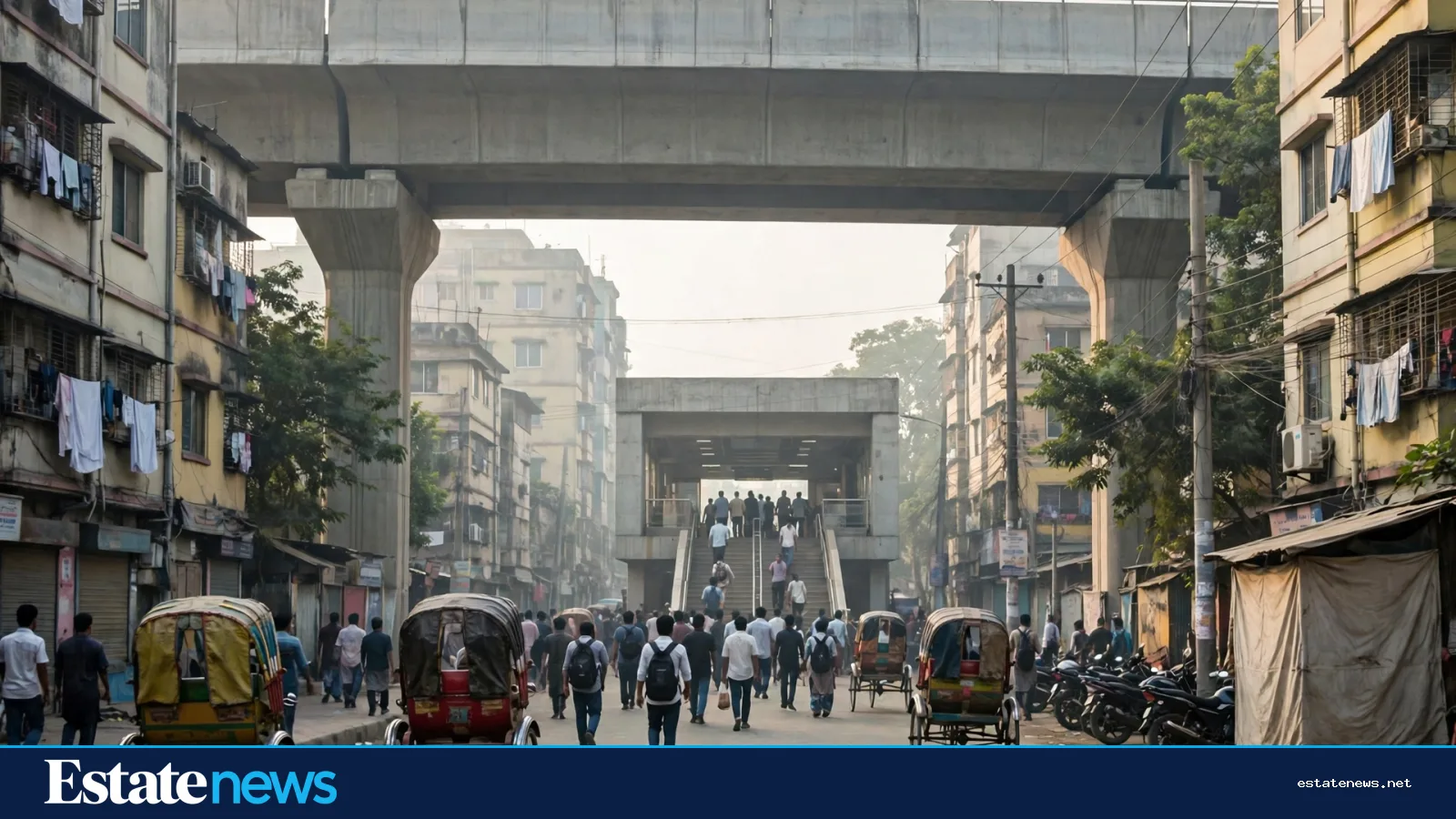
Where factories and warehouses reopen, housing demand nearby usually follows — workers need homes, managers need homes, and services from shops to schools follow people. Gazipur's housing corridor, where factories, commutes and family moves have reshaped whole neighbourhoods, shows how industrial employment and housing growth move together.
This article makes no claim that reopening industrial land will raise property prices in any particular area. That would require evidence about specific plots, specific projects and actual transactions, none of which exists yet for land still at the draft stage. What can fairly be said is that productive reuse creates the conditions in which housing demand can grow — jobs, incomes and daily activity — and that local housing markets near successful sites are worth watching as tenders are awarded and factories begin work.
Residents and local businesses near candidate sites should also watch the other side of reuse: traffic, worker housing standards, environmental compliance and pressure on water and roads. Industrial revival benefits a neighbourhood most when its infrastructure and services grow alongside employment, not after it.
What to watch next
Three things will show whether the draft becomes real change. First, whether the draft is finalised and the tender rules published with clear eligibility, evaluation and lease terms. Second, whether the first tenders attract credible bidders — and whether the first factories do indeed begin in May–June next year, as reported. Third, what actually happens on the ground: which plots are taken, what is built, and how many jobs follow.
For property readers, the useful discipline is to follow the tenders plot by plot, rather than treating 10,306 acres as a single event. Some sites will move quickly; others will need remediation, infrastructure work or a different use. The story will be written site by site, in jobs created and buildings reopened — and Estate News will follow it that way.
Follow Estate News on Facebook for daily property, market and money updates: https://www.facebook.com/profile.php?id=61593817347872