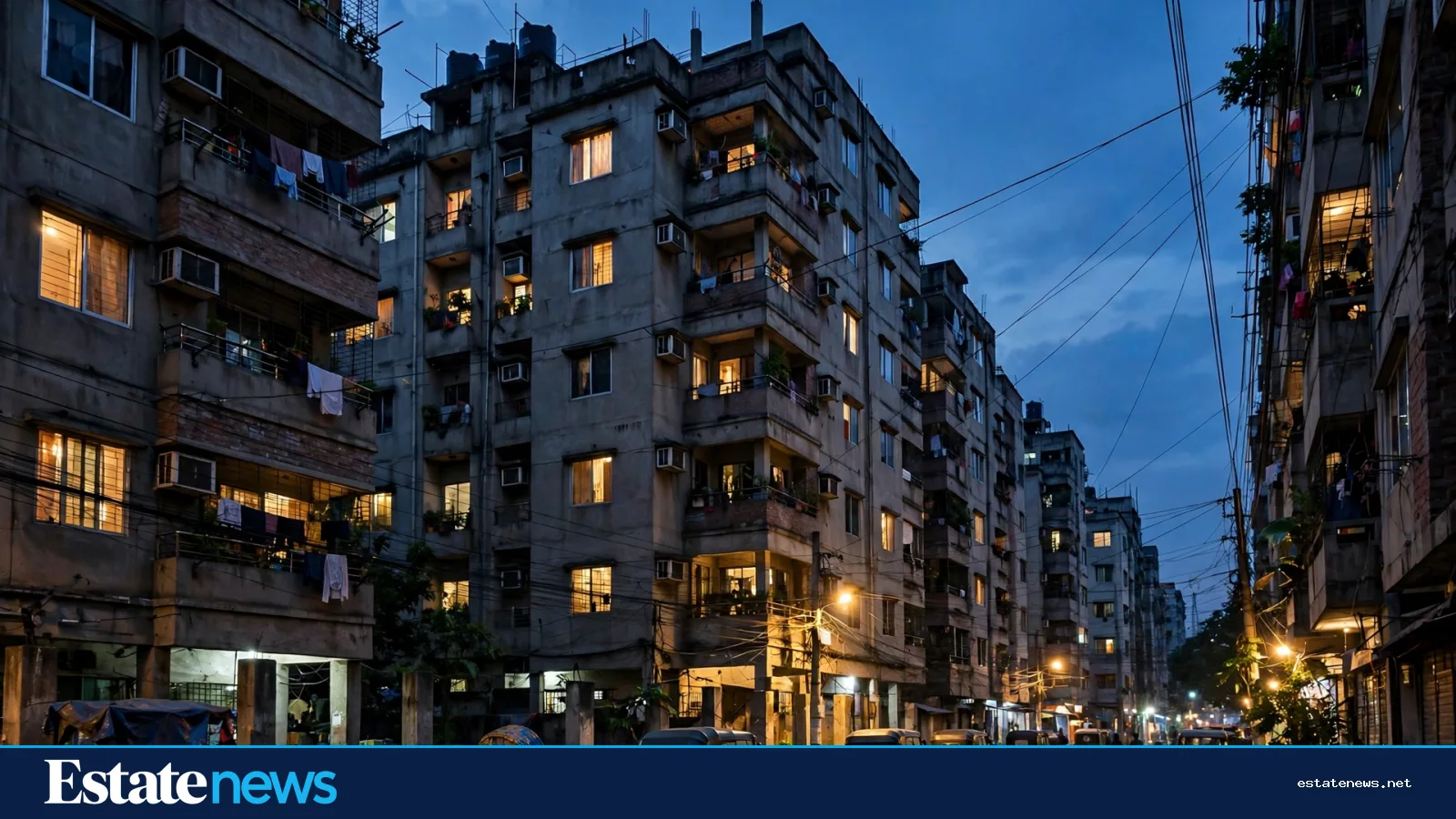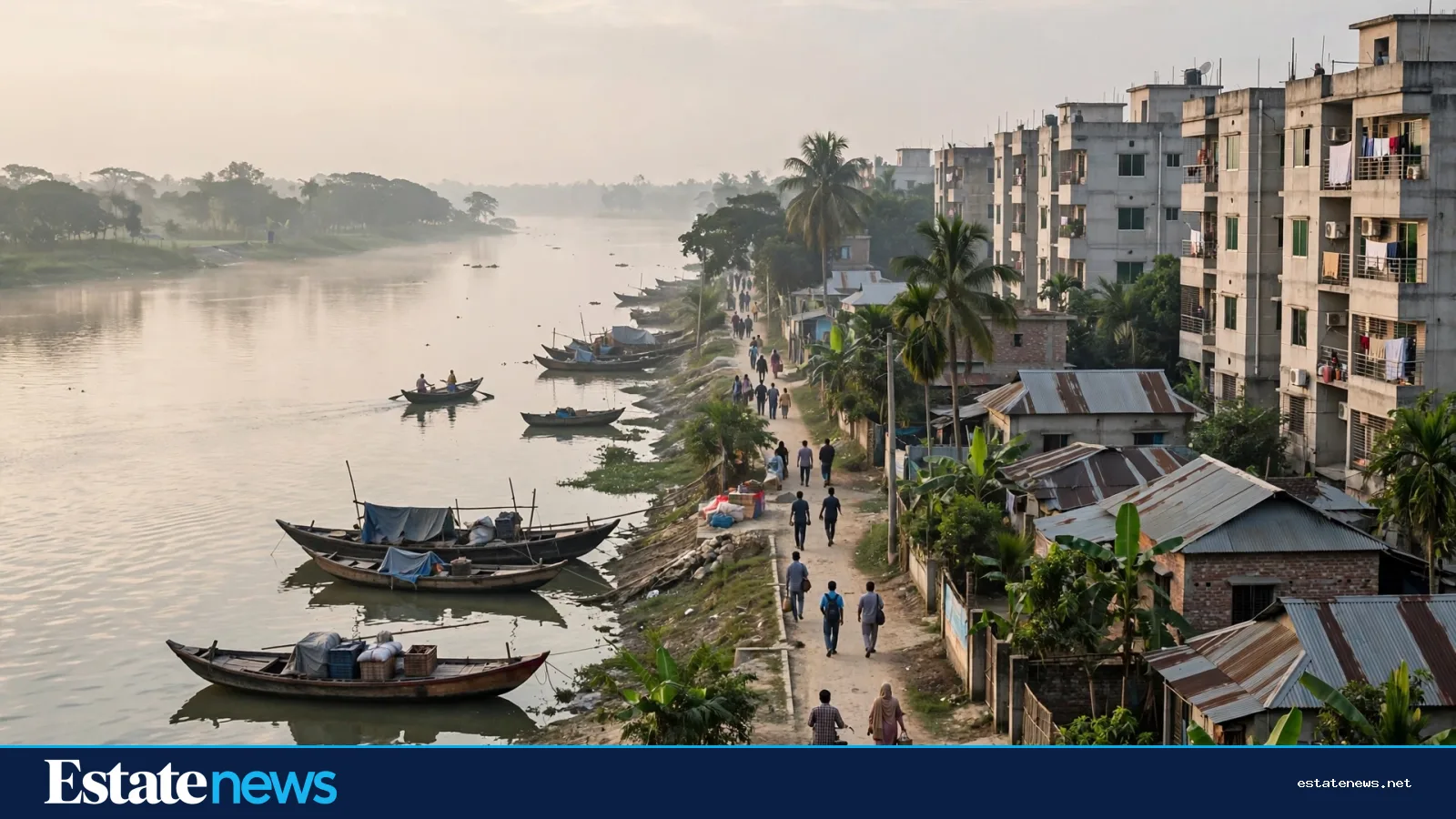
Cross the Buriganga from Old Dhaka in the morning and the city changes its tune. The lanes narrow, the workshops give way to open ground, and the smell of the river gives way, in places, to brick dust and fresh concrete. For years, people crossed this river to work, to trade, or to pass through toward the south. Now a growing number cross it to go home. Keraniganj, Dhaka's large neighbour on the south bank, is filling with family houses, plots and small apartment blocks, and its housing story has become one of the more interesting edges of the capital's growth.
The reasons are not mysterious. Land on the south bank costs less than land inside Dhaka, and the plots are often larger. A family that cannot afford a flat in Dhanmondi or a house in Mohammadpur can contemplate a house in Keraniganj, with room for parents, children and a small courtyard. Traders and small manufacturers who have worked in Old Dhaka for generations already know the area's lanes and markets. Workers in the factories and workshops along the south bank want to live near their jobs rather than commute across the river twice a day. Housing follows those lives, as it always does.
The corridor effect, without the hype

Keraniganj's growth is tied to its roads, above all the Dhaka-Mawa corridor and the Padma Bridge beyond it. The Daily Star reported in December 2024 that housing along the Dhaka-Mawa-Bhanga Expressway had grown rapidly after the bridge opened, with buyers drawn by faster access to the capital and by the appeal of living outside the crowded centre. Developers and individual landowners have built homes along that route, and some projects cater to both lower and upper-middle-class buyers.
That corridor effect is real, but it needs careful reading. A bridge and an expressway improve access. They do not, by themselves, make any particular plot a good home or a good investment, and Estate News does not claim that infrastructure raises prices without evidence. What a buyer can verify is the journey itself: how long it takes from a given Keraniganj lane to a workplace in Dhaka at rush hour, in the rain, on a working day. A home that depends on a single bridge crossing needs that crossing to work every day, not only on a clear Sunday morning.
Who is actually moving to the south bank
Three kinds of buyers shape Keraniganj's housing today, and they want different things. The first is the Old Dhaka family with roots on the south bank, buying a larger house where relatives already live, or building on a family plot that has waited years for its turn. For them, Keraniganj is not a new frontier. It is home, finally built properly.
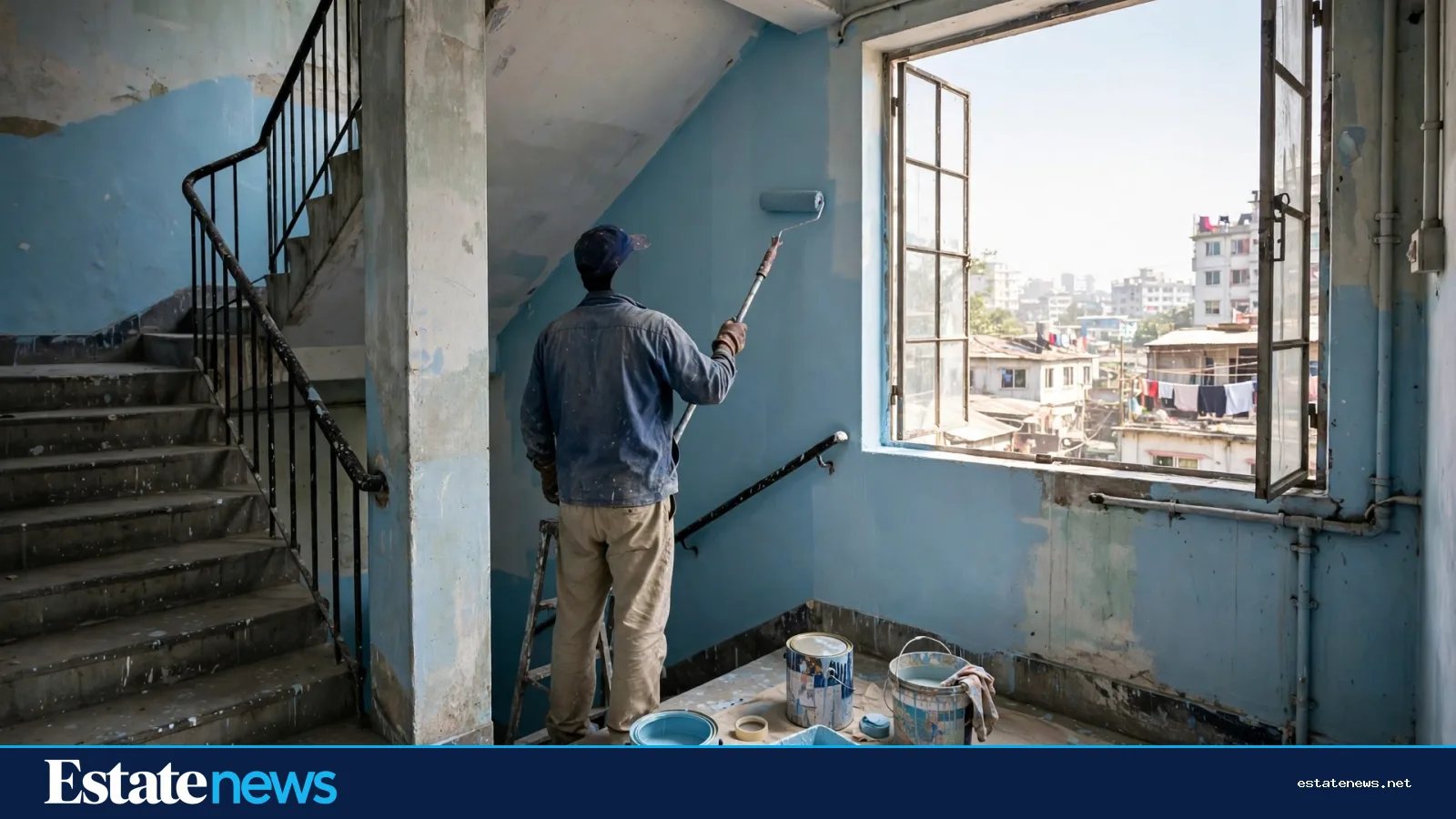
The second is the salaried household priced out of central Dhaka, trading a longer commute for a larger home and a lower monthly outlay. These buyers compare Keraniganj with Savar, Gazipur and the eastern fringe, and they choose on commute time, school access and water supply rather than on any single promise. The third is the small investor and landlord, building rental rooms and small flats for workers and traders near markets and factory areas. Their buildings fill a genuine need, but their quality varies, and tenants should inspect them with the same care as any Dhaka flat.


The checks the south bank demands
Keraniganj rewards buyers who check the ground, literally. Water is the first question. Many south-bank areas depend on a mix of supply arrangements, and reliability varies lane by lane. Ask residents how water behaves in the dry season, and whether the supply is steady enough for a family, not only for a single household.
Drainage and flooding come second, and they matter more here than in most of Dhaka. Low-lying land near the Buriganga and its channels holds water in the monsoon, and a street that looks firm in November may behave differently in July. Visit after rain if possible. Ask neighbours about the last heavy monsoon, and look at the plinth heights of houses that have stood through several of them. A house built high, with its neighbours, has learned something. A house built low, alone, has not.
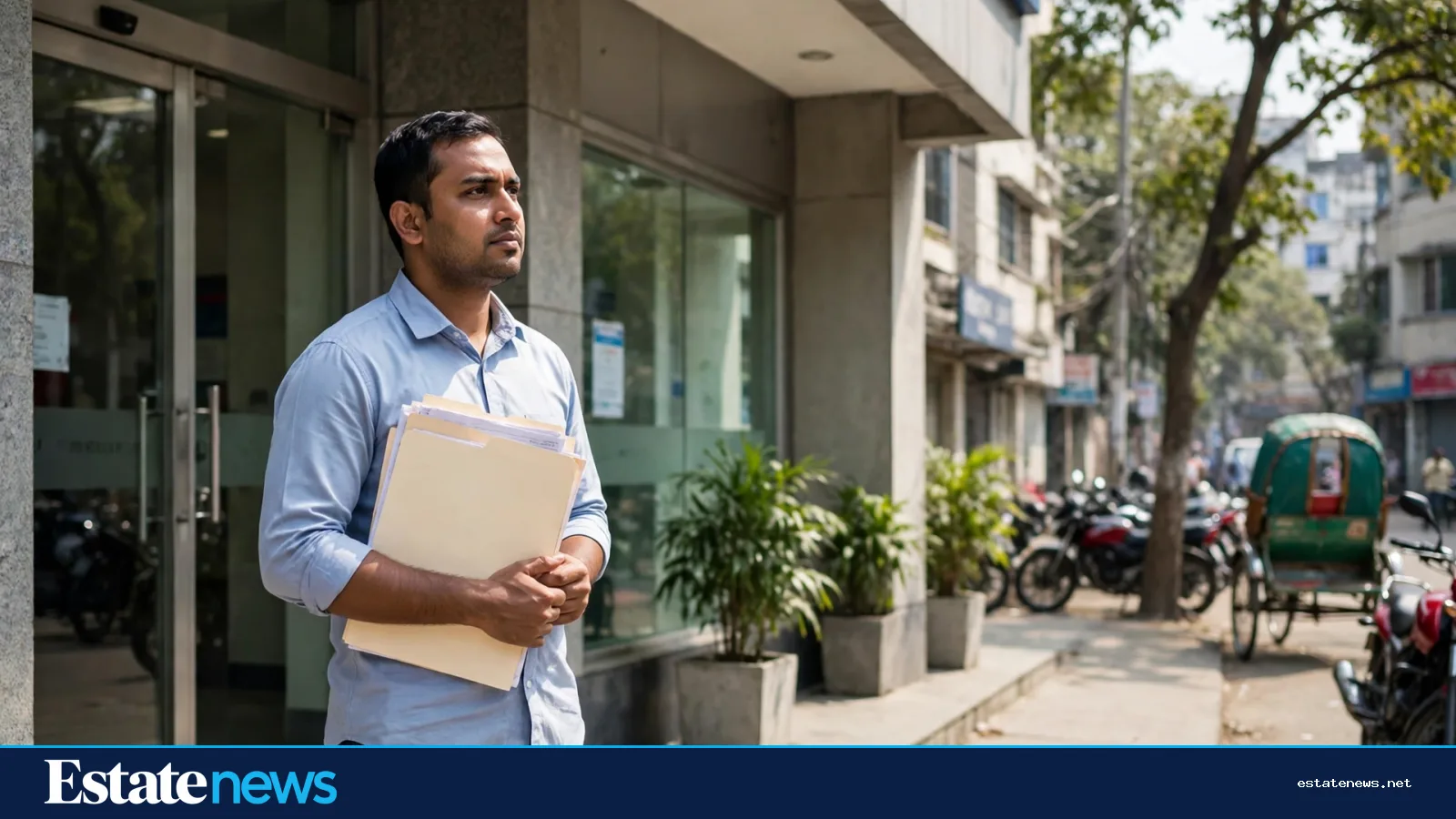
Titles come third, and they deserve full attention on the urban fringe. Land here often carries a longer, more tangled history than a city apartment: agricultural plots converted to housing, family partitions, and plots sold before services arrived. The standard checks apply with full force: deed chain, mutation records, layout approvals where a project is involved, and a lawyer's opinion before money moves. A plot with a clean file and a dull story is worth more than a plot with a bright story and a gap in its papers.
A south bank with its own life
The most encouraging part of Keraniganj's growth is that it is not only a dormitory for Dhaka. Markets, workshops, schools and mosques give its neighbourhoods their own daily rhythm, and families who move there often stay, put children in local schools, and build lives that do not depend on crossing the river for every need. That is the mark of a place becoming a town in its own right, rather than an overflow lot for the capital.
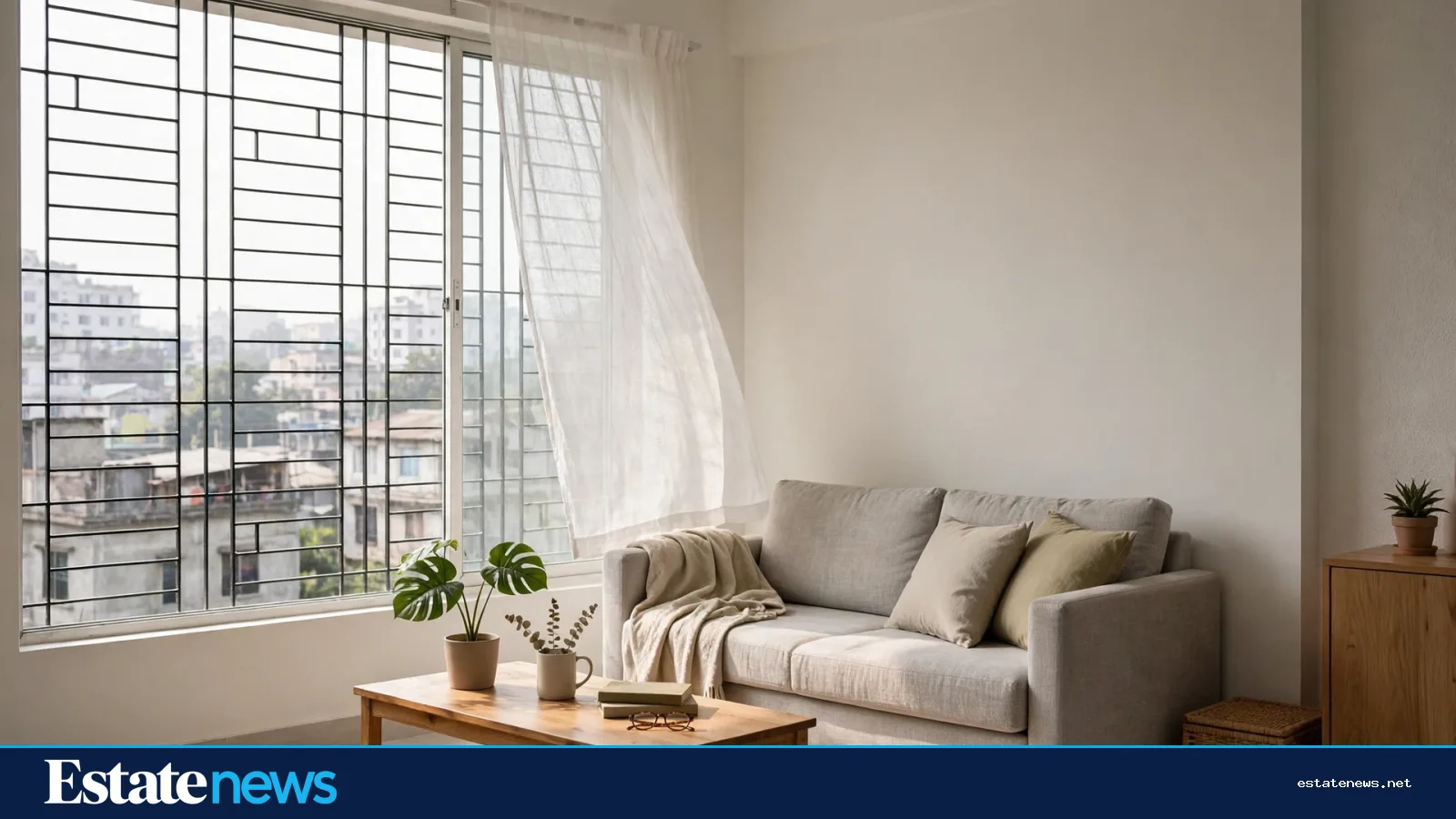
For a buyer, the south bank offers a genuine choice: a larger home, near family or work, at a figure central Dhaka cannot match, in an area that is becoming more residential each year. Judge it on the commute you will actually make, the water you will actually drink, the papers you can actually verify, and the lane you will walk every evening. On those terms, Keraniganj is not a bet on a plan. It is a place to live, and a growing number of Dhaka families are deciding that it is the right place for them.