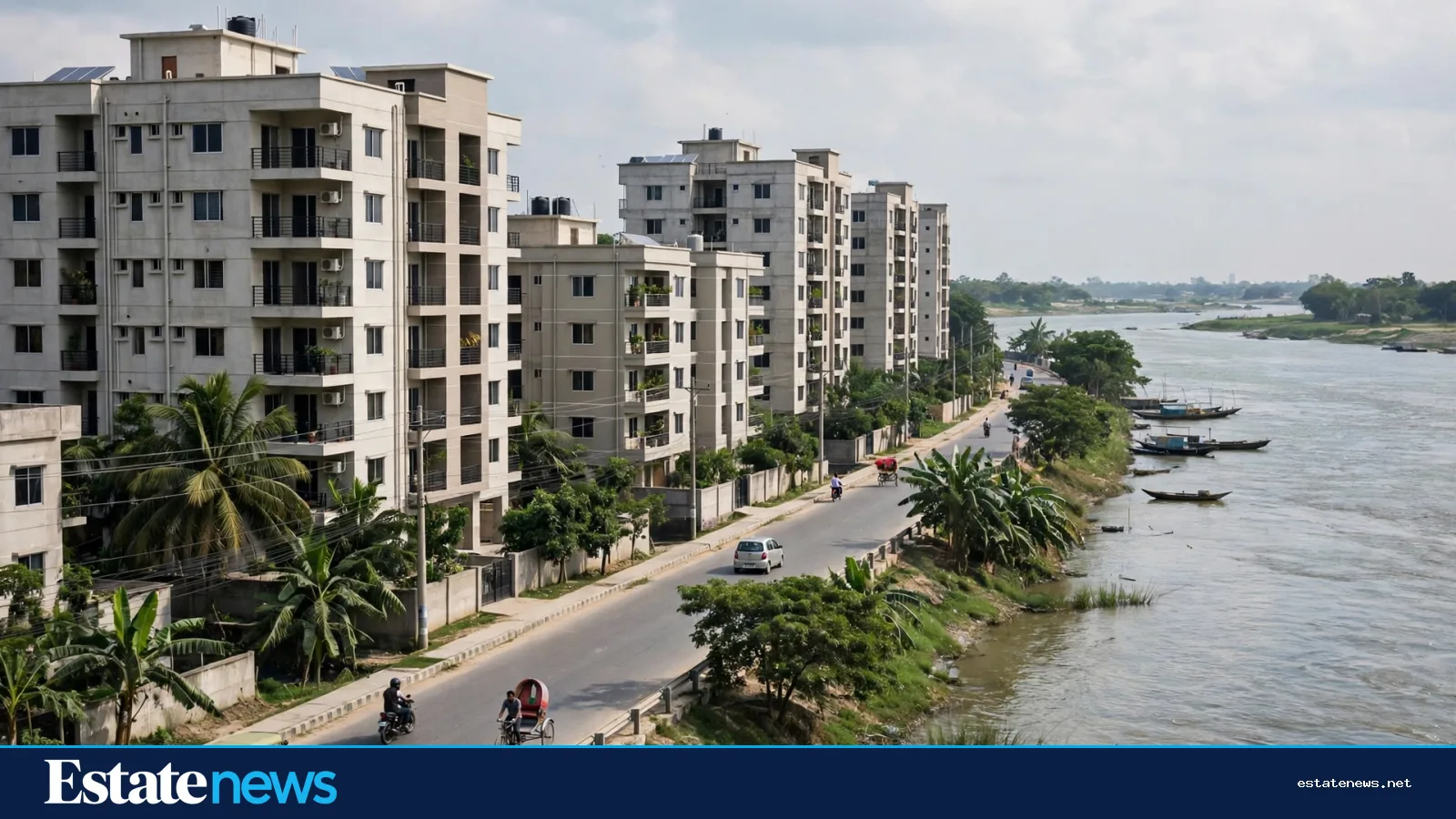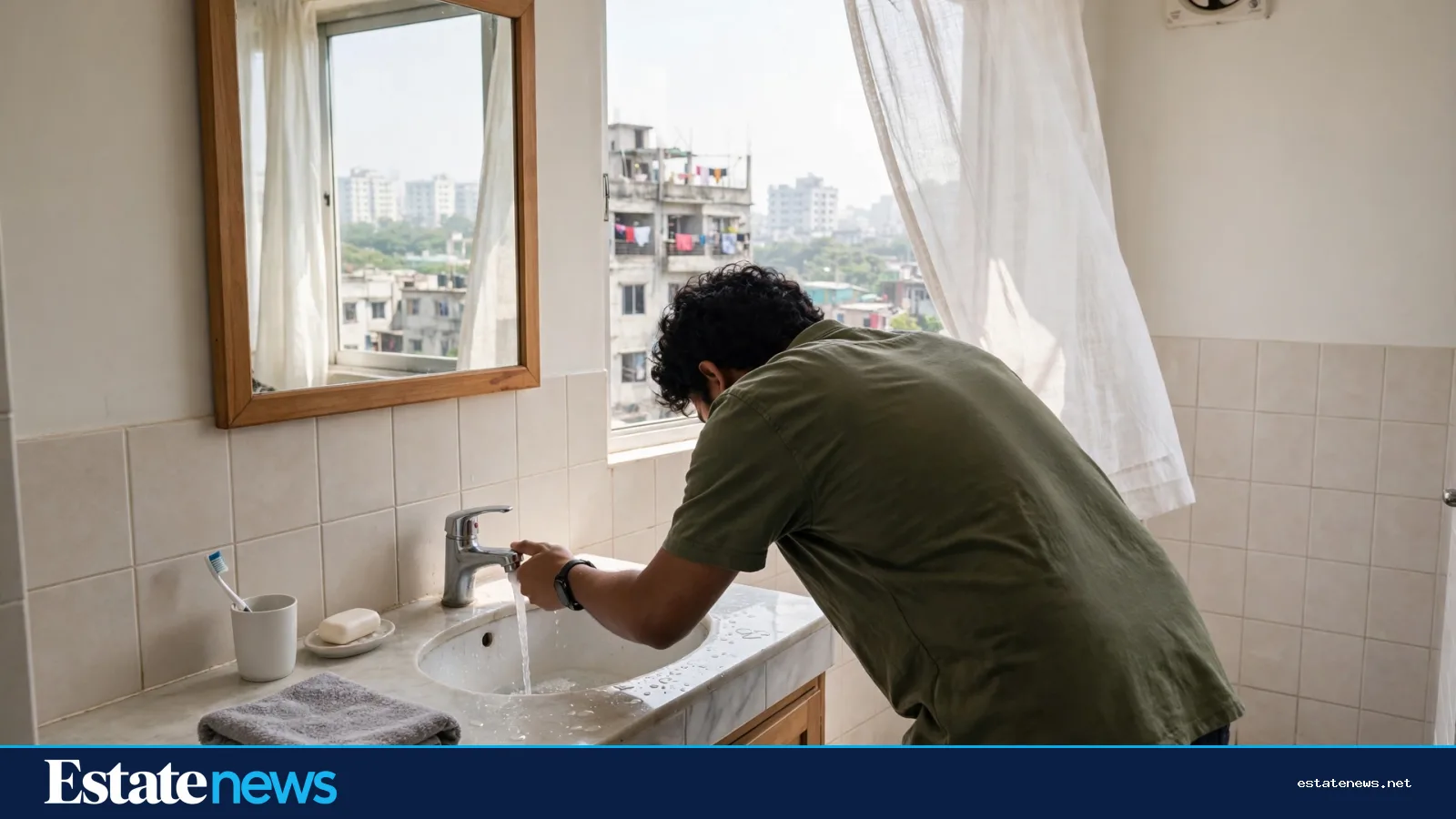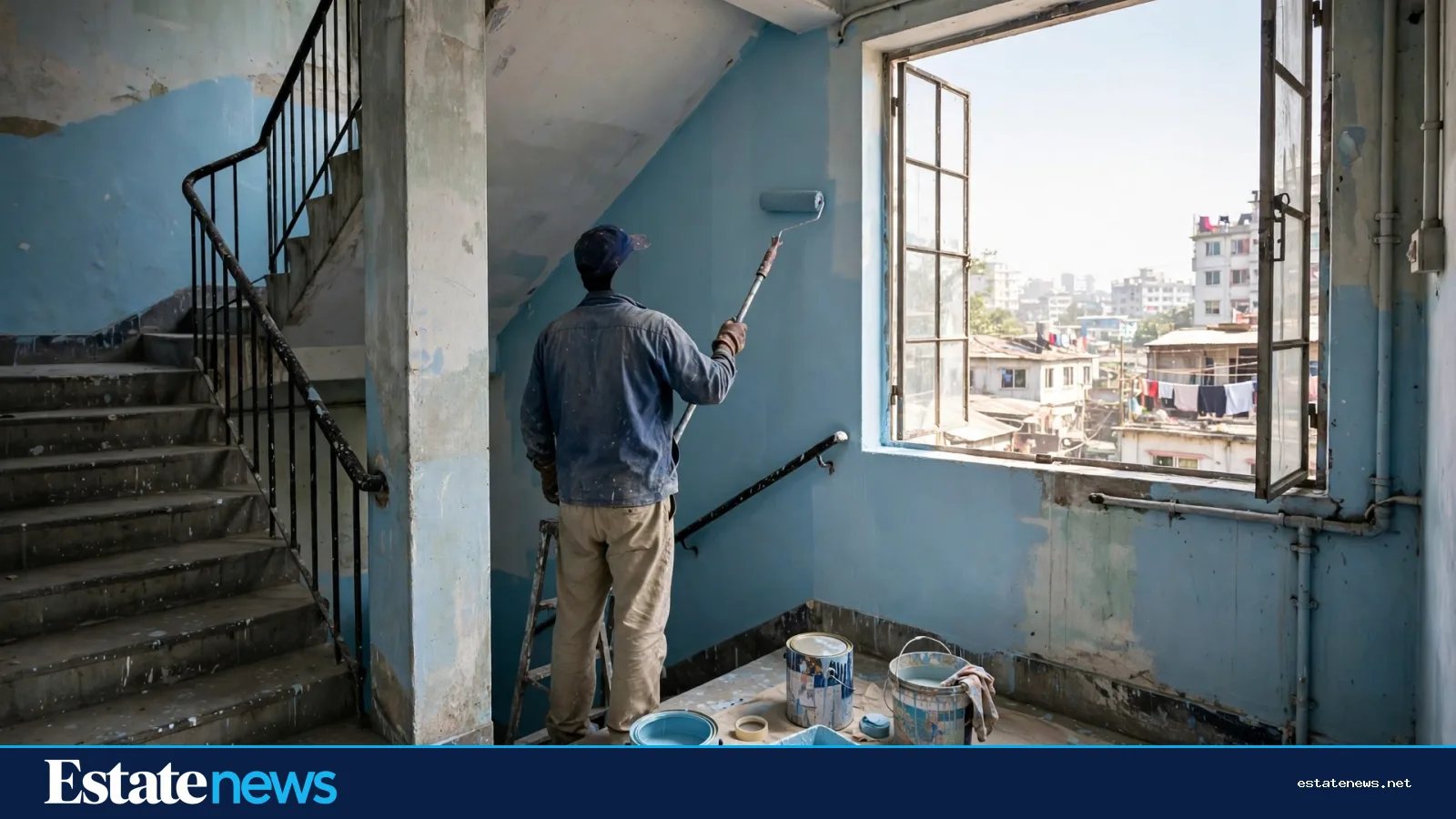
Take a flat in Mirpur that lets for Tk30,000 a month. On paper, that is Tk3,60,000 a year. A new landlord might look at that figure and feel the purchase has paid for itself. Then the year happens. The service charge rises after the lift needs work. A tenant leaves in March, and the flat stands empty through April while it is repainted and re-let. A water pump fails in the monsoon. By December, the amount actually kept is nowhere near the paper figure. None of this means letting is a bad idea. It means the cheque is gross income, not profit, and the gap between the two deserves a proper accounting.
Start with the costs that arrive every month whether the flat is let or not. Service and maintenance charges in Dhaka buildings cover lifts, generators, water pumps, cleaning, security and common-area electricity, and they vary widely by building and by the services on offer. A building with a generator that runs the whole flat during load shedding charges more than one where the generator covers only the lift and stair lights. Then there is the landlord's own share of building costs that sit outside the monthly charge, including contributions to larger repairs when the residents' association calls for them.
The costs that arrive in lumps

Repairs are the second layer, and they are lumpy by nature. Repainting between tenancies, fixing plumbing, replacing a geyser or a kitchen fitting, repairing damp patches: each item is small on its own, but a turnover year can stack several of them together. Older buildings cost more here, not because anyone is careless, but because lifts, pipes and wiring age on a schedule of their own. A landlord who budgets nothing for repairs will find the money anyway, taken from the rent in a month when it hurts most.
Vacancy is the cost landlords most often leave out of their sums, and it is usually the largest single deduction. A flat empty for one month loses a twelfth of annual rent. Empty for two months, and the loss is a sixth. Add the broker's fee for finding the next tenant, where one is paid, and the repaint, and a single change of tenant can absorb two months of rent before the new tenant pays a taka. Landlords sometimes respond by accepting the first tenant who offers the asking rent. That can be the more expensive choice if the tenant leaves quickly or pays late. A stable tenant who stays three years is worth more than a higher rent from a tenant who stays seven months.
Management is a quieter cost. A landlord living in the same building can handle calls, visits and repairs personally. A landlord living in another city, or abroad, usually cannot. Someone must hold keys, meet the caretaker, supervise a plumber, collect rent and check the flat between tenants. If that work is paid for, it is a cost. If it is done by a family member for free, it is still work, and it still deserves to be counted when judging whether the flat earns its keep.
Tax: declared, recorded, advised on


Rental income is one of the categories of income that must be declared in a tax return, according to Prothom Alo's reporting of the National Board of Revenue's income categories. That is the firm ground. Beyond that, the treatment of a particular landlord's rental income depends on their overall income and circumstances, and on which expenses the rules allow. This article gives no tax rate, because a rate quoted without the reader's circumstances would mislead more than it helps. Keep records instead: rent received, month by month; service charges paid; repair bills; broker fees; and any correspondence with the building association about special contributions. Hand that file to a tax professional at return time, rather than reconstructing a year from memory and bank statements.
One habit makes the tax side far easier. Receive rent through a bank channel and keep the flat's money in a separate record from household spending.
Working out what you actually keep
A simple annual reckoning brings the picture together. Write down twelve months of rent at the contracted rate. Subtract the months the flat was actually empty, not the months you hoped it would be let. Subtract service charges for the full year, including any special contributions. Subtract repairs, repainting and broker fees actually paid. Subtract management costs, whether paid to an agent or valued honestly as your own time. What remains, before tax, is the flat's operating result.
Run that reckoning on a real year, not an ideal one, and two things usually become clear. One, a modest rent from a long tenant often beats a higher rent with frequent turnover. Two, buildings matter as much as tenants: a well-managed building with a healthy repair fund protects the landlord's income, while a building that defers maintenance hands the landlord sudden bills. That is why a buyer choosing a flat to let should inspect the building's management with the same care as the flat itself, asking how charges are set, what the repair fund holds, and what major works are planned.
None of this argues against letting. Dhaka's rental demand is deep, and a well-chosen, well-kept flat can produce steady income for years. It argues for counting honestly. The landlord who knows the net figure can set a fair rent, choose tenants for stability rather than speed, and decide without illusion whether a second flat, or a different use of the same capital, deserves the money. The cheque is the start of the story. The costs are the rest of it, and they decide what the story is worth.
This article is general information only, not financial or tax advice. Take professional advice on your own tax position before acting.