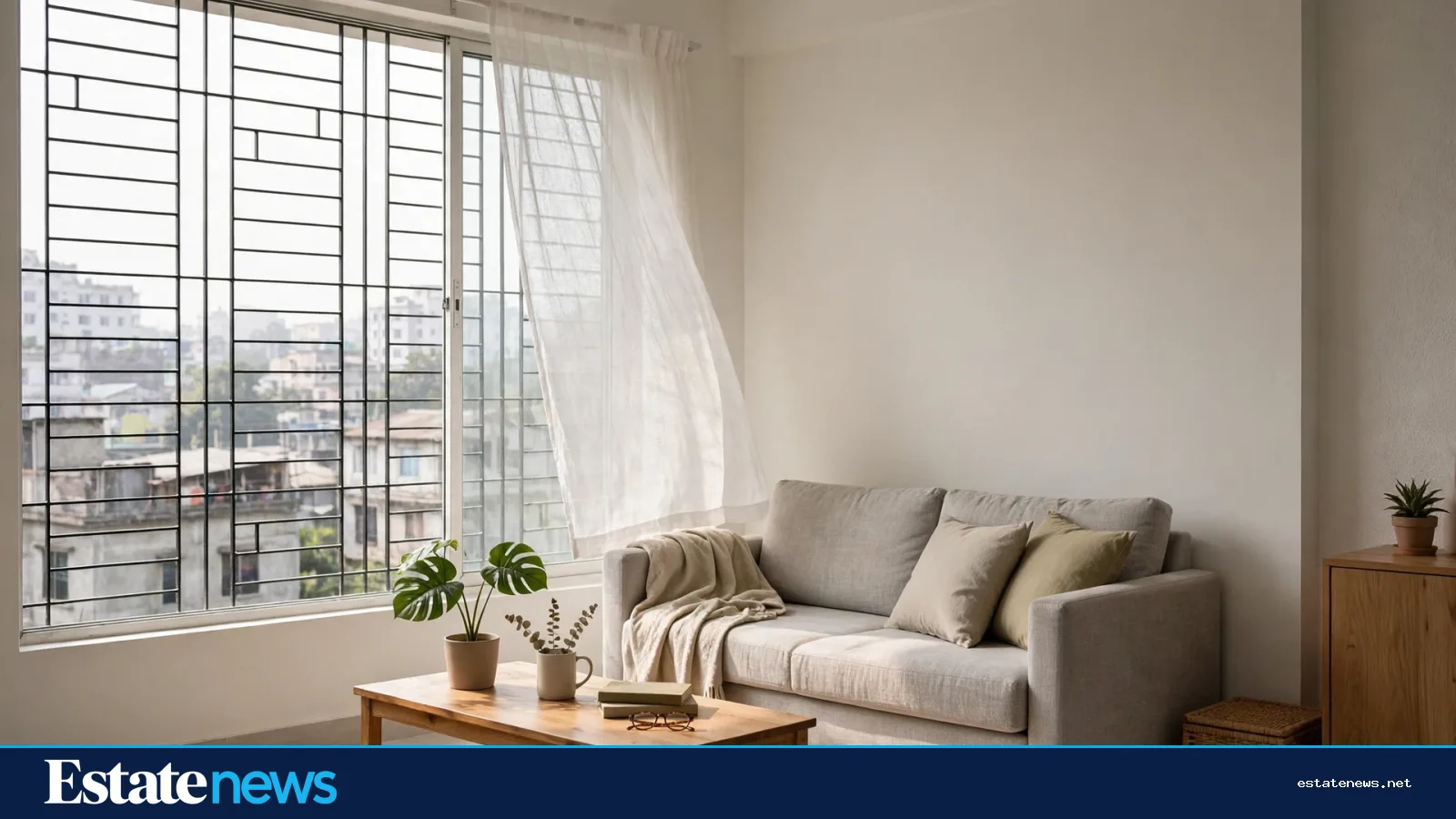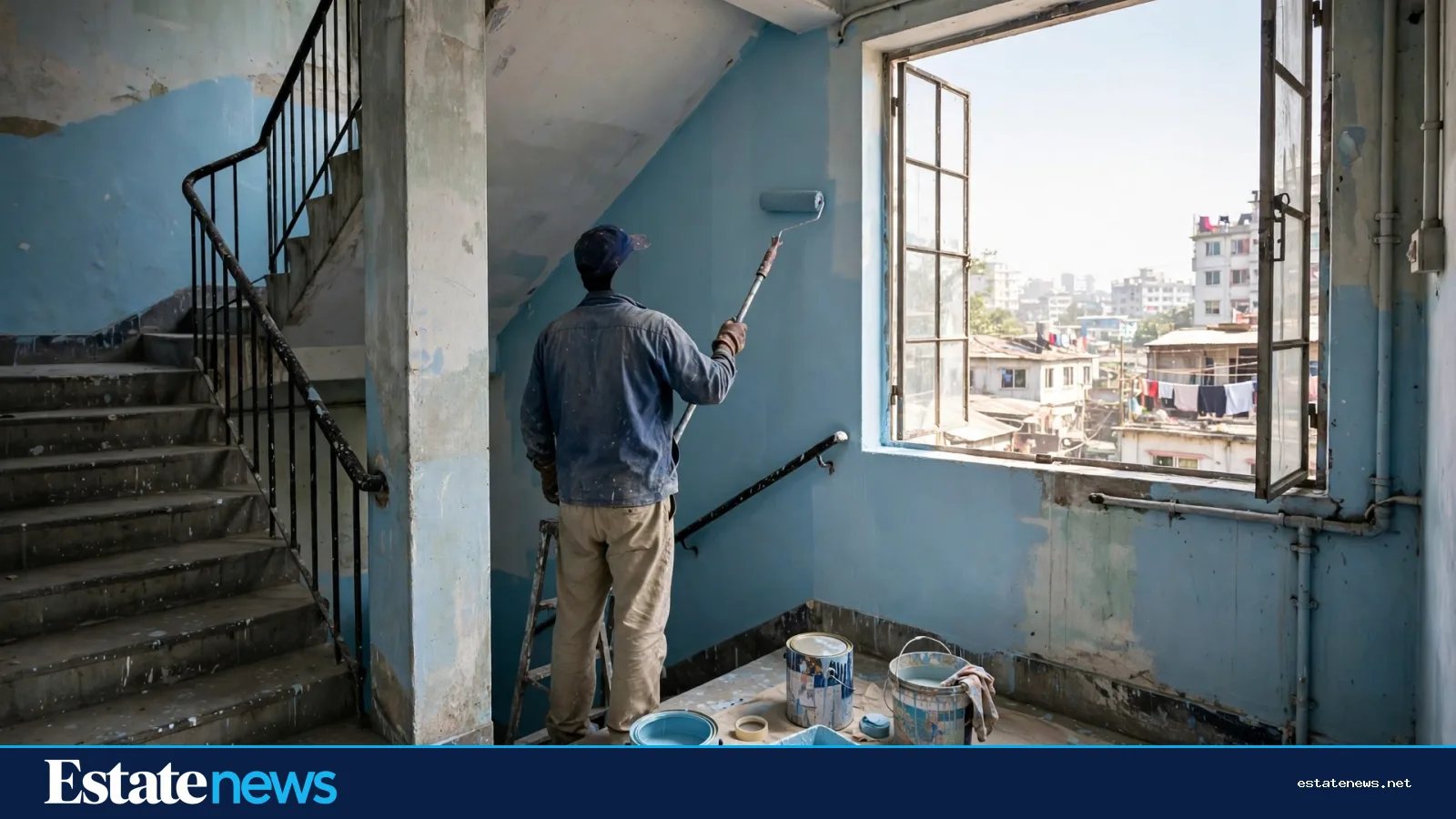
The meeting usually happens on a Friday, after lunch, when the whole family is home. A father spreads bank statements on the dining table. A daughter, home from abroad for two weeks, opens a spreadsheet on her phone. A son who has been saving from his salary for four years says the number he has reached, quietly, as if it were smaller than it is. Together, the numbers reach the deposit for a flat in Mirpur or Uttara that none of them could have bought alone. The room goes quiet, not because the plan is doubtful, but because everyone understands what it means: this flat will belong to the family, and the family will have to live with that fact for years.
Pooled buying is now one of the most common ways Dhaka families enter home ownership, and it makes plain sense. A deposit that is out of reach for one salary becomes reachable for three. A loan that would strain one household becomes manageable when instalments are shared. Parents nearing retirement can help children buy while they are alive to see it, rather than leaving the help for later. Siblings working abroad can put remittance savings into a home the family will use. The economics are straightforward. The relationships are not, and the families who succeed at pooled buying are the ones who treat both halves seriously.
This article is general information, not financial advice. Loan terms, tax treatment and registration rules change, and any family considering a joint purchase should take advice from their bank and a lawyer before committing.

Start with shares, not with sums
The first conversation should not be about how much money each person puts in. It should be about what share of the flat each person owns. In Bangladesh, co-owners can hold defined shares in a property, and those shares should match the agreement the family actually intends, not merely the cash each person contributed on day one. A parent who contributes the largest deposit but intends the flat to be the children's home may want a different arrangement from a parent who expects a return. Siblings who contribute unequally may still want equal shares, or they may want shares that reflect the money in. There is no single right answer. There is only the answer the family writes down, while everyone is still on good terms.
The loan: whose name, whose risk
Banks in Bangladesh assess home loans on income, employment, age and repayment capacity, and a joint application can strengthen the case where a single applicant falls short. But a joint loan is a joint liability, and every co-borrower should understand that plainly before signing. If one co-borrower stops paying, the bank will look to the others, and to the property itself. A family that shares a loan should therefore share a payment plan as well: who pays the instalment each month, from which account, by which date, and what happens if someone's income stops for three months.
Living together, and living apart


Many pooled purchases are also shared homes: parents and a married child under one roof, or siblings sharing a flat while each builds a career. Shared living needs its own agreement, separate from the ownership document. Who occupies which rooms? Who pays for utilities, groceries and repairs? What happens when a sibling marries and needs more space, or when parents need a quieter room as they age? These questions sound domestic, and they are. They are also the questions that break pooled purchases when left unspoken.
The exit plan is an act of care
No family buys a flat together expecting to fall out, and that is precisely why the exit plan should be written on a good day. The agreement should cover the ordinary exits: a sibling who wants to buy out the others, parents who wish to transfer their share to a child, a co-owner who needs to sell because of a move abroad. For each case, it should state how the flat will be valued, how long the other co-owners have to match an offer, and how the proceeds will be divided after any outstanding loan is settled.
A checklist before the family signs
A family that can answer the following questions honestly is ready to buy together. A family that cannot should pause, not because the plan is wrong, but because the answers are the plan.
- Shares: What share does each person own, and does the deed reflect it?
- Contributions: What did each person put in, and what record proves it?
- Loan: Who are the borrowers, who pays each month, and what happens if one income stops?
- Running costs: How are service charges, utilities, repairs and taxes shared?
- Living arrangements: Who lives in the flat, on what terms, and what changes that?
- Exit: How can a co-owner sell, to whom, at what valuation, and with what notice?
- Inheritance: How does each share pass on, and do wills and nominations match?
- Buffer: What emergency fund exists beyond the deposit and the first year's costs?
Back at the dining table, the family that started this story signs more than a purchase. They sign an arrangement for living together, paying together, and, one day, parting fairly. The flat in Mirpur or Uttara will age, its paint will fade, and its lift will need replacing. The agreement, if it was written carefully on that Friday afternoon, will age better than any of it. A home bought together works when the family buys the paperwork as seriously as the property, and when everyone at the table understands that the kindest thing they can do for each other is to write down, while they still agree, exactly what they agreed.