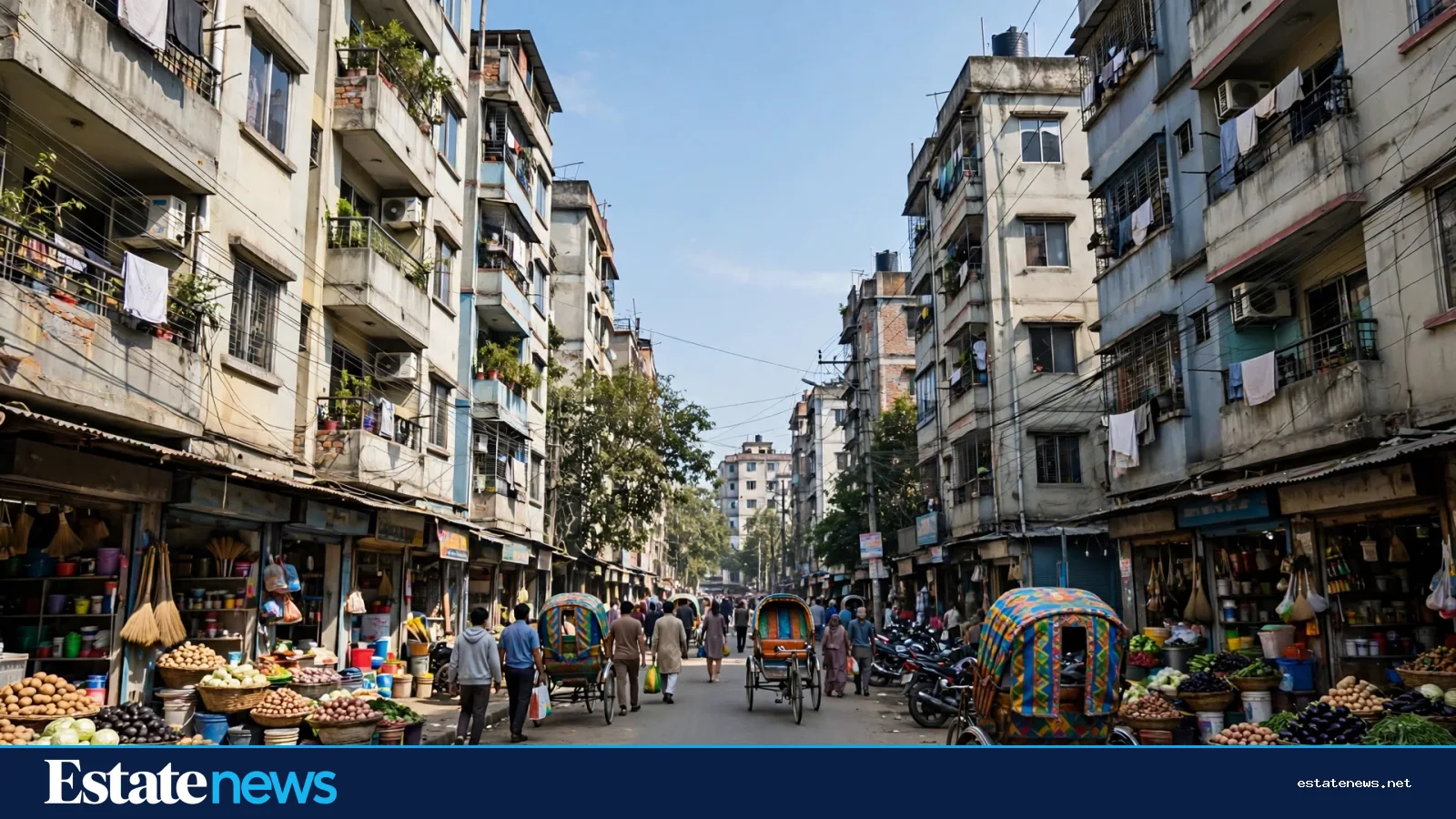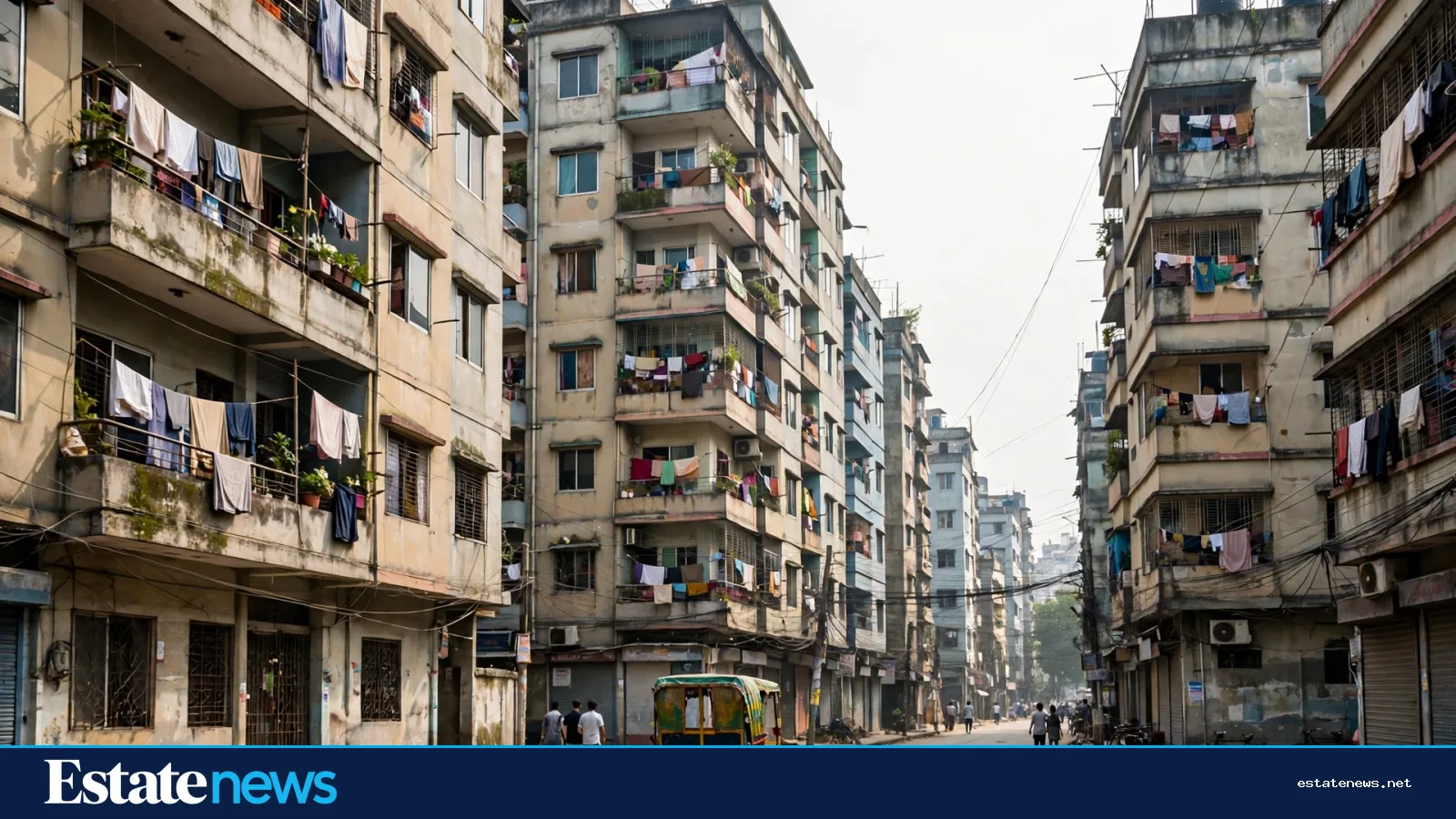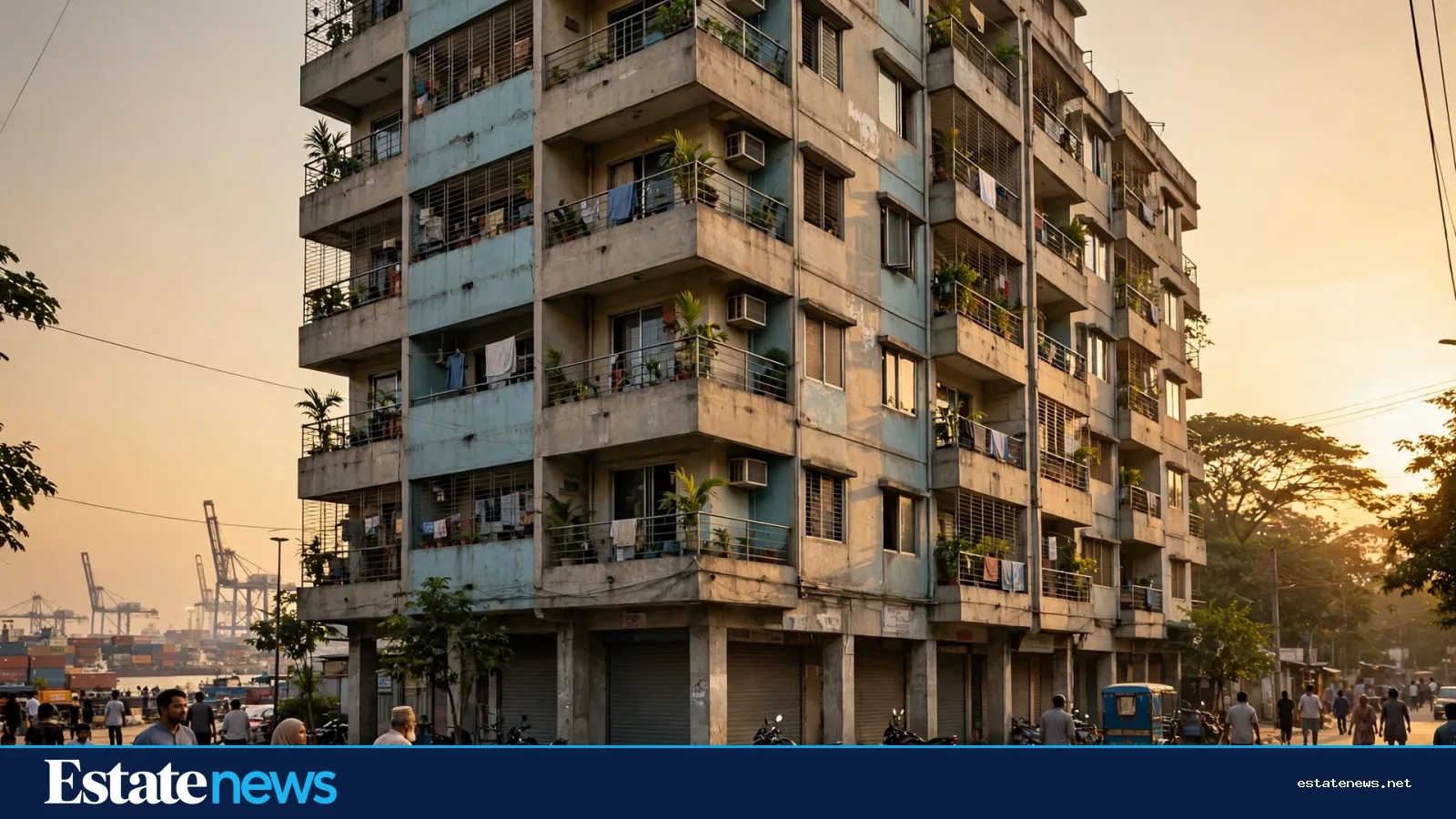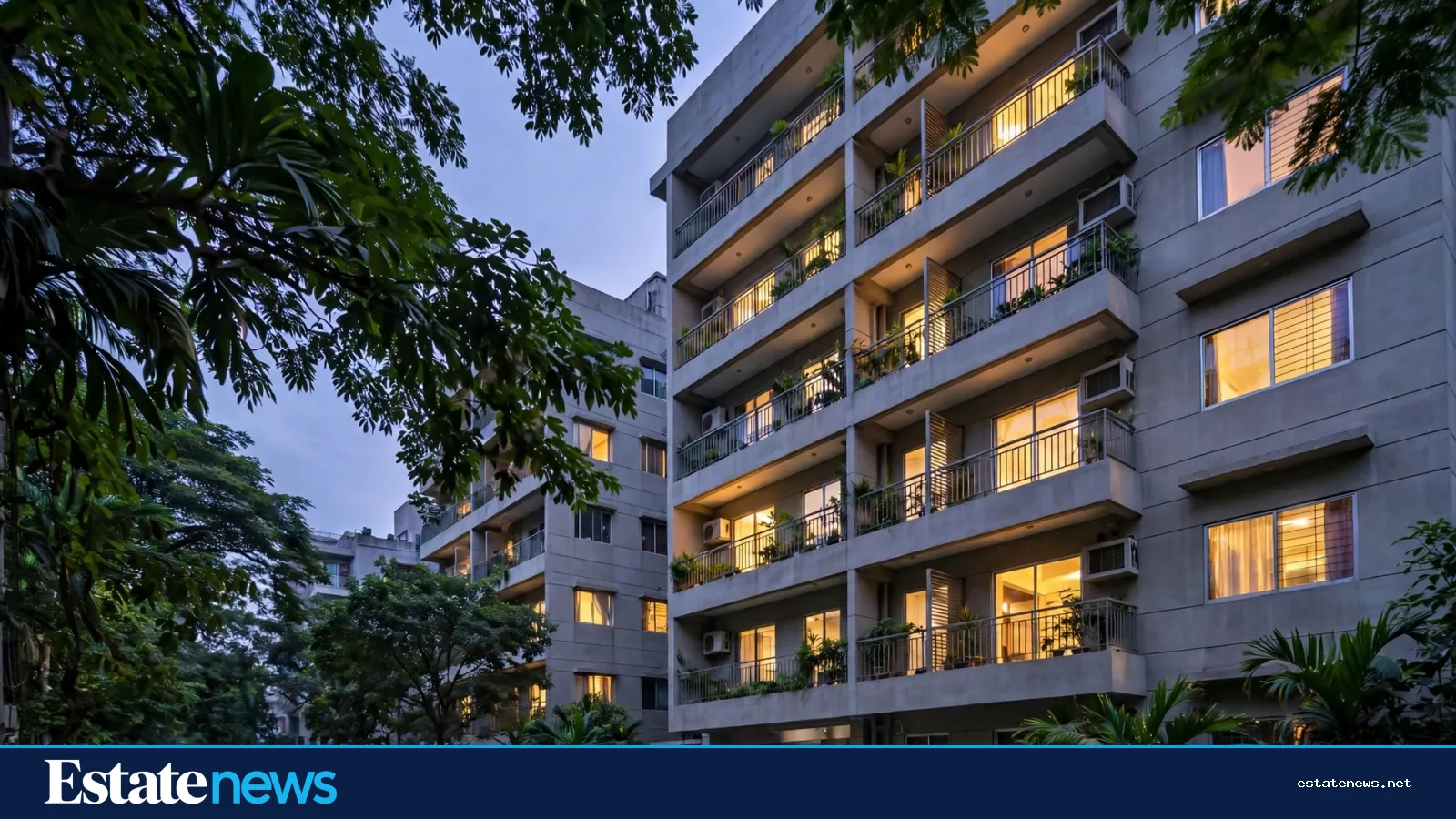
On a weekday evening in Niketan, the light leaves the lake-side lanes slowly. A father walks home carrying a school bag in one hand and a bag of groceries in the other. From a balcony above, a grandmother calls down to a child playing near the gate. The lift hums, the security guard nods, and the building settles into the small routines that make a place feel lived in rather than merely owned. Nothing about the scene is dramatic. That is precisely the point.
This is the Dhaka that established buyers are now choosing: not the promise of a home at some future date, but a home whose neighbourhood already works. Navana Real Estate, the real-estate arm of Navana Group, has built its presence in precisely the parts of the city where that choice matters most — Banani, Uttara, Gulshan, Niketan and Jolshiri, with work in Chattogram as well. Its verified project name Navana Pristine appears in published roundups of the company's work. The company is a founding member of REHAB, the Real Estate and Housing Association of Bangladesh, and was a Gold sponsor of the REHAB Fair 2025. Those two facts say something useful about its standing in the industry: it is not a newcomer testing the market, but a long-established participant in it.
The story of such a developer is therefore a useful way to read the wider market. What buyers ask for from a company like this tells us what the whole premium and mid-premium market in Dhaka now rewards — and what it no longer forgives.

Readiness has replaced promise as the premium
For years, buying a flat in Dhaka often meant buying a plan: a brochure, a site visit to an empty plot, and a wait measured in years. That model still exists, but among established buyers it has lost its shine. The buyers who can afford Banani or Gulshan addresses, or a family home in Uttara or Niketan, increasingly ask a simpler question first: can we move in, and can we live here well from the first month?
A ready home answers that question directly. The buyer can walk the actual corridors, test the water pressure, hear the traffic from the actual windows and meet the neighbours who already live there. There is no imagination required. In a market where handover delays have taught buyers caution, that certainty carries a value of its own — a value that does not show up in a per-square-foot figure but shows up clearly in how quickly a decision is made.
This shift also changes what a developer must be good at. Selling a plan rewards marketing; selling a ready home rewards delivery. The building must already work: lifts, generators, water supply, security and common areas all have to function on day one, because the buyer will test them before signing, not after.
Location now means a life, not an address
Ask an established buyer why they chose Niketan over a newer fringe location, or Uttara over a cheaper plot further out, and the answer is rarely about prestige alone. It is about the school run, the hospital within reach, the park where children play, the mosque or market a short walk away, and the relatives who already live nearby. In other words, location means a life that is already assembled, not an address that might become one.
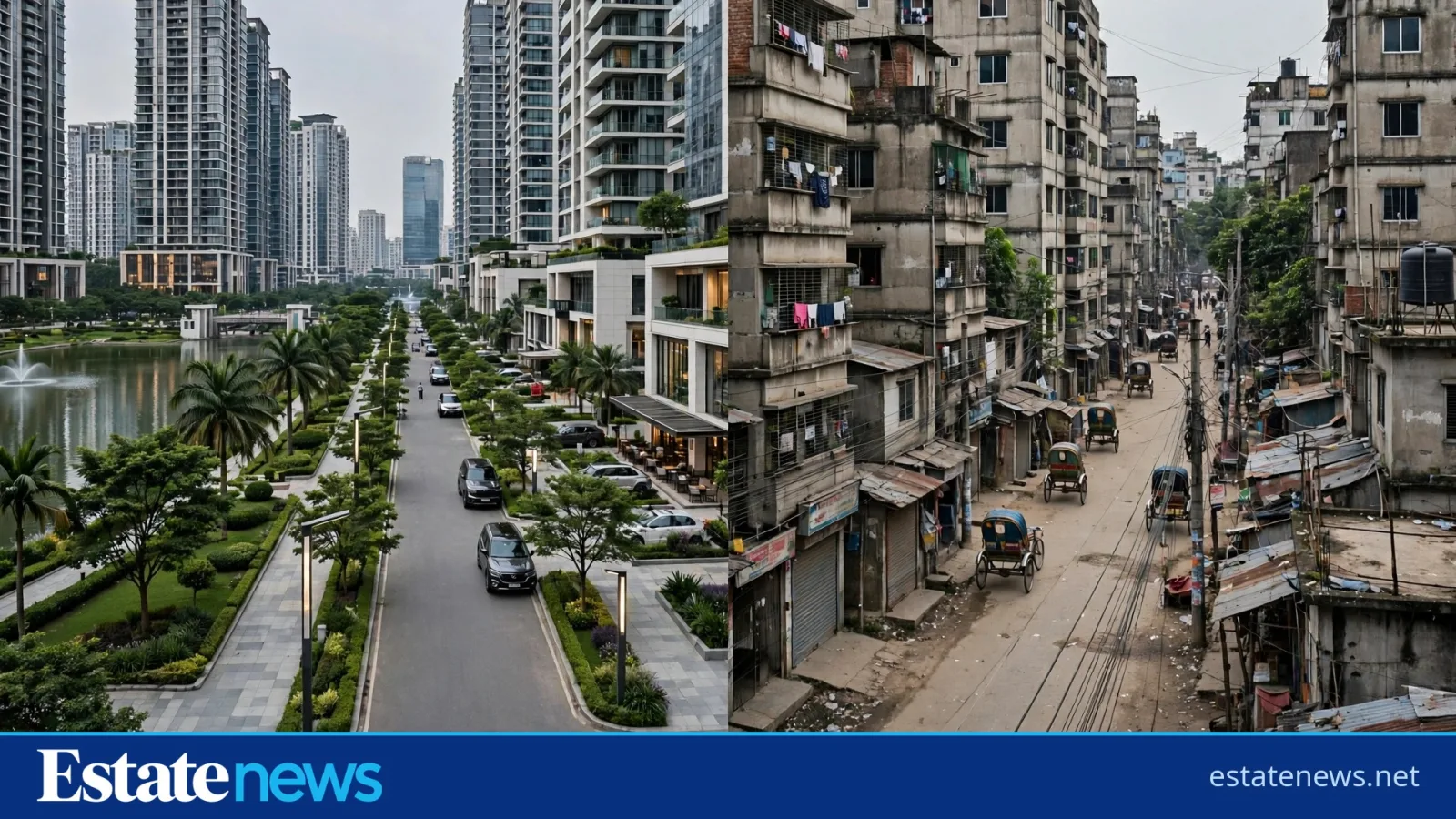
The areas where Navana Real Estate has worked illustrate this well. Banani and Gulshan offer established commercial and social infrastructure. Uttara offers planned roads, schools and a large community of families who moved there a generation ago. Niketan offers a quieter, lake-side residential character close to Gulshan's centre. Jolshiri, the planned township project on Dhaka's edge, represents the other side of the same coin: an attempt to build that complete life from the start, with its own roads, greenery and services, rather than waiting for a neighbourhood to grow around a building.
Buyers weigh these differently, and that is the point. There is no single winning formula. Some want the bustle of an established commercial area; others want the calm of a planned township. What unites them is the refusal to gamble on a neighbourhood that does not yet exist.
Trust is the real premium product


Every developer sells concrete, fittings and floor plans. What the established names really sell is trust — the belief that the papers will be in order, that the handover will happen as described, and that the building will be maintained after the sale. That trust is built slowly, project by project, and it is the hardest thing in the market to imitate.
Membership of the industry's main body matters here, not as a badge but as a signal. A founding member of REHAB has operated under the association's framework from the beginning, through market booms and downturns alike. Sponsorship of the REHAB Fair, the industry's largest public showcase, is a further public commitment: a company puts its name in front of thousands of prospective buyers at once, where its claims can be compared directly with its competitors'.
For buyers, this matters most at the moment of doubt — the evening when a family wonders whether to commit savings built over decades. A long-established name does not remove the need for checks; title documents, approvals and the purchase agreement must still be examined carefully. But it changes the character of the decision, from a leap of faith to a judgement about a known quantity.
The mid-premium buyer is the market's centre of gravity
Much attention goes to the very top of the market, but the real centre of gravity sits a step below it: families buying a well-built, well-located home that is comfortable without being extravagant. These buyers are often upgrading from a first flat, or moving from a rented home they have outgrown, or returning from abroad to a home near family. They are careful with money precisely because they have earned it over time, and they compare options methodically.
For them, the questions are practical. How is the building managed, and what does that cost each month? How old is the building, and how has it aged? What is the resale history of similar flats in the same area? Does the layout suit a family that may live there for fifteen years, not five? Developers who answer these questions plainly, with completed buildings a buyer can inspect, earn this group's confidence. Those who answer with slogans do not.
This is also why the premium market and the mid-premium market increasingly overlap. A buyer in Uttara or Niketan may pay a premium figure for a flat, but the mindset is mid-market: value, durability and liveability first, showiness second. The market rewards builders who understand that distinction.
What this means for the months ahead
Dhaka's housing market will keep producing new launches, new areas and new promises. Some will succeed. But the pattern visible in the established developers' addresses points to a durable direction: buyers rewarding readiness, neighbourhood life and trust over novelty and speculation. That is a healthier market, not a duller one. It means buildings are judged on whether people can live well in them, not on how impressively they are announced.
For a family walking home in Niketan at dusk, none of this is theory. It is the lift that works, the guard who knows their name, the school a short walk away and the knowledge that the home they bought is the home they actually live in. The developers who keep delivering that, address by address, will keep finding buyers — whatever the headlines say about the market as a whole.
Follow Estate News on Facebook for daily property, market and money updates: https://www.facebook.com/profile.php?id=61593817347872