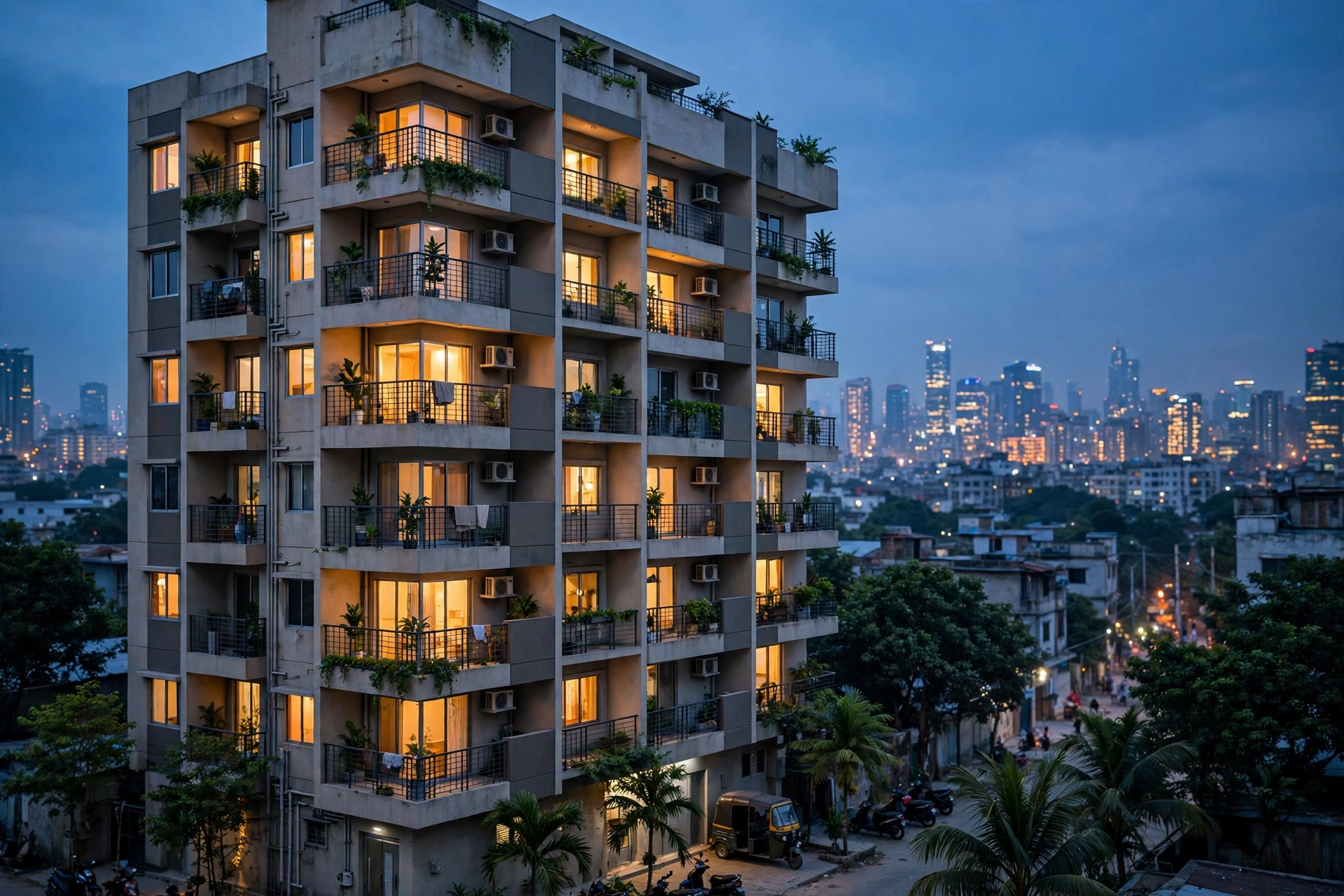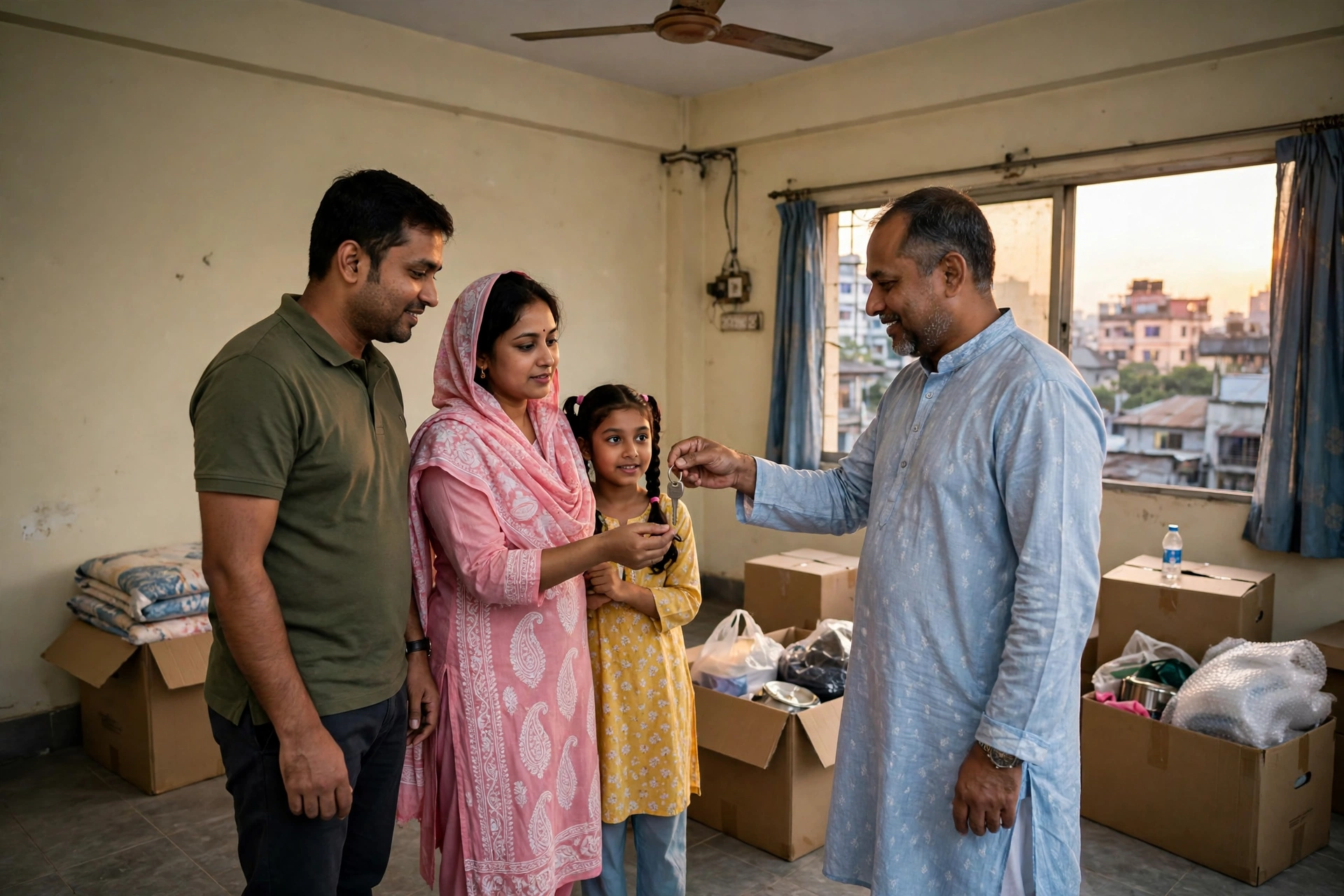
DHAKA — At housing fairs in the capital this autumn, a familiar scene has repeated itself: young professionals and middle-class families, many saving for the better part of a decade, moving from stall to stall to compare locations, prices and payment schedules. The aspiration is unmistakable. So, too, is the caution.
Bangladesh's residential market has long demanded that combination. A first apartment is, for most households, the largest financial commitment of a lifetime, and the sector's history of delayed handovers and disputed projects has taught buyers to proceed carefully. What has changed in 2026 is the scale of the opportunity — and of the sums involved.
A market defined by location
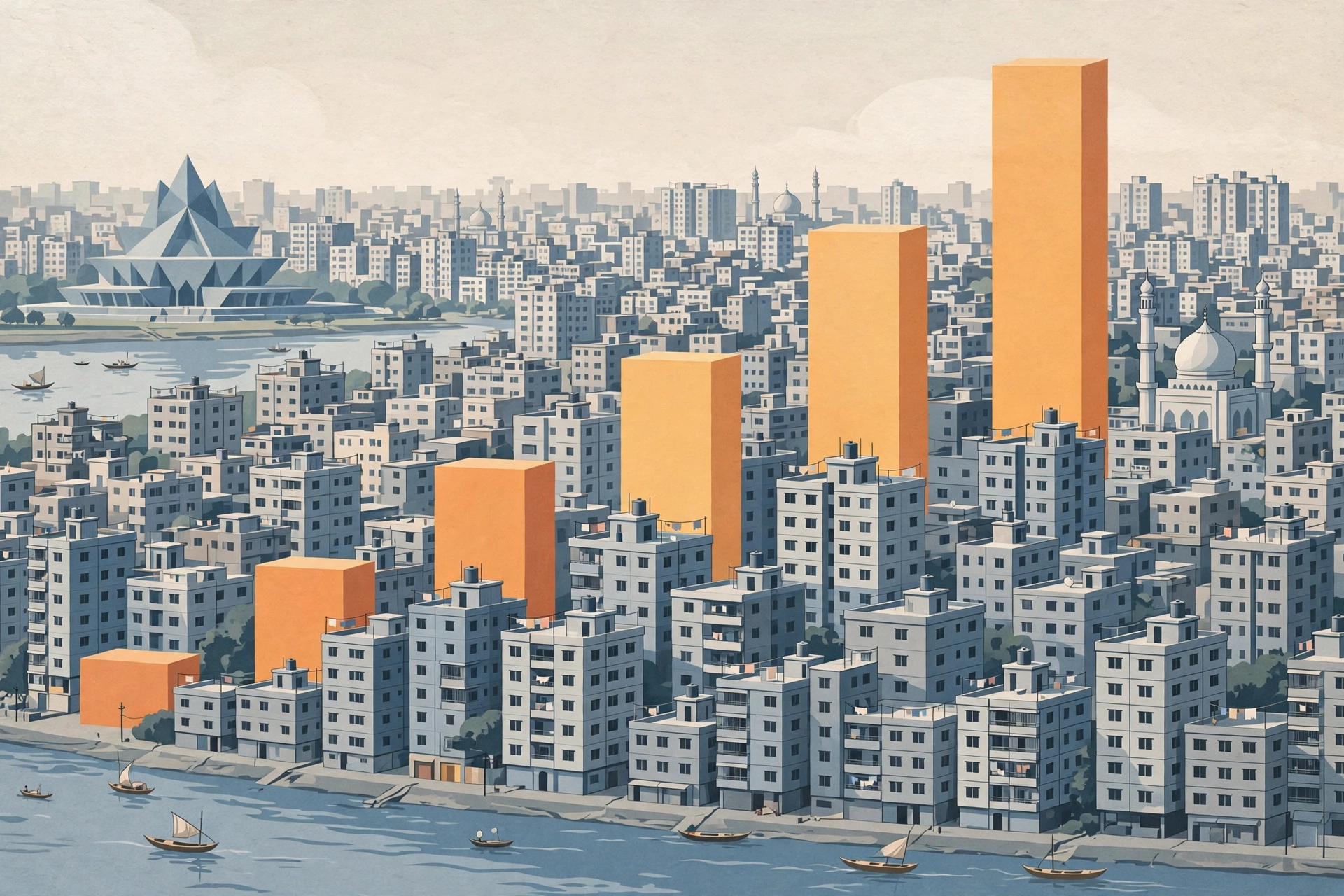
There is, in effect, no single Dhaka market. Asking prices per square foot diverge sharply by neighbourhood, building standard and stage of construction. Current listings suggest the following indicative ranges:
- Gulshan, Banani and Baridhara: Tk15,000–30,000 or more per sq ft, underpinned by diplomatic, corporate and high-income demand
- Dhanmondi: Tk14,000–30,000 per sq ft, reflecting an established residential district close to the city's centre
- Bashundhara R/A: Tk8,000–18,000 per sq ft, where schools, hospitals and universities have consolidated family demand
- Uttara: Tk7,500–15,000 per sq ft for ready apartments, with under-construction units typically priced lower
- Mirpur and Mohammadpur: Tk5,000–10,000 per sq ft across many projects, providing some of the capital's more accessible entry points
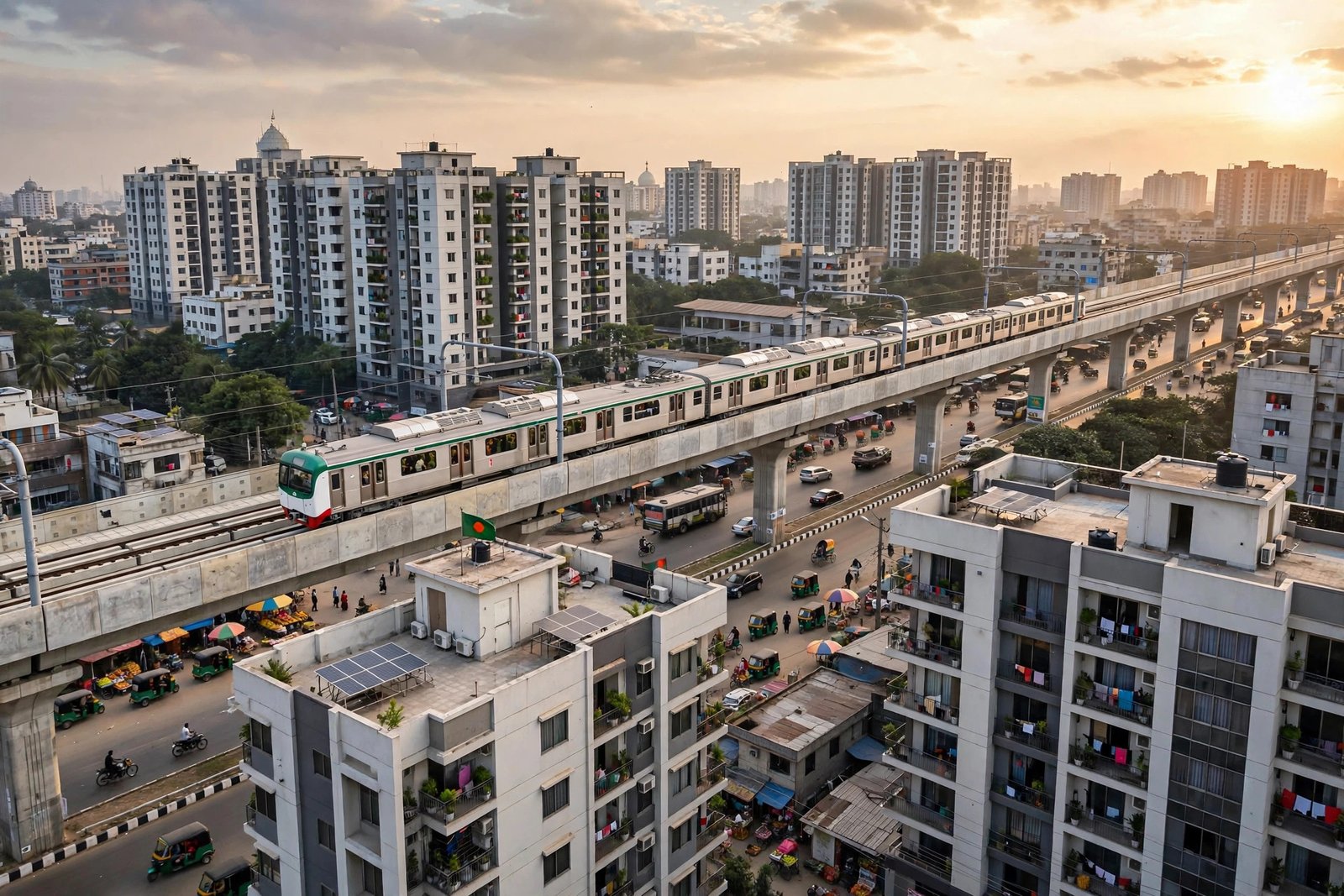
The consequence is a market of contrasts: a 1,100 sq ft apartment in Mirpur may be attainable for a middle-income household, while an equivalent home in Gulshan can command three to four times the price. Infrastructure is gradually redrawing that hierarchy. Properties within walking distance of metro rail stations — notably in Uttara and Mirpur — now attract a measurable premium, as buyers place a monetary value on time reclaimed from Dhaka's congested roads.
Credit expands, discipline remains
The most consequential policy shift of the year came in January, when Bangladesh Bank doubled the ceiling on housing finance. Under a circular issued by the central bank, lenders whose housing portfolios carry classified loans of 5 per cent or less may extend up to Tk4 crore to a single borrower. The limit is Tk3 crore for banks in the 5–10 per cent band and Tk2 crore for those above it — a structure designed to reward portfolio quality as much as to stimulate demand.
The accompanying conditions were left deliberately unchanged. The maximum debt-equity ratio remains 70:30: on a property valued at Tk1 crore, bank finance is capped at Tk70 lakh and the purchaser must contribute Tk30 lakh. Lenders, moreover, are required to satisfy themselves that a borrower has sufficient net cash inflow to service the debt. Documentation — income records, tax filings and banking history — therefore remains central to any application, regardless of the higher ceiling.
A property is acquired once; a mortgage is serviced every month for years. Affordability, properly measured, is a test of household cash flow, not of a lender's maximum offer.
The cost beyond the headline price
Seasoned buyers measure a transaction by its total cost, not its advertised rate. Registration and associated government charges, legal and valuation fees, bank processing costs and utility connections together add materially to the purchase price. Prudent households reserve an additional 10–15 per cent of the property's value to meet those obligations and the expense of occupation — a margin whose absence frequently turns the final stage of a purchase into its most difficult.
Due diligence remains the decisive factor
Advisers to buyers are consistent on the point that most losses in residential property are preventable at the verification stage. Five enquiries, in particular, recur in professional guidance:
- Planning approval: that the project holds an approved design from the competent authority — RAJUK in the capital — and that the unit offered corresponds to it
- Title: that a lawyer has verified the chain of ownership deeds, the current mutation record and the absence of disputes or prior mortgages over the land
- Developer's record: that the developer is a member of REHAB, has completed comparable projects and can point to purchasers who have taken handover
- Contractual terms: that booking payments, the instalment schedule, the handover date, delay compensation and inclusions are recorded in the deed of agreement, rather than offered verbally
- Ongoing costs: that service charges, parking, generator and lift provision and utility fees have been established before competing projects are compared
Demand moves outward
The geography of demand, meanwhile, continues to broaden. Growth is spreading along the metro corridors and into planned residential districts — Uttara's newer sectors, Bashundhara and Purbachal among them — while Chattogram and other expanding cities are developing apartment markets of their own. Developers, for their part, are increasingly designing smaller, more functional units for end-users rather than investors, and demand from non-resident Bangladeshis — purchasing for parents, or for an eventual return — remains a durable feature of the market.
The result is a sector that is simultaneously more open and less forgiving. Larger loans and a deeper supply of projects have brought ownership within reach of more households than at any previous point. Yet the premium, in 2026, is on discernment: on comparing patiently, verifying independently and committing only to a debt that household income can sustain. In Bangladesh's property market, value is rarely defined by the lowest price. It is defined by the home that is, without qualification, legally and financially one's own.