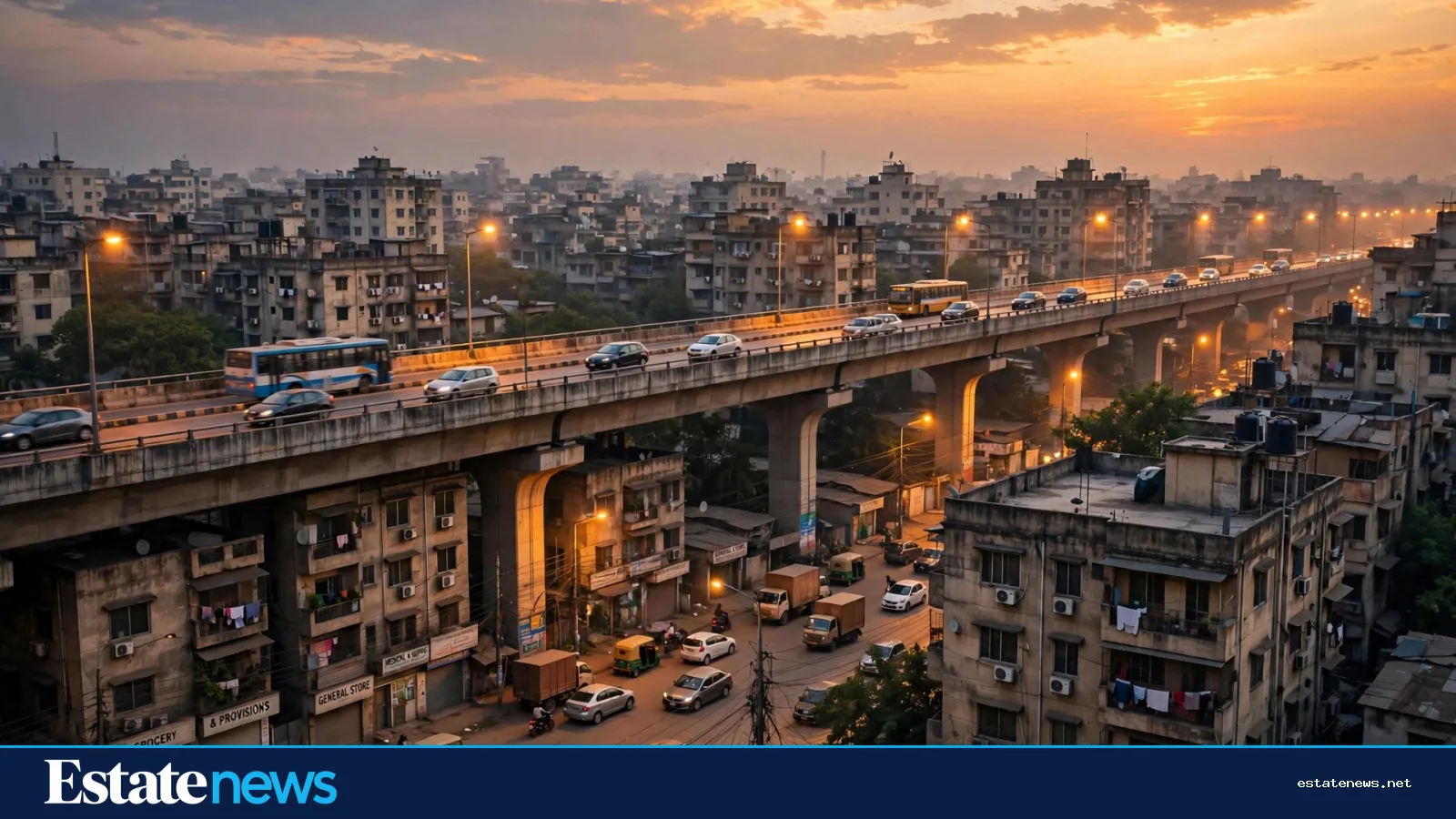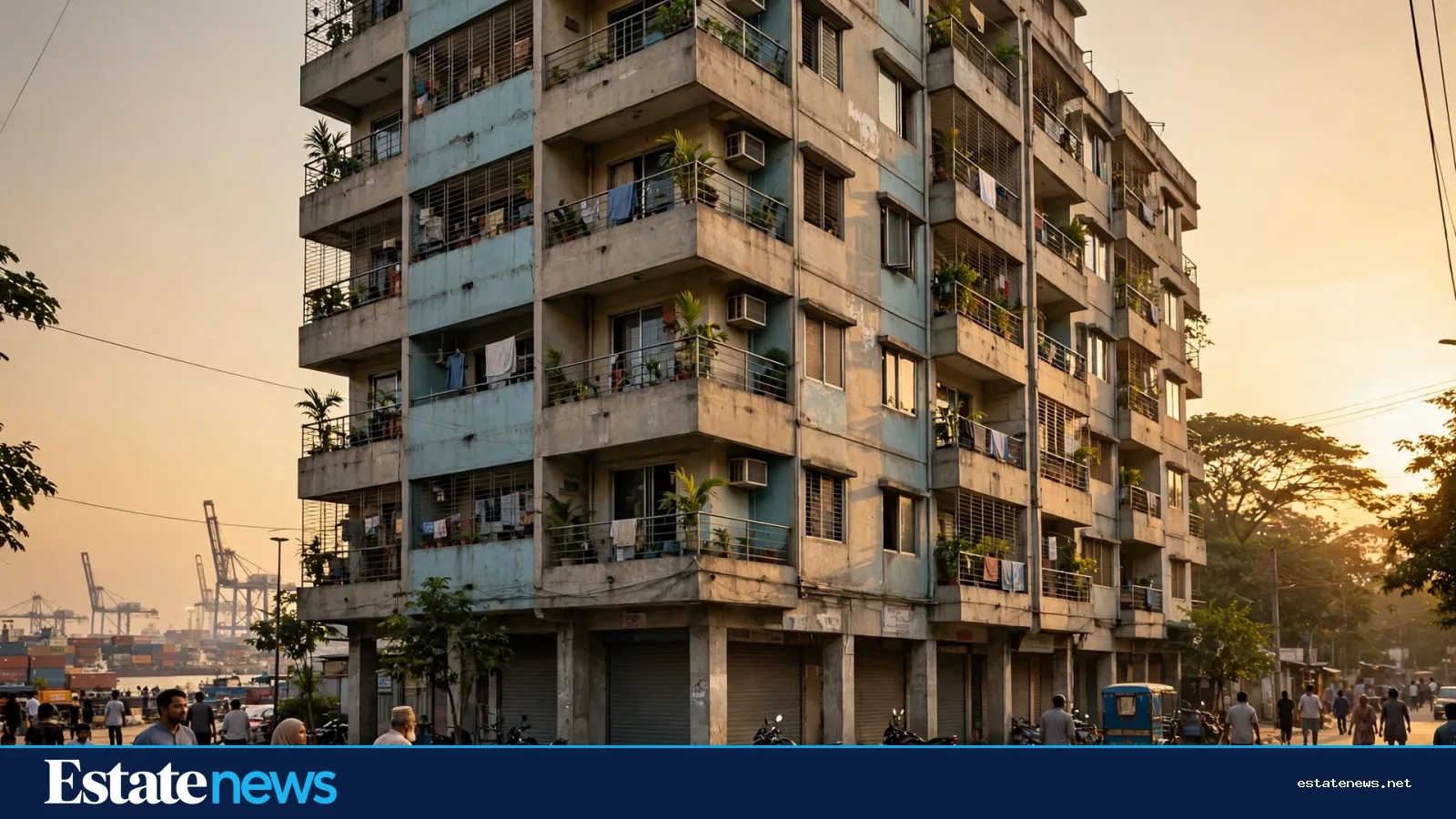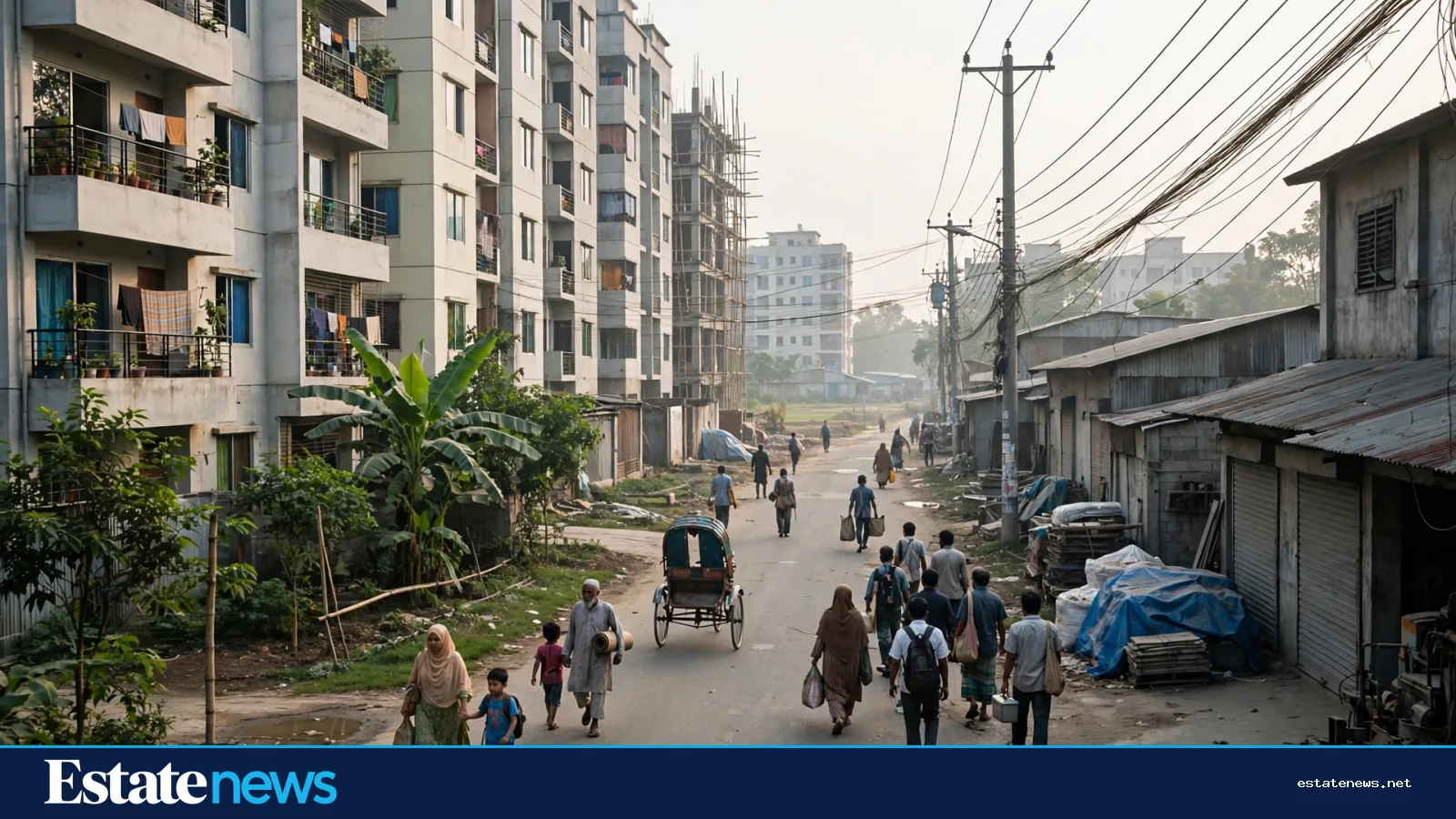
For decades, Savar and Ashulia were places people travelled to, not places they lived in by choice. Buses carried garment workers in before dawn and carried them back after dark. Dhaka's residents knew the names from factory news and traffic reports. That picture is changing, gradually but visibly: homes are now being built where jobs already are, and a new kind of residential town is taking shape beyond Dhaka's edge.
The driver is simple. Savar and Ashulia host a large industrial workforce, and that workforce needs somewhere to live. When factories cluster, housing follows — first as rented rooms and mess accommodation, then as family flats, then as whole residential streets with shops, schools and clinics. This is the ordinary pattern of industrial towns everywhere, and it is now playing out on Dhaka's north-western fringe.
Jobs first, homes second

The industrial belt around Savar and Ashulia employs large numbers of workers, supervisors, managers and support staff, alongside the transport, trading and service businesses that grow around any factory zone. Many of these people previously commuted long distances from Dhaka or lived in temporary arrangements near their workplace. As their incomes stabilised and their families joined them, the demand for proper family housing grew.
That demand is not uniform. At one end are workers who need affordable rented rooms close to factories. At the other are managers and mid-level staff who want a family flat with reliable water, security and a school nearby. Between them are small traders, transport operators and service workers whose housing needs sit in the middle. A healthy housing market in the area must serve all of these groups, not just one.
Developers and individual landlords have responded with a mix: rental blocks near factory zones, small apartment buildings along main roads, and plots for individual houses in the quieter interior streets. The variety is a strength. A town where only one kind of housing exists is a town where many of its workers cannot live.
The commuter question
Savar and Ashulia also serve a second population: people who work in Dhaka but live beyond it. For them, the calculation is time against cost. A larger or cheaper home in Savar may be worth a longer commute, but only up to a point. Road congestion, bus availability and the reliability of the journey matter more than any brochure claim about distance.
This is where infrastructure evidence matters, and where claims must stay honest. Better roads and public transport connections can shorten journeys and make fringe living practical for more people. But no road project, on its own, guarantees that any particular area's homes will gain value. Estate News does not claim that infrastructure raises prices without evidence, and buyers should be equally careful: a new road may improve daily life, which is valuable in itself, without changing what a flat is worth.
What buyers can check is concrete: how long does the commute actually take at rush hour, on a working day, in the rain? Is there a bus service that runs reliably, or only a promise of one? Are schools, clinics and markets within reach, or does every errand require a trip into Dhaka? The answers to those questions, not a map of planned projects, decide whether a home in Savar or Ashulia works as a daily base.


What new residents should look for
Living beyond Dhaka's edge brings specific checks that a central-city buyer may take for granted. Water supply is the first: many fringe areas depend on a mix of municipal supply, deep tube wells and private arrangements, and the reliability varies street by street. Ask residents, not just sellers, how water behaves in the dry season.
Drainage and flooding come second. Low-lying land near industrial zones can hold water in the monsoon, and a street that looks fine in November may behave differently in July. Visit in different weather if possible, and ask neighbours about the last heavy rains.
Approvals and titles come third, and they matter more, not less, outside the city centre. Land on the urban fringe often has a more complicated history: agricultural plots converted to housing, multiple ownership claims, or plots sold before services arrived. The standard checks — deed chain, mutation records, approved plans — apply here with full force, and professional advice is money well spent.
Finally, services: a home is only as good as the life around it. A clinic that opens when needed, a school with a real track record, a market that stocks daily goods, and a safe route for children to walk — these are the things that turn a housing cluster into a town.
A town, not just a dormitory
The most encouraging sign in Savar and Ashulia is that the area is developing the marks of a town rather than a dormitory: families settling, children in local schools, shops serving residents rather than only passing workers, and small businesses owned by people who live nearby. That is the difference between a place where workers sleep and a place where households build lives.
Whether that development continues depends on unglamorous things: roads maintained, water supplied, drainage cleared, schools staffed, and industrial growth managed so that homes and factories coexist rather than conflict. Those are public responsibilities, and they deserve public attention. Private housing investment can follow jobs, but it cannot substitute for the services that make a town liveable.
For buyers, the message is practical rather than speculative. Savar and Ashulia offer a genuine option: a home near work, at a figure that may be within reach where central Dhaka is not, in an area that is becoming more residential by the year. Judge it on the commute you will actually make, the water you will actually drink and the papers you can actually verify. On those terms, the fringe is not a gamble on the future. It is a choice about the present — and for a growing number of households, it is the right one.
Follow Estate News on Facebook for daily property, market and money updates: https://www.facebook.com/profile.php?id=61593817347872