A property scam rarely announces itself. It usually arrives looking like a bargain, a favour, or an opportunity that will disappear if the buyer thinks too long. That urgency is itself the first warning. A genuine seller with clean documents can afford patience. A transaction that cannot survive a careful check is a transaction a buyer should be prepared to walk away from.
This guide is written as protection, not alarm. It describes patterns buyers should recognise, checks they can make, and places where facts can be verified. It does not describe individual cases, and it is general guidance only. For any particular purchase, a buyer's own lawyer should review the documents.
The too-cheap plot or flat

The most familiar red flag is a price far below comparable properties in the same area without a clear, verifiable explanation. Prices vary, and a motivated seller may accept less. But a dramatic discount should prompt questions, not excitement alone. Is the title unclear? Is the land disputed? Is the building approval incomplete? Is the seller not the person entitled to sell?
Buyers should compare the asking price with comparable properties nearby, and should ask, in writing, why the price is lower. If the explanation does not hold up, or if questions are met with impatience, the bargain may be costing the buyer far more than the discount appears to save.
Titles that cannot be verified
A second red flag is a title that cannot be verified against official records. The seller may produce attractive copies but discourage searches at the sub-registry or land office, or may claim that searches are unnecessary, too slow, or a mere formality. They are not. Verification against official records is the core protection in any land or flat purchase.
Buyers should expect to see a deed chain, mutation records, and documents that match the property being sold, and should expect their lawyer to check them independently. Missing documents, inconsistent names or plot details, or a chain with an unexplained gap should pause the transaction until resolved. A seller who is genuine will generally welcome verification, because it confirms what they are selling.
Pressure, secrecy and shifting stories
Pressure tactics take many forms: a competing buyer who is about to pay, a deadline that moves forward each day, a request for a large advance before documents are shown, or insistence on cash payments without proper receipts. None of these proves wrongdoing on its own, but together they form a pattern that should make a buyer slow down.
Secrecy is another warning. If the buyer is asked not to consult a lawyer, not to visit the land office, or not to speak to neighbours or existing residents, the buyer should ask why. A straightforward transaction has nothing to lose from independent checks. Shifting stories — details that change between meetings, or documents that appear in different versions — should also be treated seriously and clarified in writing.
Missing approvals and vague promises
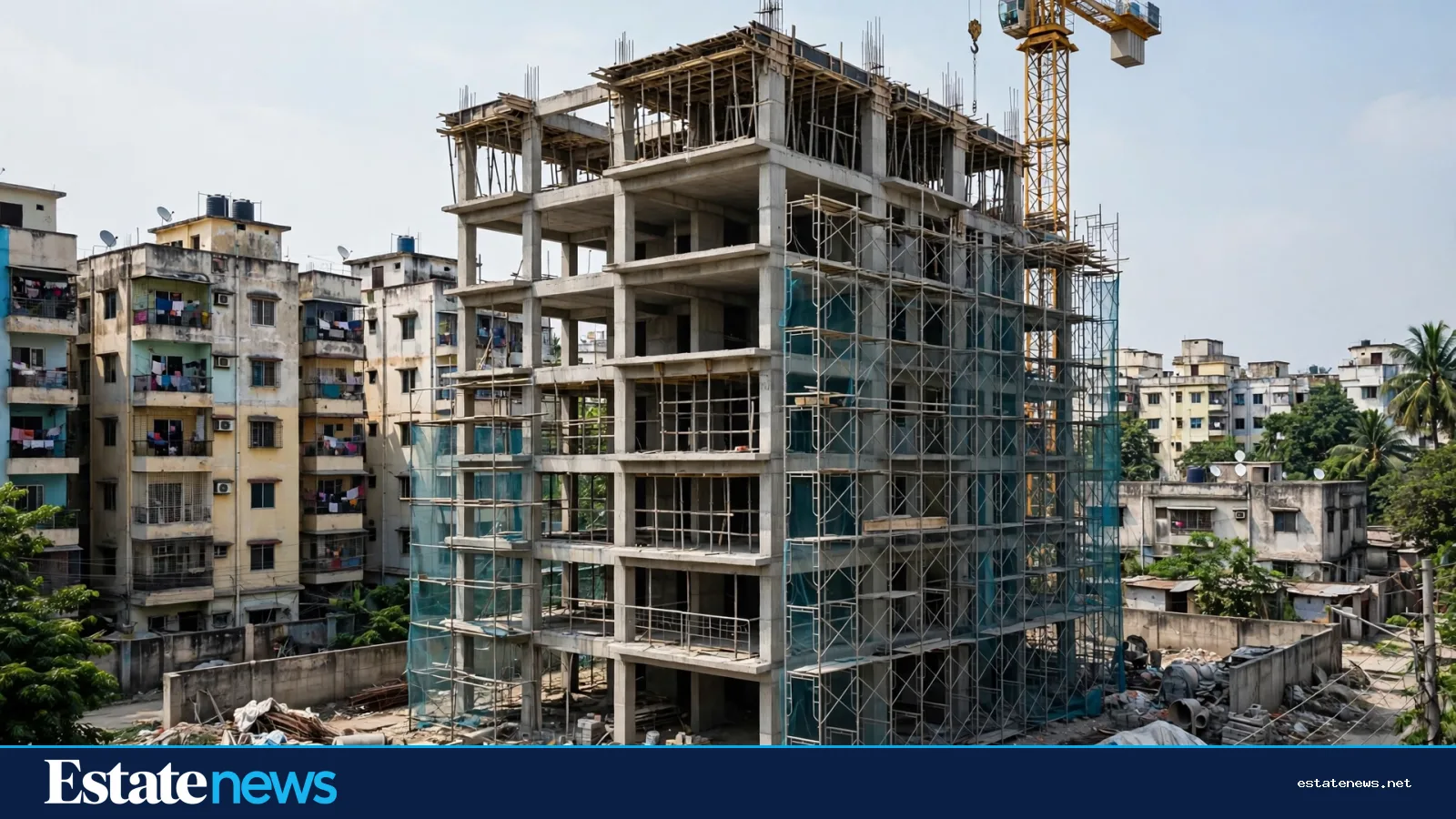
For flats, missing or incomplete building approvals are a serious concern. Buyers should ask for the approved plan and check that the building, and the flat being sold, correspond to it. Unapproved floors, deviations from the plan, or approvals that cannot be produced should be investigated before payment, not after moving in.


Vague promises deserve equal care. Assurances about future roads, future approvals, future registration or future amenities should be treated as promises, not facts, unless they are supported by documents and written into the agreement. A buyer should be especially careful where the selling point of a property depends entirely on something that has not yet happened.
Where to check, step by step
Protection is practical when it is specific. Before paying a substantial amount, a buyer should, through a lawyer:
Verify the deed chain and mutation records at the sub-registry and land office
Confirm the seller's identity and authority to sell
Check building approvals and whether the flat matches the approved plan, where applicable
Ask for evidence that the property is free of undisclosed mortgages or charges, as far as searches show
Ensure the sale agreement is reviewed by the buyer's own lawyer and that payment is tied to documented stages, with proper receipts
Buyers should also visit the property, talk to neighbours or residents where possible, and confirm the physical property matches the documents — the same plot, the same building, the same flat.
If something feels wrong, pause
The strongest protection a buyer has is the willingness to pause. No genuine opportunity requires a buyer to abandon verification. If documents are missing, if pressure is mounting, or if explanations do not add up, the buyer should stop, seek independent legal advice, and be prepared to walk away. Walking away from a doubtful purchase costs little; completing a fraudulent one can cost a family's savings.
Property buying in Bangladesh involves real risks, but it also involves real protections: official records, legal review, and the simple discipline of checking before paying. Used together, they turn a vulnerable buyer into a careful one — and careful buyers are the hardest to deceive.
Follow Estate News on Facebook for daily property, market and money updates: https://www.facebook.com/profile.php?id=61593817347872