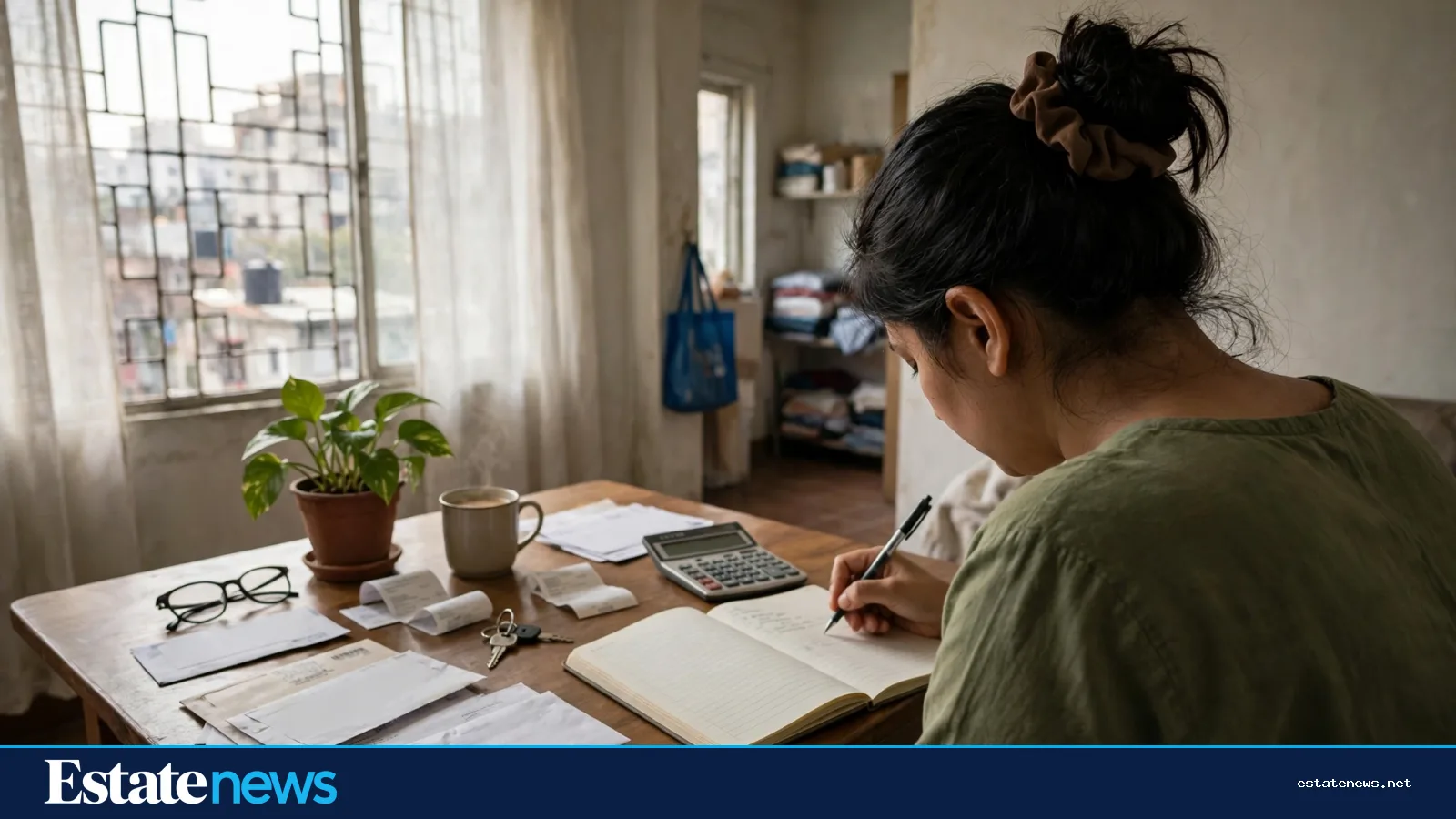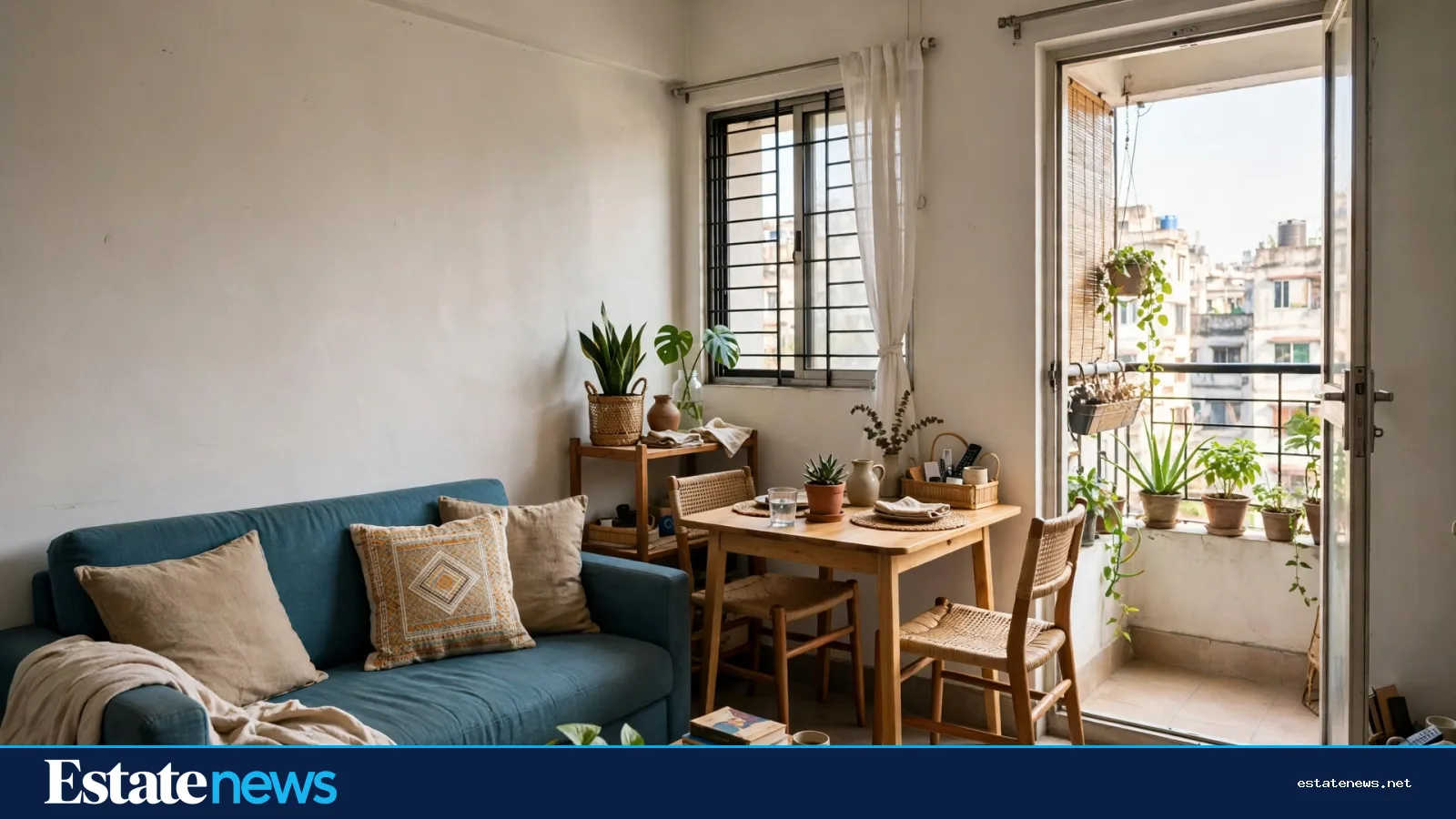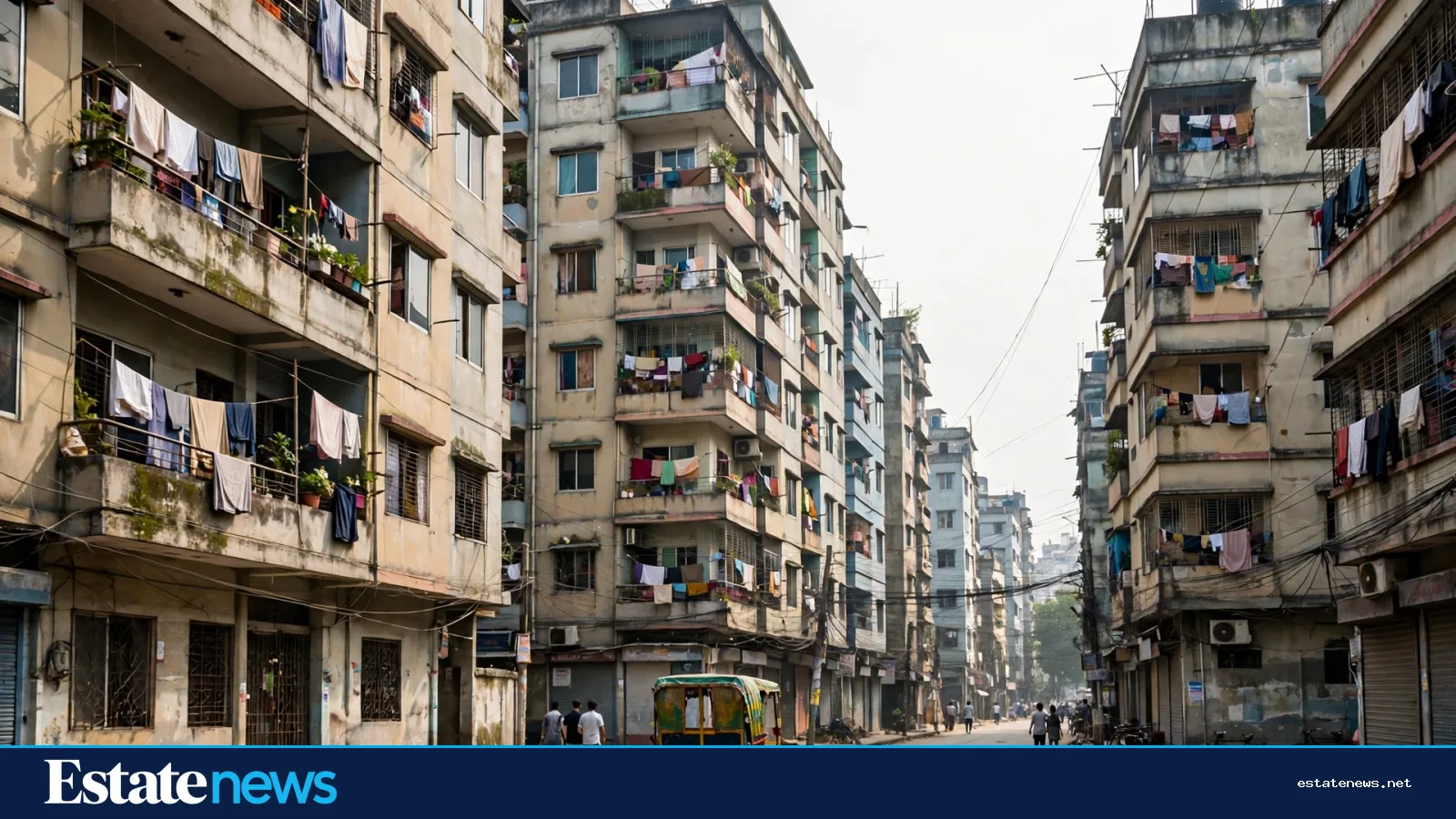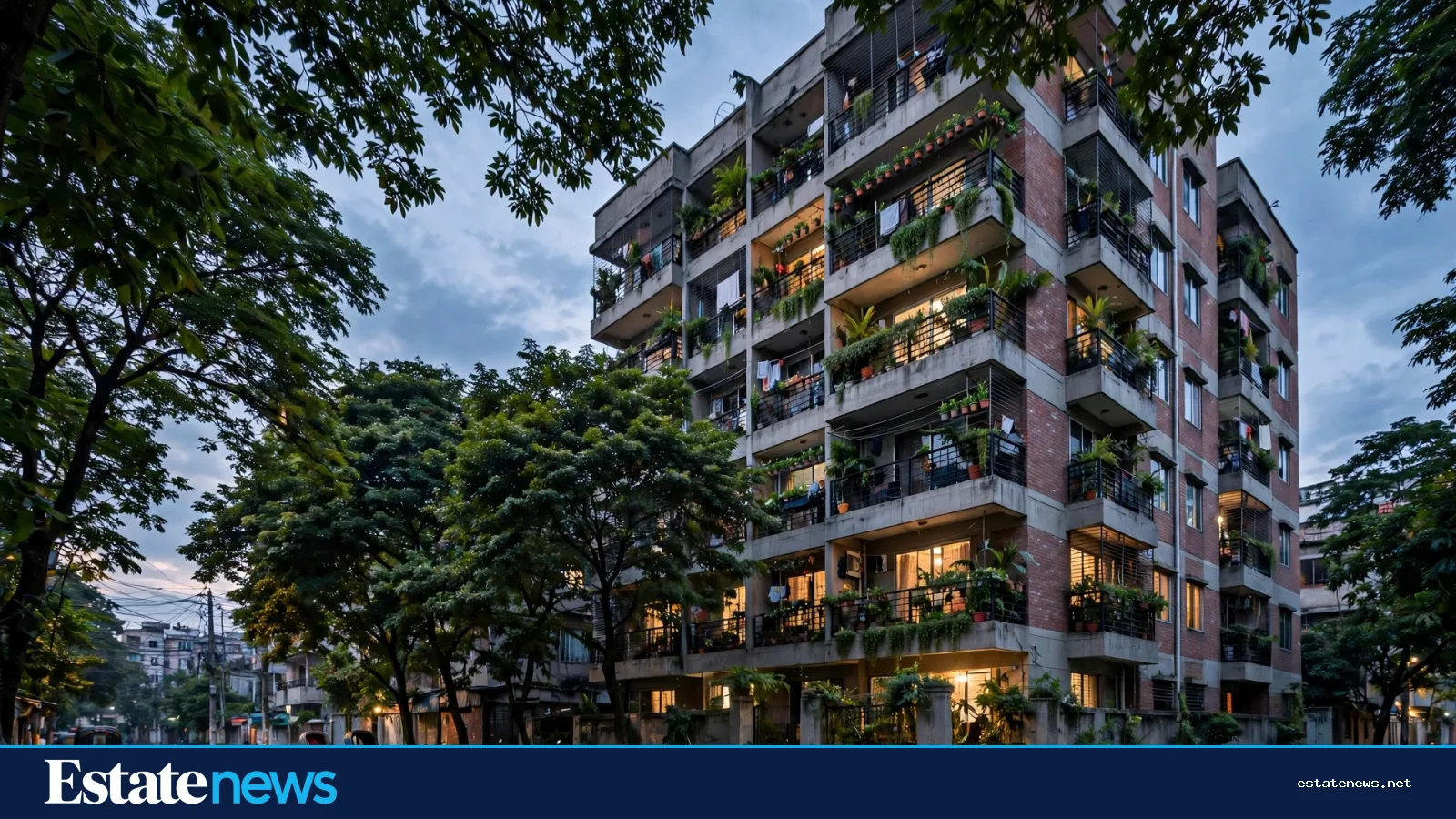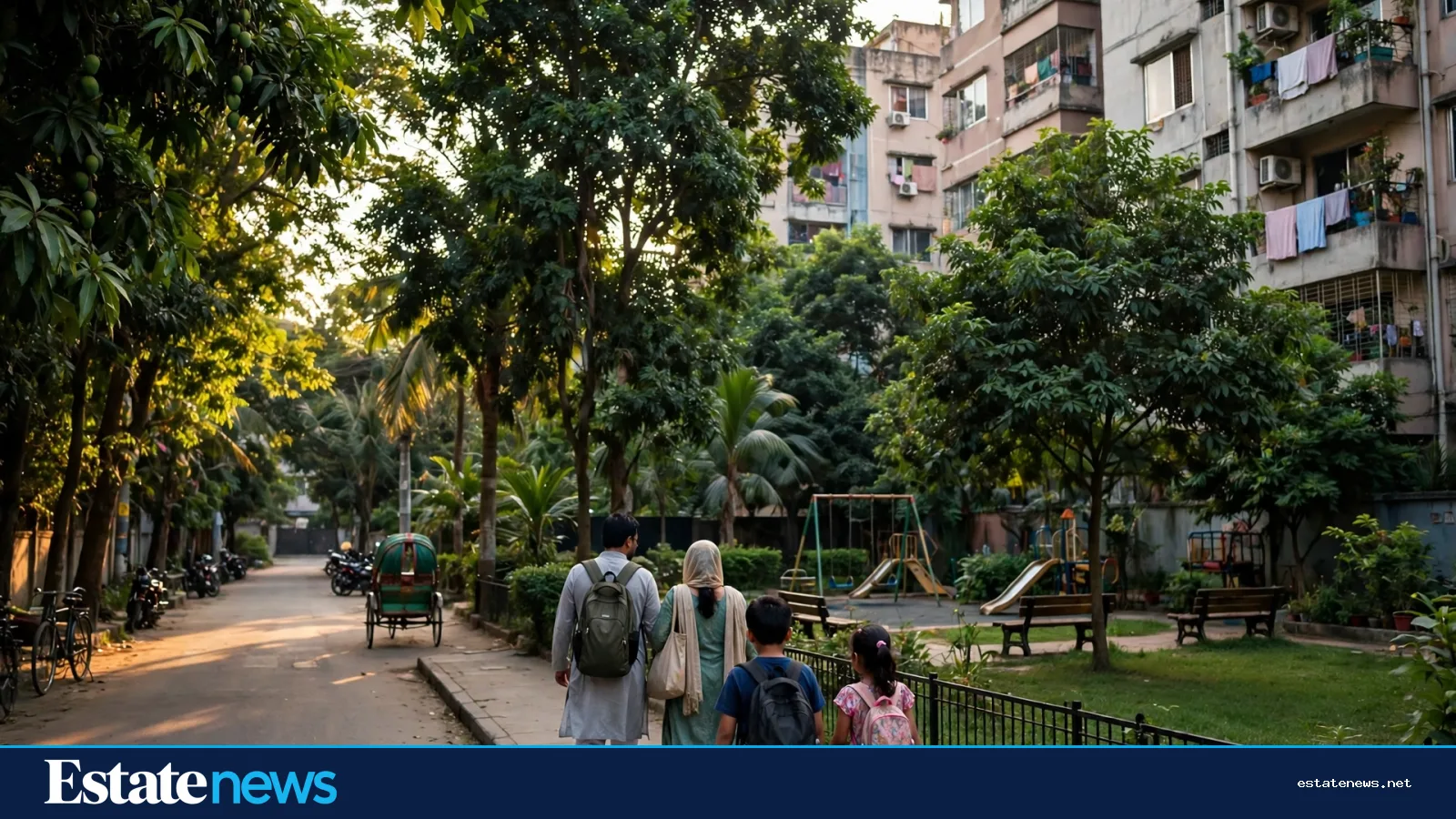
Every family that searches for a flat in Dhaka begins, in theory, with a budget. In practice, the search quickly becomes something else: a negotiation between what a family can afford and how it actually lives. A flat is not only walls and floor area. It is the morning school run, the evening walk, the rainy-season street, the hospital at night, and the commute that is repeated hundreds of times a year. Price matters, but it is only one part of a decision that will shape daily life for years.
This article offers a framework, not a ranking. It does not score neighbourhoods or claim that one area is better than another in any absolute sense, because families differ. A young couple without children, a household with elderly parents, and a family with three school-age children will reasonably reach different answers from the same set of facts. What matters is that the choice is made deliberately, with the factors that affect everyday life given as much attention as the price per square foot.
Start with the week, not the weekend

The most useful test of an area is an ordinary week. Visit on a working morning, not only on a quiet weekend afternoon. Watch how long the school run really takes, how crowded the main road becomes, and whether the route a child would walk feels safe and well lit. A flat that looks calm on a Sunday can feel very different at eight in the morning.
Families should also test the evening. Is there somewhere within a short walk where children can play, adults can walk, and neighbours meet? Parks and open spaces are not luxuries in a dense city. They are where daily exercise, fresh air and community life happen. A neighbourhood without usable green space asks its residents to travel for something that should be part of ordinary life.
Schools and healthcare, measured in minutes
For families with children, school proximity is often the deciding factor, and it deserves to be treated as a practical question rather than a general preference. How far is the school, in minutes, at the hour the child will actually travel? Is the route safe to walk, or does it depend on a vehicle every day? Does the school's timing fit with parents' working hours? These questions matter more than a vague sense that an area is "good for families".
Healthcare deserves the same treatment. Every family hopes never to need urgent care at night, but the distance to a hospital or clinic, and the condition of the road at that hour, can matter enormously when it is needed. Families with elderly members or anyone with a continuing health need should weigh this factor even more heavily. It is worth asking, plainly: if someone fell ill tonight, how would we get help, and how long would it take?
Commuting: the cost you pay in time
A commute is a recurring cost, paid in time and energy rather than money alone. Before choosing an area, families should travel the actual route to work, school and the places they visit most often, at the hours they will travel them. A route that looks short on a map can be long in traffic; a route with a metro station nearby can still involve a long walk at either end.
It is also worth thinking about who commutes. If two adults work in different parts of the city, an area that suits one may burden the other. The fairest comparison is the household's total daily travel, not one person's journey. Families should also consider how transport options change in rain, when a road is dug up, or when a vehicle breaks down. An area with more than one reasonable way to get around is more resilient than one that depends on a single road.
Drainage, water and the rainy season
In Dhaka, drainage is a liveability factor in the fullest sense. Families should ask how a street and a building cope during heavy rain. Does water collect in front of the building? Does the ground floor stay dry? Is the approach road passable? These are questions best answered by talking to existing residents and by visiting during or shortly after rain, rather than by relying on assurances alone.
Water supply, waste collection and the general upkeep of common areas also shape daily comfort. A building's services — lifts, water pumps, generators and security arrangements — should be checked as carefully as the flat itself, because they determine whether daily life runs smoothly or becomes a series of small frustrations.


Safety, in its everyday sense
Safety, for most families, is less about dramatic events than about everyday confidence: well-lit streets, neighbours who know one another, a building entrance that is watched, and children who can play within sight of home. Families should walk the streets after dark before deciding, and should talk to residents about how the area feels at different hours.
Safety also includes the building itself. Fire exits, stairwells, lift maintenance and the general state of common areas are practical safety questions. A family that checks these things is not being anxious; it is doing the basic diligence that a long-term home deserves.
A simple framework to use
Families can make the comparison clearer by working through the same questions for each area they consider:
How long, in real minutes, are the journeys to school, work, healthcare and daily shopping?
Where do children play, and where do adults walk, within a short distance of home?
How does the street and building cope with heavy rain?
How does the area feel after dark, and how well are common areas maintained?
What would change if a family member's needs changed — a new child, an elderly parent moving in, or a change of workplace?
No area will score well on every question. The point is to know, before signing, which compromises a family is actually making, and whether those compromises are ones it can live with happily for years. A slightly smaller flat in an area that makes daily life easier is often a better home than a larger flat that makes every day harder.
Price will always be part of the conversation, and families should be honest about what they can afford. But a home is bought for the life lived inside it and around it. Schools, hospitals, parks, commutes, drainage and safety are not extras to consider after the price is settled. They are the price, paid every day, in the quality of ordinary life.
Follow Estate News on Facebook for daily property, market and money updates: https://www.facebook.com/profile.php?id=61593817347872