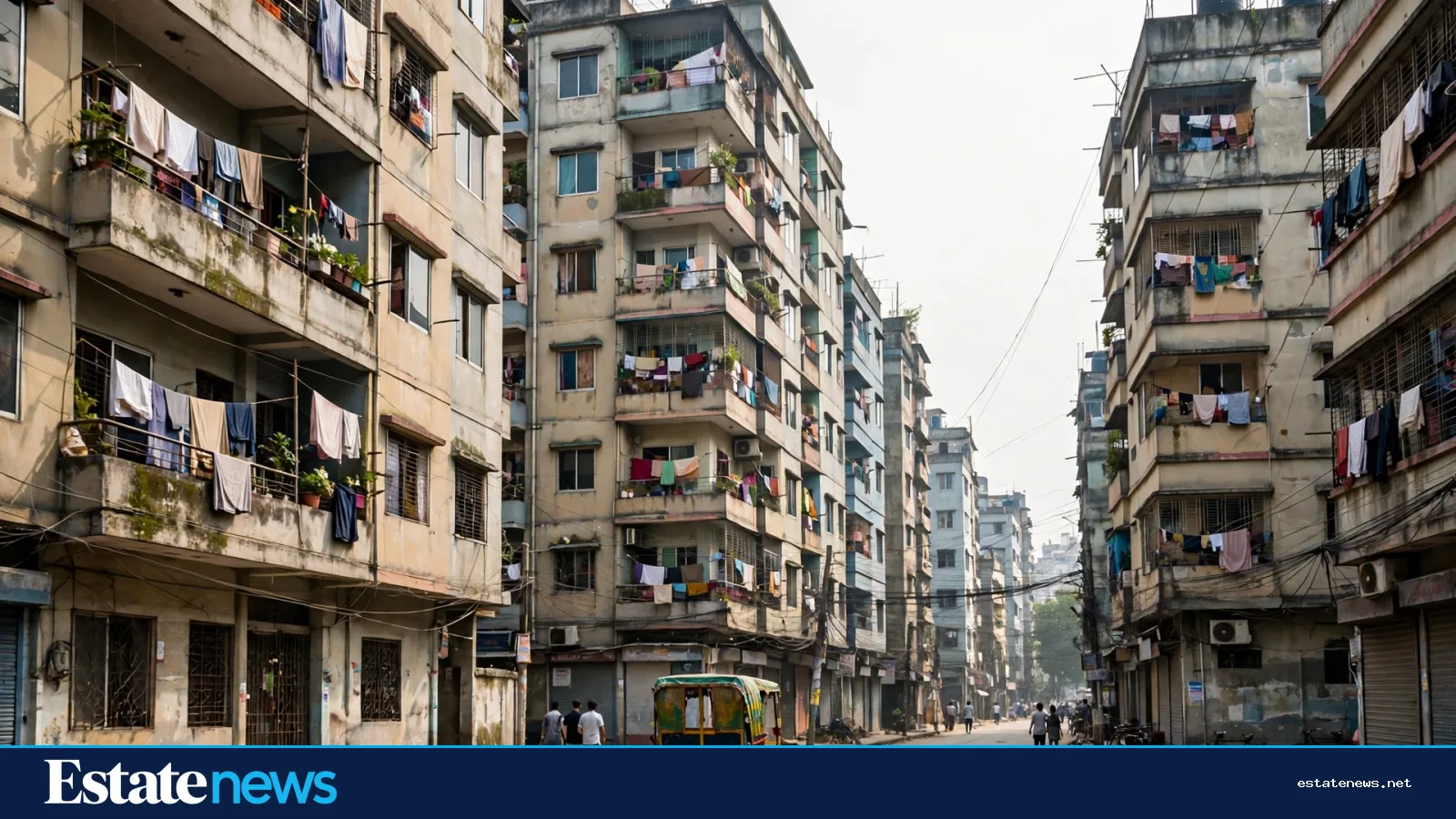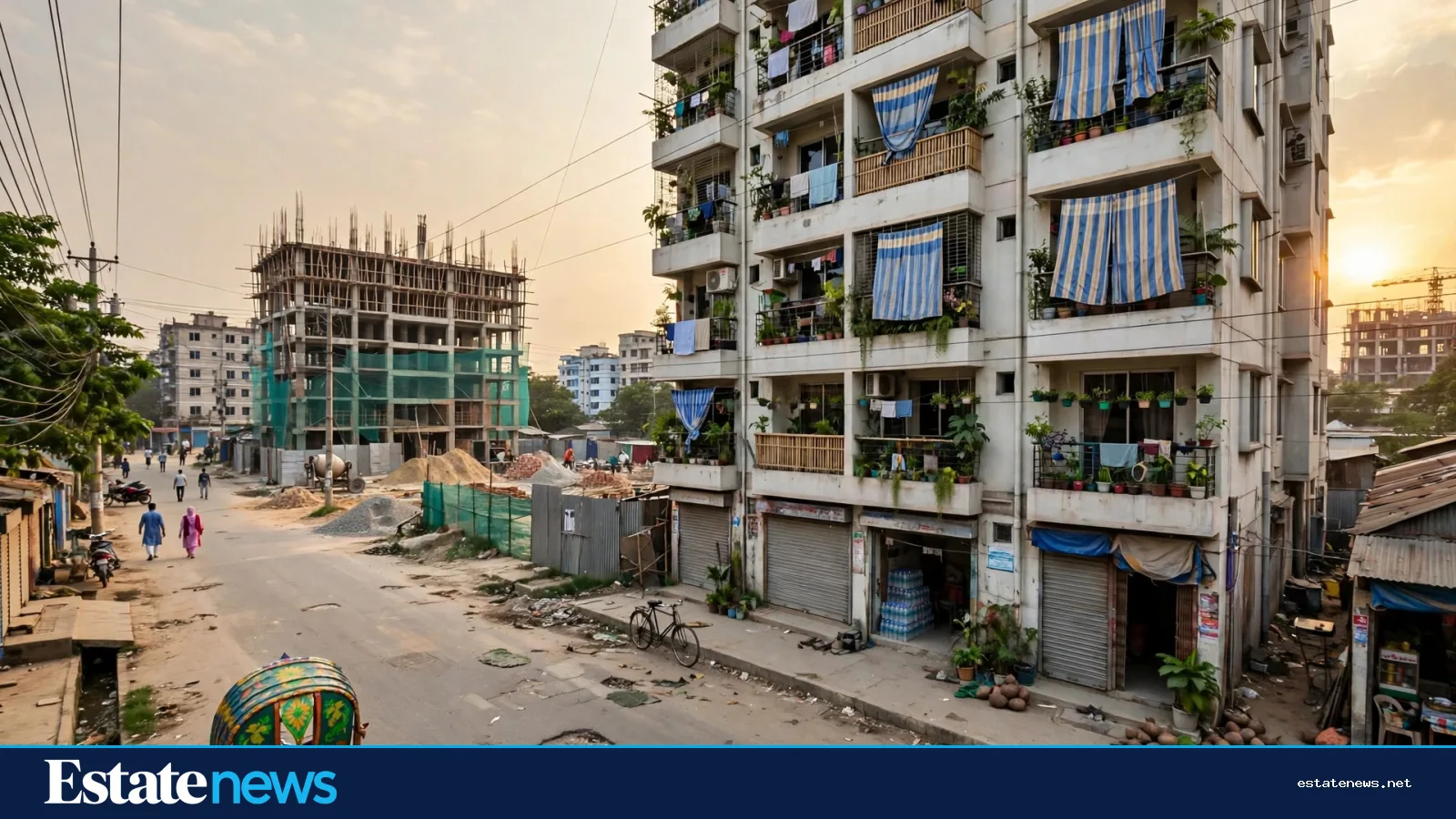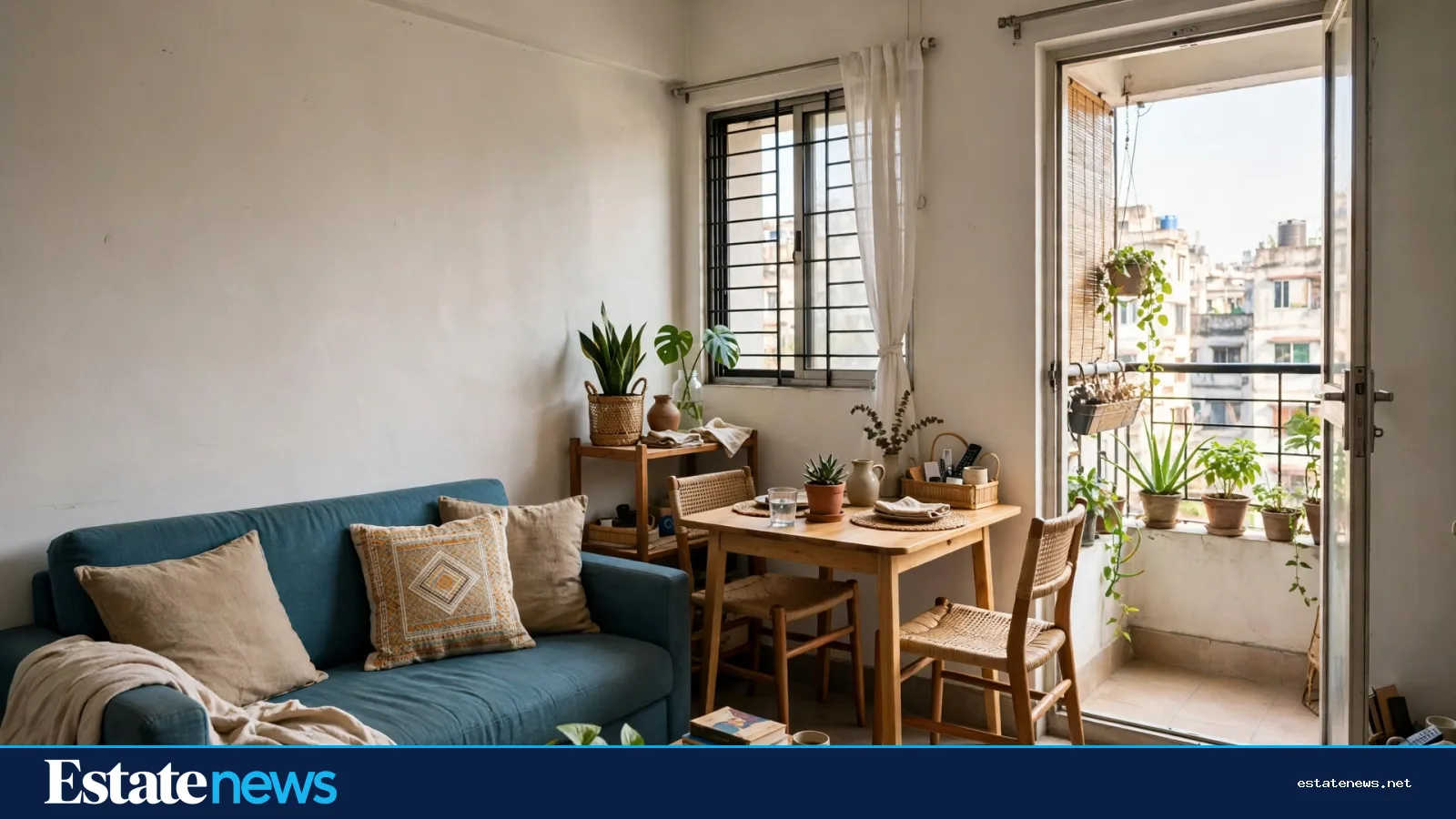
Ask a Dhaka developer which flats move first in a slow market, and the answer rarely points to the largest homes. It points to the compact ones: flats of roughly 800 to 1,200 sq ft, with two or three bedrooms, a sensible layout and a price a salaried household can actually finance. These flats are not a niche. In much of the city, they are the market.
The reasons are practical rather than fashionable. A smaller flat costs less in total, even where the price per square foot is similar to a larger home. That lower total price is what matters most, because it determines the deposit a buyer must save and the monthly instalment a bank will ask for.
Finance is the first filter

Under Bangladesh Bank's housing finance framework, banks generally lend up to 70 per cent of a property's value, with the buyer providing the remaining 30 per cent. A smaller total price therefore means a smaller deposit in cash and a smaller loan — and a smaller monthly instalment. For households whose incomes have not kept pace with construction and land costs, that arithmetic is decisive. A flat that fits the instalment budget attracts financed buyers. A flat that does not depends on cash buyers, a much smaller group.
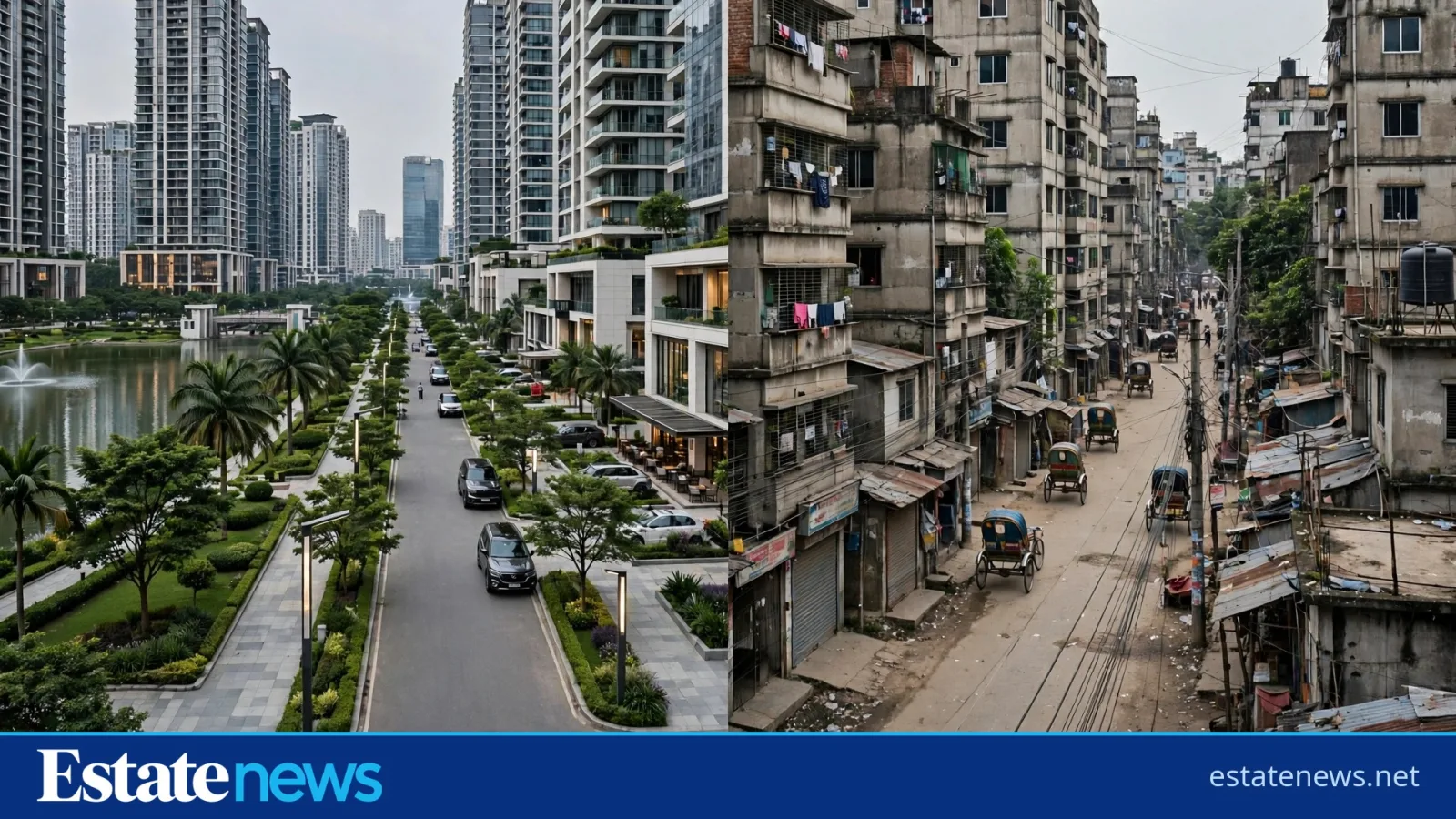
This is also why price per square foot can mislead. A compact flat in a central area may carry a higher price per square foot than a large flat further out, yet still cost less overall and carry a lower monthly instalment. Buyers who compare only the per-square-foot figure may reject the flat they can actually afford and pursue the flat they cannot.
Family size has changed the brief
The second driver is household size. Dhaka's urban families are, on the whole, smaller than a generation ago: fewer children, more nuclear households, and more couples buying their first home without extended family living under the same roof. A well-planned 1,000 sq ft flat — two good bedrooms, a usable living area, a functional kitchen and adequate storage — serves such a household well. A third bedroom that is rarely used is not an asset if it adds years of instalments.
Smaller flats also suit a stage of life, not just a family size. Young professionals buying near work, couples planning their first child, and older buyers downsizing from a larger family home all converge on the same size band, for different reasons. That convergence is what gives compact flats their depth of demand: they are not dependent on a single buyer type.
Layout matters more when space is tight
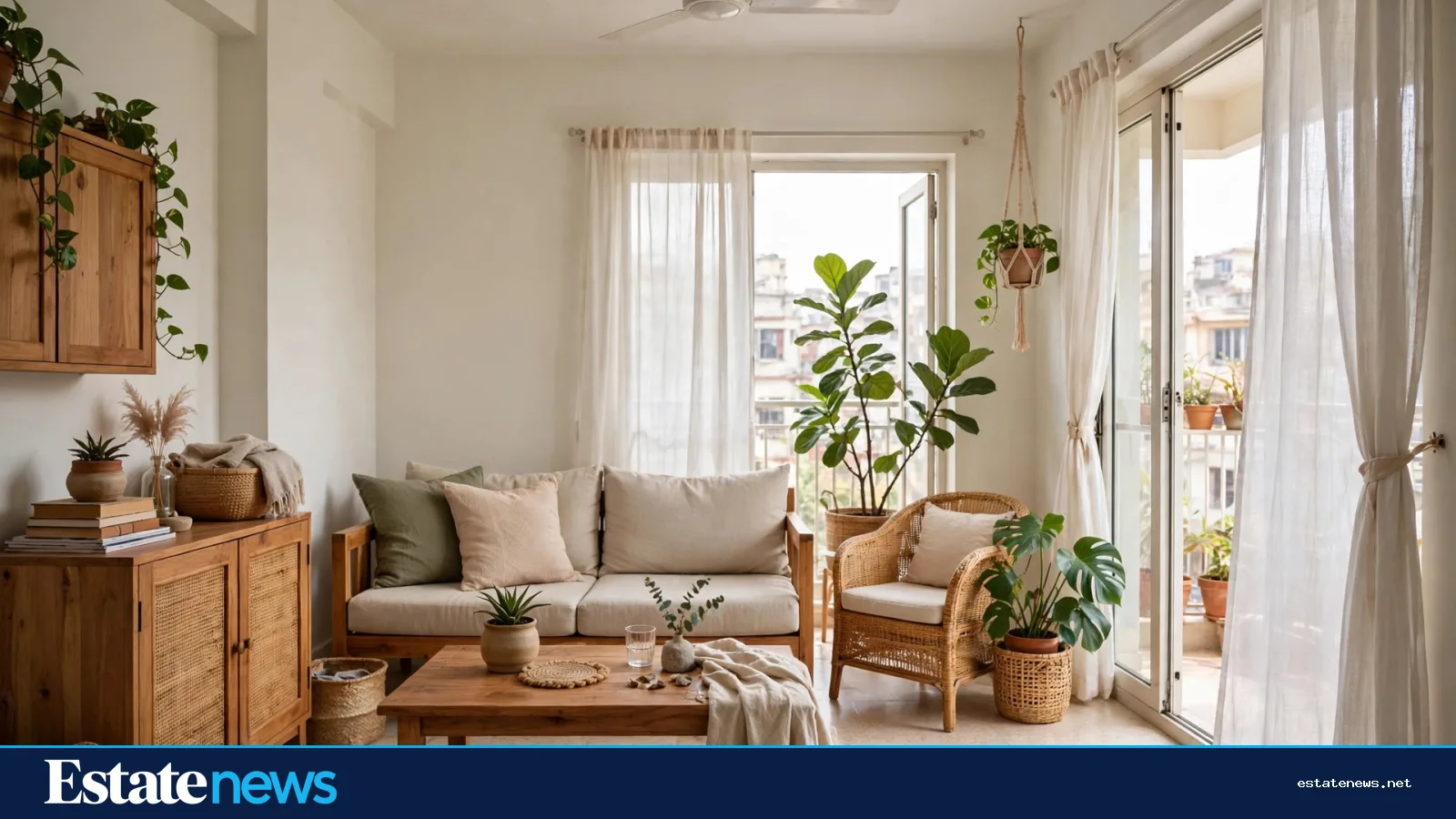
In a large flat, a poor layout can be forgiven because space absorbs it. In a small flat, it cannot. A wasted corridor, a dark central room, a kitchen cut off from the living area or a bedroom that fits a bed but not a wardrobe will be felt every day. Developers who succeed in this segment therefore compete on plan, not just on price: open living and dining areas, cross-ventilation, usable balconies, and storage built into the design rather than added afterwards.


Buyers should judge a small flat by how it lives, not by its floor area alone. Visit at different times of day. Check daylight in every room, not just the living area. Ask where a washing machine, a study desk or a child's study corner would actually go. A compact flat that answers those questions well will feel larger than its area suggests; one that does not will feel smaller every month.
The trade-offs to weigh honestly
Small flats are not without drawbacks, and buyers should weigh them plainly. Resale depends on the same depth of demand that makes them attractive — generally a strength — but a very small flat in a building with weak management or poor parking can still be hard to sell. Service charges are usually shared across the building, so a small flat does not necessarily carry proportionally small charges. And a household that grows may outgrow a compact flat sooner than expected, facing the cost and disruption of moving again.
There is also a quality risk. Because compact flats are built at a price point, some developers cut corners on finishes, fittings or common areas to protect margins. A buyer should inspect the building as carefully as the flat: lift, generator, water supply, staircase and parking all affect daily life and resale, whatever the flat's size.
In a small flat, every square foot has to earn its place — and every flaw is harder to hide.
What this means for buyers
For a first-time buyer, the compact segment offers the most realistic route into ownership in Dhaka today: a total price that can be financed, an instalment that can be budgeted, and a home in a location that supports daily life. For an investor, the same segment offers a broad tenant pool, though rental returns depend on area, building quality and management and should be assessed case by case rather than assumed.
The segment's strength is not a prediction that small flats will always outperform. It is a description of what Dhaka's households can afford, how they now live, and what financed demand can actually absorb. As long as finance costs remain high and family sizes remain compact, the 800 to 1,200 sq ft flat will remain the city's most contested ground — not because it is fashionable, but because it fits.
This article is informational only and is not financial advice. Buyers should confirm loan terms, charges and legal documents with their bank and lawyer before committing.
Follow Estate News on Facebook for daily property, market and money updates: https://www.facebook.com/profile.php?id=61593817347872