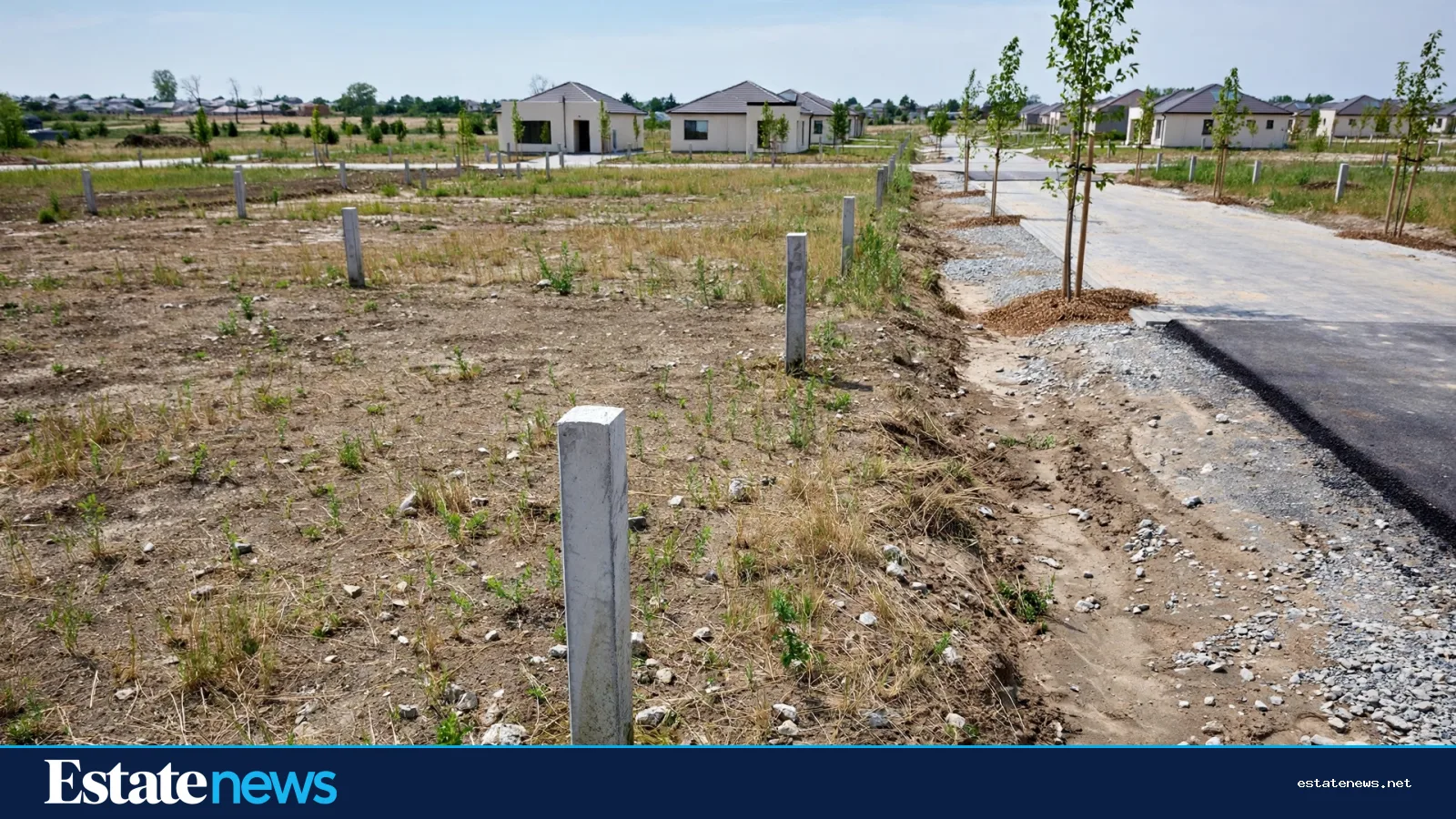
For many Dhaka families, the housing question eventually narrows to two very different answers: buy a flat in the city, or buy a plot in Purbachal and build later. Both are often described as "buying a home". In practice, they are different purchases, with different risks, and they suit different households.
A flat is a finished product. A plot is a project. That single distinction explains most of what follows.
What a plot offers

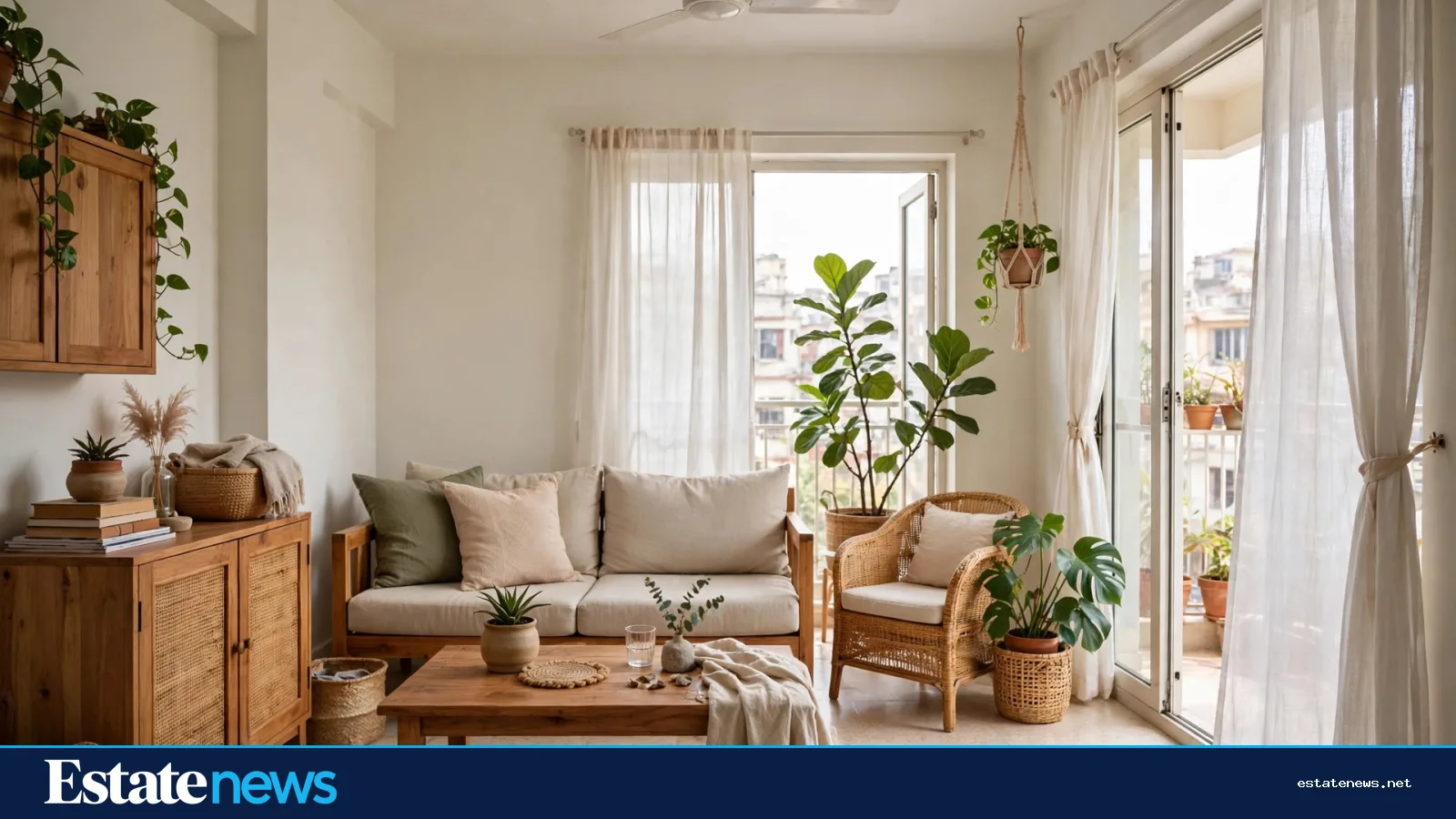
A plot offers control. The buyer chooses the design, the layout, the materials and the pace of construction, within the approvals that apply. A family that wants a house shaped around its own needs — a ground-floor room for elderly parents, a rooftop garden, a study that doubles as a workspace — can build exactly that, rather than adapting to a developer's plan.
A plot also offers flexibility in timing. A buyer can purchase land now and build when finance, family circumstances or construction costs are more favourable. For households that already have a home in the city, a plot can be a long-term plan rather than an immediate move.
But that flexibility has a cost. Land produces no rental income and no home until it is built on, while the buyer continues to pay rent elsewhere or live in existing accommodation. Holding land also means carrying its risks — title, possession, servicing and approvals — without the daily evidence a finished building provides.
What a flat offers
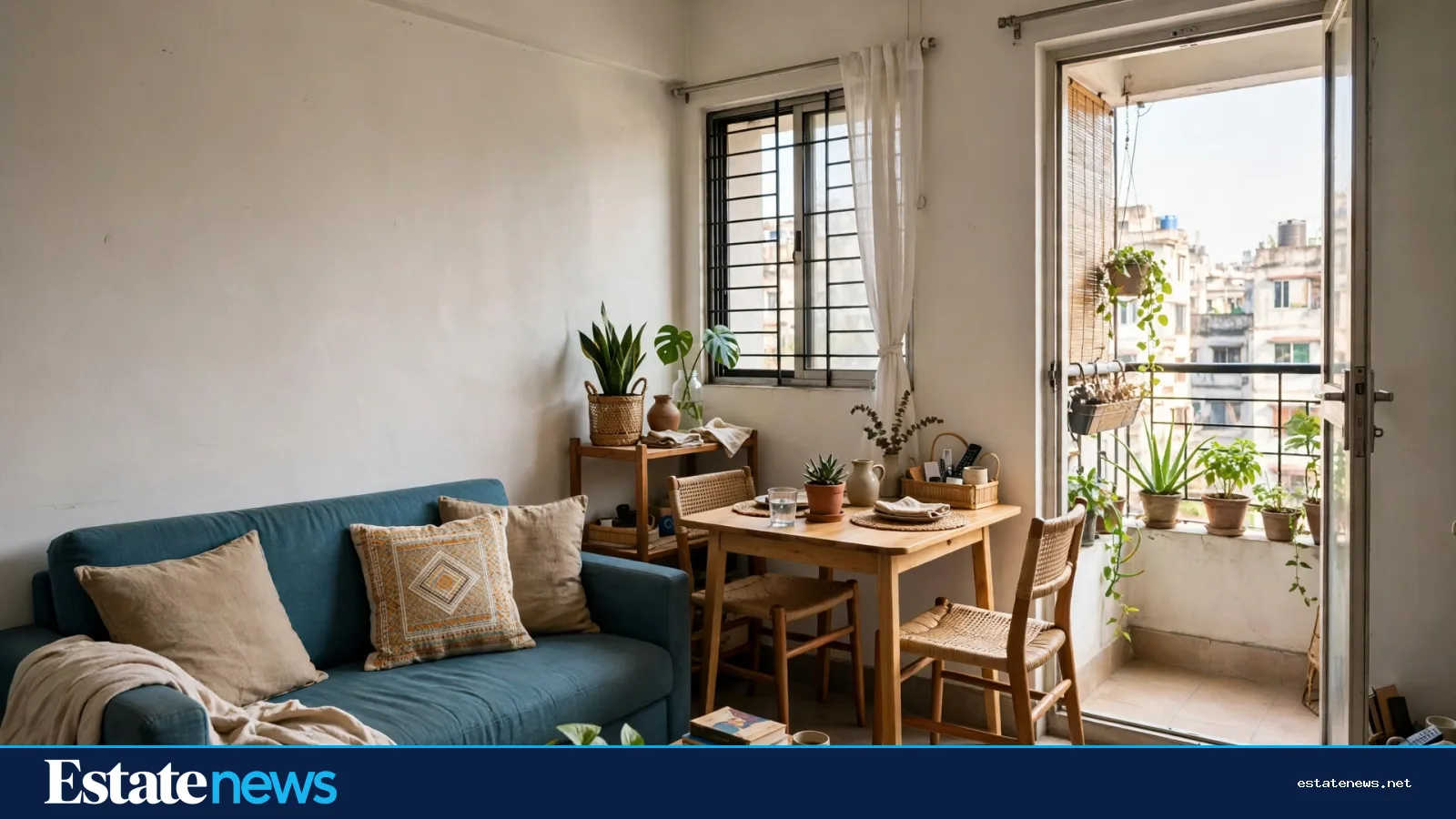
A flat offers immediacy and certainty. The buyer can inspect the actual home, check the building, and move in on a known date. The legal and practical checks — title, approvals, building management — apply to a tangible property. Finance is also more straightforward in one respect: a bank can value a completed flat directly, and under Bangladesh Bank's housing finance framework, banks generally lend up to 70 per cent of a property's value.
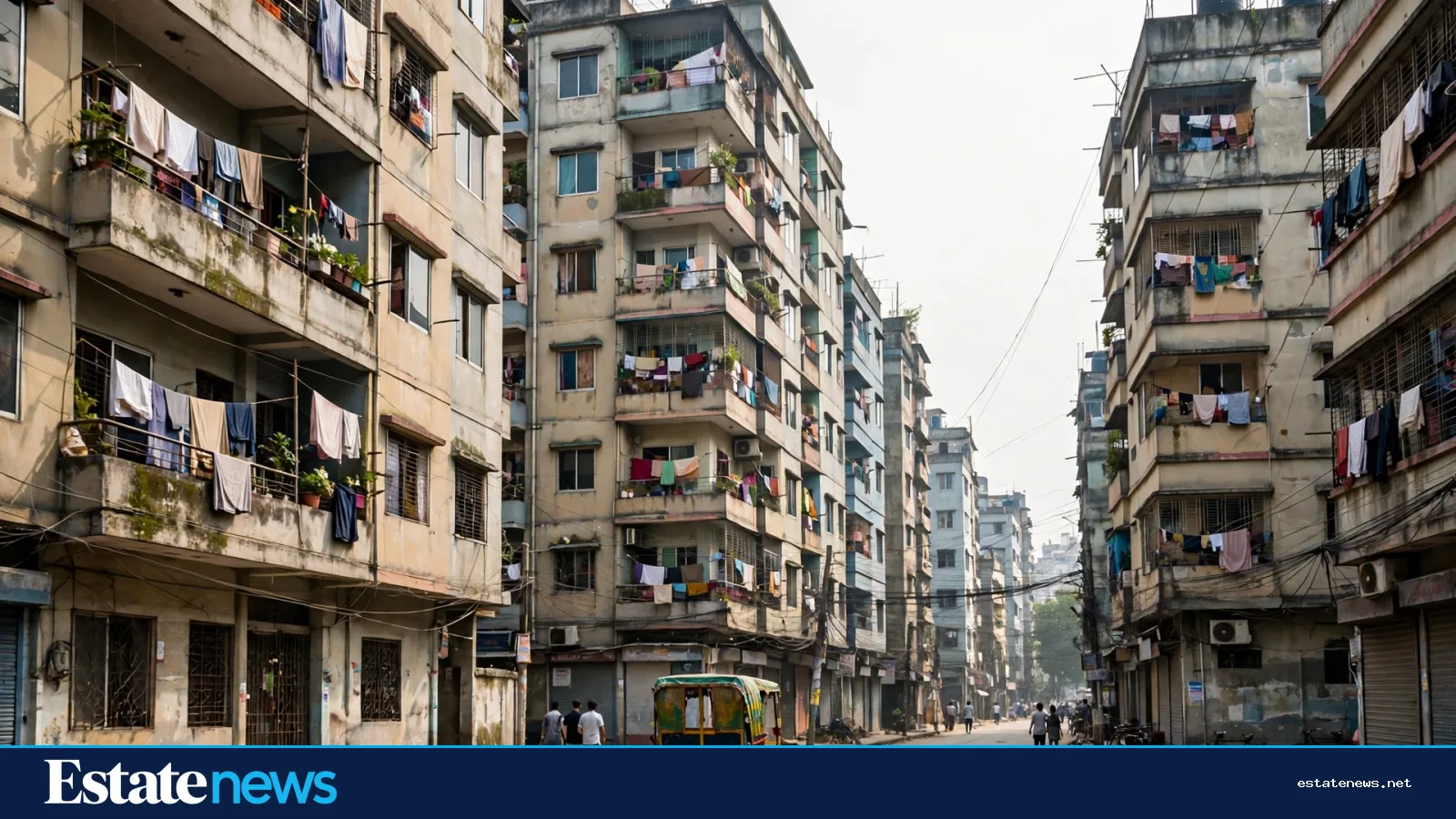
A flat's drawback is the mirror image of a plot's advantage. The buyer accepts someone else's layout, finishes and building management. Service charges continue indefinitely. And the flat's value depends not only on its own condition but on the building and neighbourhood around it, which the owner does not control alone.
Approvals: the step neither side can skip
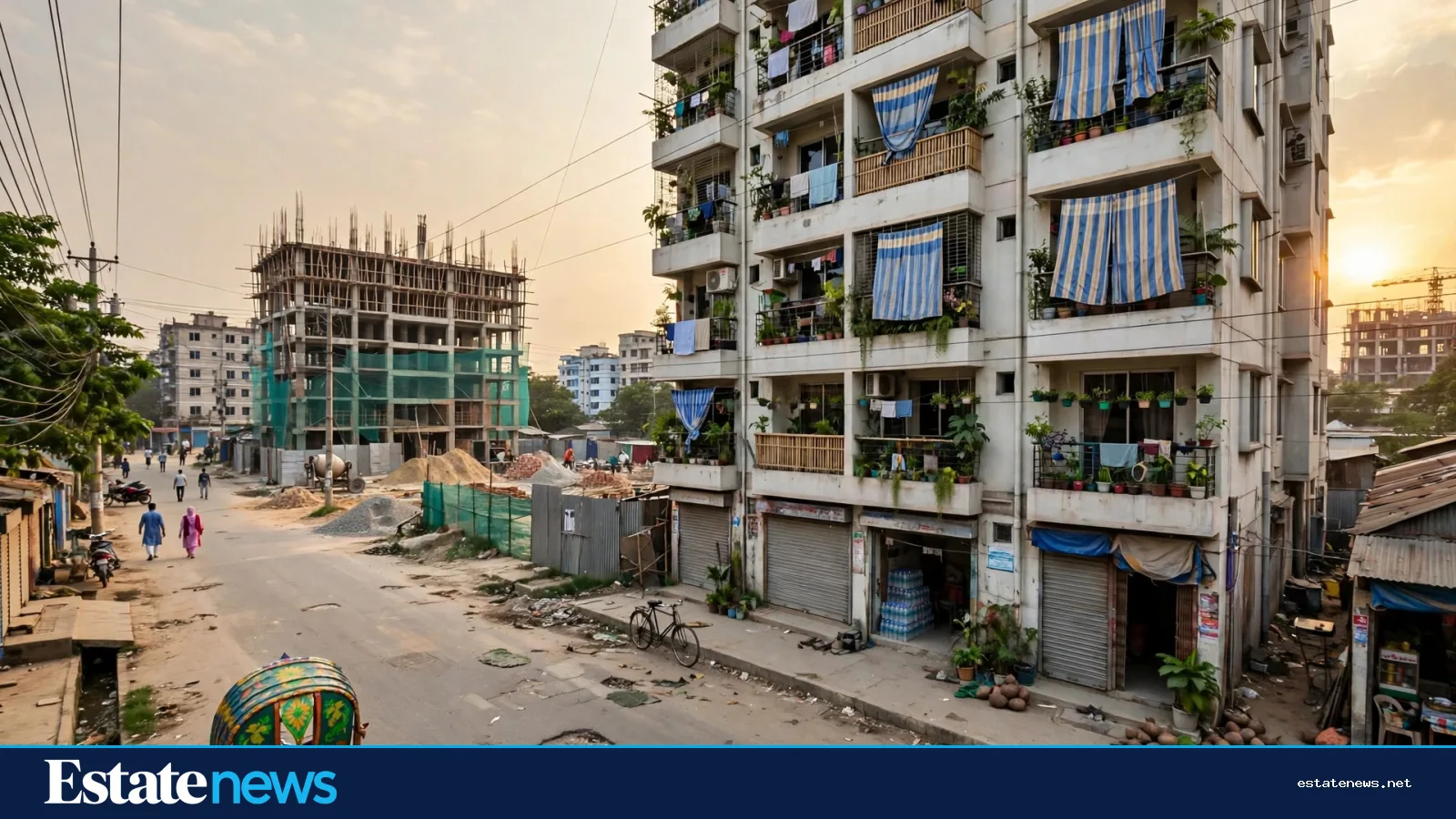
For a plot, approvals are the critical path. A buyer should verify title and the deed chain, mutation records, and whether the plot falls within an approved layout with road access, utilities and a building permission route that is actually usable. In a large township such as Purbachal, where development has proceeded in phases over many years, the status of a particular sector, road or utility connection cannot be assumed from the township's name alone. It must be checked plot by plot, with a lawyer, against official records.
For a flat, the equivalent checks are the building's approvals, the developer's handover record and the management arrangements. Neither route rewards a buyer who relies on a brochure or a verbal assurance. Both reward a buyer who checks documents before paying.


Building costs change the comparison
A plot buyer who intends to build must also reckon with construction costs, which are not a footnote. Estate News' tracker records published-range midpoints of Tk 97,000 per tonne for rod and Tk 505 per bag for cement. Those are input costs, not a complete building cost — labour, bricks, finishes, fittings, approvals, supervision and finance all add substantially — but they illustrate why a self-built house rarely ends up cheap simply because the land was affordable. A realistic construction budget, prepared with a builder and checked against current material prices, should be part of any plot purchase decision, not an afterthought.
A flat buyer, by contrast, pays a single price that already bundles land, construction, approvals and developer margin. The comparison is therefore not "plot price versus flat price". It is "plot price plus construction, approvals, supervision and the cost of waiting" versus "flat price plus registration, loan charges and ongoing service charges". Households that compare only the first figure in each pair will mislead themselves.
Resale and risk
Resale differs too. A flat in an established Dhaka neighbourhood has a visible market: comparable flats, recent asking prices and a pool of buyers who want to live in that area now. A plot's resale depends on the township's development pace, infrastructure delivery and buyer confidence in that particular sector — factors that can move slowly and unevenly. A plot in a well-serviced, well-connected sector may resell readily; a plot in a sector where roads or utilities lag may wait longer, whatever the township's overall reputation.
Neither asset comes with a price promise. No infrastructure project, township plan or market trend guarantees that a plot or a flat will appreciate, and this article makes no such claim. Buyers should be wary of any seller who does. What can be assessed, in both cases, is evidence: title, approvals, servicing, comparable prices and the buyer's own capacity to carry the purchase through to a home.
Which suits whom
A plot tends to suit a household with time, patience, a realistic construction budget and a clear plan for when and how to build — and with the ability to carry land without immediate use. A flat tends to suit a household that needs a home now, wants finance against a completed property, and prefers a known monthly cost to a building project.
Some households choose a third path: a flat now, and a plot as a longer-term plan. That is a legitimate strategy, but only if both purchases are affordable together, including their ongoing costs. Buying both on the assumption that one will fund the other is speculation, not planning.
The choice between Purbachal and a Dhaka flat is therefore less about which asset is "better" in the abstract than about which set of risks, timelines and work a household is actually prepared to take on. Land offers control at the price of a project. A flat offers a home at the price of accepting someone else's plan. The right answer is the one that matches the household's time, money and patience — checked against documents, not promises.
This article is informational only and is not financial advice. Buyers should confirm title, approvals, loan terms and construction costs with their lawyer, bank and builder before committing.
Follow Estate News on Facebook for daily property, market and money updates: https://www.facebook.com/profile.php?id=61593817347872