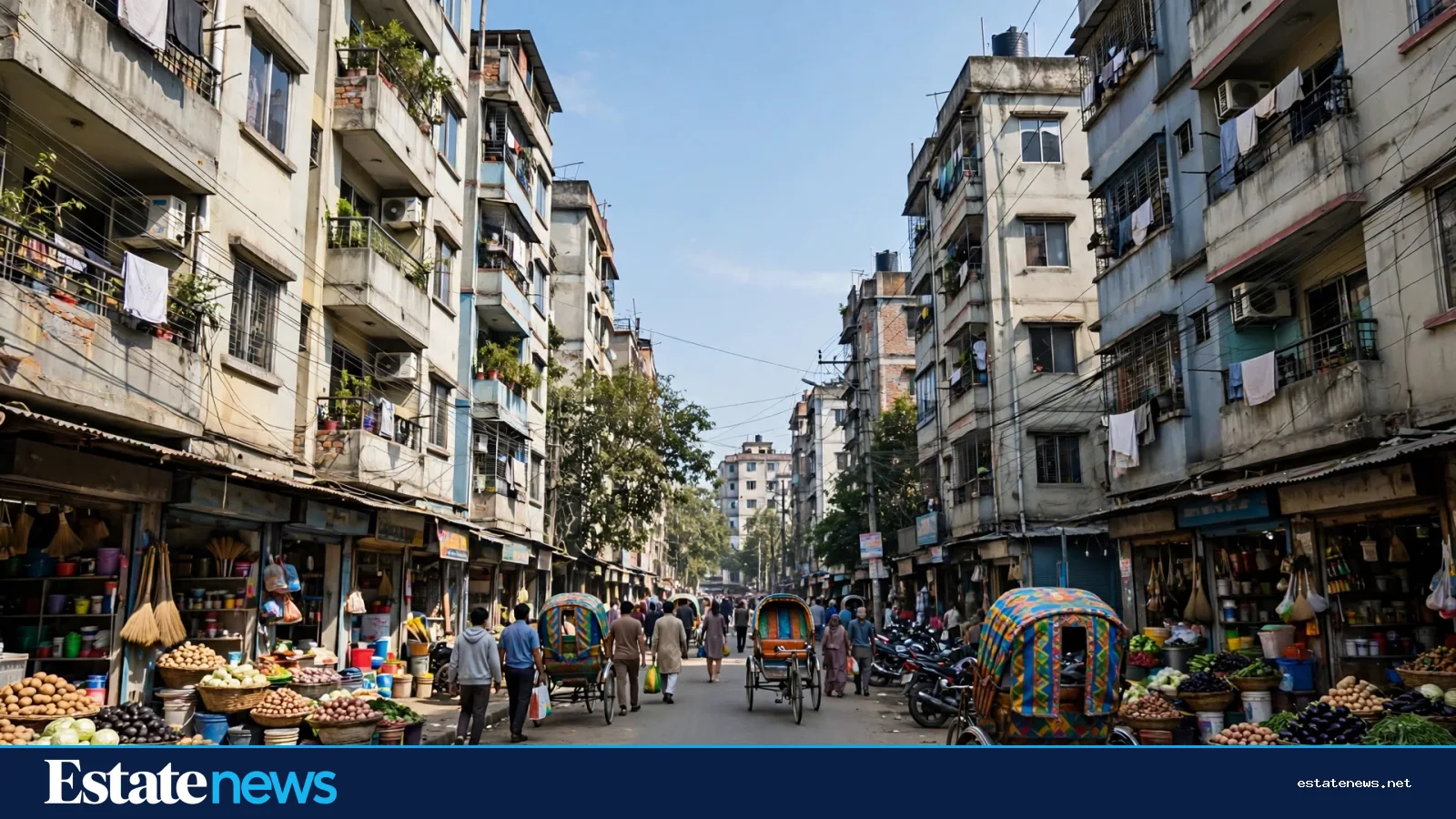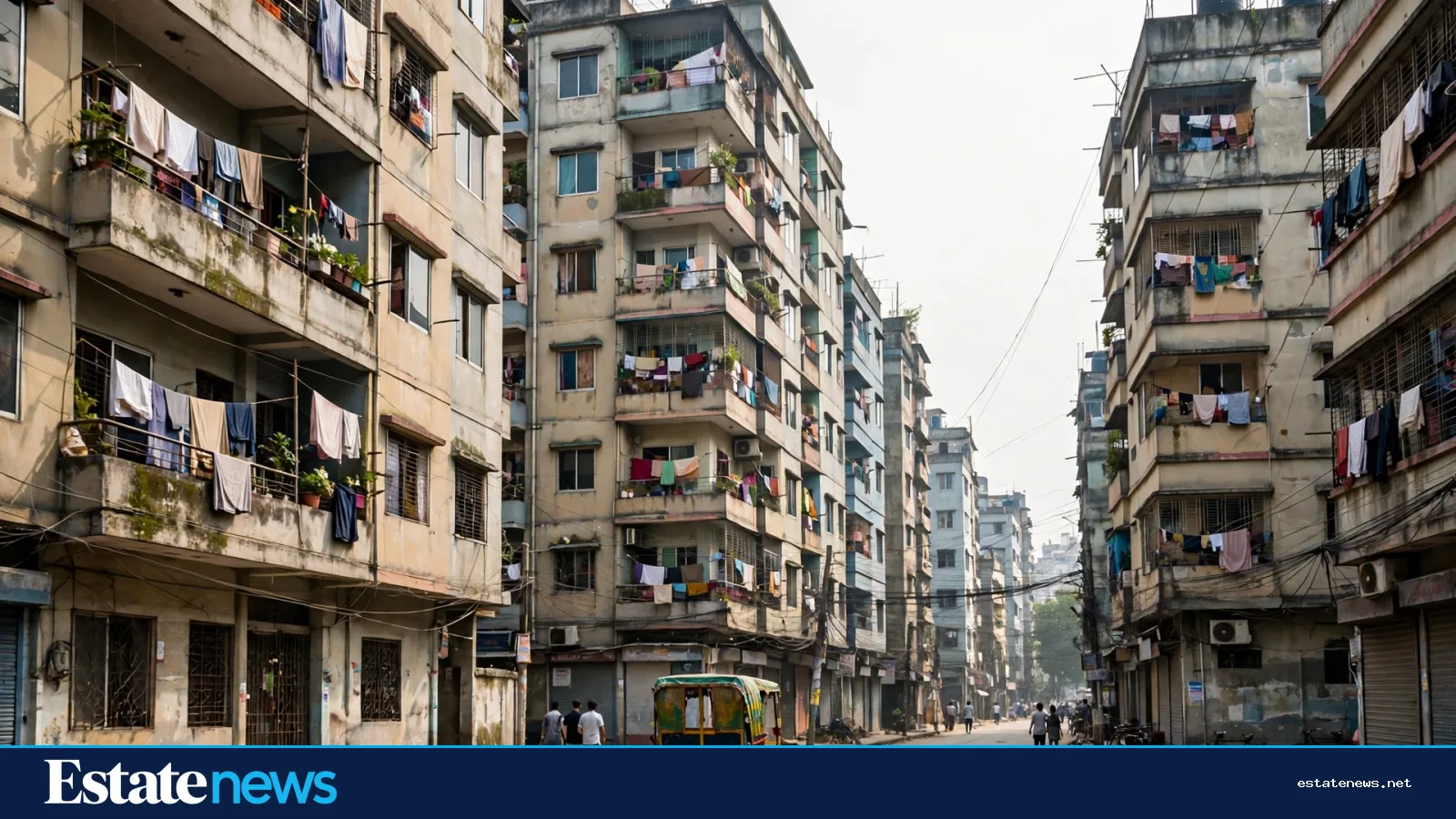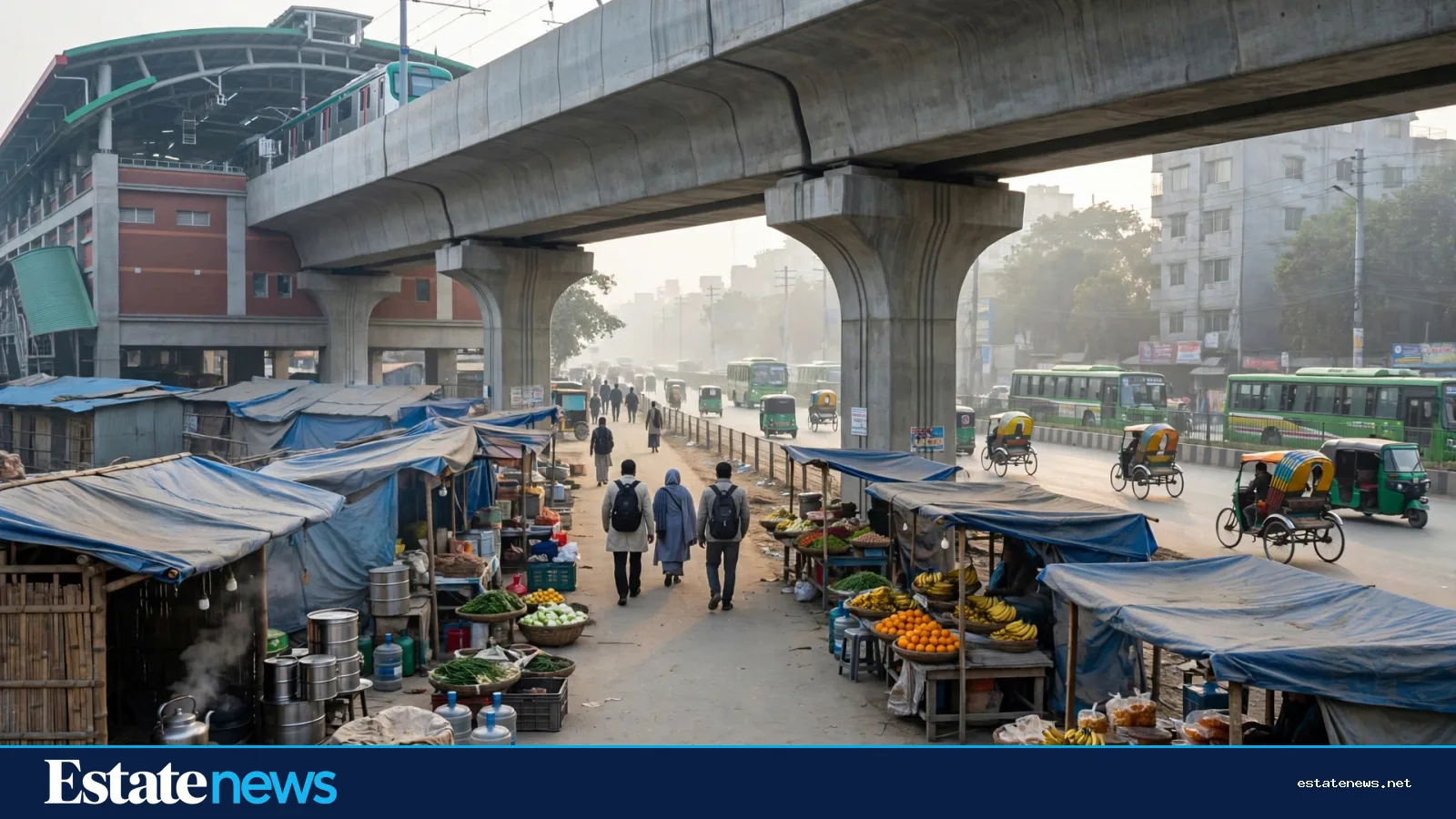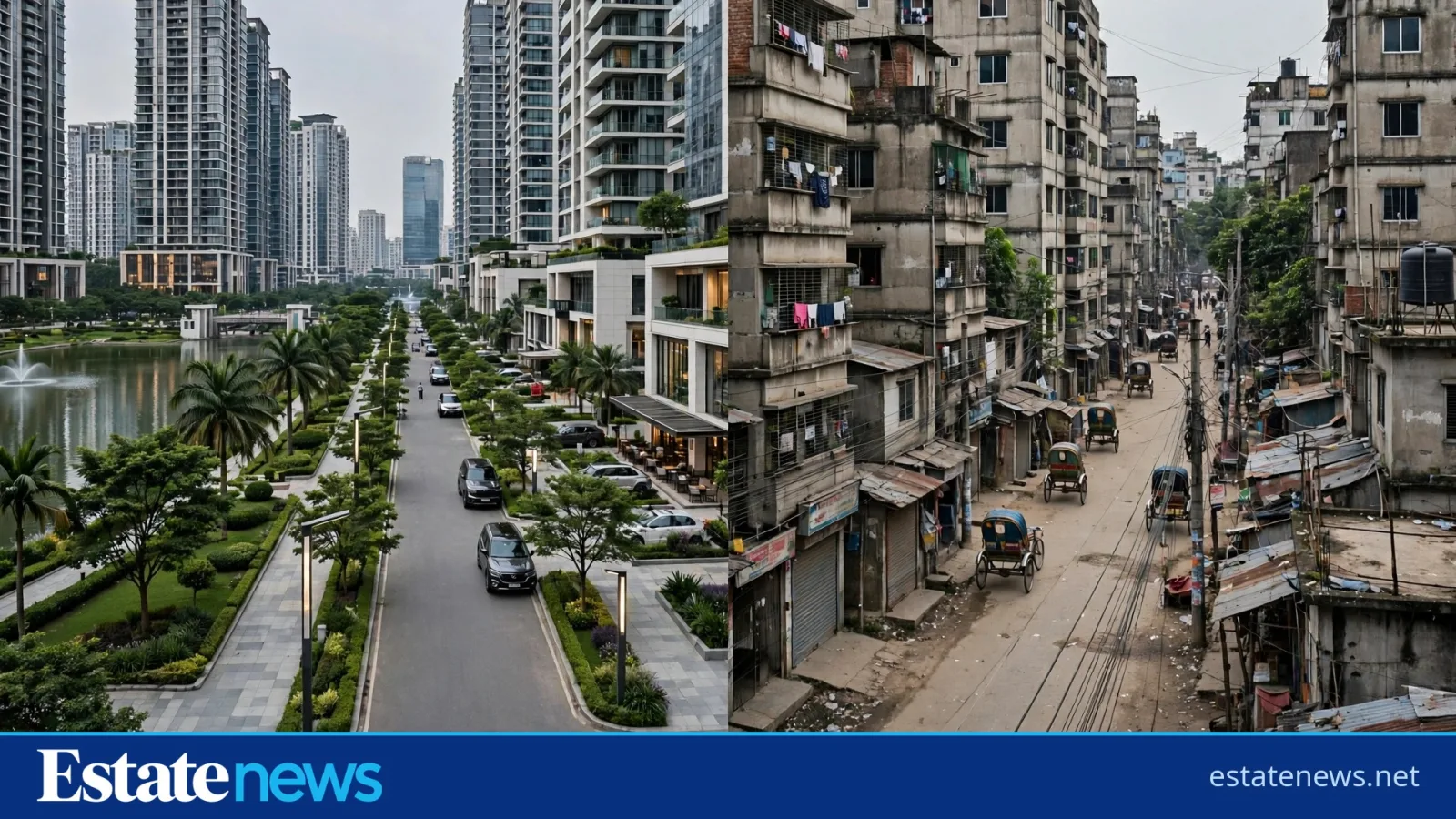
Walk through a mid-priced apartment building in Uttara, Mirpur or Bashundhara Residential Area on a weekend, and the visitors tell the market's story better than any sales chart. A young couple measures a bedroom wall with their hands, wondering whether a child's bed will fit. An older couple, selling a smaller flat elsewhere, checks whether the lift is large enough for furniture and whether the corridor feels safe at night. A man on a video call from abroad pans his phone slowly across an empty living room while his parents ask questions from the other end. Three different buyers, one market segment.
Dhaka's mid-priced flats — homes that are neither the cheapest in the city nor its luxury towers — are the market's working centre. They move, even when the wider market is cautious, because they serve real household needs rather than speculation. Understanding who buys them explains why.
First-time families: buying the possible, not the perfect

The first group is the most numerous: young salaried families buying their first home. They usually arrive after years of renting, with savings assembled slowly from salaries, and often with help from family. Their budget is the hardest constraint in the whole market, and they know it. That discipline shapes everything they prioritise.
For first-time buyers, the flat must first be affordable to own, not just to buy. That means the monthly instalment plus service charges, utility bills and maintenance must fit a household budget that also carries school fees, transport and food. A flat that stretches the family to its limit on the day of purchase, and leaves nothing for a broken lift or a medical bill, is a risk, not an achievement.
They also prioritise certainty over size. A ready flat, or one close to handover from a builder with a record of delivering, beats a larger flat on paper that may take years. They check the commute above all: a home near work or near a metro station can save two hours a day, which for a family with small children is worth more than an extra bedroom. And they look for buildings where other young families already live, because neighbours with children the same age are a form of everyday support.
Upgraders: trading space they have outgrown
The second group already owns a home, but has outgrown it. A couple who bought a small flat a decade ago now has two children, or ageing parents moving in, or work that needs a room of its own. They sell the old flat and buy a larger one, often in the same broad area so that schools, relatives and routines survive the move.
Upgraders are the market's most experienced buyers, and its most demanding. They have lived through building management, service charges, water problems and committee politics, so they inspect what first-time buyers may not think to ask. How is the building actually managed? Who maintains the generator? Is there a functioning residents' association? Does the roof leak in the monsoon? They know that a beautiful lobby means little if the water pump fails every week.
They also think about resale from the start, because they have already sold once. They favour layouts that suit many families, not just their own — a practical kitchen, a usable second bedroom, a balcony that works — and buildings in areas where demand is broad rather than narrow. Their moves keep the mid-priced market liquid: each upgrade frees a smaller flat for a first-time family, and the chain continues.
Non-resident buyers: buying closeness, not just property


The third group buys from abroad. Non-resident Bangladeshis, many of them working in the Gulf, Europe, North America or Southeast Asia, buy flats in Dhaka for their parents, for their own eventual return, or as a family base for visits. Remittance flows into Bangladesh remain strong, and a portion of that money has long found its way into housing, because a flat is both an asset and a place for family.
NRB buyers judge a flat differently. They cannot visit every weekend, so they rely heavily on family members on the ground, on a developer's reputation and on clear paperwork. A ready flat they can inspect during a visit home is far more attractive than a long-dated promise. They also value security and management: a building with a reliable manager, a caretaker and a system for collecting charges matters more to an owner living overseas than to one living downstairs.
Their priorities also explain the importance of areas with established communities. A flat near relatives, near a known school or hospital, or in a neighbourhood the family already knows, is worth more to an NRB buyer than a marginally cheaper flat in an unfamiliar area. They are buying closeness to family as much as floor space.
What all three groups agree on
Different as they are, these buyers converge on the same shortlist of demands. Location must serve daily life: work, school, healthcare and family within reasonable reach. The building must be genuinely ready or credibly close to it. The paperwork — title, approvals, the purchase agreement — must be clean and explainable. And the total monthly cost of ownership must be survivable, not just the purchase figure.
That convergence is why mid-price stock moves while other segments stall. A well-located, well-built, fairly priced flat in Uttara, Mirpur, Bashundhara or a comparable area answers the needs of all three groups at once. A flat that fails on liveability — poor light, awkward layout, weak management, uncertain papers — struggles no matter how it is priced, because each group has learned, in its own way, to walk away.
Why the mid-priced market matters beyond itself
The mid-priced segment is also where the city's housing ladder either works or breaks. When first-time families can buy, they stop renting and free rental homes for others. When upgraders can move, they free starter flats. When NRB buyers invest in family homes, they bring money into construction and maintenance jobs. A functioning mid-priced market is therefore not a niche concern; it is the mechanism by which Dhaka's households move through life stages.
For sellers and developers, the lesson is plain. The buyers who matter most in this segment are not impressed by superlatives. They are impressed by a flat that is ready, a building that is managed, papers that are clean and a price that leaves room to live. Build and sell to that standard, and the buyers are already waiting — measuring bedroom walls, checking the lift, and calling home to say they have found the one.
Follow Estate News on Facebook for daily property, market and money updates: https://www.facebook.com/profile.php?id=61593817347872