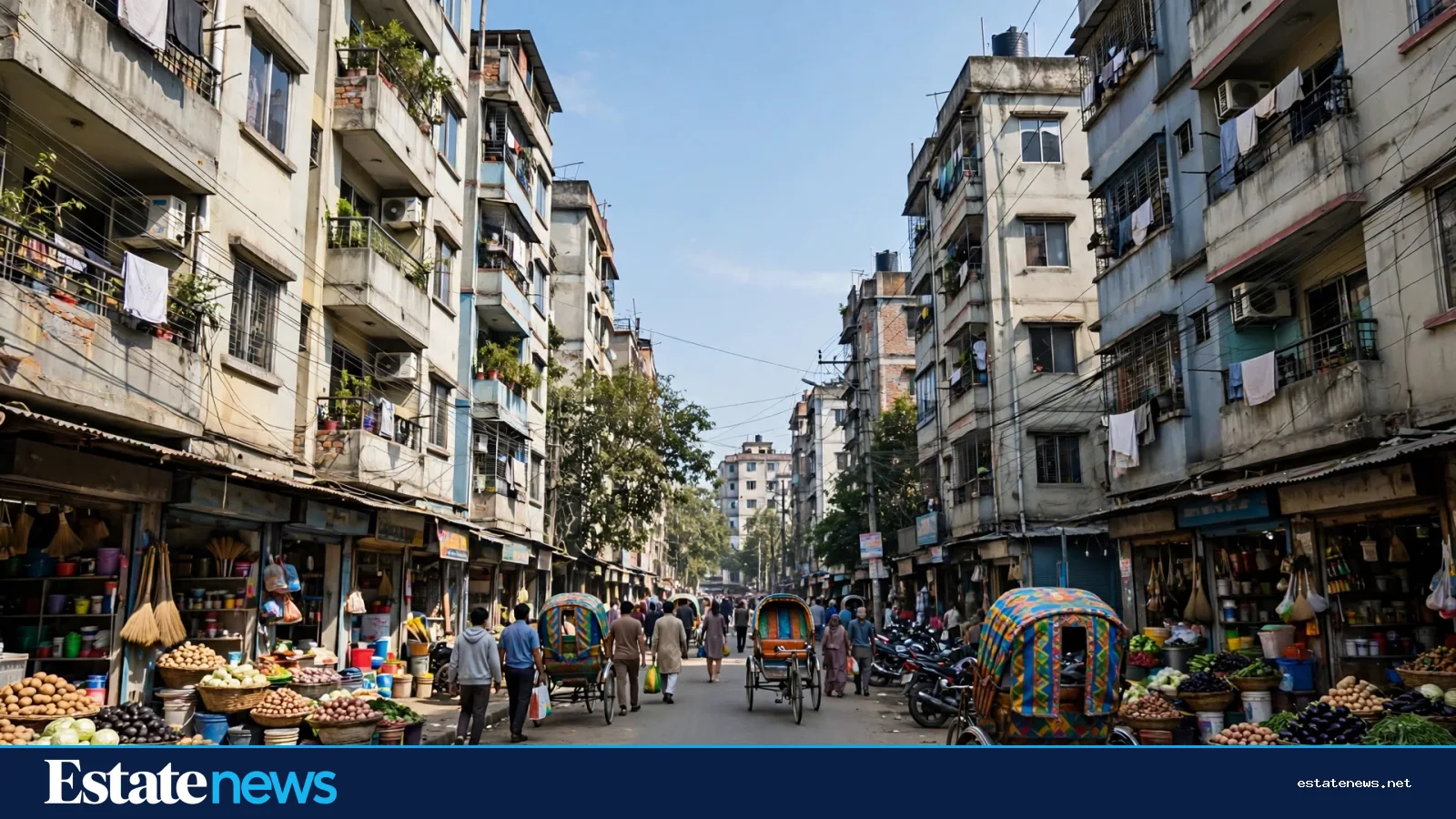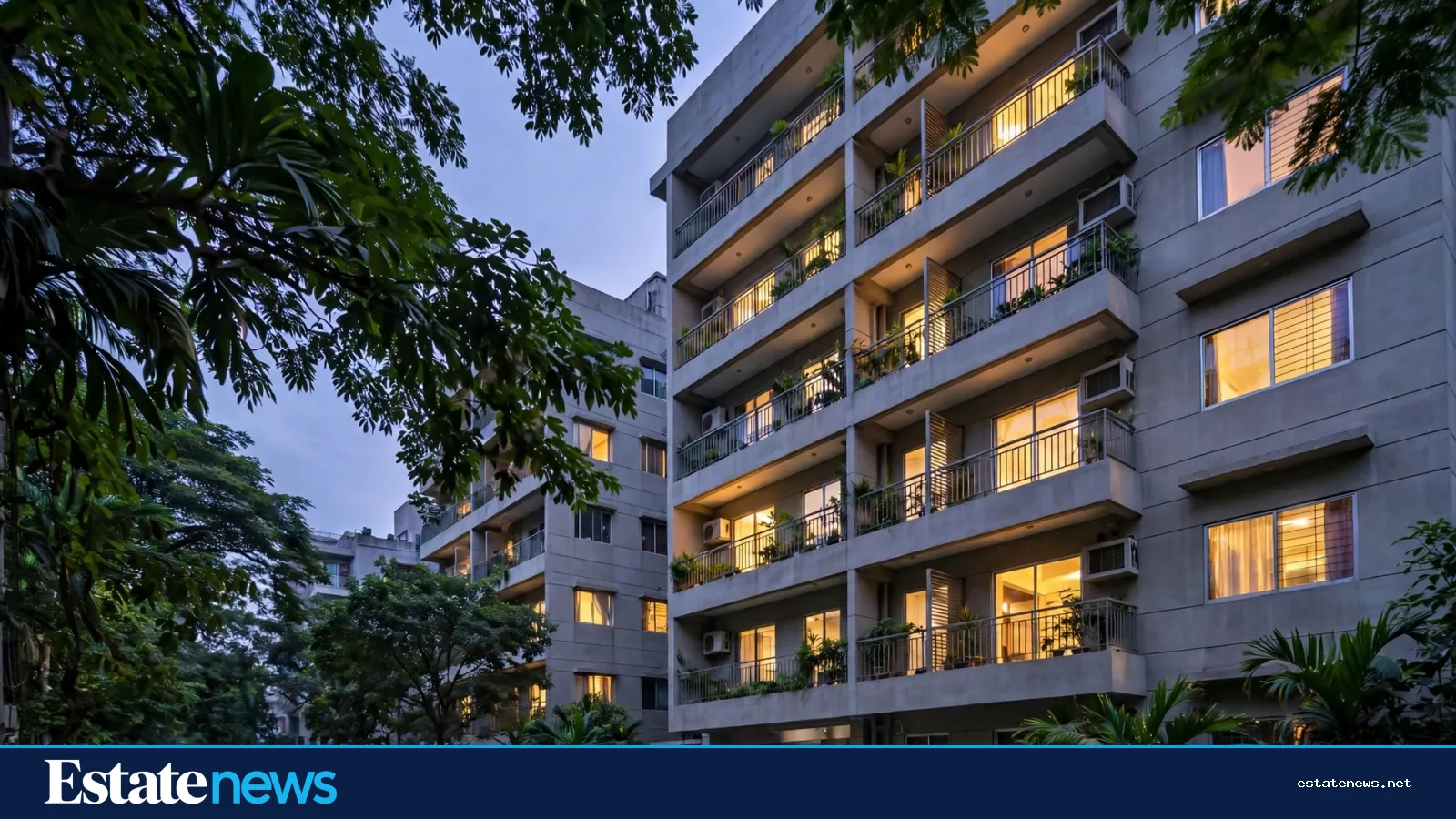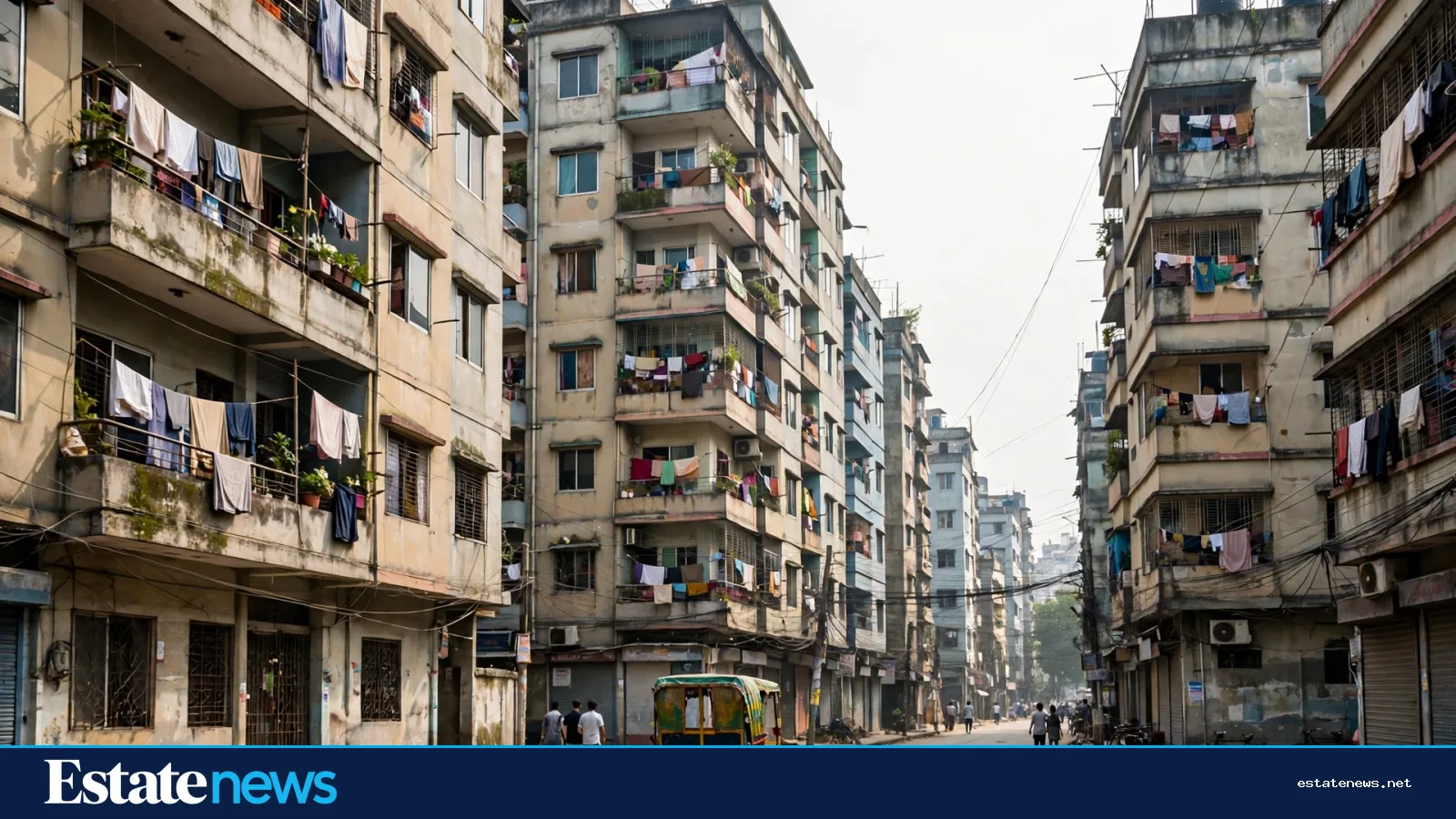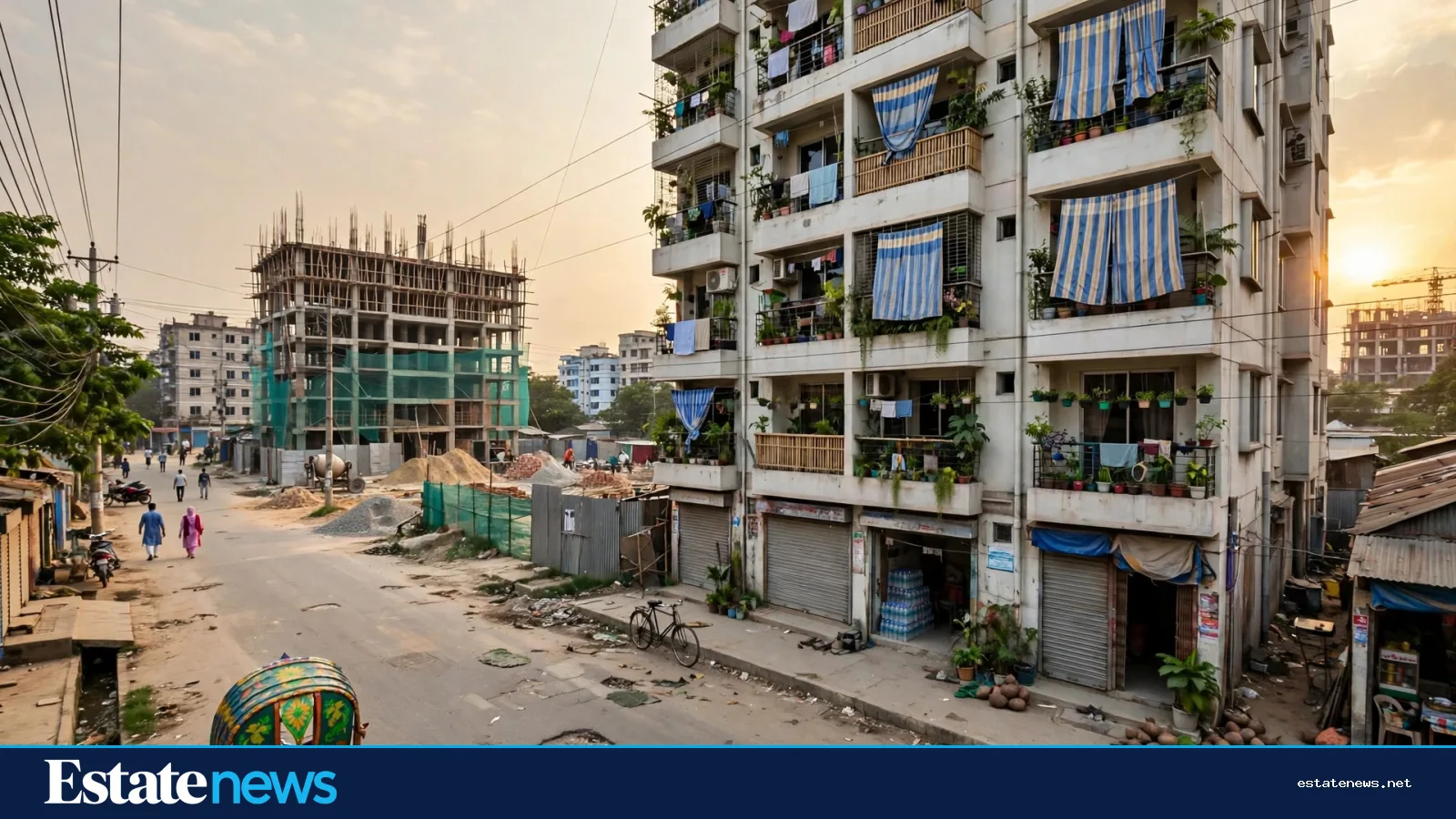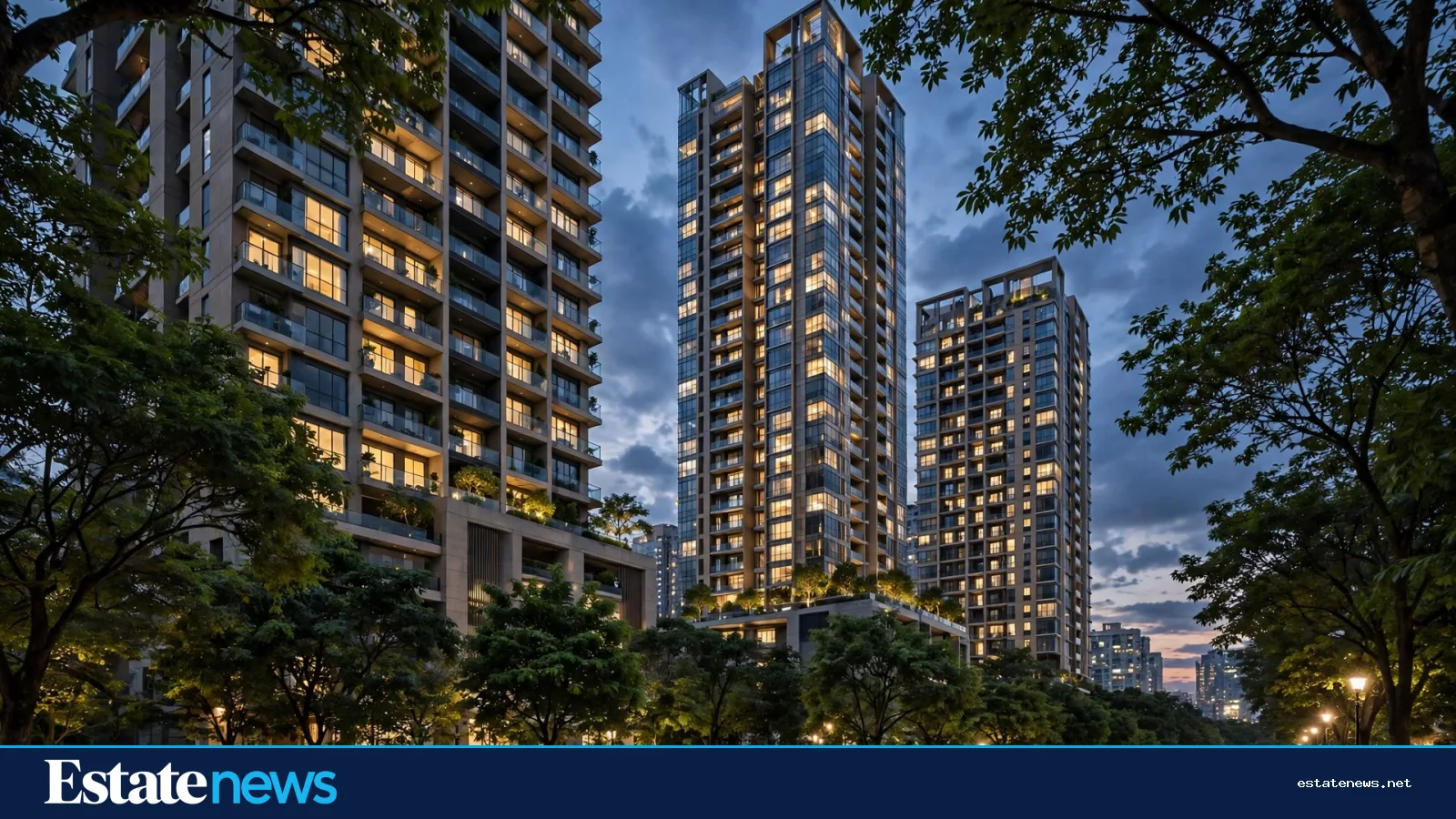
Dhaka's premium housing market is not spread evenly across the city. It clusters where established neighbourhoods, workplaces, schools, hospitals and diplomatic and commercial life already meet — Gulshan, Banani and Baridhara in the north-east, Tejgaon at the city's commercial crossroads, and the planned expanses of Bashundhara Residential Area. A developer's footprint across those corridors tells a story about where premium demand has been strongest, and about what kind of homes that demand has supported.
Shanta Holdings Ltd is a major Dhaka developer whose work sits squarely in that premium geography. Its projects, as presented on the company's own site and in reputable coverage, span Gulshan, Banani, Baridhara, Tejgaon and Bashundhara Residential Area. That spread matters because it shows a developer operating not in one fashionable pocket, but across the connected premium belt that shapes much of Dhaka's high-end residential conversation.
This profile does not present Shanta Holdings as a confirmed member of any industry body; that membership is unverified in Estate News' targeting records, and the company is described here simply as a major Dhaka developer. Nor does it quote prices, unit counts or handover dates that are not verified. What follows is based on the company's verified project presence and what that presence suggests about Dhaka's premium market.

Tejgaon: the commercial crossroads
Shanta Forum, the company's twin-tower project in Tejgaon, illustrates one side of Dhaka's premium story: the meeting of homes and workplaces. Tejgaon has long been a commercial and industrial crossroads, and large-format projects there speak to buyers who want to live close to where the city does business. Twin towers are, by their nature, a statement about scale — about building not just flats, but a landmark presence on a busy corridor.
Shanta Pinnacle, described as a 40-storey project, extends the same logic vertically. Tall buildings in Dhaka's premium market are not only about views. They reflect land scarcity in established areas, the economics of building upward where plots are limited, and a buyer preference for serviced, secure, amenity-rich living. A 40-storey tower is a bet on that preference continuing — on families and professionals valuing managed buildings, common facilities and a central address enough to live at height.
Gulshan and Banani: established premium living
If Tejgaon represents commerce, Gulshan and Banani represent established premium living. Projects such as The Glass House, Skymark and Shanta Western Tower sit in neighbourhoods where buyers are paying, above all, for location: for streets that are already known, for proximity to schools, hospitals, restaurants and workplaces, and for the social familiarity of an address that needs no explanation.
The names themselves are revealing. Premium projects in these areas often emphasise light, openness and outlook — glass, sky, height — because those are the qualities that distinguish a premium flat from an ordinary one in a dense city. A flat in Gulshan or Banani is not only larger or better finished; it is positioned within a daily life that is already convenient, green by Dhaka standards, and well connected. Developers who build repeatedly in these neighbourhoods are, in effect, confirming that the premium market's centre of gravity remains in the established north-eastern belt, even as the city grows outward.


Bashundhara and beyond: scale and planned living
Shanta's presence in Bashundhara Residential Area, including projects such as Digonto and The Vantage, points to the other side of premium growth: planned neighbourhoods where larger plots, wider roads and organised layouts allow a different kind of project. In a planned area, a developer can offer scale and amenities that are harder to assemble plot by plot in older neighbourhoods.
This matters for understanding Dhaka's premium market as a whole. It is not one market but at least two, operating side by side: the established-neighbourhood premium of Gulshan and Banani, where location is the luxury, and the planned-neighbourhood premium of Bashundhara, where space, layout and managed community life carry more of the appeal. A developer active in both is navigating both logics at once.
What the footprint says about Dhaka
Taken together, Shanta Holdings' verified projects suggest three things about Dhaka's premium market. First, it remains anchored in the established corridors, not dispersed randomly across the city. Second, it increasingly expresses itself vertically, through towers that make the most of scarce central land. Third, it is splitting between the intimacy of established neighbourhoods and the scale of planned ones, with buyers choosing between two different versions of premium life.
None of this should be read as a recommendation to buy, or as a claim about any individual project's quality, price or investment return. Those questions require project-specific documents, site visits and independent advice. What a developer's footprint can show, reliably, is where the market has been willing to support premium building — and in Shanta's case, that support has been concentrated where Dhaka already lives, works and spends its most connected daily life.
For readers following Dhaka's housing market, the lesson is a general one. Watch where established developers build repeatedly, and why. Their choices reveal, better than any single advertisement, which neighbourhoods the city's premium buyers continue to trust with their largest purchase.
Follow Estate News on Facebook for daily property, market and money updates: https://www.facebook.com/profile.php?id=61593817347872