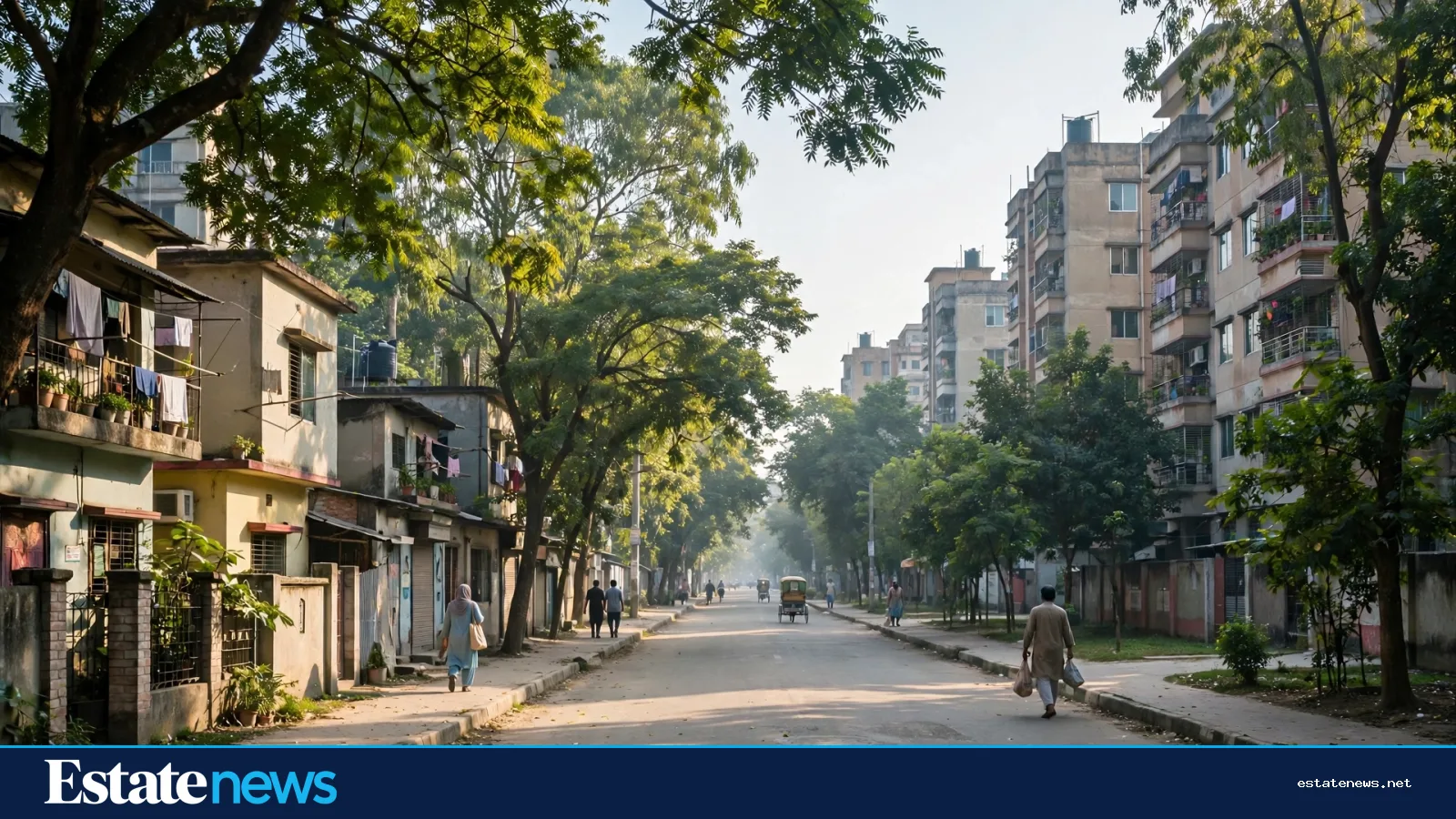
The sales visit is choreographed. You arrive at midday, when the light is kindest. The show flat is furnished, the windows are open, the agent talks about the area. Ten minutes in, most buyers have decided. The trouble is that a flat is not lived in at midday on a pleasant day. It is lived in at 7 in the morning, when everyone showers at once, and at 9 at night, when the street below fills with horns and the generator either starts or does not. A site visit should be a test, not a tour. Go twice if you can, once in daylight and once in the evening, and spend the second visit listening and touching things rather than looking at them.
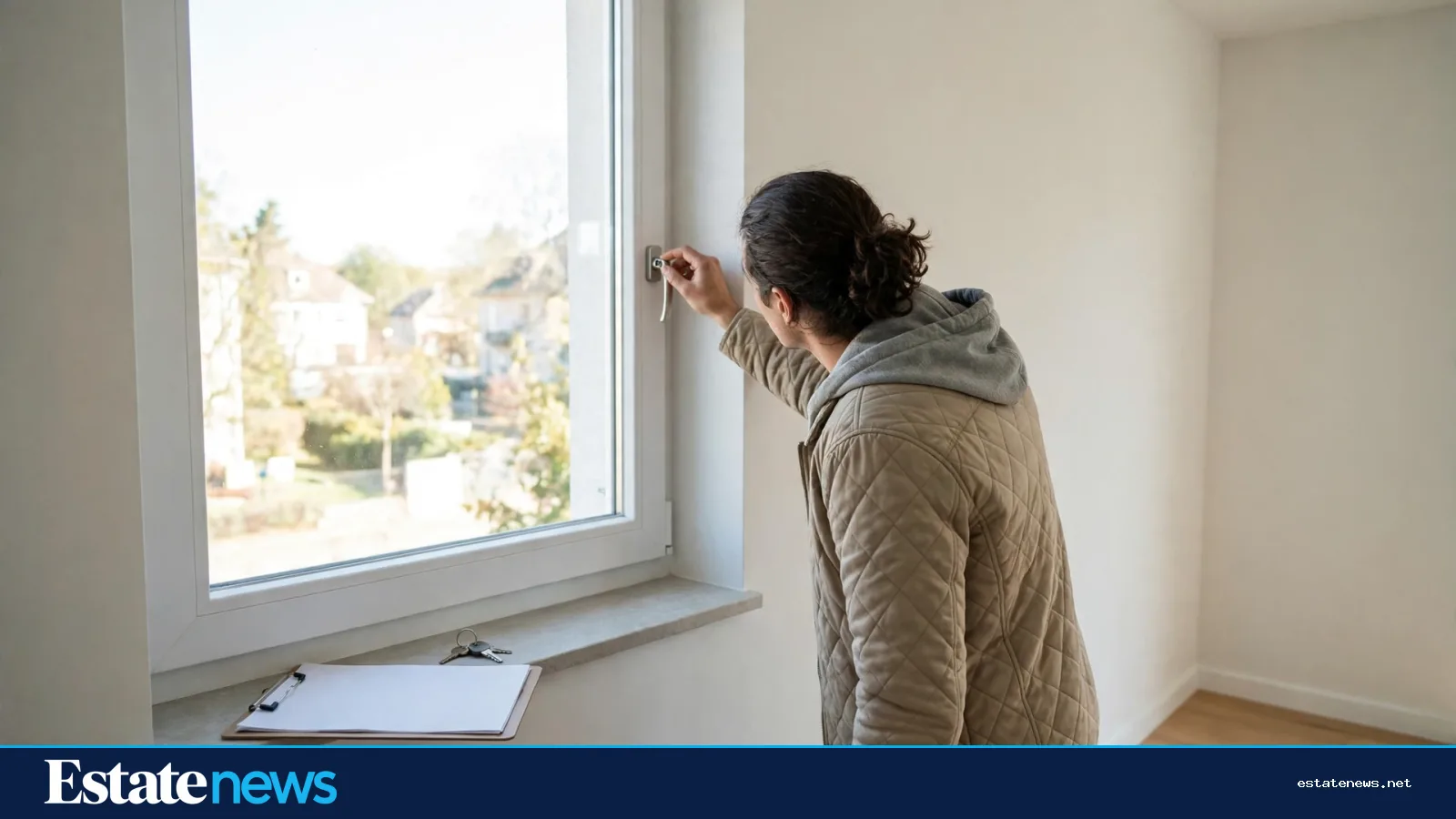
Light comes first, because it shapes every day in the flat. Stand in each room and look at where the sun actually reaches. A north-facing room in Dhaka gets softer, steadier light, while a west-facing room takes the afternoon heat and can become uncomfortable for hours. Check whether neighbouring buildings block the windows, and whether the view from the balcony is a wall two metres away. Open the windows. Do they slide smoothly, do they lock, and do the mosquito nets fit?
Noise, water and the services that fail first

Noise is the complaint buyers discover too late, because they visited at a quiet hour. Stand on the balcony during evening traffic and listen. Ask which rooms face the main road and which face an inner courtyard. Walk the stairwell and the corridor. Thin doors and hollow walls carry sound between flats, and a bedroom that shares a wall with a neighbour's living room will carry their television with it. If the building stands near a mosque, a school or a market, visit at the hours those places are busiest, not at midday when they are quiet.
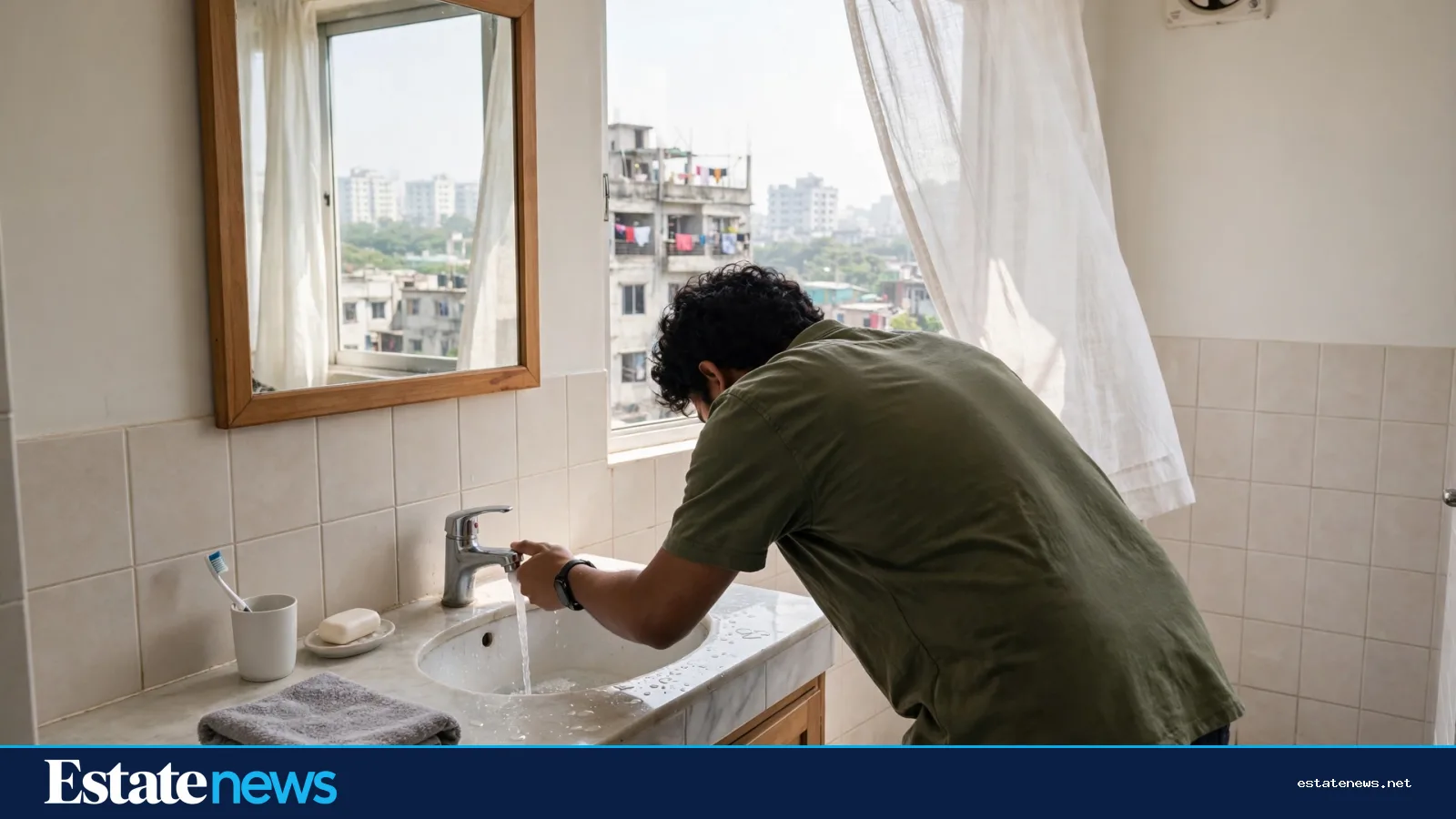
Water pressure is the test most worth doing on site. Open every tap at once, flush the toilets, and run the shower while someone else runs the kitchen tap. In many Dhaka buildings, pressure collapses when several flats draw water together, and the top floors suffer first. Ask about the water source, the rooftop tank, and whether supply has ever run short in the dry months. Check the bathrooms for damp patches, especially around the base of walls and under sinks, and look at the ceiling for stains that suggest a leak from above. Drainage matters as much as supply. Ask where rainwater goes, whether the ground floor has ever flooded during heavy rain, and how the building manages its drains. A flat that floods once a monsoon is not a bargain at any price.
The lift and the generator deserve a ride, not a glance. Ride the lift to the top floor and back, and note whether it moves smoothly or jerks, whether the doors close properly, and whether there is a working emergency button and phone. Ask how often it is serviced, and what happens when it breaks down. A building with one lift and many floors is one breakdown away from a serious problem for elderly residents and families with small children. For the generator, ask what it actually powers during an outage: the lift and common lights only, or part of each flat as well. Then ask what the generator costs to run, because that cost lands in the service charge. A generator that runs the whole flat sounds generous until its fuel bill arrives each month.
The building around the flat


Step outside the flat and inspect the building as a buyer, not a guest. Look at the stairwell, the lobby and the rooftop. Are they clean, lit and maintained, or already tired? Check the parking arrangement: is the space actually allotted, is it accessible, and is there visitor parking? Look at the boundary walls, the security desk and the CCTV cameras, and ask how many guards work at night. Peek at the garbage arrangement and the condition of the drains around the building. These details sound minor on a visit. They become daily life within a week of moving in.
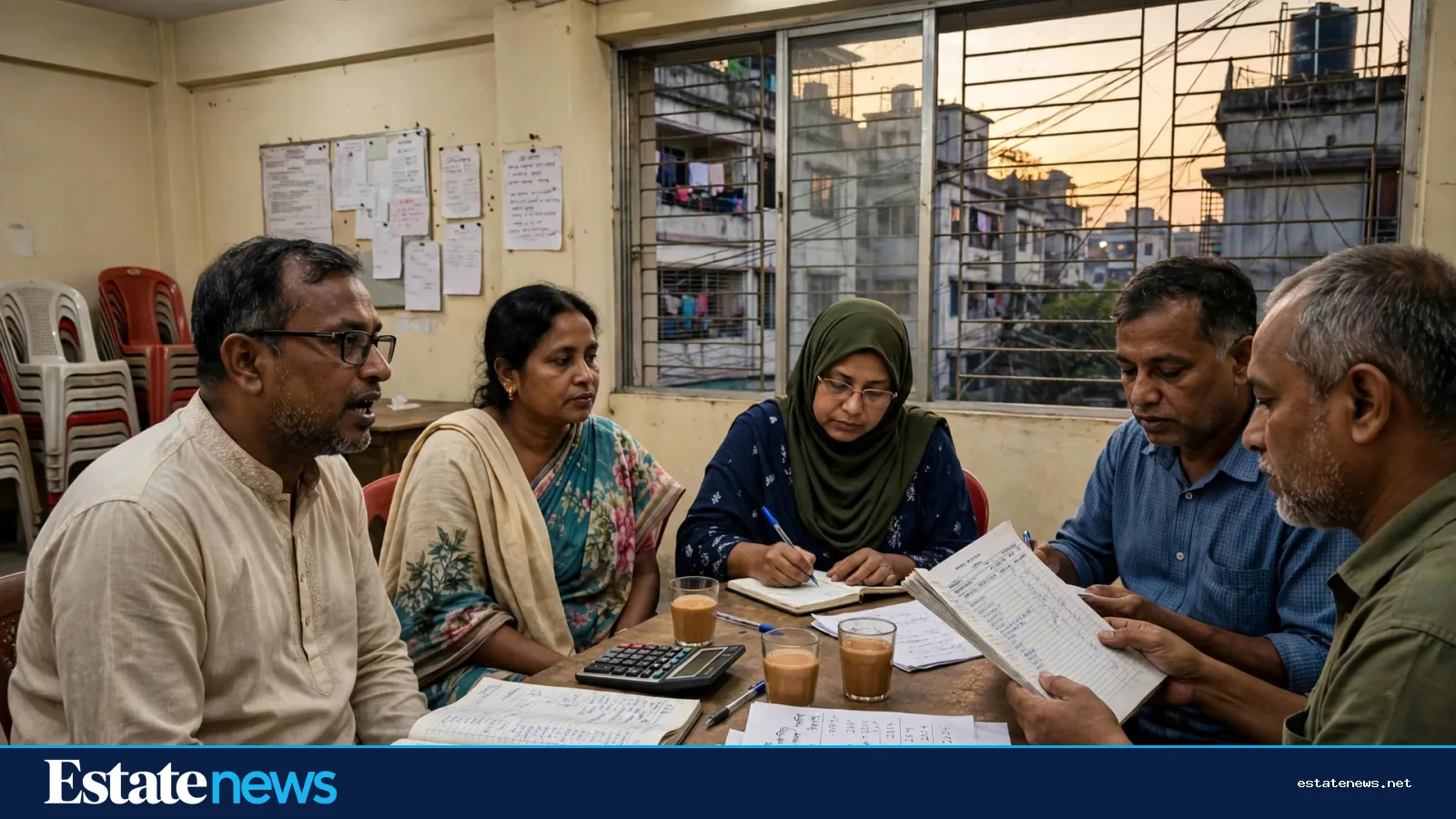
Talk to people who already live there. A caretaker will often say more, honestly, than a sales brochure does, about water, lifts, repairs and how the residents' association works. Ask the association, or the developer's representative, about the service charge: what it covers, how it has changed in recent years, and whether any major repair or special contribution is planned.
Papers to ask for while you are on site
A site visit is also the right moment to ask for documents, while the seller is keen and the answers are easy to give. Ask for the approved building plan and whether the flat matches it, the deed or chain of title documents, the mutation record, and the latest land development tax receipt. For a flat in a developer's project, ask for the RAJUK approval and the developer's handover and completion documents. Ask whether any loan is outstanding against the property, and whether the flat's utility connections are in the seller's name. None of this replaces a lawyer's verification, and a buyer should still have a lawyer check the papers before paying. Asking on site shows early whether the seller has the papers ready or is improvising.
Take notes and photographs as you go, room by room: the water test, the lift, the noise at rush hour, and the answers about charges.
A flat that passes a real visit will not be perfect. Every flat has a compromise: a smaller kitchen, a noisier bedroom, a longer walk to the lift. The point of the visit is to choose your compromise knowingly, rather than discovering it after the deed is signed. The papers take longer, but asking for them on site starts that process honestly. Do both, and the flat you buy will be the flat you actually visited.