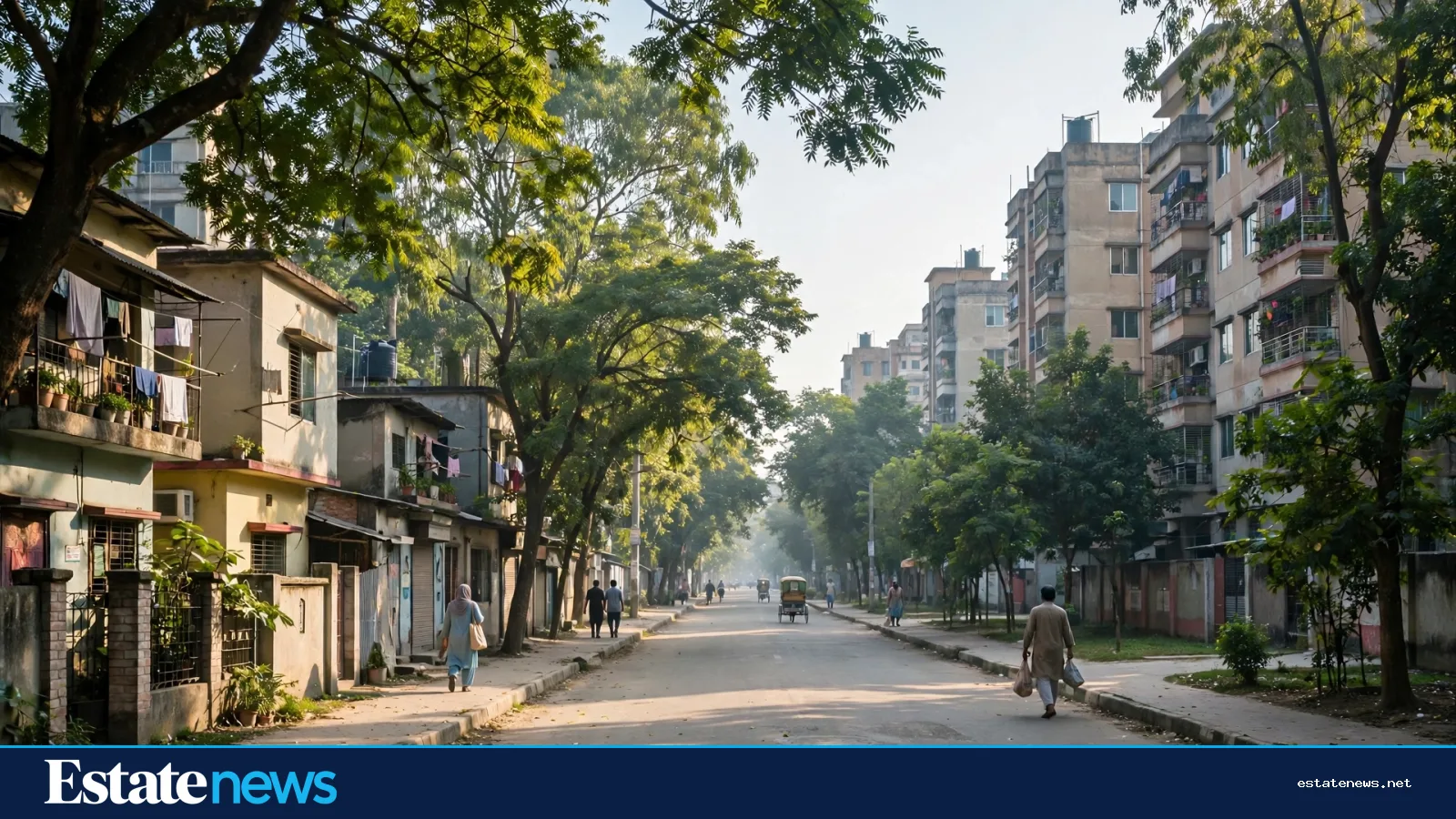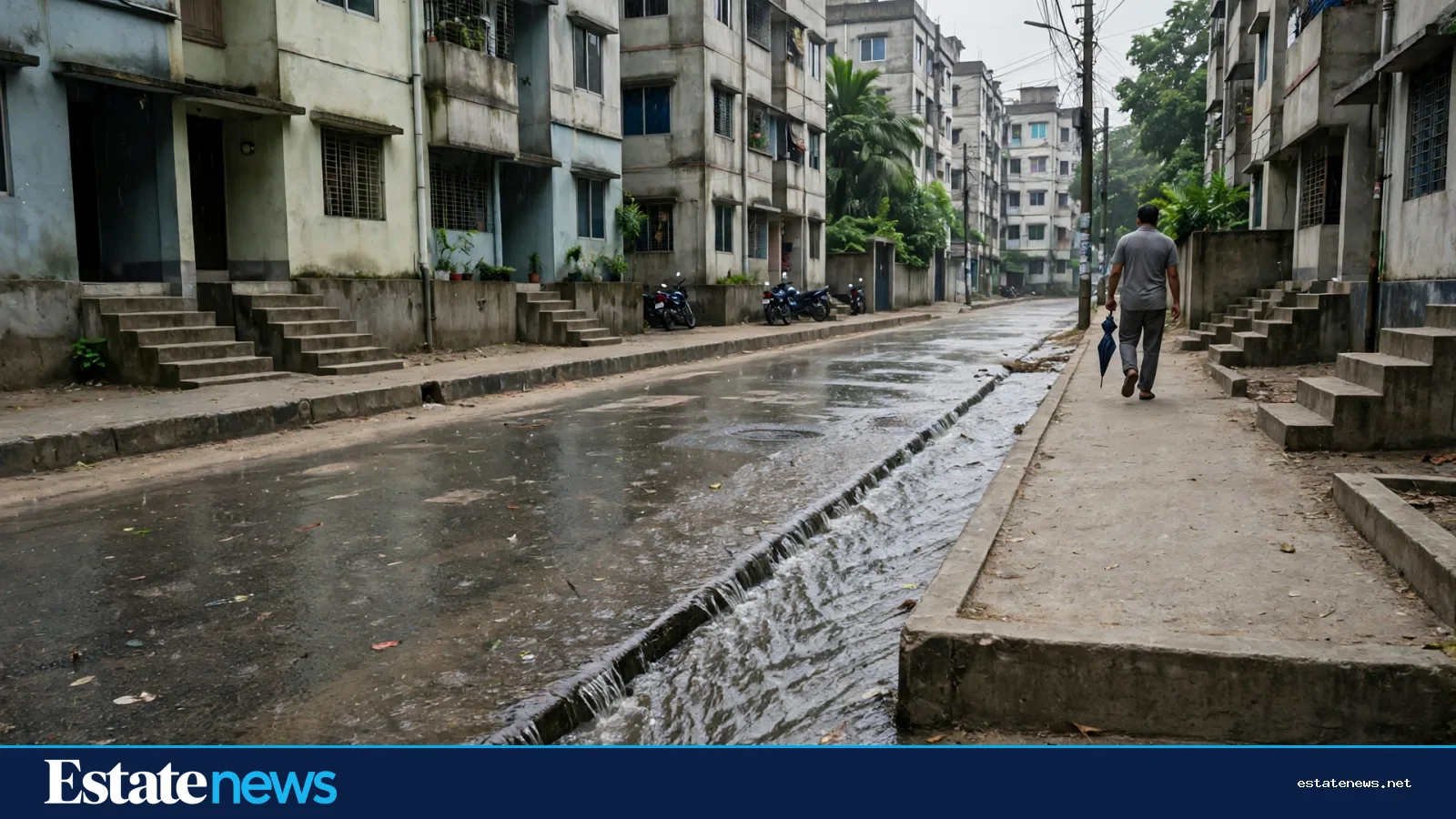
Visit a Dhaka housing street in the dry months and everything looks settled. The road is dry, the gate opens cleanly, the ground floor lobby shines. Come back during a heavy monsoon downpour and the same street can look like a different place: water sitting ankle-deep at the entrance, rickshaws pushing through a brown sheet of rain, residents hopping from one dry patch to the next. Nothing about the flat has changed. The weather has simply revealed what the dry season hides.
That is why waterlogging deserves a place in every home search in low-lying parts of Bangladesh, and not only in the areas everyone already names as flood-prone. Dhaka's waterlogging is rarely a river bursting its banks in the middle of the city. It is rain falling faster than drains can carry it away, on streets where the road, the footpath and the building entrance sit at slightly different heights, and where one blocked drain can back water up across a whole lane. A buyer who only checks a flat, and never checks the street in rain, is checking half the home.
Start with the ground, not the view

The most useful question about any building in a monsoon-prone area is simple: where does the water go? A raised plinth is the oldest answer in Bangladesh, and it still works. In rural flood-resistant housing promoted by development organisations, houses stand on raised earthen platforms or on plinths of sand, clay and cement, with concrete pillars carrying the structure above the level ordinary floods reach. The principle carries straight into the city. A ground floor that sits clearly above the street, reached by steps rather than flush with the pavement, has a margin of safety that a street-level lobby does not.
Height alone is not the whole story. Ask where roof rainwater goes, where the surface drains run, and whether they connect to a drain that actually flows somewhere. A building can have a handsome raised entrance and still trap water in its own courtyard if the drains inside the boundary have nowhere to discharge. Look for drain covers level with the paving, a courtyard sloping gently toward an outlet instead of pooling, and a basement or ground-floor parking area with a pump and power backup.
Drainage is a shared system, and it fails together
No single building drains itself. A flat's drainage joins a lane drain, which joins a larger drain, which eventually reaches a khal or a pumping arrangement. When one link in that chain is blocked by silt, solid waste or construction debris, the water backs up into the lowest point it can find, which is often someone's entrance. Buyers should look at the street drain as carefully as they look at the kitchen.
Walk the lane after rain if possible. Is the drain covered and clear, or open and choked? Does water stand in the same spot every time, suggesting a low point with no outlet? In fast-growing areas around Dhaka, from Mirpur's inner lanes to newer pockets of Keraniganj and Savar, buildings have grown faster than the drains serving them, and a new building on an old drain network inherits that network's limits.


None of this means avoiding every low-lying area. It means checking the mitigations honestly: a raised plinth, a working pump with generator backup, and a management arrangement that cleans the drains before the monsoon, rather than a building relying on the street drain alone.
Materials that cope with wet feet
Water finds the weakest material in a building. At ground level, that usually means plaster that bubbles, paint that peels, wooden door frames that swell, and electrical fittings set too low on a wall that gets wet. They are the ordinary repair bills of a damp building, and they recur every monsoon until the cause is fixed.
A buyer checking a ground-floor or lower-level flat should look low, literally. Crouch and look at the bottom of the walls. Are there tide marks, salt stains or fresh paint covering a damp patch? Open the lowest cupboards and look behind them. Check whether electrical switches and sockets in the ground-floor common areas sit well above the level water has reached before. In a new building, ask what waterproofing was used in the basement and ground-floor walls, and whether the specification sheet mentions it at all. A developer who can answer that question in detail is giving the buyer something real. A developer who waves it away is not.
Upper floors are not exempt. Rain drives through poorly sealed windows and flat roofs with blocked outlets, and a top-floor flat with a roof that ponds water will teach its owner about waterproofing in the first heavy season. Check the roof if access is allowed, and ask when it was last inspected.
What to check before you buy in a monsoon-prone area
- Visit during or shortly after heavy rain, and walk the approach road, the lane and the building entrance, not just the flat.
- Ask residents what happened in the last monsoon: how deep, how long, and how often.
- Check the plinth height against the street, and look for a clear drainage path from the courtyard to the street drain.
- Look for damp marks, salt stains and swollen frames at the bottom of ground-floor walls and doors.
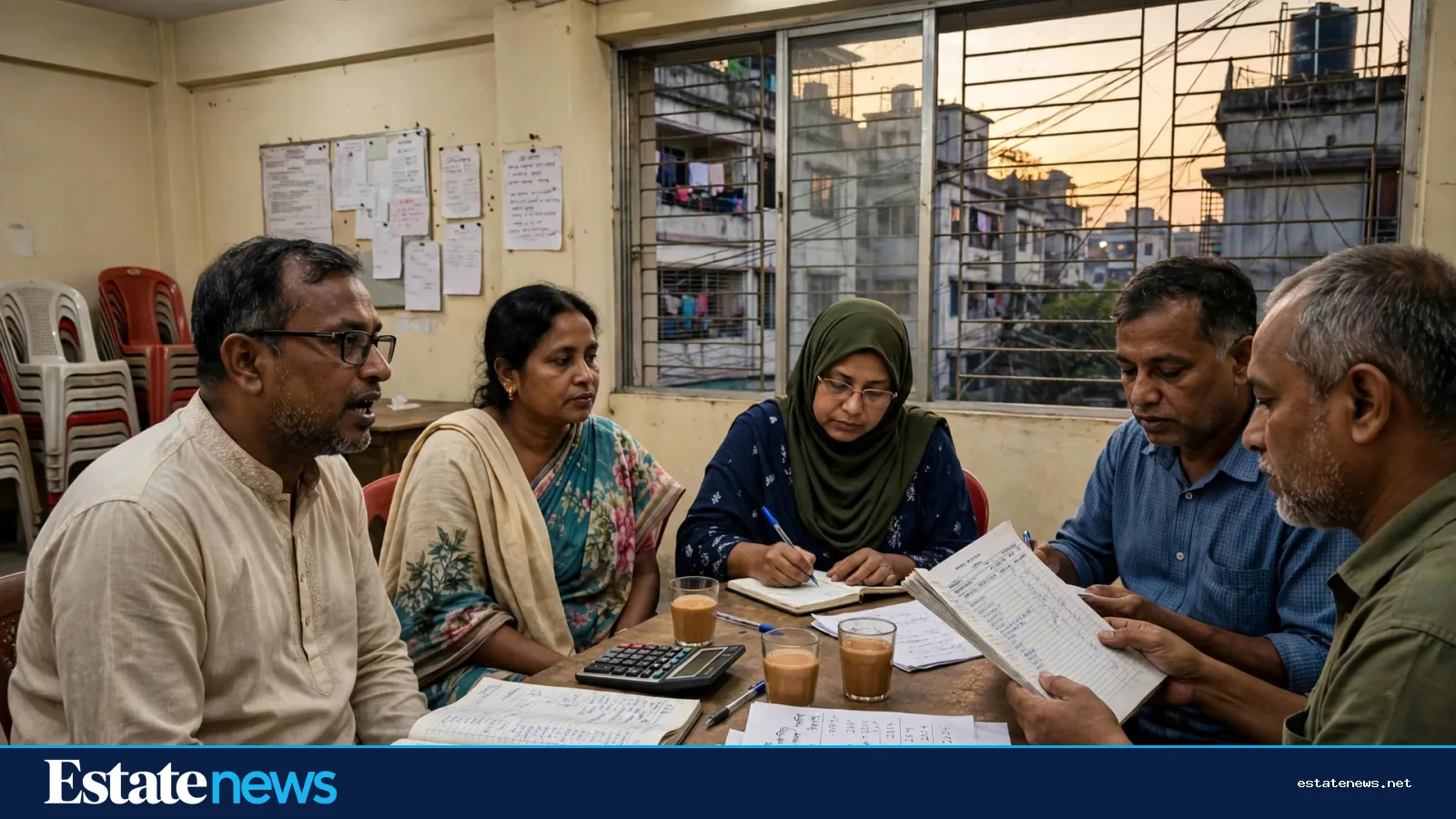
- Ask about basement pumps, their power backup, and who maintains the building's drains.
- Check the roof drainage on a top-floor flat, and the window seals on any flat facing driving rain.
- Read the agreement for what the developer promises about waterproofing and drainage, and get anything important in writing.
A final caution, stated plainly: no article can promise that a home will never flood, and no buyer should accept such a promise from a seller either. What a buyer can do is narrower and more useful. Check the ground, check the drains, check the materials at water level, and talk to the people who already live with the last monsoon. A home that copes with water is rarely the one with the grandest claim. It is the one whose street, plinth, drains and ground floor were thought about together, and then looked after.