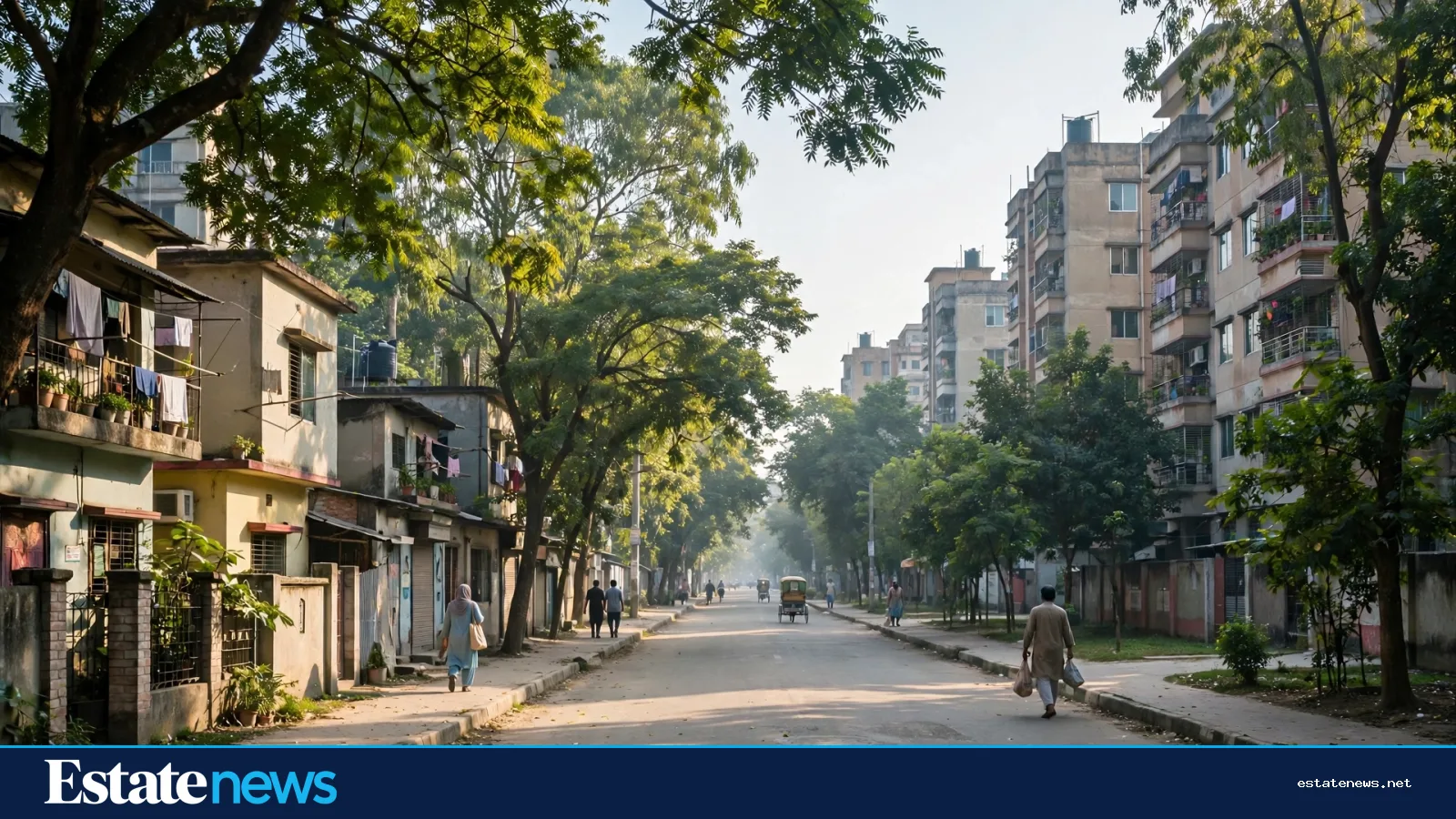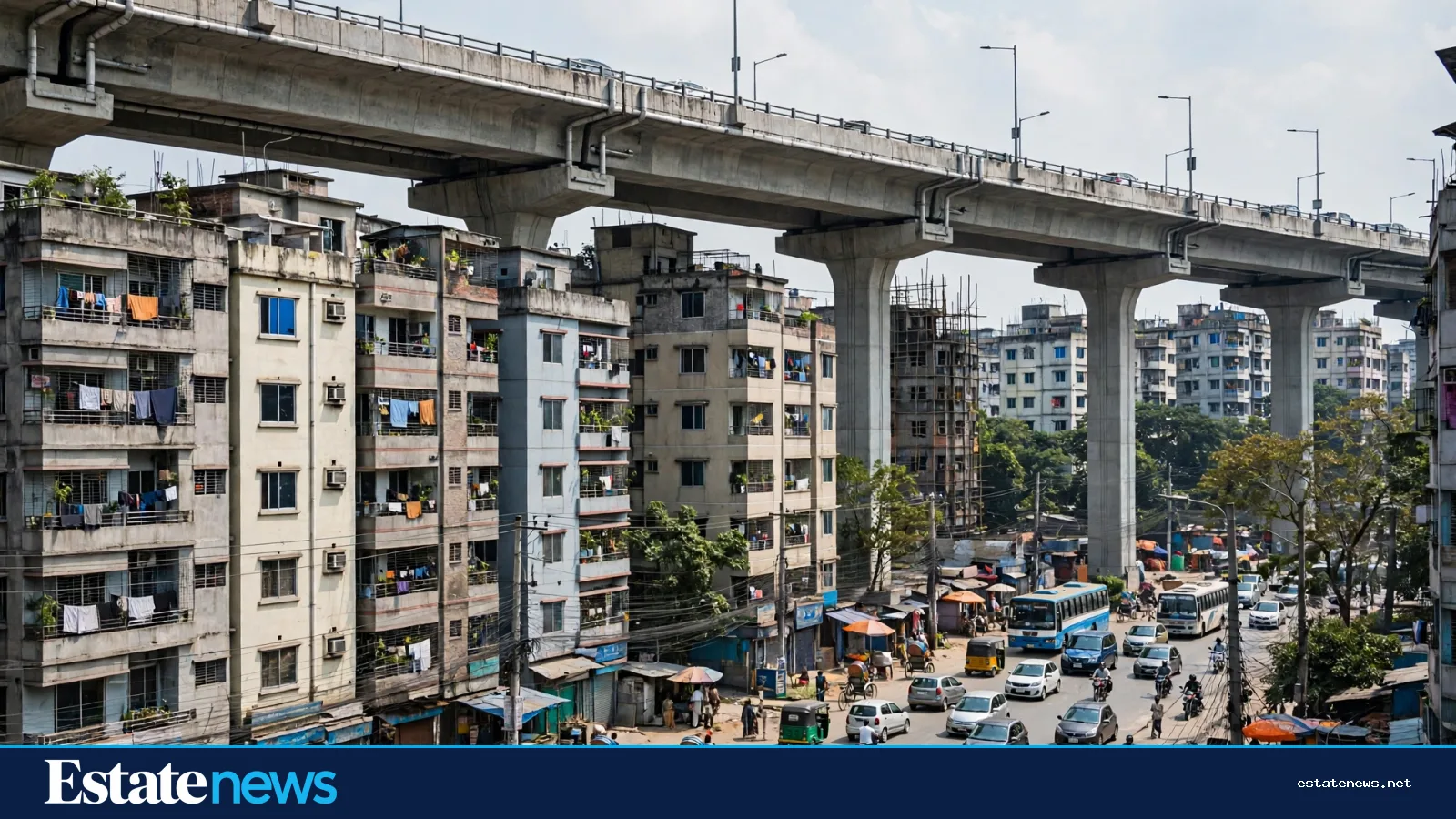
Drive north from Farmgate toward the airport on a weekday morning and the corridor tells its own story. The elevated expressway runs above the old airport road, carrying traffic that once crawled through Banani and Mohakhali at street level. Below it, the older road still does the daily work: buses stop, rickshaws turn, shoppers cross, school vans double-park. A flat's value as a home depends less on the expressway above than on the street below.
The Dhaka Elevated Expressway, the country's first elevated expressway, runs from the airport area at Kawla toward Farmgate in its opened section, with the full planned route extending much further south toward the Dhaka to Chattogram highway, according to project descriptions. It is a toll road, and two and three wheelers are not permitted on it. Those two facts already shape who benefits. A car owner commuting from Uttara to Tejgaon can use it. A family that travels by bus, rickshaw or motorcycle cannot, and their daily route is still the street below.
Where the new streets are forming

The corridor's housing growth is not one market. It is several, strung along the route. Uttara, at the northern end, is the most established: a planned residential area with sectors, schools and commercial streets, now joined by newer blocks toward the airport and by the rehabilitation flats built near Baunia for families affected by the expressway project, as reported by Bonik Barta. Banani and Mohakhali, further south, mix older houses with apartment towers, and their lanes carry a different kind of demand: professionals who want to be close to Gulshan, Banani's commercial strip and the offices of Mohakhali and Tejgaon.
Between these anchors, new residential streets have formed where access changed. A lane that once ended at a congested junction now sits minutes from an expressway ramp. A plot that was awkward to reach now has a straightforward route in one direction, even if the return journey is longer. Developers have noticed, and so have families looking for a flat within reach of the airport, the diplomatic zone or the offices along the corridor. But a ramp is not a neighbourhood. Some of these new streets have schools, markets and clinics within walking distance. Others have flats first and services promised later, and the gap between the two can last years. The question for a buyer is not whether the corridor is growing. It is whether the particular street has the daily services a household needs now.
Access is more than a ramp
This is where careful buyers separate the corridor's genuine advantages from its sales pitch. Access has several layers, and each one needs checking. How long does the journey to work actually take, door to door, at 8 in the morning, not at noon? Where is the nearest expressway entry, and does reaching it mean crossing a congested junction that eats the time saved? What happens on the return journey, when ramps and exits handle traffic differently? And for household members who do not drive, what does the corridor offer: bus routes, metro stations, safe footpaths, rickshaw access to the flat's own street?


The interaction with other transport matters here. The metro rail's northern stations serve Uttara and the airport area, and its lines cross the corridor at points that change how residents travel. A flat near both an expressway ramp and a metro station has options. A flat near only one has a single point of failure when that route is blocked. Congestion where elevated traffic meets street traffic is worst at rush hour, so visit then and watch the junction nearest the flat.
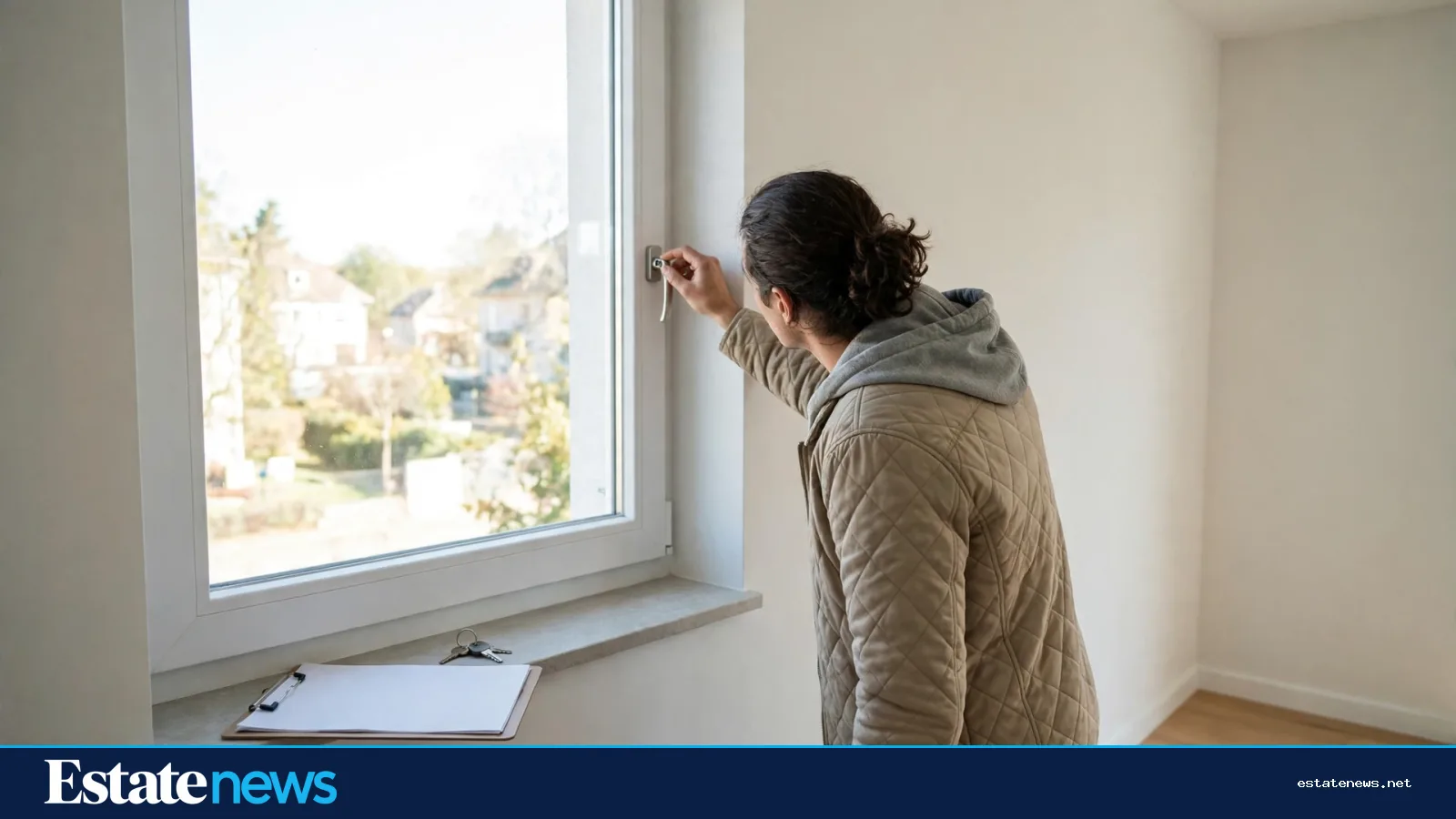
Noise and air quality belong in the same check. Flats facing the corridor's main road carry traffic sound through the day and into the night, and the elevated structure changes how sound travels. A flat set back one lane from the main road can be markedly quieter than one facing it directly. Visit in the evening, stand on the balcony, and listen. Check whether windows seal properly and whether bedrooms face away from the road.
What to verify before buying on the corridor
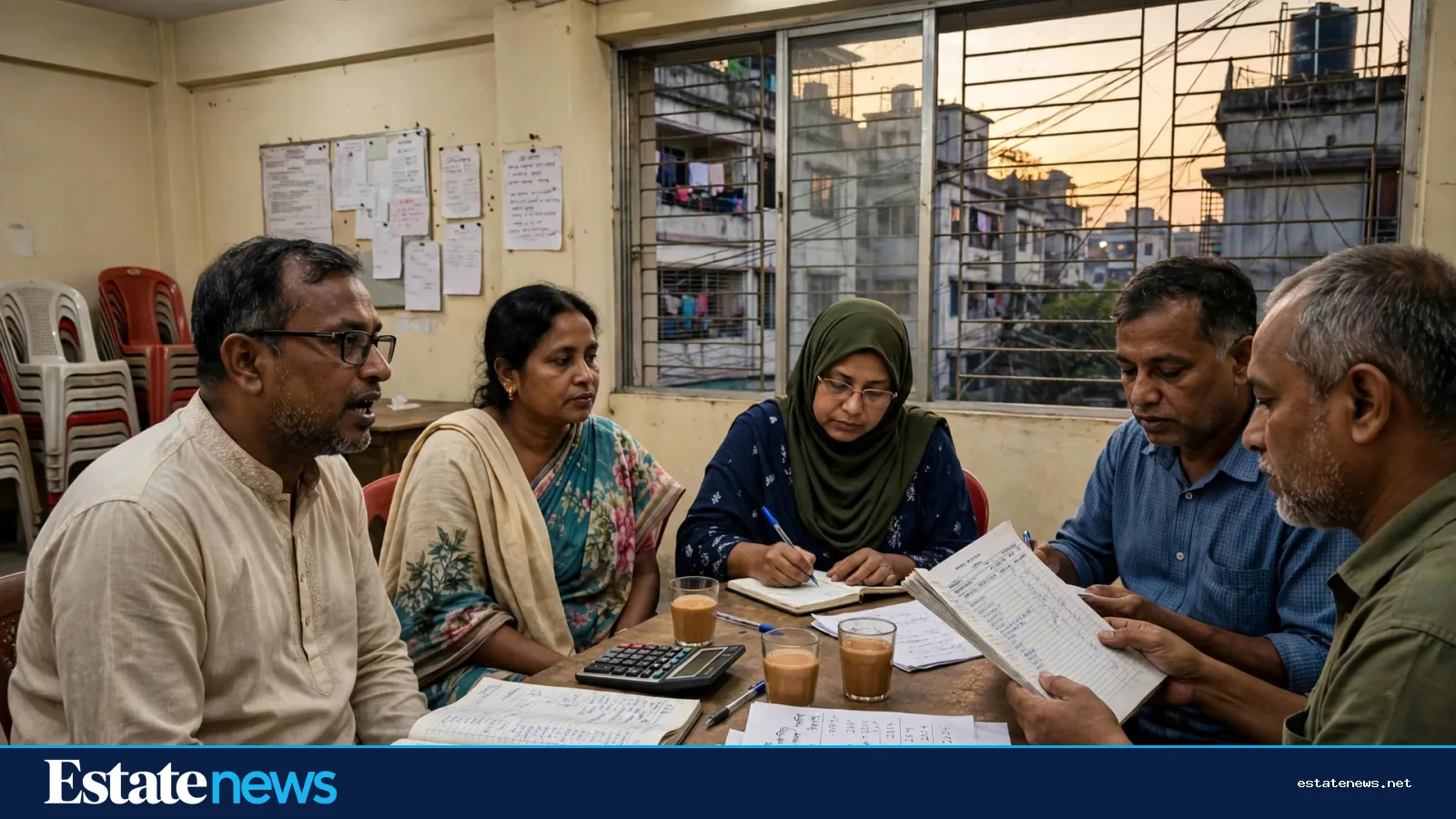
A corridor purchase needs the same paper checks as any Dhaka purchase, plus a few of its own. Confirm the flat's approved plan and whether the building matches it, the deed chain, mutation and tax receipts, and the developer's approvals where applicable. Then add corridor-specific checks. Is the access road to the building a public road or a private lane, and who maintains it? Does the building's drainage connect to a working system, or does the lane flood during heavy rain? Is the water supply reliable on the upper floors? Are there schools, clinics and markets within a practical distance, or does every errand require a car journey?
One caution runs through all of this, and it is worth stating plainly. A road can improve access. It cannot, by itself, promise a price rise, a rental return or a better quality of life. Prices move for many reasons: interest rates, supply, building quality, services, and the wider economy. A corridor flat may gain from better access, and it may not, and no honest article can say which it will be. What a buyer can do is buy the flat that works as a home today: reachable, serviced, quiet enough to sleep in, with papers in order. If the corridor improves further, that is a bonus. If it does not, the household still has a home that works.
The airport road corridor will keep changing. The expressway's remaining sections, the metro's growth and the Dhaka to Ashulia elevated expressway under construction to the north-west will all reshape how the city moves. Housing will follow, street by street. Judge the street, not the slogan.