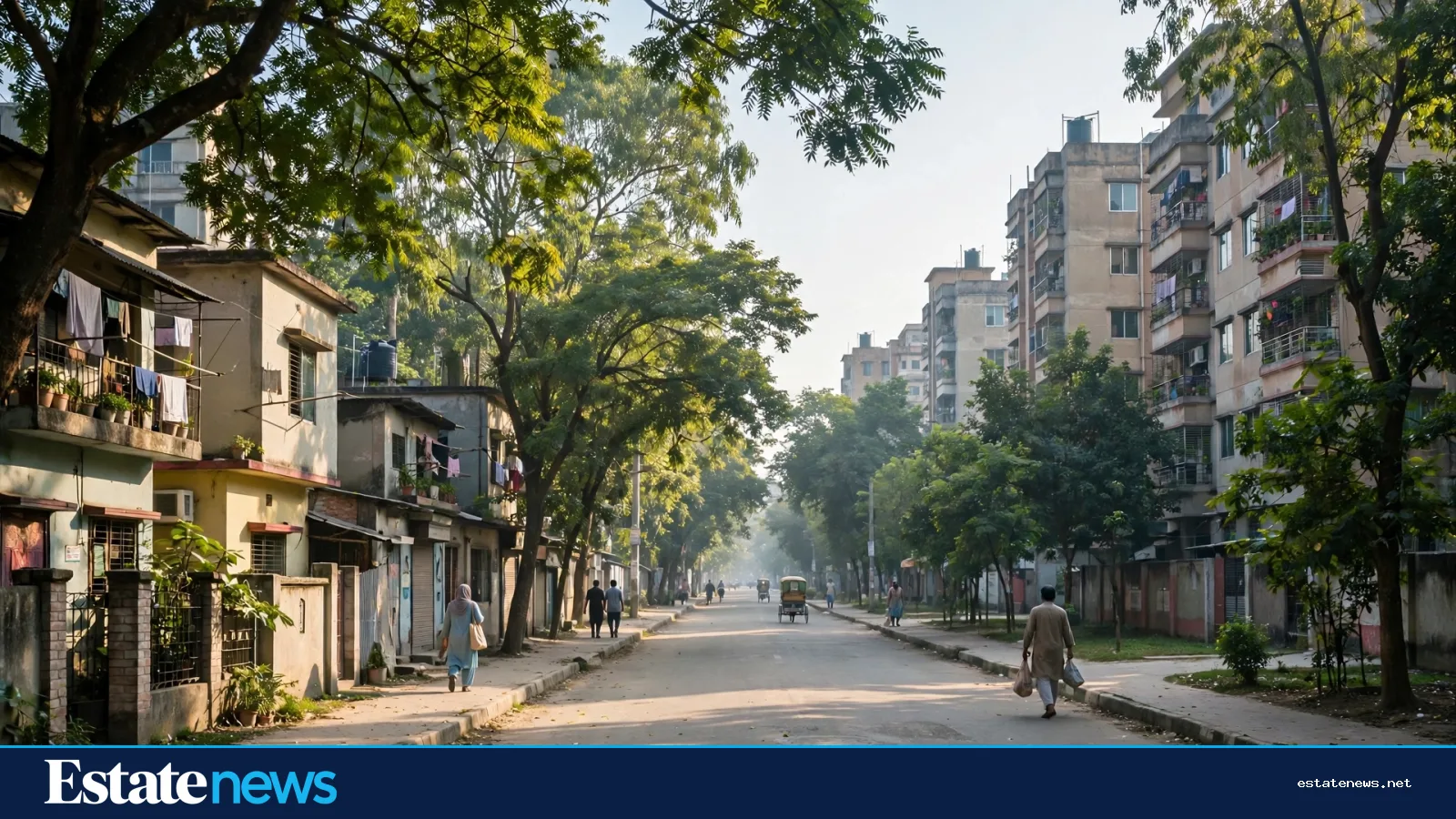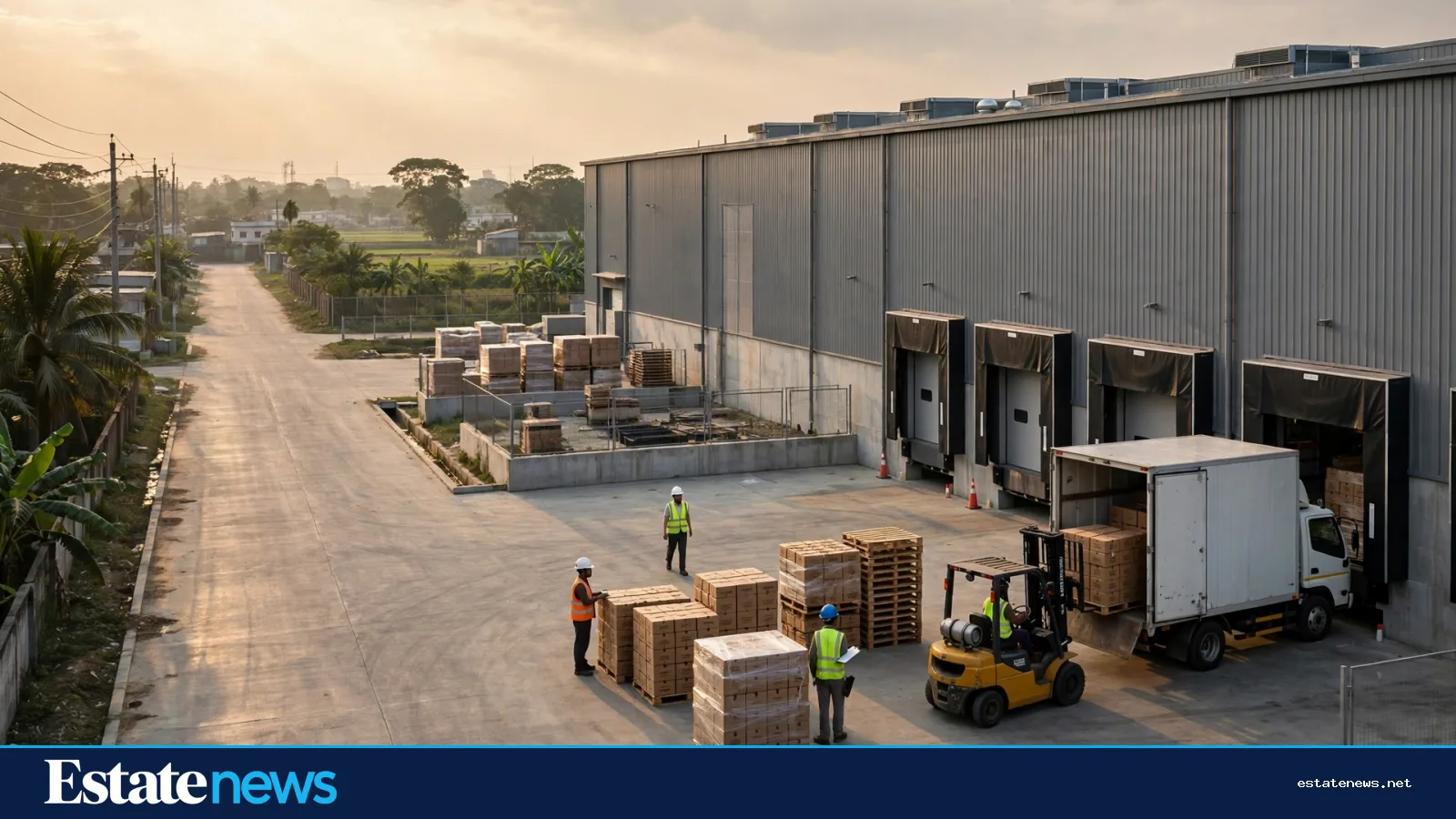
Drive out of Dhaka on the road to Gazipur at dawn and the change is easy to see. Apartment blocks give way to factory sheds, then to long, low buildings with shuttered loading bays and trucks lined up at the gate. Some are old godowns with corrugated roofs. Some are new, tall warehouses with racking inside and a yard big enough for a container truck to turn. Together, they form a part of the property market that rarely makes headlines, yet almost everything a Dhaka household buys passes through one of them.
A warehouse is not a flat with bigger doors. It is a working building, and its value depends on things a homebuyer would never think to ask about: how wide the approach road is, whether a truck can reverse into the bay without blocking traffic, how much weight the floor can carry, and how high the roof allows goods to be stacked. Get one of those wrong and the building struggles, however new it looks.
Where the sheds are going up

The map of logistics property around Dhaka follows the map of movement. Gazipur and Tongi sit close to garment factories and the road north. Savar and Ashulia serve factories along the western corridor. Keraniganj and the southern bank face the river routes and the road south. Narayanganj, with its river port history and its position on the Dhaka to Chattogram highway, serves goods moving to and from the port city. None of this is new. What has changed is the type of building tenants now ask for.
Older godowns were often converted sheds: low ceilings, poor ventilation, one narrow entrance, goods stacked on the floor. Newer demand, from e-commerce operators, distributors, food companies and export-linked firms, leans toward clear-height space, proper racking, loading docks, fire safety systems and room for trucks to move. Cold storage adds another layer entirely, with insulation, backup power and temperature control that a general warehouse does not need.
That shift matters for owners of older stock. A shed in a good location still has uses, for local distribution or raw material storage. But a tenant who needs fast dispatch and safe storage for higher-value goods will judge the building's specification, not just its address.
What actually drives demand
Three forces keep pushing goods through the Dhaka region. Manufacturing, led by garments and related industries, needs raw materials in and finished goods out. E-commerce and organised retail need sorting hubs and fulfilment space close to the city's customers, because delivery speed now shapes who wins an order. And everyday distribution, from fast-moving consumer goods to building materials, needs staging points between factory, wholesaler and shop.
Bonik Barta reporting on industrial plots offers a useful counterweight to any simple growth story. The Bangladesh Small and Cottage Industries Corporation put 1,665 plots across 18 industrial estates and parks up for allocation in 2026, up from 975 plots in 19 locations a year earlier, according to the corporation's data, yet hundreds of plots advertised in 2025 remained without takers. High land prices, weak connectivity at some sites and soft investment demand were among the reasons officials cited. The lesson for property buyers is plain: location and infrastructure decide whether industrial land finds a user. A plot on a list is not the same as a plot with a road, power and a tenant.


Rent, tenure and the questions that matter
This article gives no rent figures, because warehouse rents around Dhaka vary so sharply by corridor, building quality, plot size and lease length that a single number would mislead more than it informs. A modern facility on a wide highway frontage and an old godown down a narrow lane are barely the same asset class, even if both sit in the same district.
Tenants and buyers should instead work through a checklist before signing anything. How is title held, and is the plot's industrial use properly recorded? Is the approach road wide enough for the trucks the tenant will actually use? What is the floor loading capacity, the clear height under the roof, and the condition of the roof and drainage? Is there three-phase power, water for fire safety, and a documented arrangement for security and upkeep?
Fire safety deserves its own line. Warehouses hold large quantities of goods in one place, and a fire in a poorly planned shed can destroy stock, shut a business and endanger workers. Sprinklers or hydrants, clear exits, separation of hazardous goods and a working approval record are not extras. They are part of what makes a building lettable to a serious tenant.
Shops, offices and the edge of the shed
Logistics property rarely stands alone. A distribution hub needs a small office for its managers, a gatehouse, driver facilities and parking. A wholesale market needs shops at its edge. An industrial estate that grows will, over time, pull in housing for workers, hostels, eateries and transport services nearby. That is why warehouse growth and housing growth around Gazipur, Savar and Narayanganj often move together, even though the buildings themselves serve different purposes.
A market worth watching, without the hype
Warehouses will not replace flats at the centre of Dhaka's property conversation. They do not need to. Their importance is quieter and more practical: they decide how quickly goods reach shops, how reliably exporters can meet a shipment date, and how much it costs to move things across a crowded region.
For owners, developers and tenants, the opportunity is real, but it rewards homework over enthusiasm. Visit at the busiest hour, not just on a quiet morning. Talk to the truck drivers about access. Read the lease the way a lawyer would, not the way a brochure invites you to. The buildings that last in this market are rarely the flashiest. They are the ones where a truck can get in, goods can be stored safely, and a business can keep working when the rain comes down and the road fills up.