A decade ago, flat hunting in Dhaka meant a week of site visits, each one arranged by phone, each one ending with a walk through rooms that looked nothing like the advertisement. Today the first stage often happens on a phone screen. A buyer in Chattogram, Sylhet or abroad can scroll through photos, watch a video walkthrough, join a live video call from inside a flat, and shortlist three projects before ever leaving home.
That is a genuine improvement. It is also a partial picture, and the difference between the two decides whether a buyer saves time or walks into a costly mistake.
What platforms actually offer

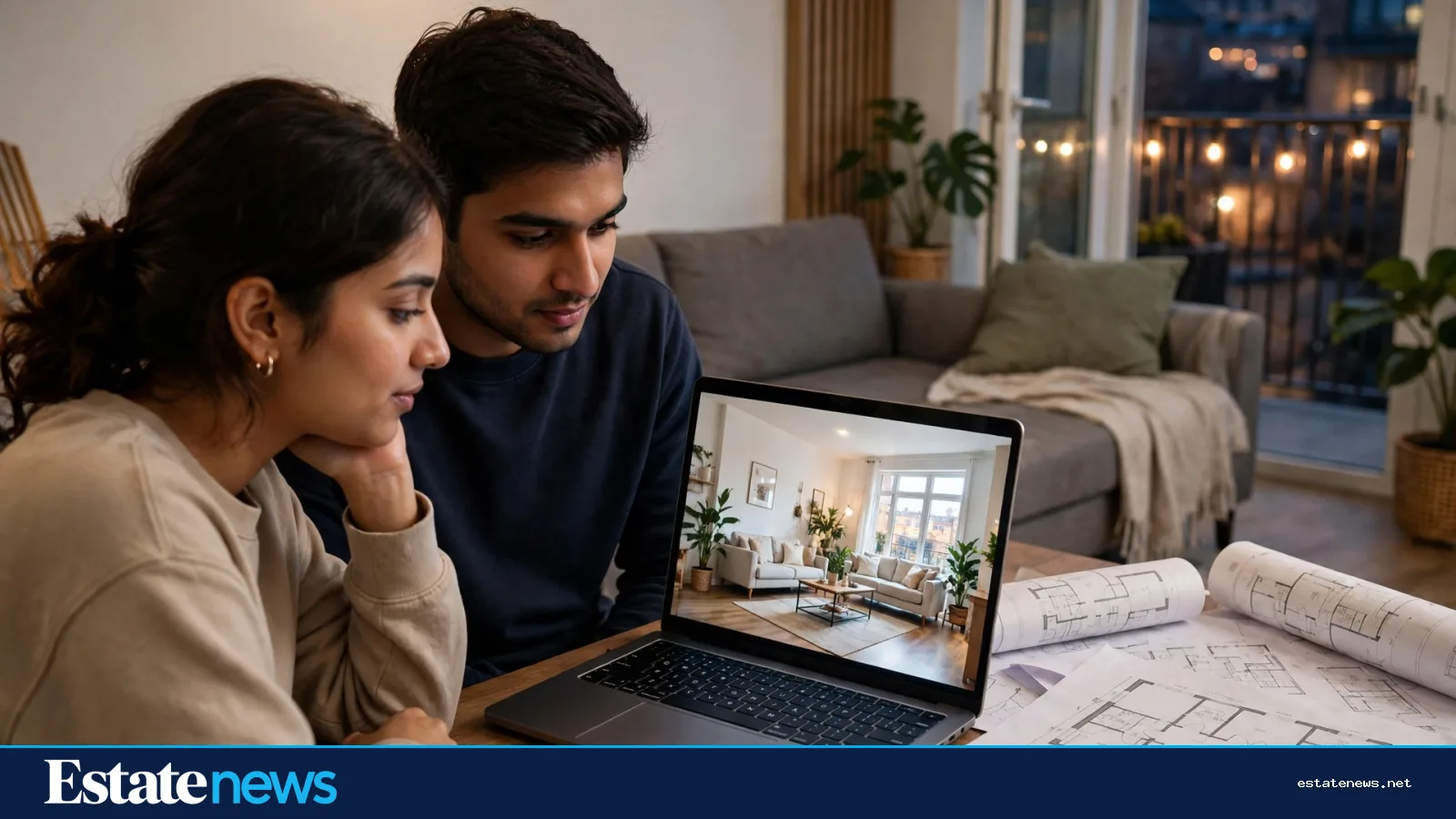
Most large property platforms in Bangladesh now offer a familiar set of tools. Listings carry photos, a floor plan, the flat's size, the floor, the facing and the project's location. Some add a video walkthrough, filmed by walking through the flat with a phone. A smaller number offer a 3D tour, where the viewer can move from room to room and look around, or a live video call with an agent or sales officer who walks the flat while answering questions.
Online booking usually means something narrower than it sounds. In practice, it often means reserving a unit online, paying a booking amount through a bank channel, or registering interest so the sales team holds the flat for a short period. The full purchase, with its agreement, deed checks and registration, still happens through the established legal process, in person and with documents. Any platform that suggests a flat can be fully bought with a few taps, without paperwork, should be treated with caution.
For buyers abroad, these tools matter most. A non-resident buyer can narrow a long list to a short one, check the building's surroundings on a map, and ask for a live call at a time that suits them. Developers with ready flats and completed projects tend to benefit most, because what the camera shows is what actually exists.
What the camera hides
A camera is kind to a flat. It crops out the damp patch behind the door. It films in the morning, when light is generous, and skips the afternoon glare or the evening gloom. Wide-angle lenses make small rooms look generous. A quiet room filmed at midday says nothing about traffic noise at night, the neighbour's generator, or the water pressure on the top floor at 7 in the morning.
Furnished show flats add another layer of flattery. The furniture is sized to fit, the curtains are chosen to soften the light, and the kitchen carries items the buyer will never own. A tour of a show flat is a tour of an idea, not of the unit on offer. Buyers should always ask whether the video shows the actual flat, the same layout on another floor, or a decorated model, and they should ask for that answer in writing.
Size is the other quiet trap. A listing may state a gross area that includes common spaces, while the carpet area inside the flat is smaller. A video cannot settle that question. The floor plan, the deed and a physical measurement can.


The visit that still matters
Shortlist online, then visit in person, and visit with a purpose. Go once in daylight and, where possible, once in the evening. Run the taps. Flush. Switch on the lights in every room. Stand on the balcony and listen. Walk the staircase and check the lift. Look at the corridor, the parking area and the roof. Ask the caretaker, not just the sales officer, about water supply, generator backup and drainage during heavy rain.
For under-construction projects, the visit changes shape. There is no flat to tour, only a site, a sample of materials and a sales office. Here the online tools are weakest, because a computer-generated image of a finished tower is a promise, not a place. The checks that matter shift to the developer's completed projects, the approvals in place, the payment schedule and the agreement's clauses on delay.
Spotting a misleading listing
Some warning signs repeat across platforms. Photos that show only one angle of each room, or that reuse the same bright images across different listings, deserve a second look. A price far below similar flats in the same area often signals a different floor, a different block, or a unit that is not actually available. Vague location descriptions, such as naming a well-known area while the project sits far from it, are another familiar trick. And any request for a large advance payment before documents have been shown, or before the buyer has visited, should stop the deal until a lawyer has reviewed it.
A useful habit is to save the listing. Screenshot the photos, the price, the size and the description on the day you first see it. If the details change later, you have a record of what was promised at the start.
Using the tools well
Virtual tours work best as a filter, not a verdict. Use them to rule out flats that fail on layout, light or location, and to build a shortlist worth visiting. Use live video calls to ask specific questions: show me the view from the balcony, open the kitchen window, walk to the lift, show me the parking space. A seller who answers those requests openly is giving a buyer real information. A seller who dodges them is giving information of another kind.
Bangladesh's property market is moving online in stages, and the direction is clear. More of the search will happen on screens, and that will help buyers who live far from the project or who have little time to waste. The visit, though, is not going away. A flat is where a family will sleep, cook and raise children for years. No screen, however sharp, can tell you how it feels to stand in it at the end of a long day.