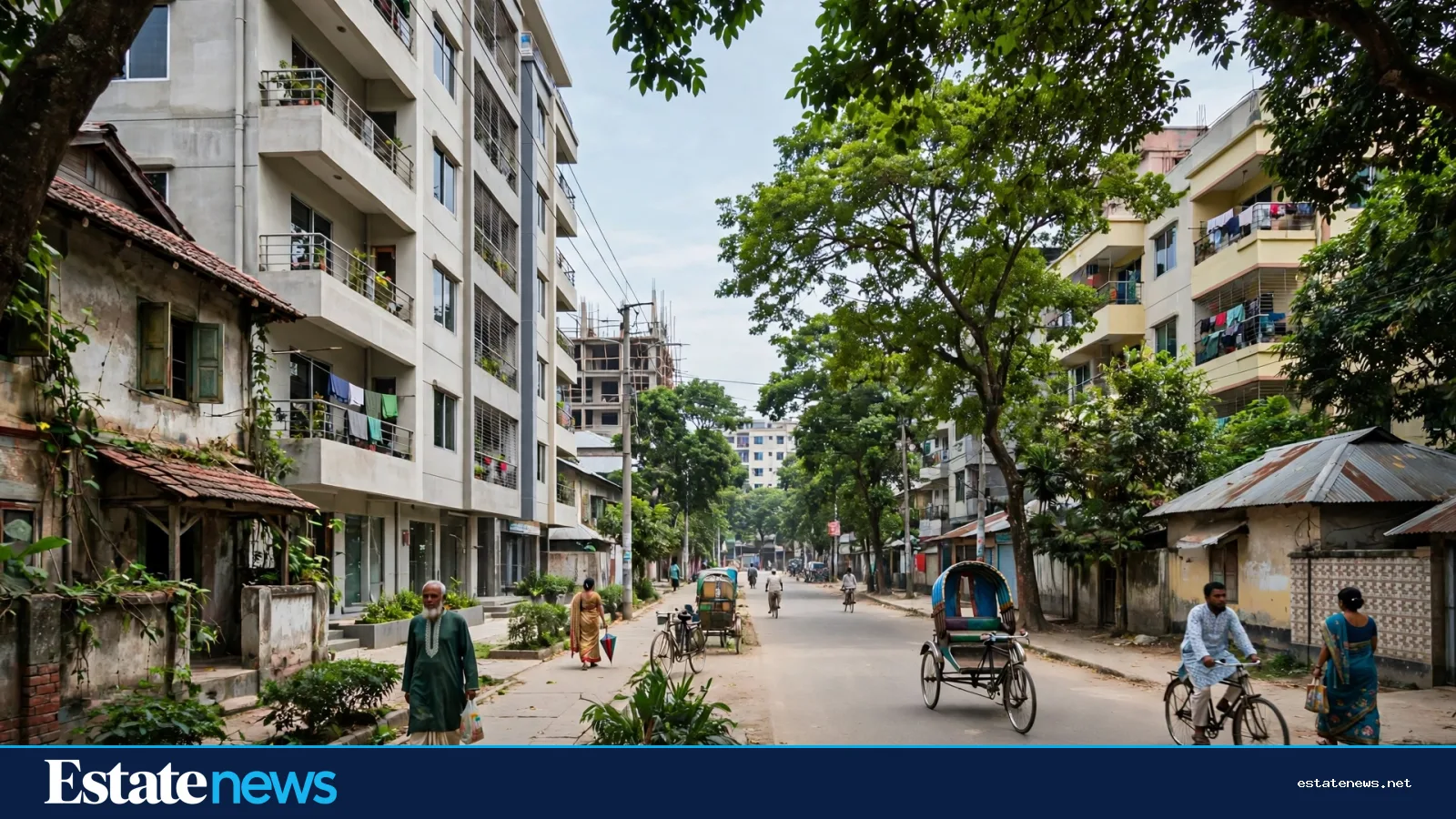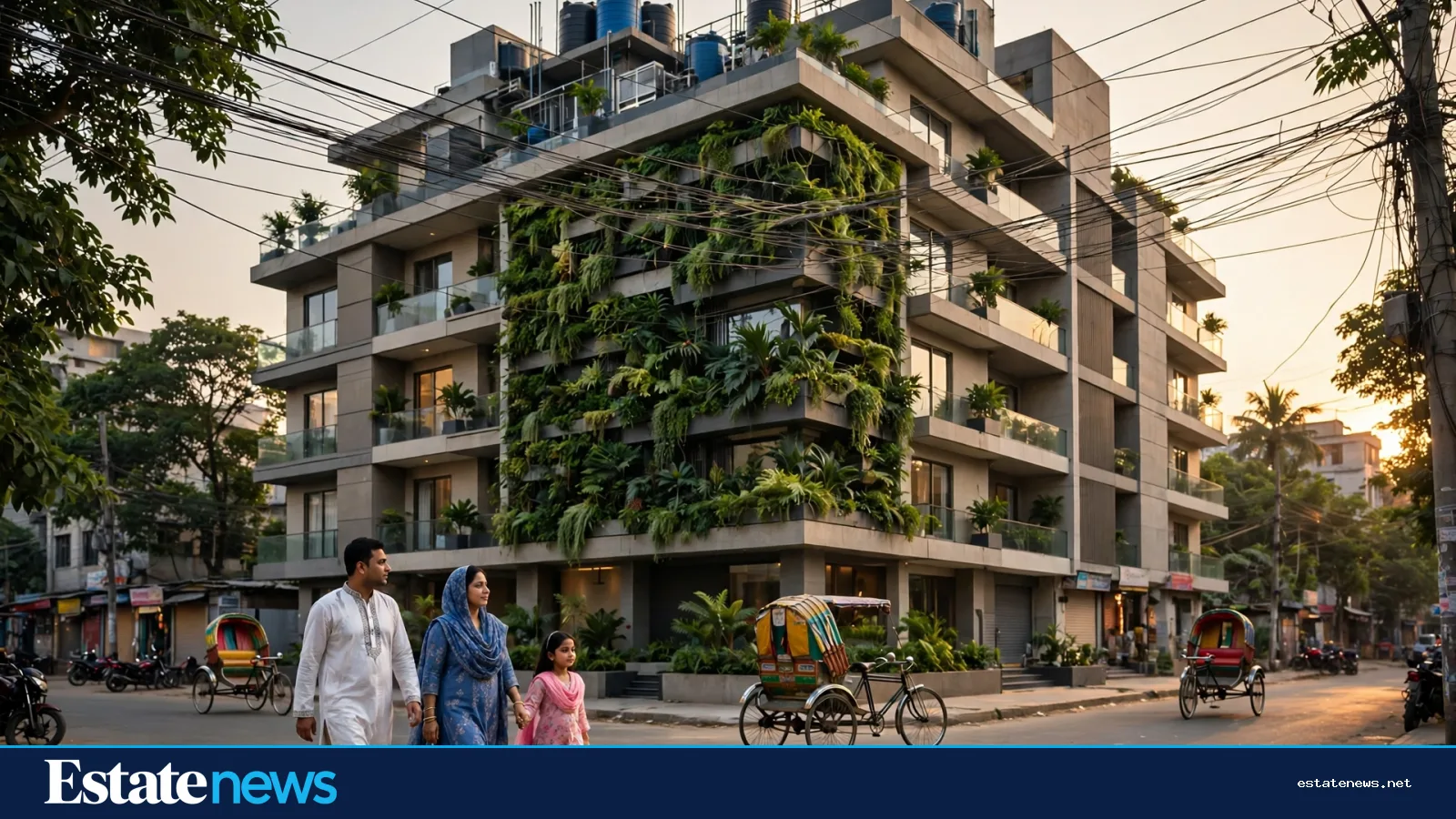
Morning on a Gulshan lane smells of wet leaves and exhaust in equal measure. A rickshaw bell rings behind a family walking to school. Above them, a building wears its garden on the outside: plants running down the facade in thick green bands, softening concrete that would otherwise stare back at the street. Nobody stops to read a brochure. The building has already made its argument, in the only language that matters on a Dhaka morning: shade, quiet, and a street that feels looked after.
That argument is the thread running through the work of Rangs Properties Ltd, known as Rangs, a developer in the RANCON group that has built across Dhaka's premium core for more than 25 years, according to the company. Its projects sit in Gulshan, Banani, Baridhara, Dhanmondi, Bashundhara Residential Area and Uttara, with commercial work in Mohakhali and Tejgaon as well. The question this feature asks is not whether Rangs builds expensive homes. It plainly does. The question is what, beyond size and address, its buyers have actually been paying for, and what that tells the rest of Dhaka about how premium housing is judged now.
A developer shaped by the premium streets, not by the fringe

Most Dhaka developers grow by moving outward, chasing cheaper land on the edge of the city and selling volume. Rangs grew in the opposite direction, inward, into streets where land was already dear and buyers already knew what they wanted. That choice shaped everything about the company. When a plot in Gulshan or Banani costs what it costs, a developer cannot sell on promise alone. The buyer will visit, will know the lane, will ask who else lives in the building, and will compare the flat with three others on the same road before deciding.
Company material describes the business as one of the Rangs Group's strategic units, set up in the late 1990s with the stated aim of building modern homes that look and work well. The company's own site now lists more than 25 years in the business and a portfolio spread across the city's prime areas, and it notes a distinction the company itself repeats: Rangs Properties became the first real estate company in Bangladesh to join the UN Global Compact, according to the company. Such claims are company claims, and a careful reader treats them that way. What can be checked on the ground is the footprint: building after building in the same handful of premium neighbourhoods, over decades, rather than a scatter of projects across the whole map.
The lakeside building that fixed the firm's image
Every established developer has one project that strangers name first. For Rangs, that project is Rangs Waterfront in Gulshan. A project study of the complex describes three buildings on the bank of Gulshan Lake, on Road 15, with two units per building and duplex penthouses at the top, ground-floor planting, a playground, a swimming pool and walkways. The lake is the point. In a part of Dhaka where water frontage is scarce and fiercely valued, a building that opens to the lake sells a daily view, a breeze, and a sense of distance from traffic that no interior finish can copy.
Waterfront matters for a second reason. It showed, early, that Rangs was willing to build small numbers of large flats rather than pack a plot with as many units as the rules allowed. Two units per building is a deliberate trade: fewer neighbours, larger rooms, more quiet.
Green as a building habit, not a slogan
Walk past Rangs Babylonia on the Gulshan-Tejgaon link road and the green is impossible to miss. The Daily Star, writing in June 2021, described the building as covered in green in a city of grey, and reported the company's account of its green work: a fence of plants put up even before construction begins, then vertical greenery running along completed buildings. The same report named Lake Placid in Gulshan as another project carrying that vertical green, and noted the company's claim that planted buildings run cooler in Dhaka's heat.


Big flats, and the smaller experiment on the Bashundhara edge
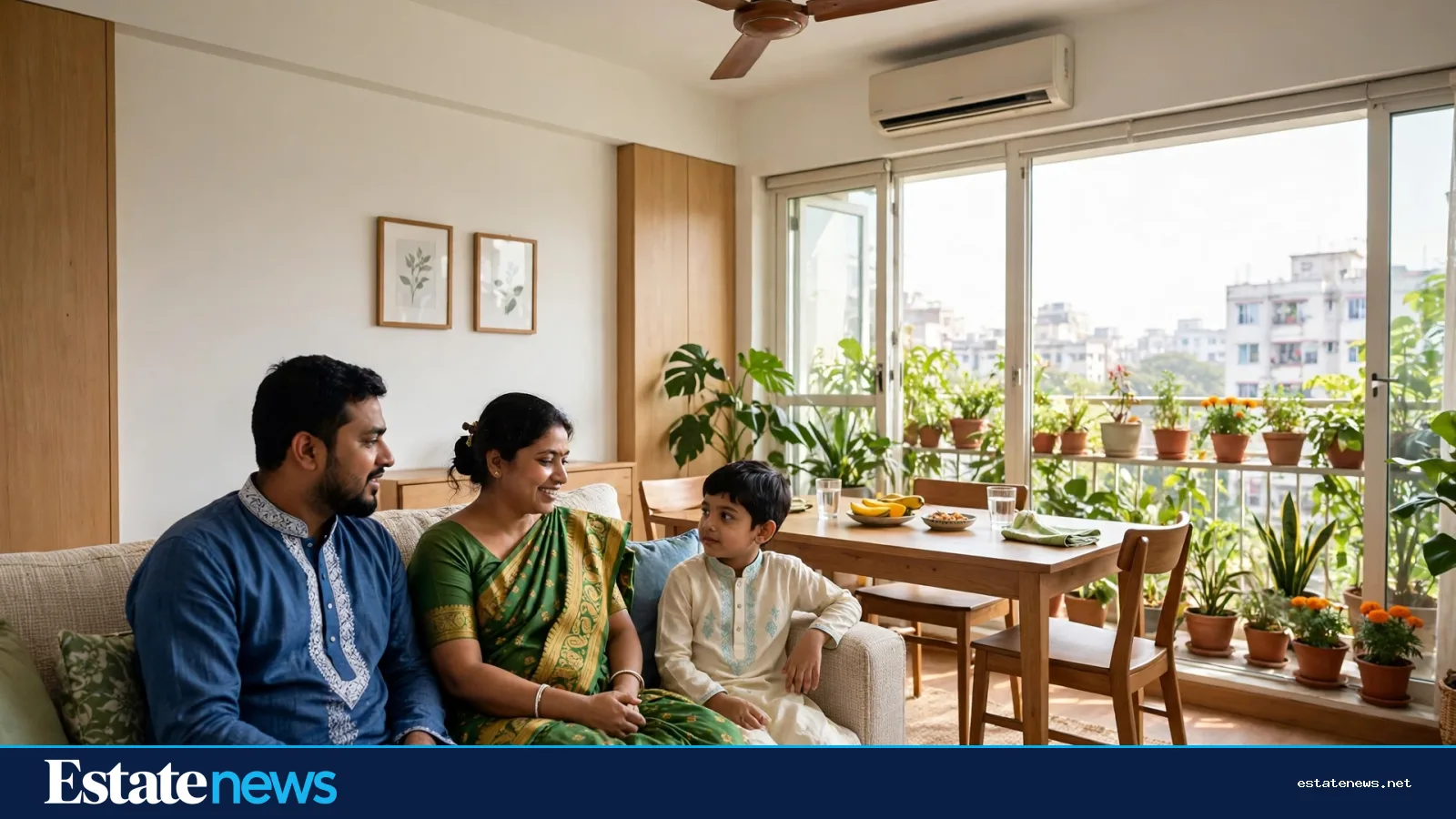
Rangs has not only built large. On the Bashundhara link road, near Evercare Hospital, Rangs Courtyard tried something different, and The Daily Star's 2020 coverage of studio apartments gives the shape of it: a pointing brick exterior, a rooftop sky garden, a gymnasium, an open-air swimming pool, planted areas and a children's play zone, with the first fully furnished studio apartments in the company's portfolio. The location did much of the work: close to a major hospital, a school, a university and the shopping and medical life of the Pragati Sarani corridor.
Courtyard is worth pausing on because it breaks the easy story that a premium developer only serves one kind of household. Studio flats serve single professionals, young couples, patients' families needing a base near a hospital, and parents buying a first foothold for a child studying nearby. The shared services described in that coverage, a resident doctor, grocery delivery, housekeeping and laundry help, point to a different buyer need: not more floor area, but fewer daily chores. Whether that model holds up over years depends on management, as every serviced building does. But as a sign of range, it matters. A developer that can build both a lakeside duplex and a furnished studio is reading the city in more than one register.
Commercial streets carry the same signature
Rangs' commercial work follows the same geography. Rangs Anam Plaza in Dhanmondi and Rangs Arcade in Gulshan are named in company histories as early commercial successes, and the firm's newer commercial project Terminal D in Uttara is described on the company site as a contemporary commercial destination built around connectivity and visibility. Babylonia itself sits on a commercial artery, its green facade facing a road that carries some of the heaviest traffic in the city.
What to check before paying the premium
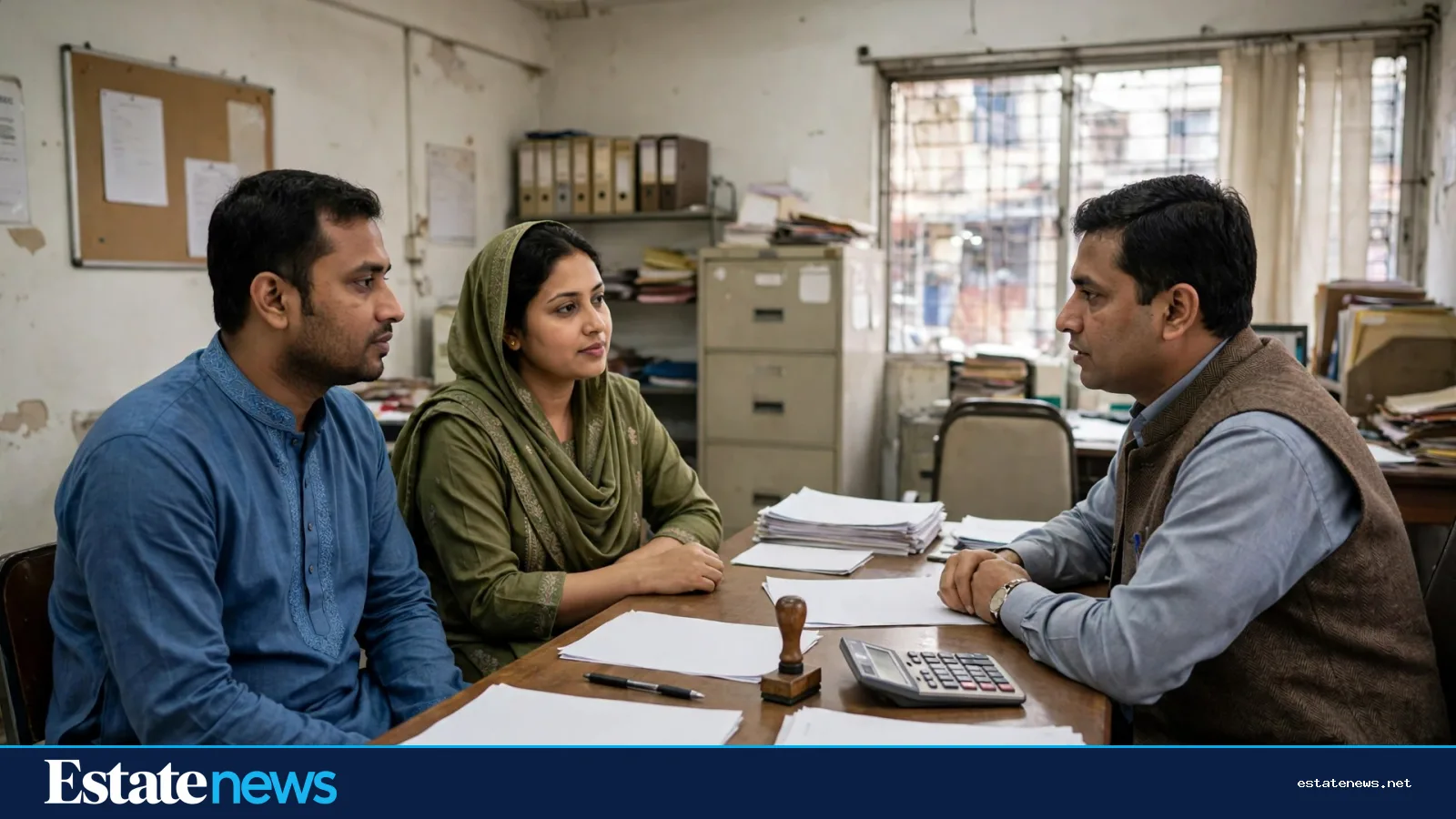
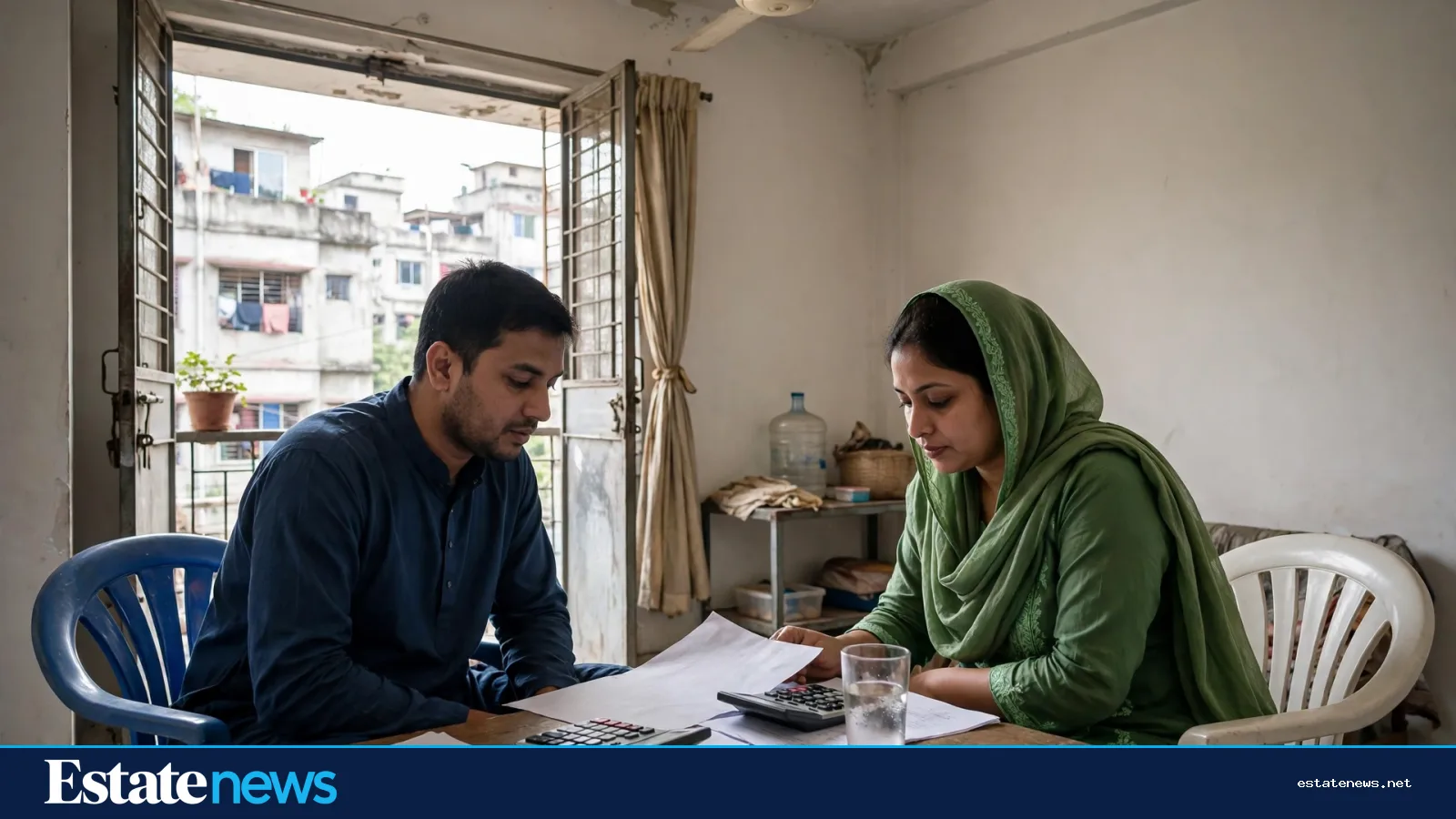
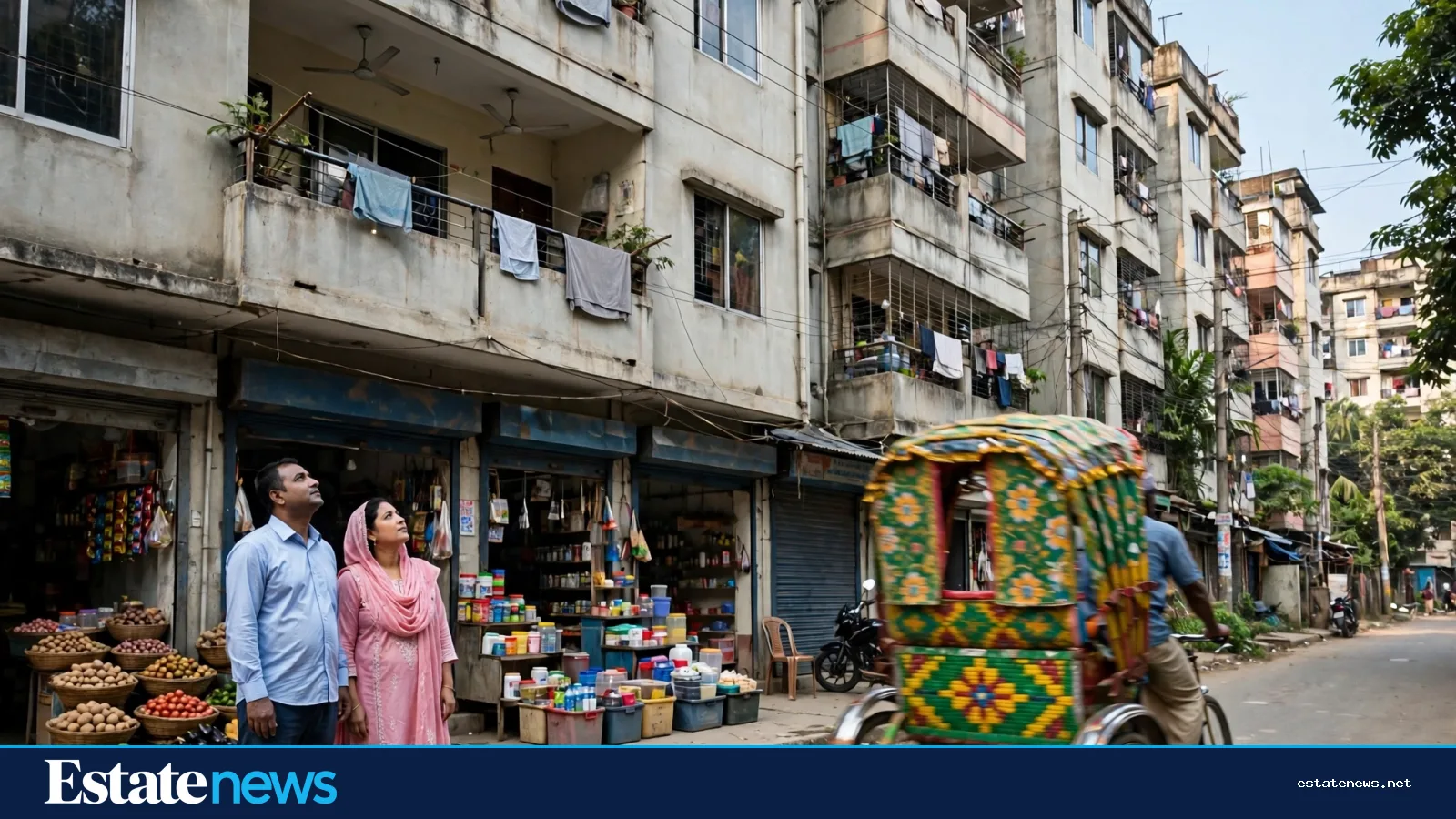
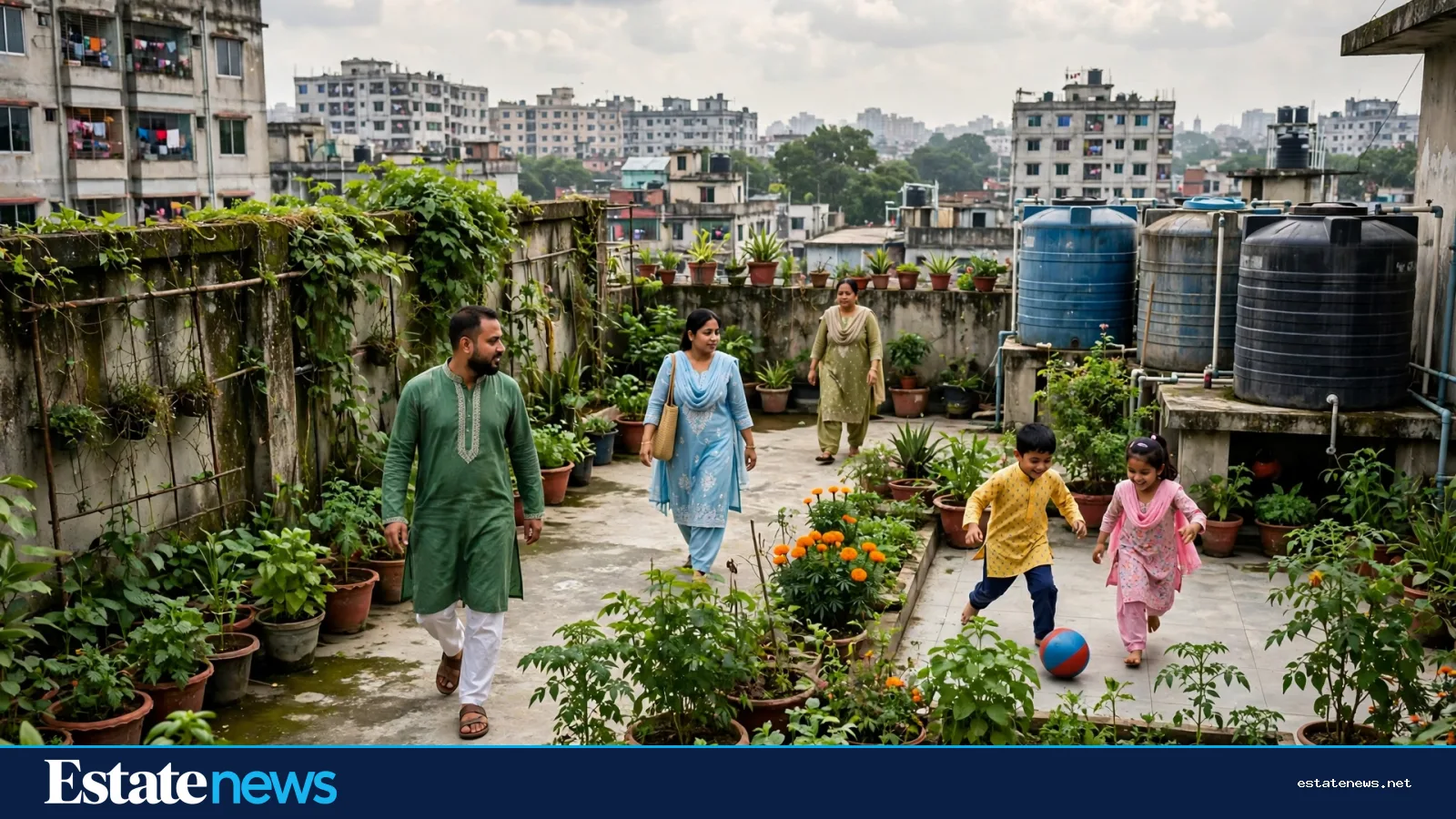
A feature about a premium developer should end with the buyer's questions, not with praise. The premium in Gulshan, Banani or Baridhara buys location first, and location cannot be renovated. Check the exact lane, not only the area name: a flat two lanes from a main road and a flat on the main road are different homes at different noise levels. Check the building's age and its maintenance record, including lifts, generators, water supply and the planted facade itself. Check the papers with a lawyer, as with any purchase: deed chain, mutation, and the approvals for the building as built, not as drawn.
The verdict a street can give
Back on the Gulshan lane, the family has reached the school gate, and the rickshaw has turned toward the main road. The green building stands behind them, plants catching the morning light. It will be judged, over the next twenty years, the way all Dhaka buildings are judged: not by launch brochures, but by whether the lifts still run, the water still flows, the plants still live, and the families who bought there still want to stay.
Rangs Properties earned its place in Dhaka's premium core by building, repeatedly, in the streets where buyers are hardest to impress, and by tying its name to two ideas that buyers in those streets care about: room to live quietly, and green that is part of the building rather than decoration pasted on at the end. If those two ideas survive the test of maintenance, the firm's next twenty years will look much like its last twenty five: fewer projects than its rivals, in dearer streets, for buyers who measure a home by the mornings it gives them. That is a narrow kind of success. In Dhaka's premium market, it may also be the only kind that lasts.