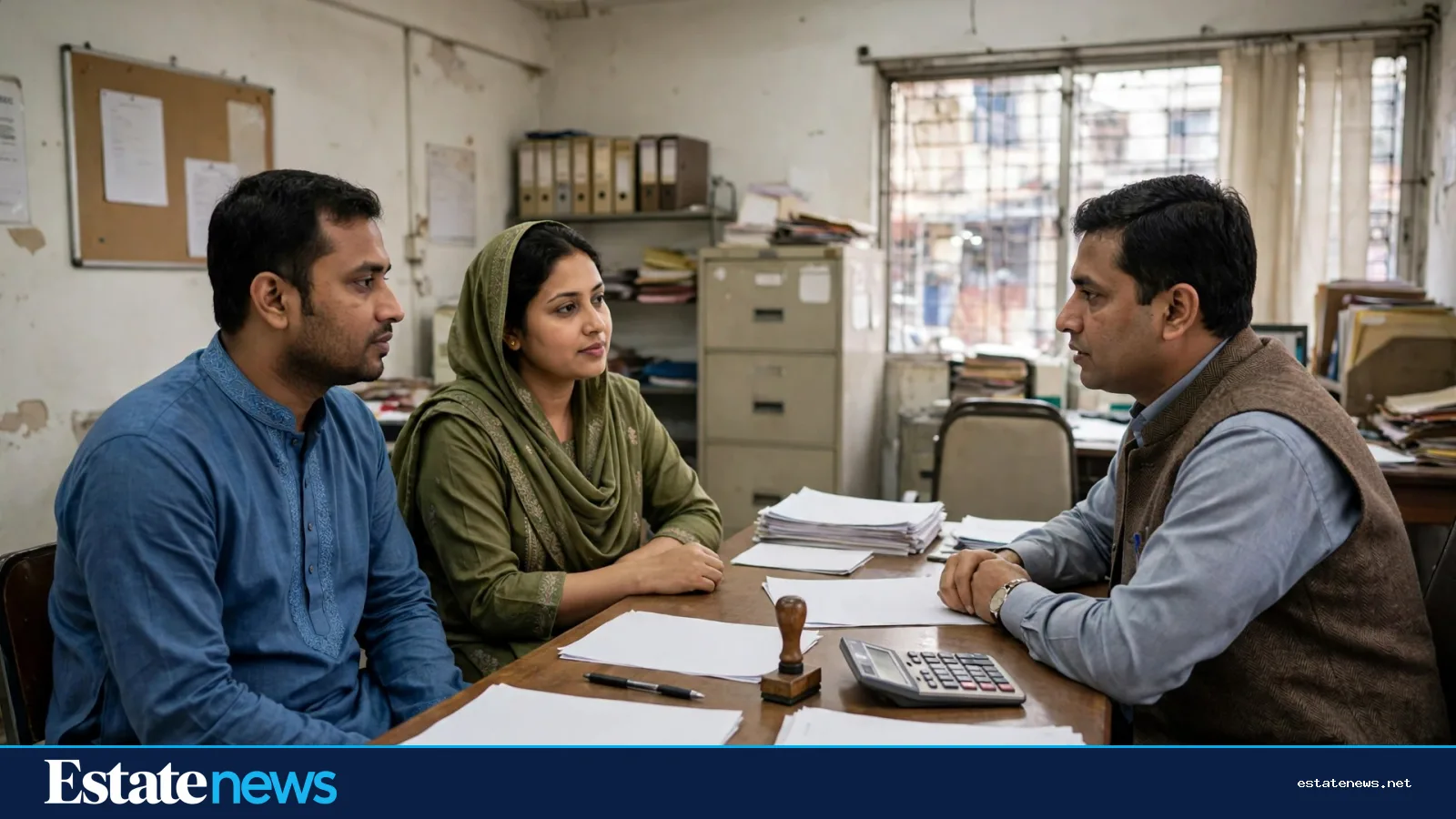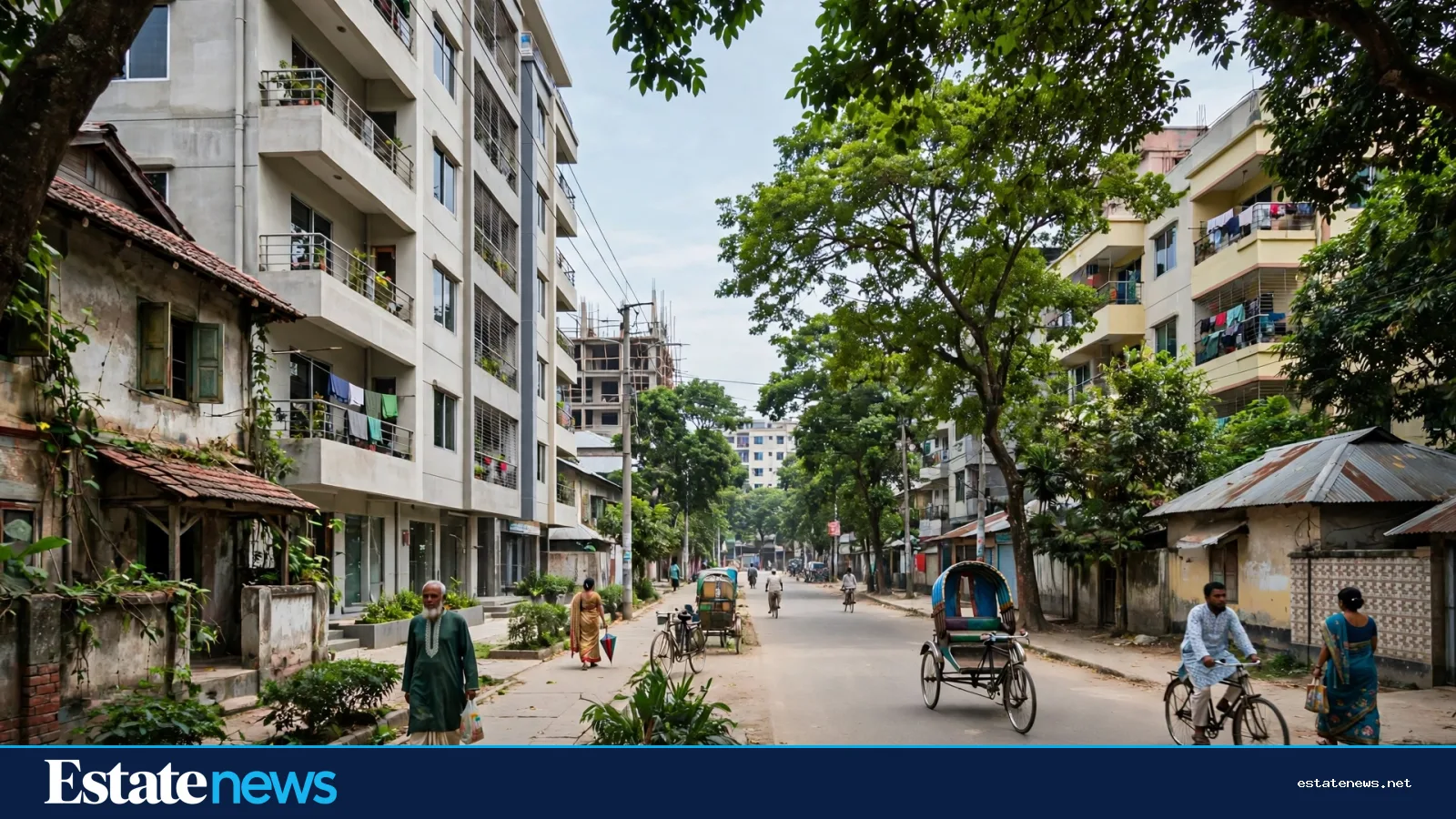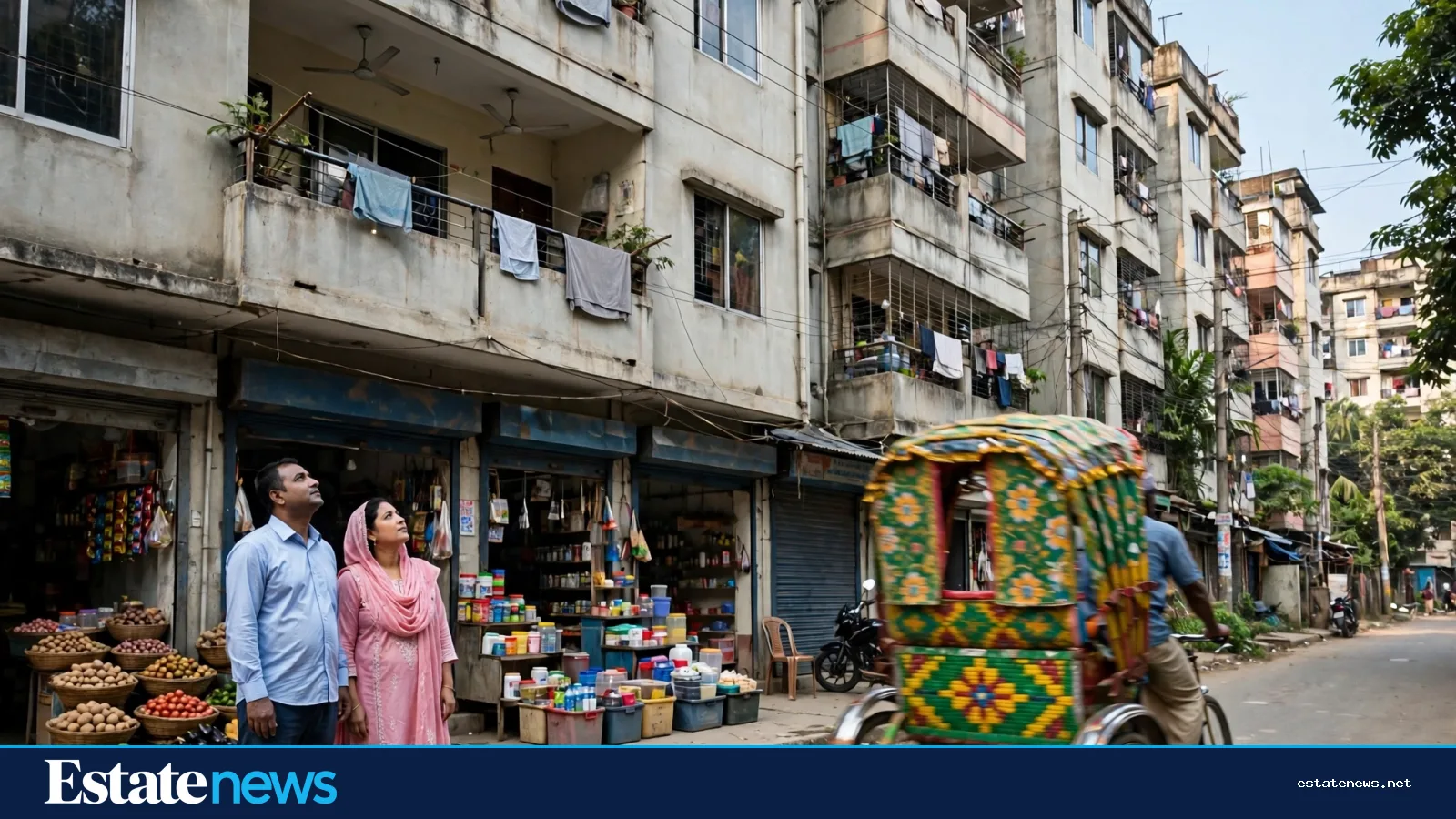
A buyer walks into a broker's office in Dhanmondi with a budget in mind, and the broker writes a figure on a piece of paper. The buyer walks into another office in Mirpur the next day, and the figure is less than half. Both figures are honest, in a narrow sense. Both are asking figures, the opening numbers sellers put on listings. Neither is, by itself, a deal price. Estate News' November asking-price snapshot, drawn from medians of listings in six areas, puts Gulshan and Dhanmondi at Tk 20,000 per square foot, Banani at Tk 13,888, and Mirpur at Tk 8,700. Those medians describe what sellers ask, not what buyers finally pay, and the distance between the two is where a November purchase is won or lost.
A median is the middle listing, not an average dragged up by a few very expensive homes. That makes it a fairer guide to a typical listing than a mean would be. It still hides a great deal. A median lumps together new towers and twenty-year-old buildings, corner flats with light on two sides and inner flats that borrow light from a shaft, homes with parking and homes without it. A buyer who treats the median as a price for their flat will overpay for a weak flat and lose a good one by offering too little.
Why the premium core asks more, and why it moves less

Gulshan and Dhanmondi sit at the top for reasons that have little to do with construction cost. Land is scarce, plots are small, and the streets around them hold offices, embassies, schools, hospitals and a commercial life that runs late. A seller in Gulshan can wait. The buyer pool is smaller, but it is also steadier, and a flat that is correctly priced for its lane will find a buyer without the seller needing to cut hard. Negotiation happens, but it tends to happen in small steps, and around extras: parking, furnishing, the timing of payment, the cost of registration.
Dhanmondi's top figure needs a different reading. The area holds some of Dhaka's most expensive lanes alongside older, far more ordinary stock. A median of Tk 20,000 reflects the weight of premium listings, not a claim that every Dhanmondi flat asks that figure. A buyer in Dhanmondi should compare lane by lane, and building by building, before accepting that the area median describes the flat in front of them.
Where the gap is genuinely negotiable


Mirpur, at Tk 8,700 in asking medians, works differently. Supply is larger, buildings are more numerous, and sellers compete with the building next door as much as with the area across town. A flat that has sat listed for three months in Mirpur is a different negotiation from a flat listed last week in Gulshan. The seller may already have cut once, may be paying a loan on an empty flat, or may need the sale to fund another purchase. A buyer who has seen four comparable flats in the same part of Mirpur can speak with evidence, and evidence moves sellers more than a low opening offer meant to provoke.
Banani, at Tk 13,888, sits between those poles. It shares much of Gulshan's commercial character but holds a broader mix of stock, including older buildings whose asking figures sit well below the newest towers. That mix is an opportunity for a buyer who values the area over newness, and a trap for a buyer who compares a new Banani tower with an old Banani building as if they were the same product. Age, lift, generator, water and parking explain much of the difference inside Banani itself.
A method for November buyers
Start with recent asking figures for the same building type, in the same lane, not with the area median. Then adjust, in plain language, for floor, facing, age, renovation, parking and furnishing. Then ask how long the flat has been listed, and why the seller is selling, questions a broker may answer partly and a neighbour may answer better. Then price any renovation before offering, so a cheaper flat that needs new wiring, plumbing and tiles is compared fairly with a dearer flat that is ready to live in.
Finally, keep the total cost in view. Registration, loan fees, service charges and moving costs sit on top of the agreed price, and they do not shrink because the headline figure did. A buyer who negotiates the flat price down by two lakh taka and then discovers a large unpaid service-charge arrears has not saved two lakh taka. The asking price is the start of the conversation. The deal is the whole bill, for a flat whose papers, building and lane the buyer has actually checked.