Late October gave the world's housing markets a small piece of relief and a larger reason to wait. The United States Federal Reserve held its benchmark rate at 3.75 to 4.00 percent on 28 October, citing continued inflation pressure. Freddie Mac's weekly survey then put the average 30-year fixed mortgage rate at 7.24 percent on 29 October, down from 7.32 percent the week before. Trackers reported daily averages lower still, around 7.10 percent on 31 October. The direction was down. The level was still high enough to keep many buyers on the sidelines.
The contracts told the same story, more bluntly. The National Association of Realtors reported on 20 October that pending home sales in the United States fell 7.3 percent in September from August, and 11.3 percent from September 2025, with declines in every region. Pending sales count contracts signed but not yet closed, so they point to completed sales a month or two ahead. The association's chief economist tied the drop to borrowing costs. When the monthly payment rises, the asking price matters less than it used to, and the payment matters more than it ever did.
What a held rate does, and does not do

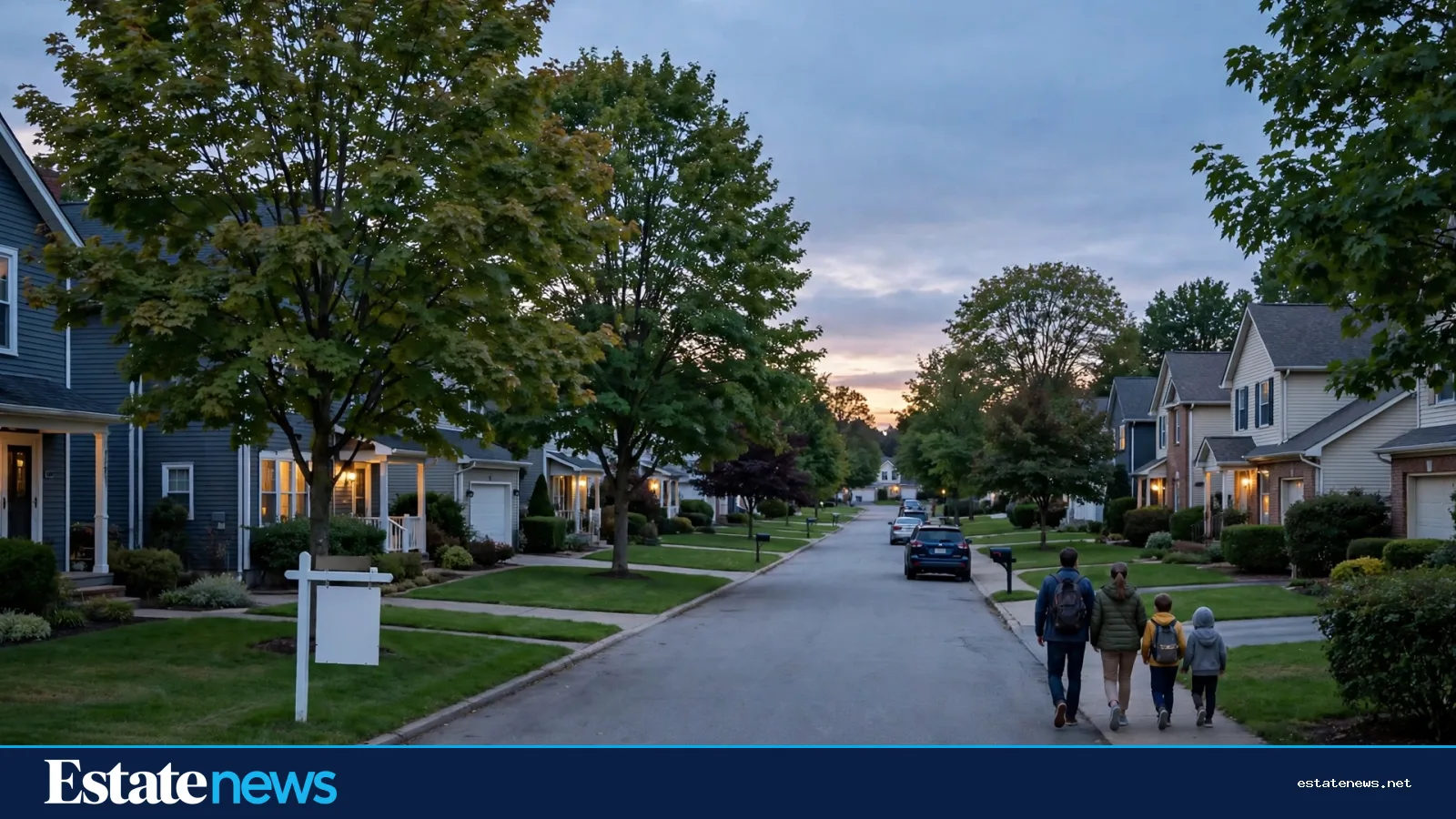
A central bank holding its rate is not cutting it. That distinction matters for anyone budgeting a purchase abroad. Forecasters cited in market coverage expect the American 30-year rate to average around 7.3 to 7.4 percent for the rest of 2026. Forecasts change, and the rate any one borrower is offered depends on credit, down payment, loan type and points. The useful reading of late October is narrower: relief came in small steps, not in a turn, and the first ten days of November bring jobs and inflation reports that could move the picture again.
Britain shows the same payment squeeze from the other side. Figures released on 30 October put annual UK house price growth at just 0.5 percent, its weakest since January 2024, with the average price around £273,566 and prices broadly flat in October. Mortgage approvals for house purchases fell to about 53,400 in September, against a six-month average near 58,800. Prices did not crash. Buyers simply bought less, and lenders approved less.
The world is not moving together


That is where a global view helps a Bangladeshi reader, because the cycle has split. The UBS Global Real Estate Bubble Index, which compares prices with incomes and rents across 23 cities, left overall bubble risk broadly unchanged from 2025, but with wide differences underneath. Zurich and Tokyo were its only high-risk cities. In Tokyo, real home prices have risen about 50 percent over seven years, roughly five times the growth in real incomes, while newly built apartments in central Tokyo have risen about 20 percent over the past year, pushing more domestic buyers toward suburban homes.
Seoul shows how fast wealth, not only rates, can move a market. Residential prices there surged 50 percent between 2017 and 2021, fell 20 percent as rates rose, and have since rebounded, with inflation-adjusted prices up 11 percent over the past year. Hong Kong has come the other way: after real prices fell more than 30 percent between 2018 and 2025, they have rebounded 8.7 percent over the past year, helped by lower mortgage rates and inflows of professionals from mainland China. Singapore, by contrast, has been steadier, with private residential prices up about 1 percent over the past year and rents broadly flat. One global rate story, many local outcomes.
Reading this from Dhaka
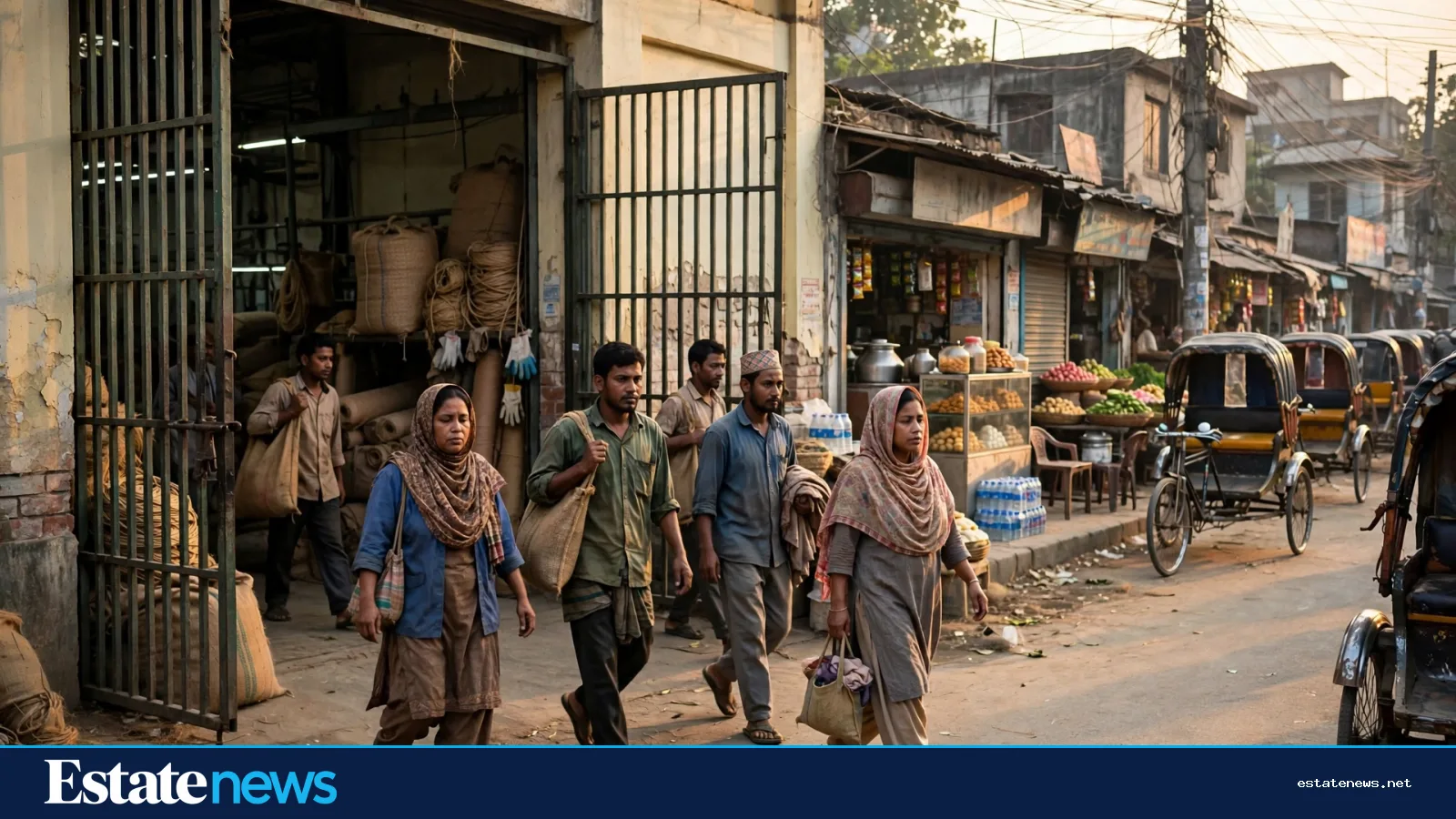
For a non-resident Bangladeshi weighing a flat in London, Dubai, Singapore or an American suburb, the practical lesson sits in those differences. A city where prices have already fallen a long way is not the same purchase as a city where prices have kept rising against incomes. A market with flat rents does not carry a purchase the way a market with rising rents might, and none of that can be read off a single headline price.
Three checks carry most of the weight. Work out the full monthly cost at today's rate, not at the rate you hope for next year: mortgage payment, tax, insurance, service charges and maintenance. Ask what the home earns or saves if it stands empty for months, and what it costs to manage from Dhaka. And ask how long you can hold it if rates stay where they are, because the late-October pattern, a hold here, a small easing there, a fall in contracts underneath, suggests waiting is still the market's main activity.
This article is general information only, not financial advice, and it makes no promise about prices, rents or returns in any market. The wait-and-see market rewards the buyer who can afford to wait, and punishes the buyer who must buy at any price. For most Bangladeshi families looking abroad, that is the decision to get right first. The city comes second.