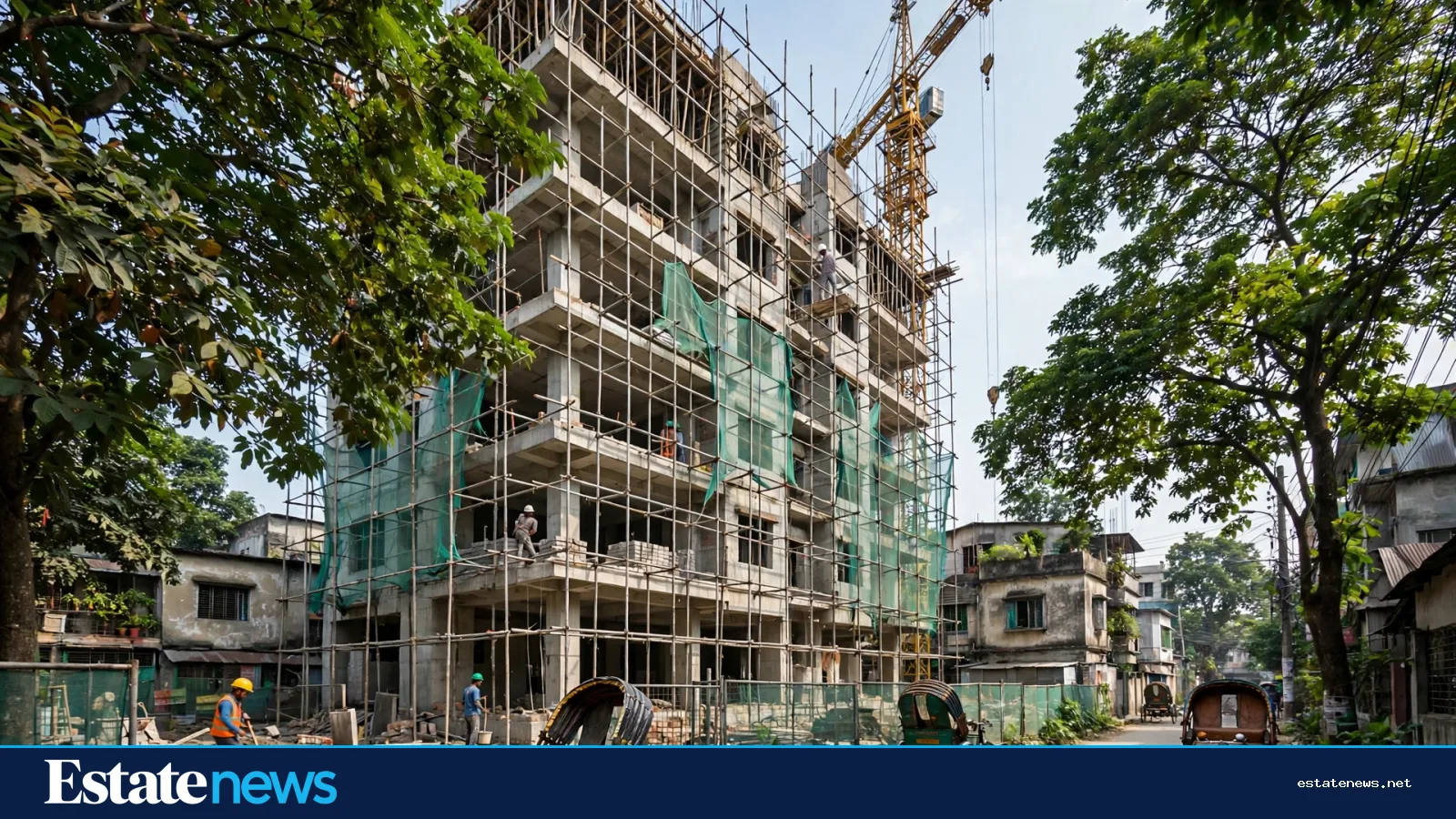
The ceremony was short, by Dhaka standards. A prayer session, a ribbon cutting, and the formal start of construction. Urban Design and Development Ltd launched its new residential project, Urban Modhura Regency, in Dhanmondi on 28 October, according to a company press release carried by The Business Standard. Senior management, engineers, the landowner and clients attended. The project sits at Plot 699 (old) and 3 (new), Road 30 (old) and 13 (new), in Dhanmondi. It will be built on 20 katha of land as a 14-storey building with two basement levels, holding 36 apartments sized from 2,555 to 3,072 square feet.
Nothing in that paragraph is spectacular, and that is precisely why it is worth reading closely. Dhaka's property pages are full of launches that promise a new way of living. This one promises, on the published facts, a mid-sized building in an established neighbourhood, with large flats, from a company that has been building in the city for three decades. The interesting question is not what the launch claims. It is what a buyer can verify around it.
A company record that can be checked

Urban Design and Development was established in 1995, according to the same release, and has delivered 128 of its 175 projects, with a presence across Dhaka including Dhanmondi, Gulshan, Banani and Bashundhara Residential Area. That ratio, 128 delivered out of 175, is the kind of figure a buyer can use. It does not say that any particular project will finish on time. It says that the company has a long record of finishing buildings, and that some projects are still in progress, as any active developer's list would show.
A careful buyer will still ask which projects those are, and will visit a completed Urban building before booking in a new one. Completed buildings show things a launch cannot: how the lobby has aged, whether the lift runs well, how the residents' committee works, and whether the finishes promised at launch survived contact with daily life. A launch in Dhanmondi is best judged beside a finished building in Dhanmondi, not beside a brochure.
Why Dhanmondi, and why large flats
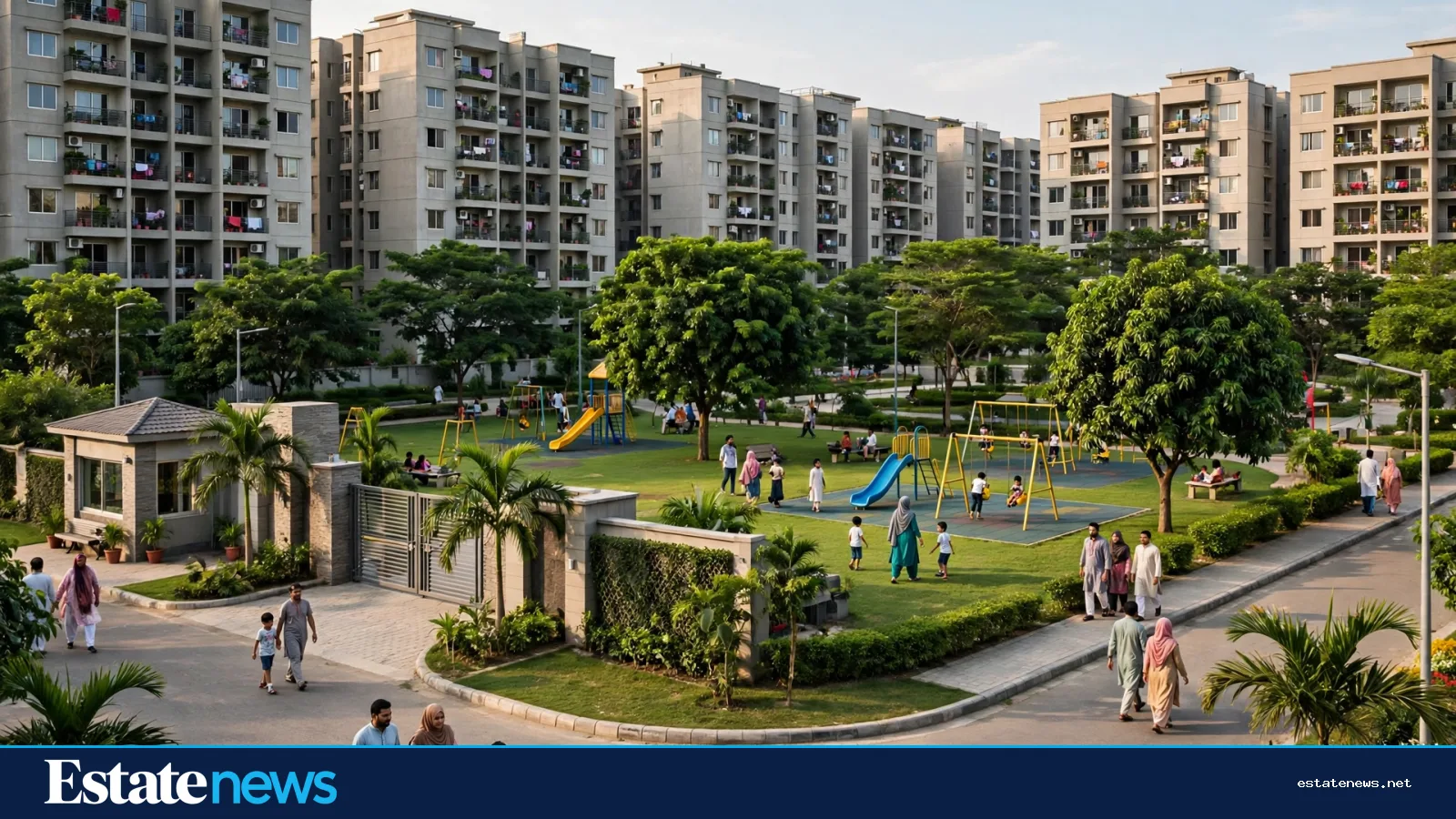
Dhanmondi is one of the few Dhaka neighbourhoods where a new building is judged against a strong existing character: wide roads by Dhaka standards, a lake, schools, hospitals and a long-established population of families who have lived there for generations. A 14-storey building with 36 flats of 2,555 to 3,072 square feet is aimed at that population, or at families who want to join it. These are not starter flats. They are family flats, with room for parents, children and help, and they carry the price and service charge expectations that go with that size.


That size also changes the buyer's maths. A larger flat costs more to buy, more to furnish, and more to maintain each month. Service charges, lift maintenance, generator costs and common area upkeep all scale with building size and facilities. A buyer who can afford the purchase price but has not budgeted the monthly running cost will feel the gap every month after moving in. The launch details give no service charge figure, and a buyer should ask for one before booking, along with the payment schedule and the handover terms in the agreement.
Reading a launch without being carried by it
Launches are designed to create momentum. A ribbon cutting, a gathering of clients, and a press release all signal that a project is real and moving. A buyer should treat that signal as a starting point, not as a conclusion. The documents that matter are less photogenic: the approved plan for the building, the deed and title papers for the 20 katha plot, the agreement's clauses on handover timing and delay, and the payment schedule tied to construction stages rather than to calendar dates alone.
There is a practical order to these checks. Visit the plot and see what stands there today. Ask for the approved plan and check the number of floors and flats against it. Read the payment schedule and check what is due at booking, at each construction stage, and at handover. Ask what happens if handover slips, and get the answer in the agreement rather than in a conversation. Talk to residents of a completed building by the same developer about defects and after-sales support. The company says its lifetime customer support, continuing well beyond handover, is one of its distinguishing features. That is a claim a buyer can test by asking existing residents how support worked for them.
The quiet value of an ordinary launch
Dhaka does not need another spectacular launch. It needs buildings that finish, in neighbourhoods that already work, with flats that suit the families who will live in them. Urban Modhura Regency, on the published facts, is that kind of project: a mid-sized building, in Dhanmondi, with large family flats, from a developer with a long delivery record and projects still under way. Its success will not be decided at the ribbon cutting. It will be decided in the years of construction that follow, in the quality of the structure and finishes, in the honesty of the handover, and in whether the building is still well run five years after the first families move in.
For a buyer, that is the right way to hold a launch in mind: as a beginning with a record behind it, to be checked building by building, paper by paper, visit by visit. A launch tells you a project has started. The developer's finished buildings tell you how it is likely to end. Read both, and read the finished buildings first.