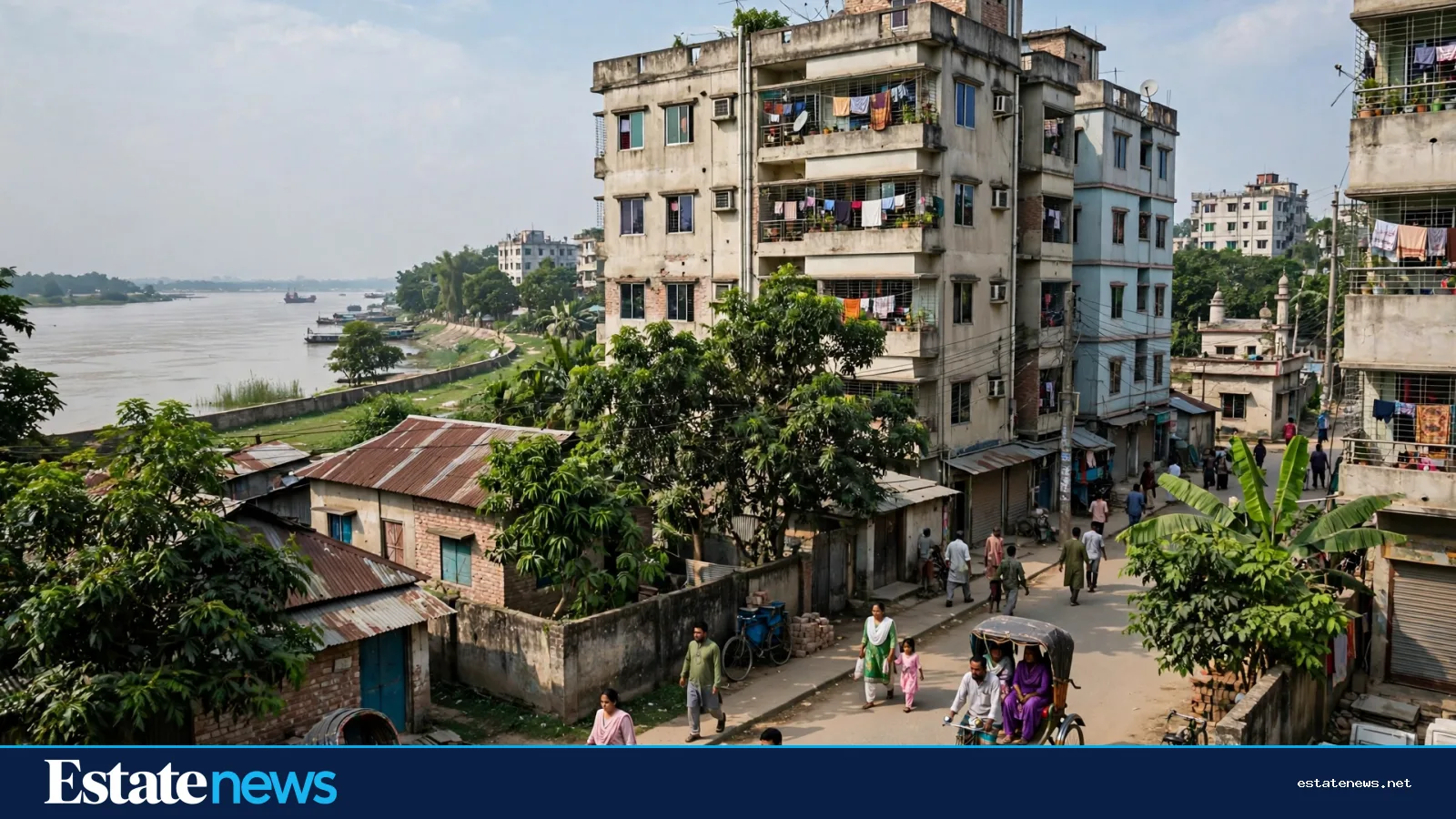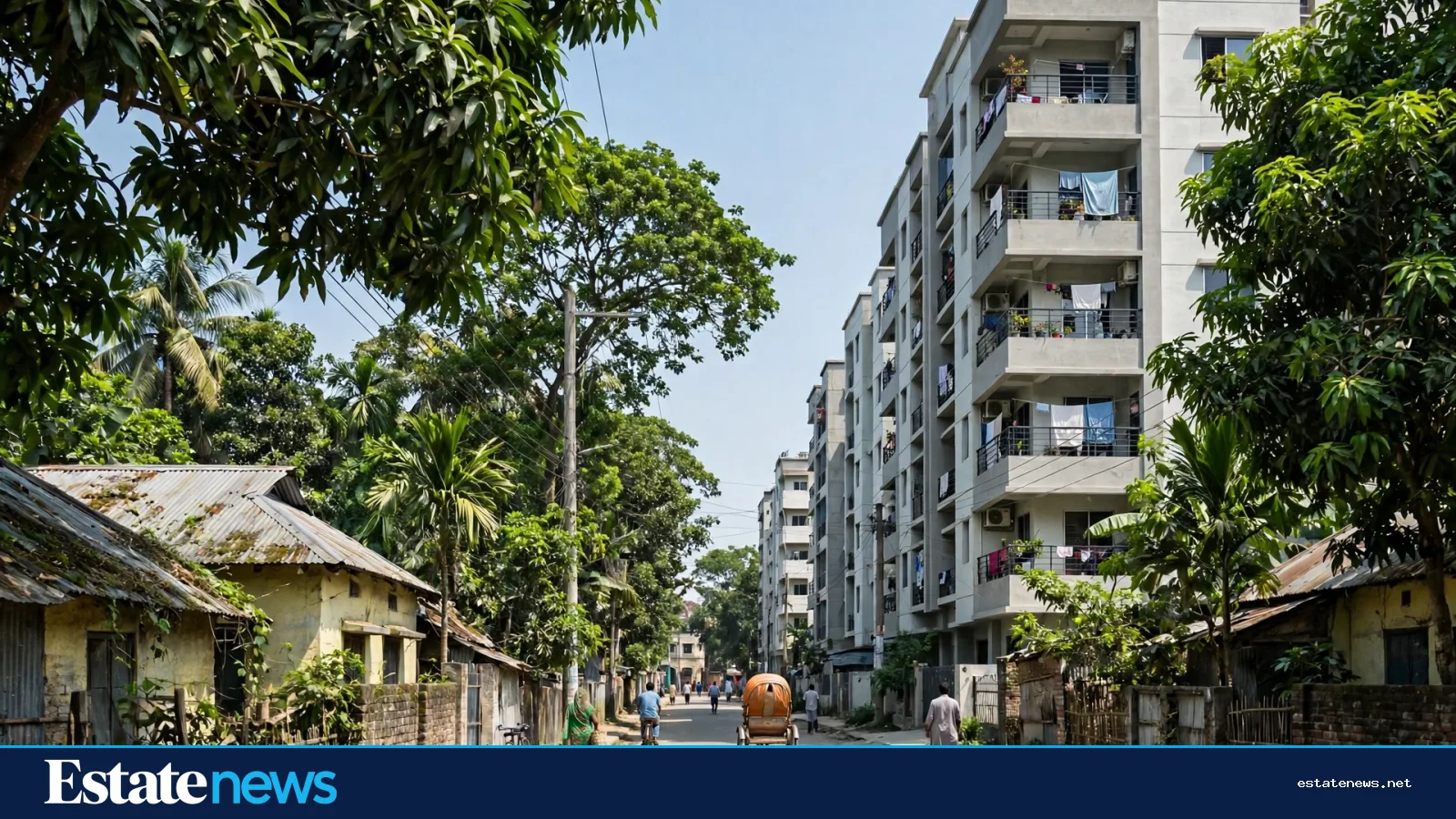
Bogura is easy to pass through and easy to underestimate. Buses stop, traders load goods, and travellers heading north keep going. Yet the city has been building homes for its own people, and for families from surrounding districts, for more than two decades. The Business Standard reported in 2021 that real estate development in Bogura began in 1999, and that within twenty years the district had become the country's fourth biggest housing market after Dhaka, Chattogram and Sylhet, according to local businessmen. That ranking comes from industry voices, not an official survey, and it should be read that way. Even with that caveat, it tells a buyer something useful: Bogura's market did not start yesterday.
Geography explains much of it. The same report describes Bogura as a centre between Rajshahi and Rangpur, a leading exporter of agricultural and industrial machinery and other manufactured goods. A city that makes and repairs the machines farms depend on draws engineers, traders, workshop owners and service workers, and those workers need homes near their work. Buyers in the early years, The Daily Star reported in 2011, came largely from outside Bogura district, from Naogaon, Natore, Dinajpur, Rangpur and Khulna, and were mostly professionals such as doctors, engineers, college teachers, lawyers and small businesspeople. A market built on that kind of buyer looks different from a market built on speculation. People buy to live near a job, a college or a hospital, and they stay.
A corridor, not a single hotspot

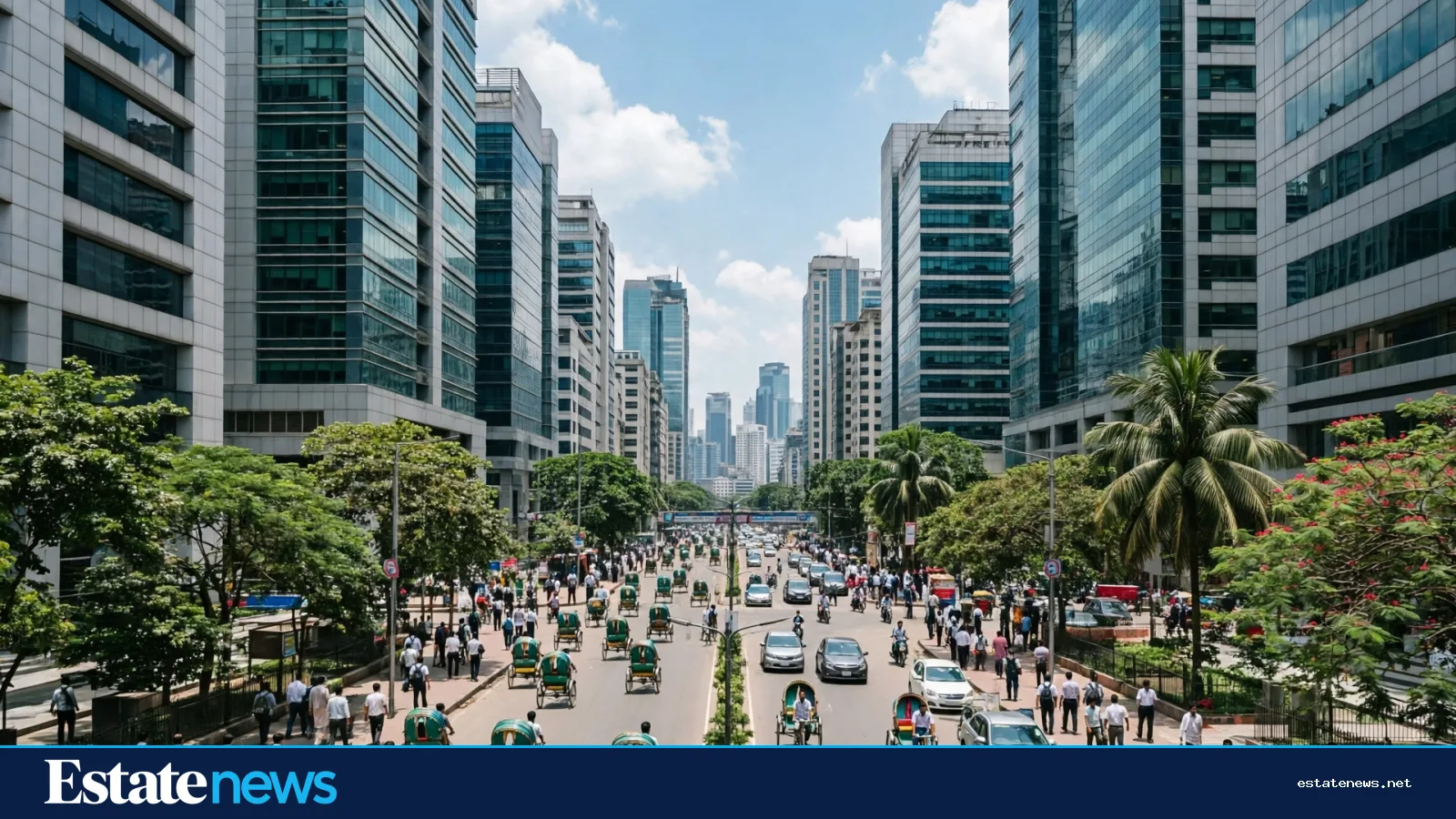
Bogura's building has spread along a corridor rather than clustering in one premium pocket. The Business Standard's 2021 account describes multi-storey buildings rising within a stretch of about six kilometres from Banani in Shajahanpur upazila to Matidali in Sadar upazila, with at least 600 workers involved in the housing sector in the district at that time. The Bogura Real Estate Association, the same report says, had 50 members a year earlier and 31 at the time of reporting, a reminder that small markets lose firms as well as gain them. A buyer should therefore ask about the developer in front of them, not the market in general: past projects, delivered buildings, and buyers who can be visited in person.
The older Daily Star account gives the early shape of the town's growth. Jaleshwaritala, in the town centre, saw the first nine-storey building, Dolphin Tower, completed in 2008, and at least 20 high-rise buildings under construction in that area at the time of the 2011 report. Housing projects in Kalitala sold plots quickly, the paper reported, with one project selling 48 plots in eighteen months and another launching with 175 plots. Those are historical markers, not current prices or current supply, and they should not be quoted as today's market. What they show is a town that learned apartment living early, by local standards, and kept building through cycles.
The city corporation question


Bogura's next chapter may be administrative as much as architectural. The Financial Express reported in July 2025 that Bogura, one of the country's oldest municipalities, was poised to become the 13th city corporation, with a formal declaration expected after final procedural clearances and a gazette notification. The report quotes local expectations that the upgrade would bring structured urban planning, expanded municipal services and larger development budgets, and notes the municipality had 1,340 kilometres of roads, of which only 450 kilometres were concrete-paved, with revenue of Tk 600 million in fiscal year 2023-24. It also lists the town's industries, including ceramics, cold storage, 272 foundry units, light engineering workshops, auto rice mills and an oxygen plant, and puts the population above one million, with the pourashava spanning 69.56 square kilometres back in 2004.
A buyer should treat city corporation status as a process, not a completed fact, until the gazette and the new boundaries are public. The practical question is narrower: which roads, drains, water lines and services improve first, and in which wards. A flat near a paved road with steady water and drainage is worth more in daily life than a flat near a boundary line that may move. If the upgrade delivers larger budgets, the benefit will arrive ward by ward, over years, not on announcement day. Estate News does not claim that an administrative upgrade raises prices without evidence.
Buying in a market with thin data
Bogura has no widely published, regularly updated price survey of the kind Dhaka's listing portals provide, and this piece deliberately carries no current price table for that reason. Crowdsourced rent and price pages exist, but they rest on a handful of entries and cannot support a buying decision. A buyer who needs a figure should build it the slow way: visit several comparable flats in the same pocket, ask what similar flats actually sold for, and separate the asking figure from the agreed figure. A flat that has sat advertised for months is telling a buyer something, even if no seller says it aloud.
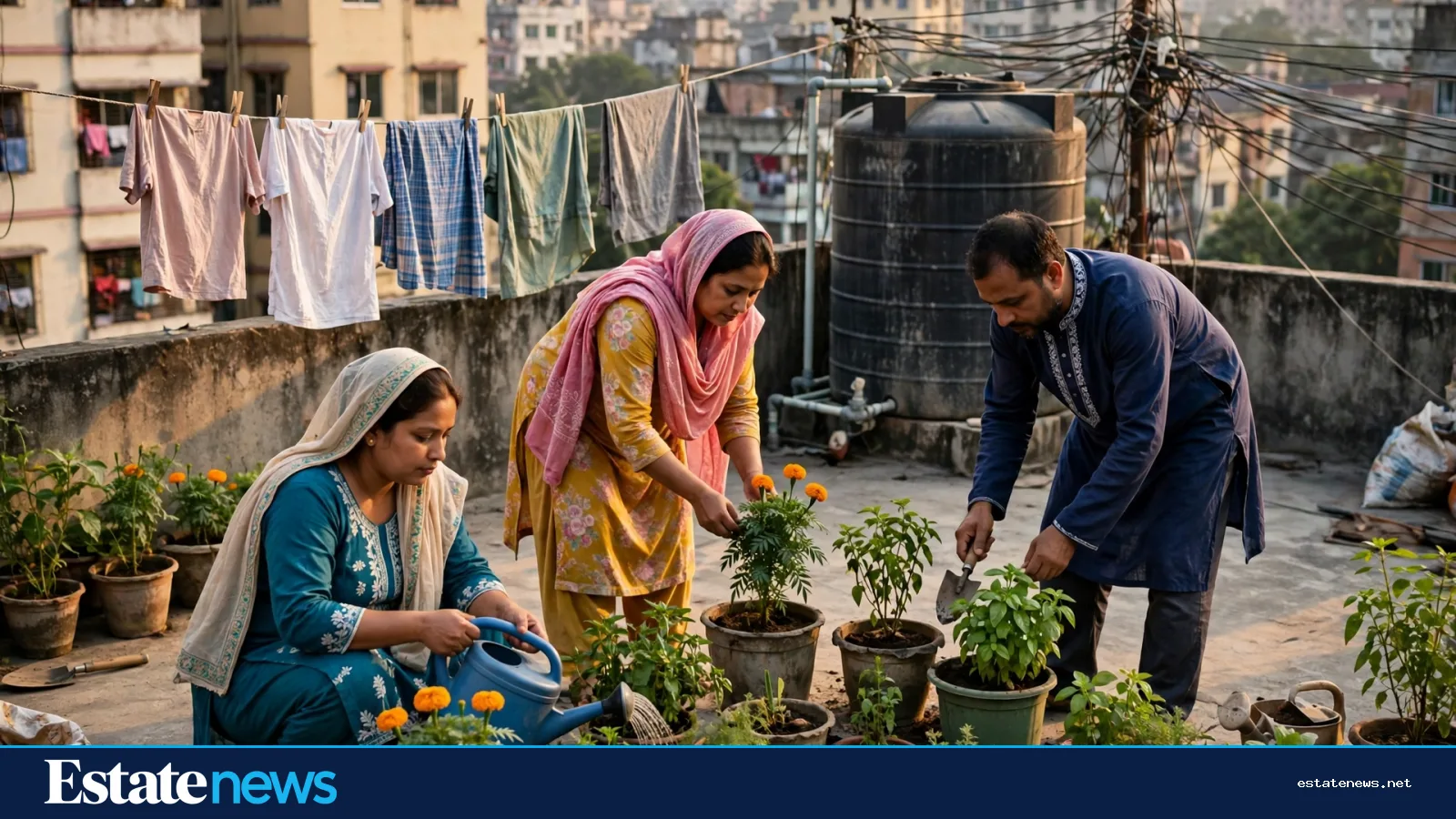
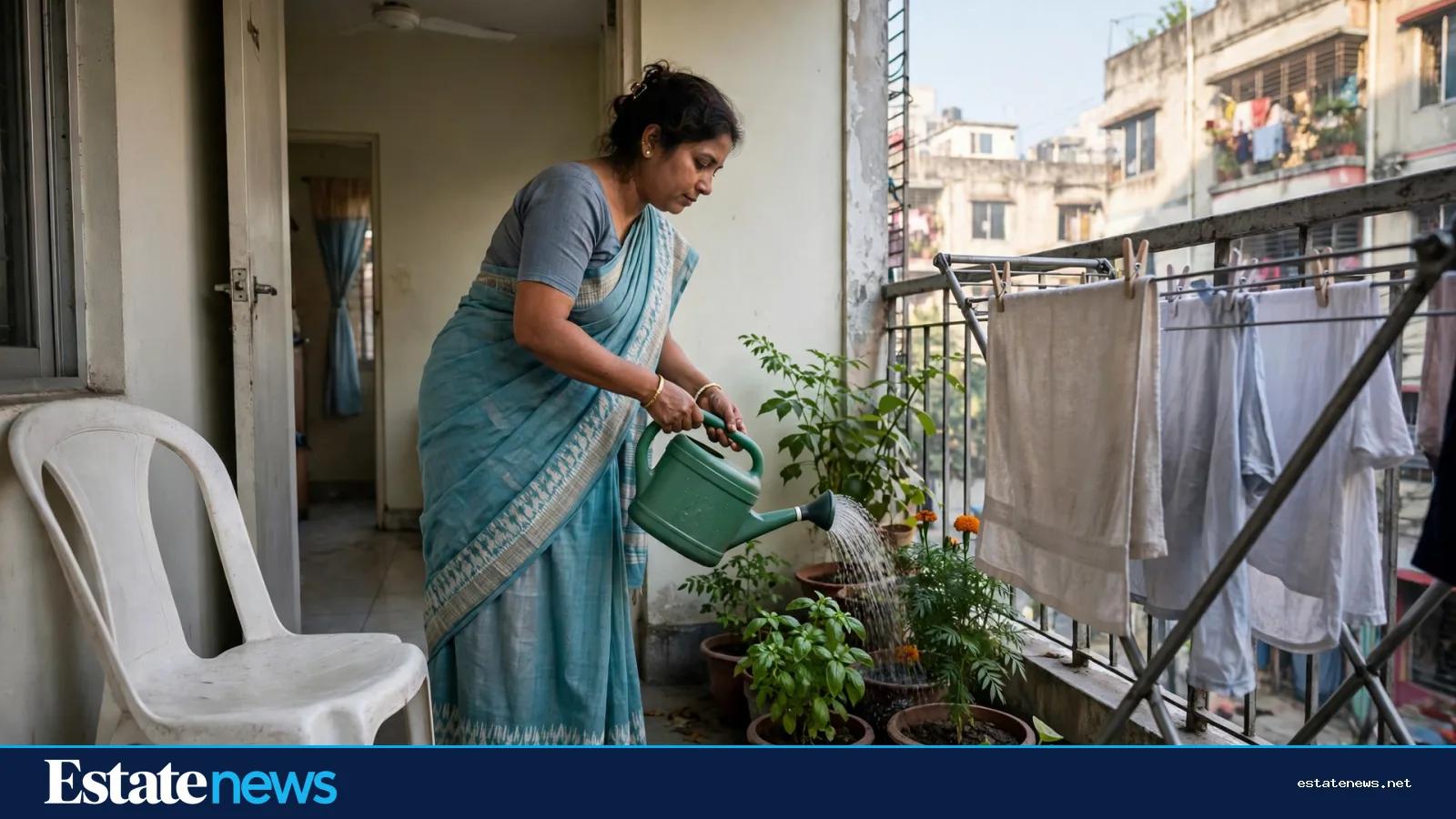
The checks themselves are familiar, and they matter more where data is thin. Verify the deed chain and mutation record through a lawyer. Confirm building approval and whether construction matches the approved plan. Ask about water supply in the dry season and drainage in the monsoon, and talk to residents, not only to the seller. Check lift and generator arrangements, service charges, and who manages the building after handover. In a smaller market, the developer's record is easier to check and harder to hide: earlier buyers live in the same town, and a visit to an older building from the same developer says more than any brochure.
Bogura's housing story, read this way, is steady rather than spectacular. A gateway city for the north, with workshops, colleges, hospitals and trade, building apartments for families who work there and for professionals arriving from nearby districts, and now waiting to see whether city corporation status brings the roads and services that make those homes easier to live in. Buyers who judge a flat by its street, its papers and its builder, rather than by a promised upgrade or a crowdsourced average, will understand Bogura better than any single figure can tell them.