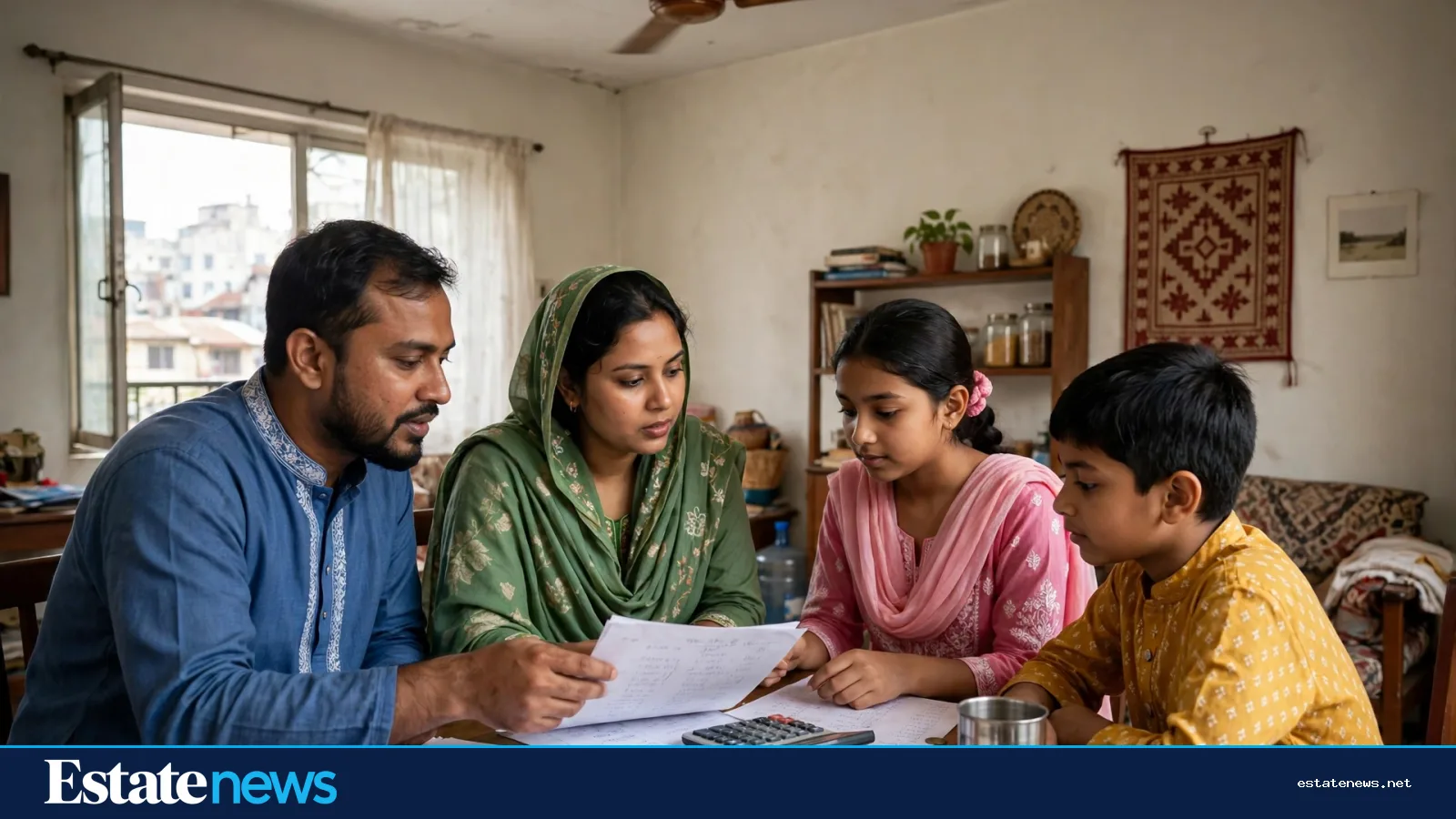
Ask a Dhaka family what they would rather own in a crisis, and the answer usually comes fast. Land feels permanent. A flat feels usable. Neither answer settles the question that matters when money is suddenly needed: how quickly can you turn the asset into cash, and at what cost along the way?
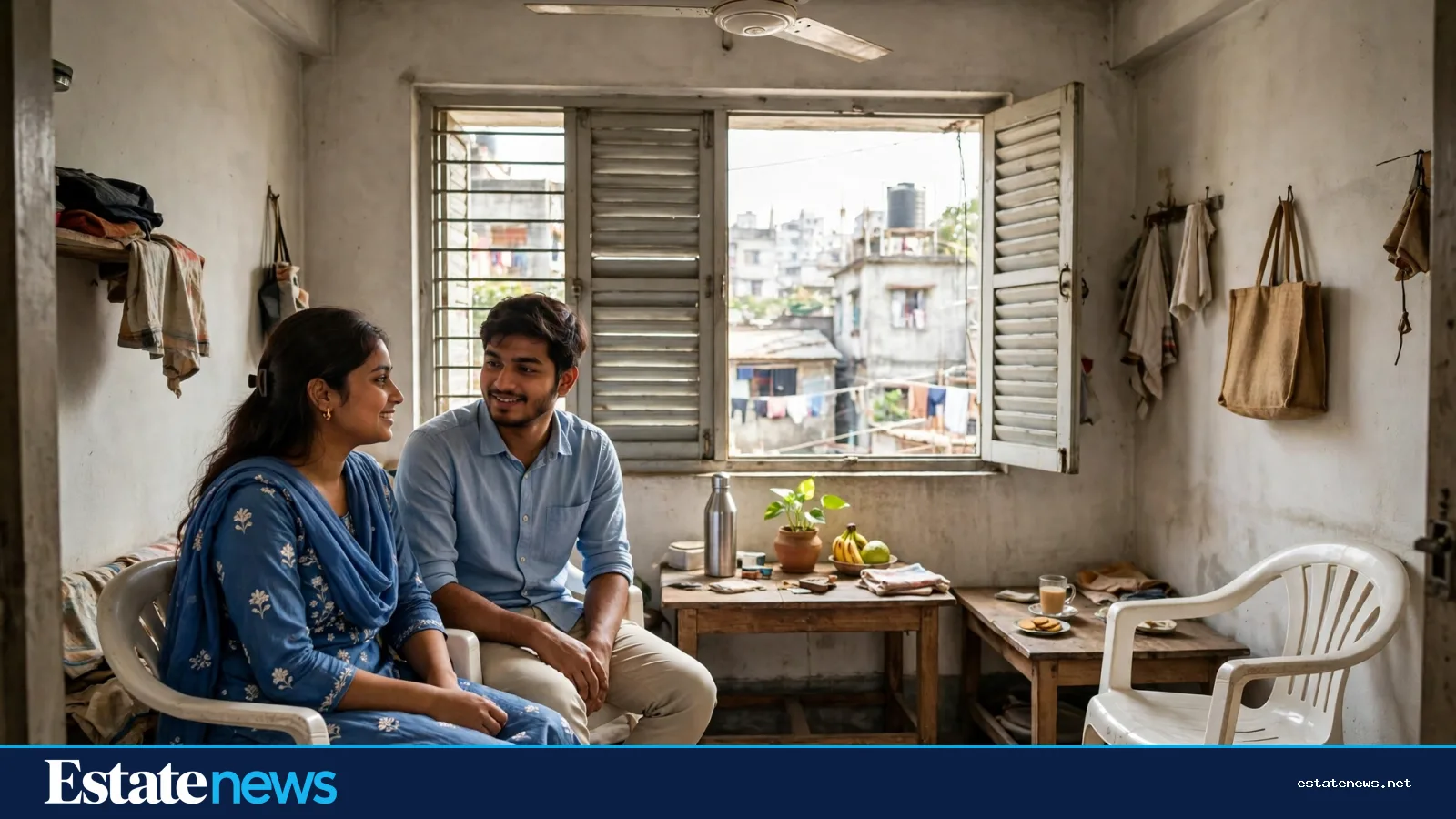
A flat in Dhaka has one clear advantage. People live in flats every day, so buyers and tenants are always around. A two or three bedroom unit in Mirpur, Uttara or Banasree can be listed, shown and rented within weeks when the price matches the street. Even when a sale takes longer, rent keeps coming in. That income does not make the flat cheap to hold. Service charges, repairs, property-related payments and periods without a tenant eat into it, and an older building can surprise an owner with a lift replacement or a water pump bill shared across flats.
A plot waits for the right buyer

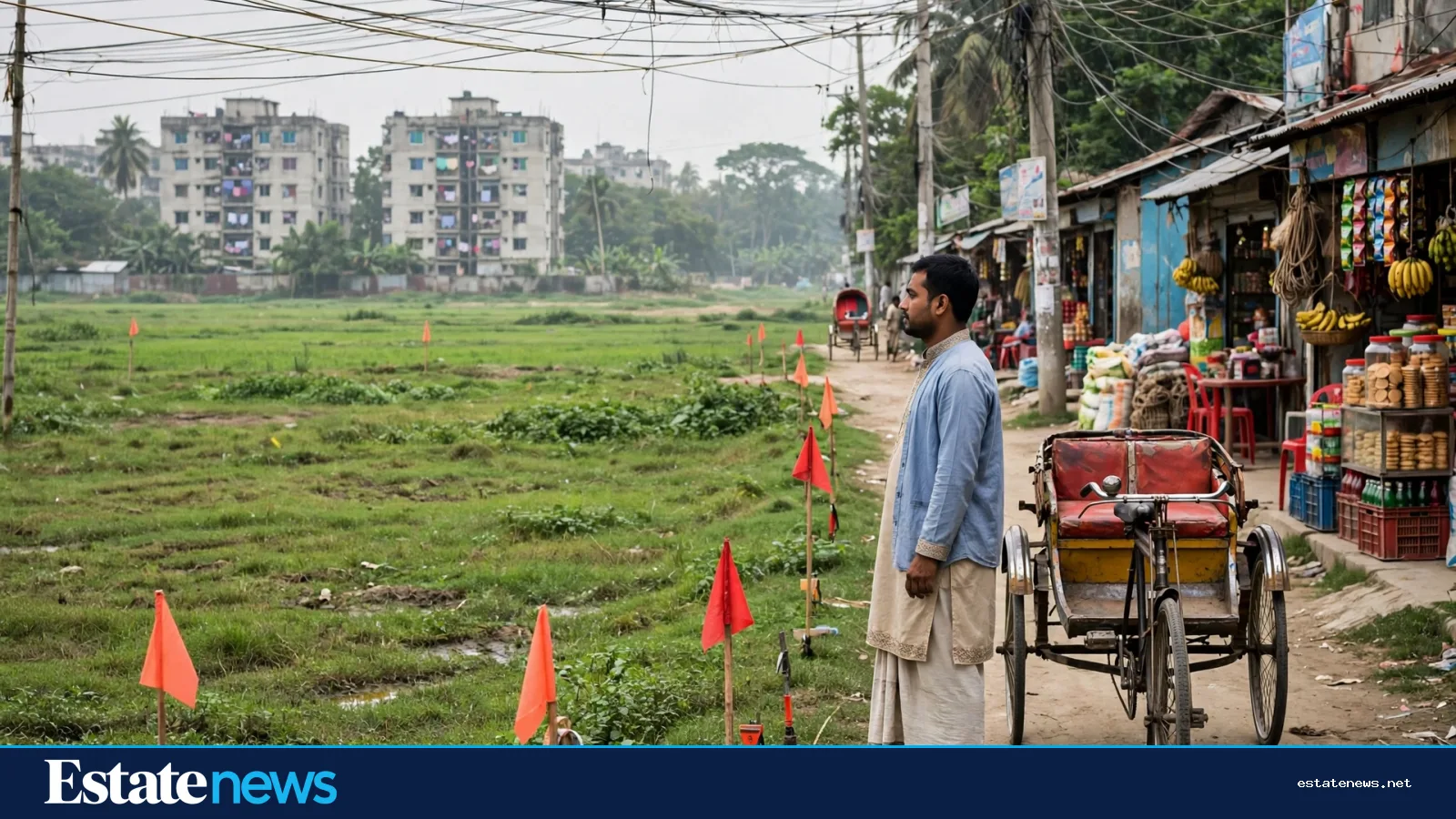
Land on the Gazipur side works differently. A buyer for a plot is often buying a plan, not a home to move into next month. They check the road, the plot shape, the surrounding development and the papers with extra care, because a plot cannot be inspected room by room. Fewer buyers means a longer wait, and a longer wait often means accepting a lower price when the need is urgent. A plot also earns nothing while it waits. There is no rent, only holding costs: boundary walls, caretaking, land-related payments and the risk that someone encroaches on an unwatched plot.
That does not make land a poor choice. It makes it a choice for money that will not be needed soon. A buyer who can wait for the road, the factory zone or the housing project nearby to take shape has time on their side. A buyer who might need the money within a year does not.
Papers decide speed more than location does


In both cases, the sale moves at the speed of the paperwork. For a flat, a buyer will ask for the deed chain, the mutation record, the building approval and the association's dues clearance. For land, the checks run deeper: the deed chain, the mutation, the survey record, whether the plot sits on disputed or government-claimed land, and whether all co-owners agree to sell. One missing signature from a family member can stall a land sale for months. Sellers who keep their papers updated, their mutation done and their tax receipts filed sell faster than sellers who start gathering documents after a buyer appears.
A practical test helps before buying. Ask how you would sell this exact property in thirty days. Who would buy it? What papers would they demand on day one? What price cut would you accept to close fast? If those answers are vague, the asset is less liquid than it looks on paper.
The exit, planned in advance
The sensible way to compare the two is to count three things side by side. How long a sale usually takes in that area for that type of property. What it costs to hold each year, including the empty months. And what can go wrong with the title. A Dhaka flat tends to win on speed and income, and lose on running costs and building risks. A Gazipur plot tends to win on low running costs and lose on speed and income. Neither wins on every count.
For a household, the decision often comes down to the purpose of the money. Money set aside for a child's education in two years or a medical reserve needs an asset that can be sold without a long search. Money meant to be left alone for a decade can sit in land. Mixing the two, a flat for use and income plus a plot for the long term, suits some families better than putting everything into one form. This article gives general information only, not financial advice for any individual case. A lawyer should check the title before any purchase, and a sale decision should rest on current market conditions, not on an assumed future price.