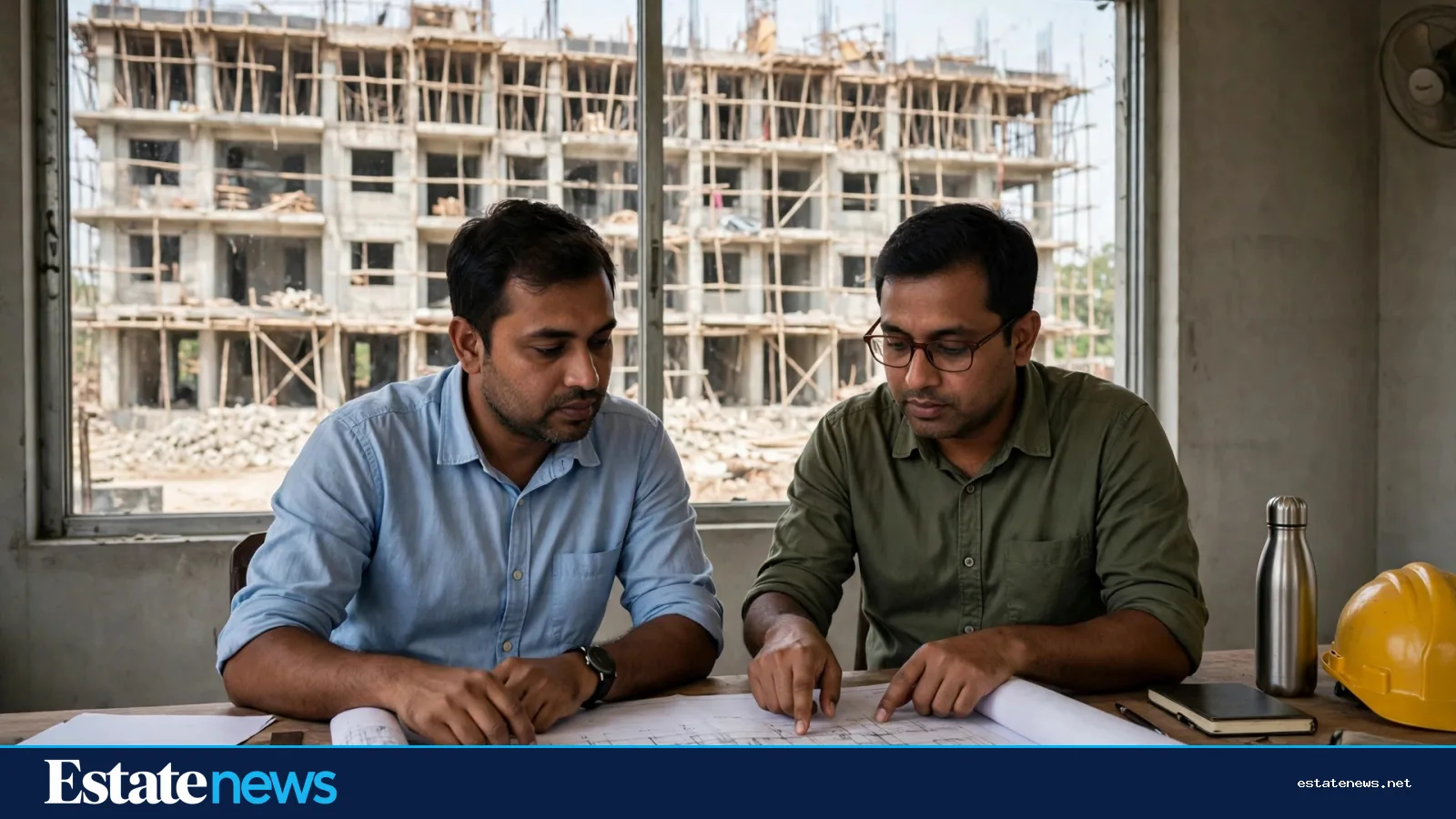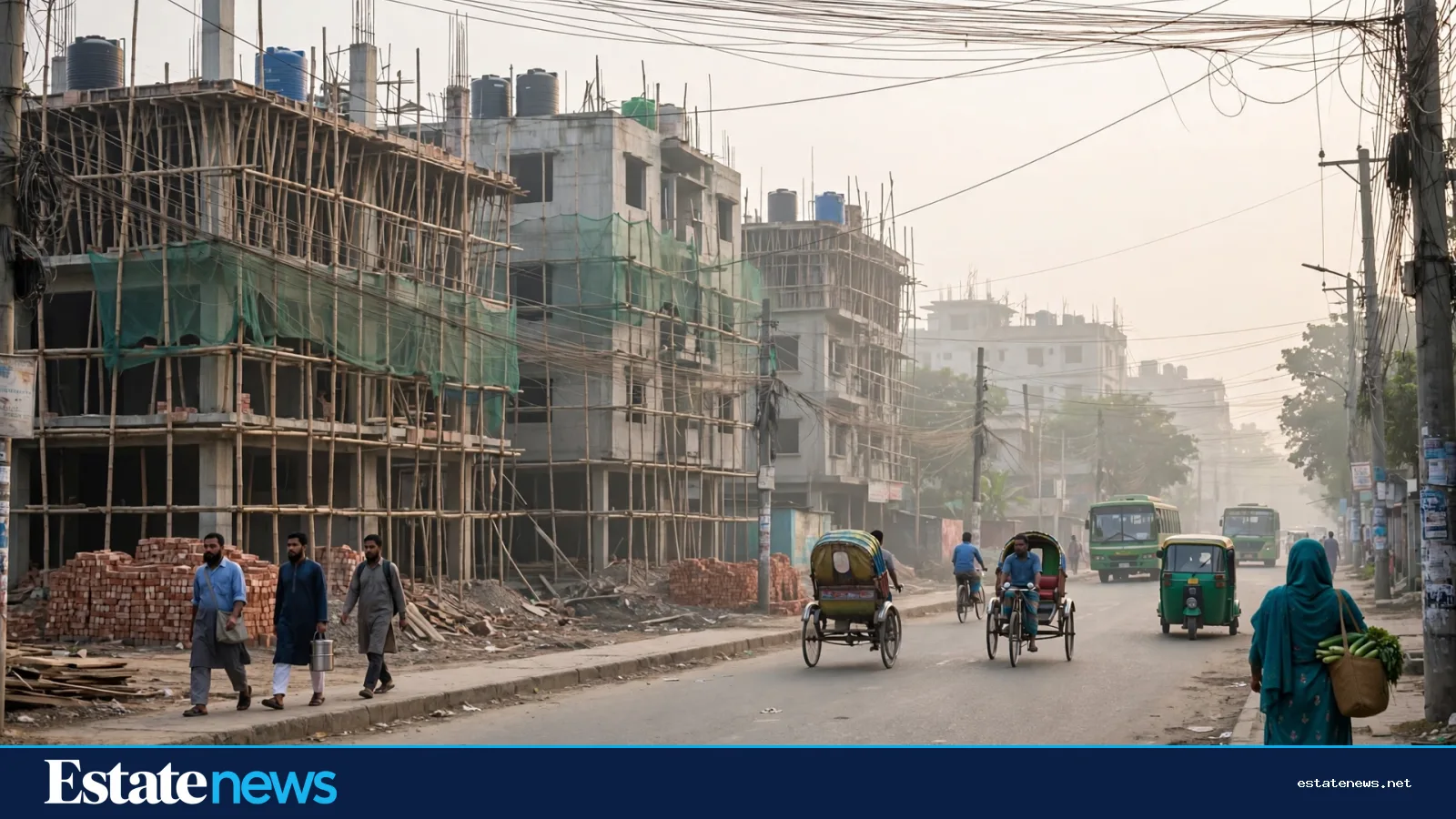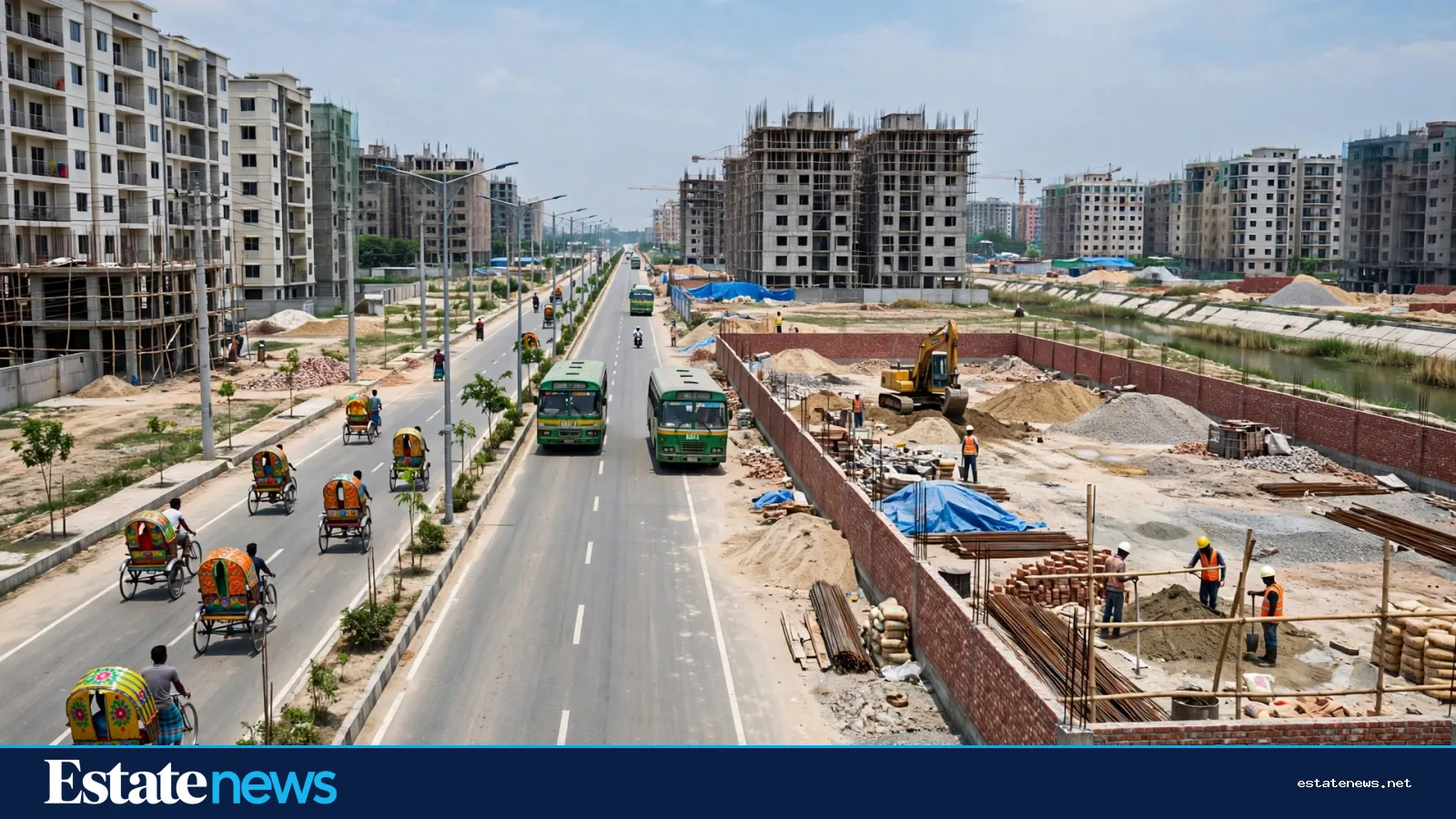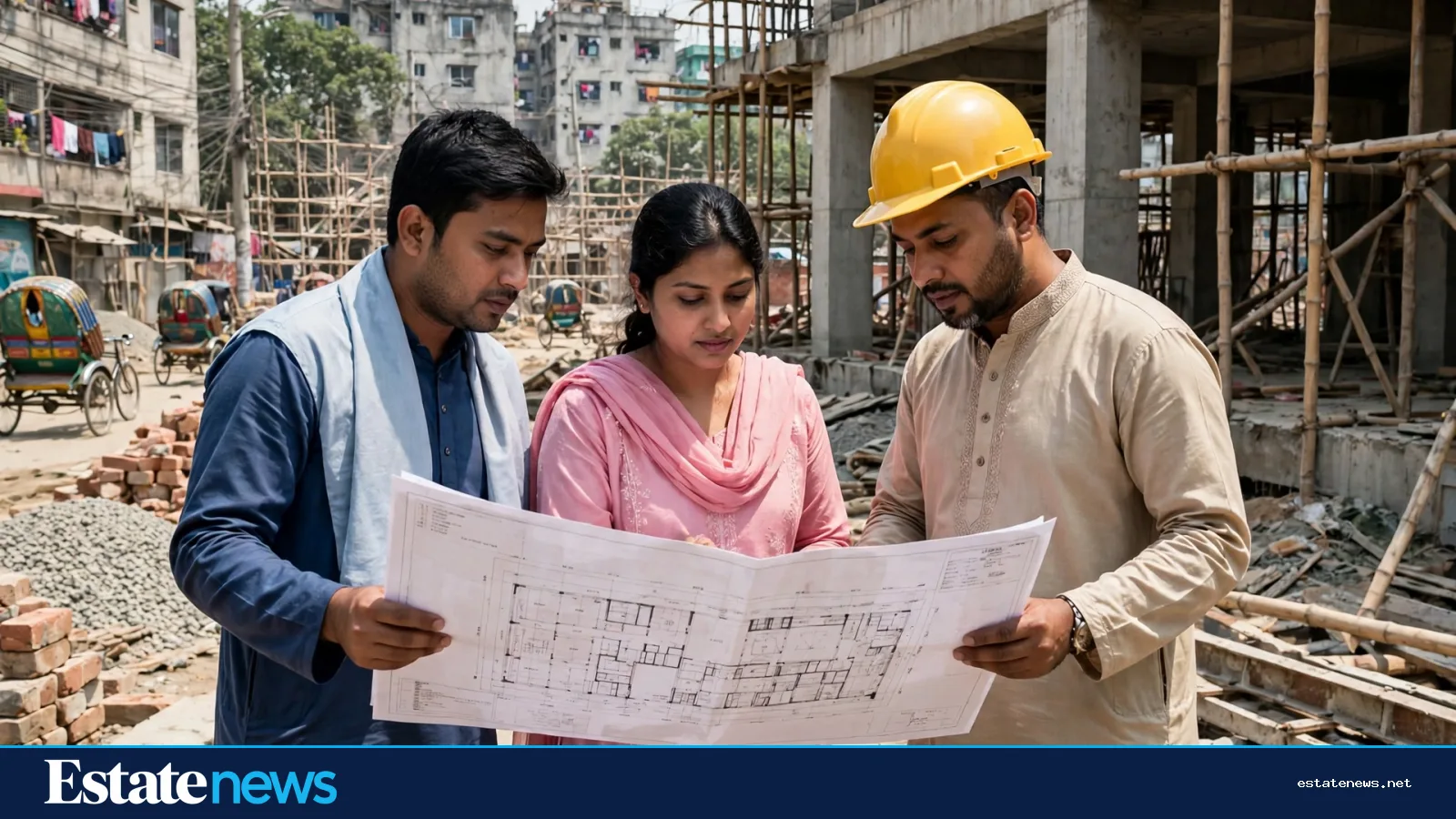
Dhaka buyers have learned to ask about price per square foot, handover dates and payment schedules. The question that gets asked less often, and matters more, is simpler: has RAJUK approved this building, and does what is being built match that approval? Rajdhani Unnayan Kartripakkha, RAJUK, is the authority for building approval across much of the capital region. A building inside its jurisdiction needs formal approval before construction can legally begin. Realtors quoted in The Daily Star in March 2025 put it plainly: verifying RAJUK approval is the first step in buying an apartment in Dhaka, and buyers should ask for the approved plan and check that construction follows it.
Approval comes in stages, and a buyer should know which stage a project has reached. RAJUK's process runs through a planning permit, which covers land use, and then a construction permit, with applications filed online through its Electronic Construction Permitting System, ECPS. After construction ends, the builder applies for an occupancy certificate, which confirms the building matches the approved plan and is fit for use. A project that is still selling flats off a brochure may hold only the earlier permits. That is not necessarily a problem, but the buyer should know it, and the booking documents should say what happens if later permits are delayed or refused.
The papers to ask for, by name

Start with the approved building plan itself, with the RAJUK approval memo number on it. Ask for a copy, not a summary. Compare the plan with the flat being sold: floor count, flat layout, flat size, parking allocation and the building's use. A flat on a floor that the plan does not show, or a layout that has moved walls and changed room sizes, is a warning sign, not a detail to be settled later.
Then ask for the occupancy certificate if the building is complete, or for the construction permit and its current status if work is still going on. Ask for the land papers behind the project: the deed, the mutation khatian and up-to-date land development tax receipts. Check that the land stands in the developer's name or in the name of the person selling the flat, at the land office and the sub-registry office, as The Daily Star's legal guidance advised. If the land is mortgaged, ask for the mortgage papers and for a written statement of what the mortgage covers. A flat sold while its land is under a bank mortgage without disclosure can leave a buyer facing a claim that was never mentioned at booking.
How to check, rather than whom to trust


Where a developer can show an approval memo number, that number can be checked with RAJUK, online through ECPS where available or at the RAJUK office. Applicants can track their own applications from an ECPS account, and a buyer can ask the developer to show the status rather than accepting a verbal assurance. A lawyer's check of the full file costs money, and many buyers skip it for a ready flat. For an under-construction flat, where the buyer is paying over months for a building that does not yet exist, that check is the closest thing to insurance available.
Visit the site with the plan in mind. Count the floors. Look at the setbacks, the space left around the building, and whether the ground floor matches the approved use. Talk to residents in a completed block by the same developer, if one exists. Ask them about handover delays, service charges and whether the occupancy certificate arrived with the keys or long after. A developer's past handover record, told by residents, is usually more informative than a sales presentation.
Red flags that should pause a booking
A few signals should stop a booking until they are explained in writing. The developer cannot produce an approved plan or an approval number. The brochure shows more floors than the plan allows. The flat layout in the sales drawing differs from the approved layout. The building is occupied but no occupancy certificate exists. The land papers show a different owner, an unresolved dispute, or unpaid tax. The sales team pressures a buyer to book before papers can be checked, or offers a discount for skipping the lawyer's check. None of these proves wrongdoing on its own. Together, they describe a purchase where the buyer is being asked to trust the seller instead of the record.
It helps to keep the booking paper honest about this. A booking form that records the approval number, the permit status and the promised handover documents gives the buyer something to hold the developer to. If the developer will not put the approval position in writing, that refusal is itself an answer. Dhaka has good developers whose files are ready to be shown, and buyers who ask early tend to find them. The flat is a large purchase and a long home. An hour spent on RAJUK papers before booking is small beside the years spent living with what those papers do or do not cover.