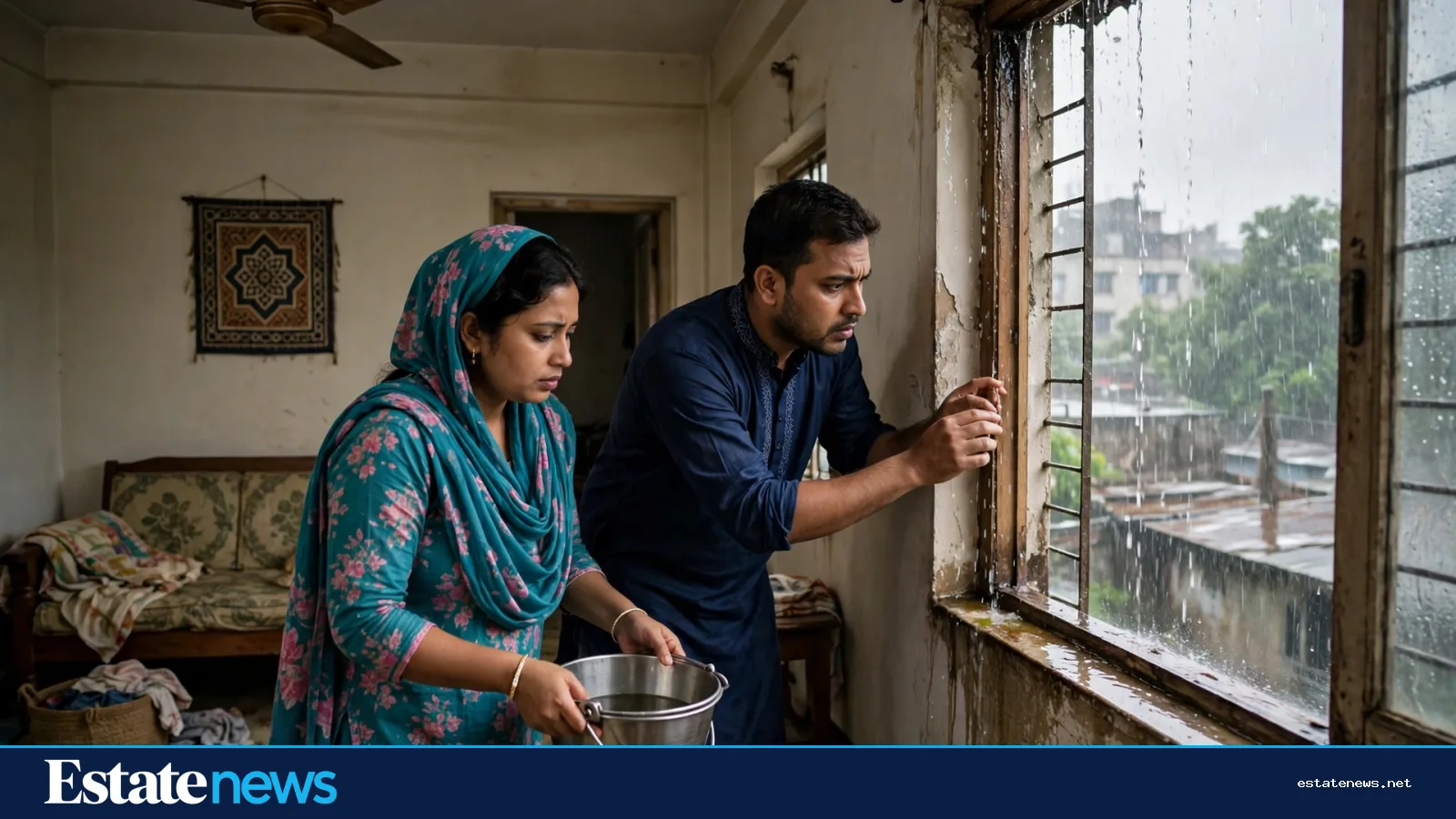
A Dhaka flat is, for most families, the largest thing they will ever own. Yet many owners discover what their insurance covers only after water comes through a window in a monsoon storm, or a fire in a neighbouring flat leaves smoke damage across a wall. That is the wrong time to learn the policy's limits.
A standard home policy in Bangladesh is usually built around named risks. Fire, lightning and explosion sit at the centre. Storm, flood and earthquake cover depends on the policy, and a buyer should never assume flood is included because rain is common. Burglary cover usually applies to contents, often with conditions about locks, forced entry and a police report. Some policies add cover for damage to contents from a burst pipe or a short circuit, and some add liability cover if a visitor is hurt in the flat. The schedule attached to the policy, not the agent's summary, lists what is actually covered.
The exclusions that surprise people

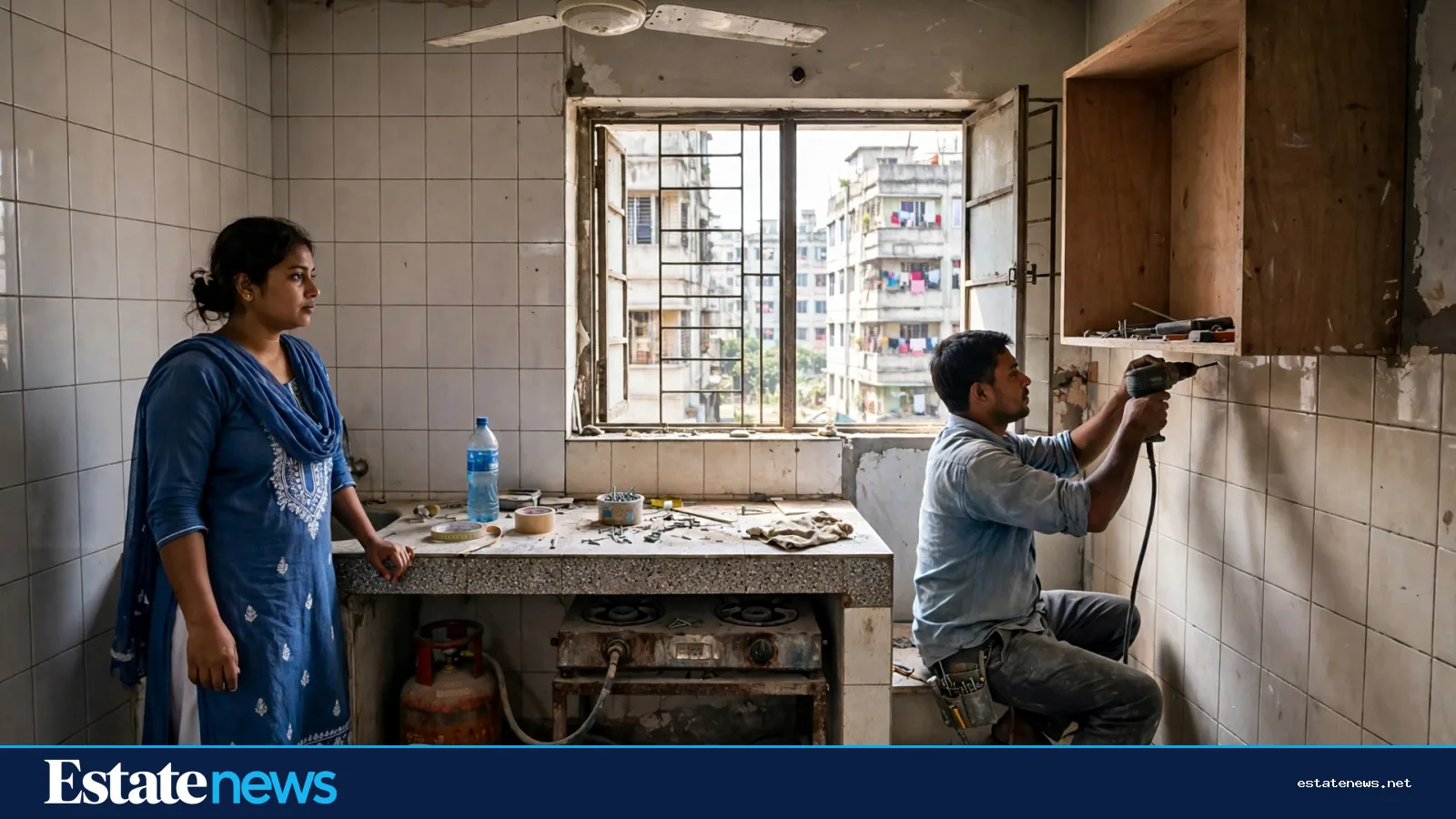
Gradual damage is the exclusion that catches most Dhaka owners. Damp that spreads over two monsoons, paint that peels because a wall was never sealed, a bathroom leak that no one fixed for months: insurers treat these as maintenance failures, not sudden events. Wear and tear, poor workmanship and pre-existing defects fall in the same group. War, nuclear risks and wilful damage are excluded as standard. A flat left empty for a long period, for example during a long stay abroad, can also lose cover unless the insurer was told and agreed terms.
Valuables need a separate look. Jewellery, cash, laptops and cameras often sit under sub-limits, so a policy that covers Tk 10 lakh of contents may pay far less for a single stolen item. If the household keeps gold at home, the policy should say so, and the family should keep purchase records and photographs in a separate place, not only in the flat. Tenants face a different gap. The building policy belongs to the owner or the housing society, and it does not cover a tenant's furniture, clothes and electronics. A tenant who wants contents cover needs a policy in the tenant's own name.


Getting the sum insured right
Underinsurance is the quietest trap. The sum insured should reflect rebuilding cost, the cost of clearing debris and rebuilding a similar flat, not the market price the flat would fetch today. Land value does not burn, so market price overstates the figure, but construction costs, fittings and finishes push it up in ways owners underestimate. If a flat would cost Tk 80 lakh to rebuild and it is insured for Tk 40 lakh, a partial claim can be reduced in proportion, leaving the owner to pay half a repair bill they expected the insurer to carry. Review the figure after a renovation, after adding an air conditioner or a modular kitchen, and every few years as building costs move.
When damage happens, the order of steps matters. Keep people safe, then tell the insurer promptly and in writing. Photograph the damage before clearing up, unless safety requires otherwise. Keep damaged items until the surveyor has seen them, and keep bills for emergency repairs. A fire needs a Fire Service report, a burglary needs a police report, and both help the claim move faster. Do not agree a repair figure with a contractor before the surveyor visits, and keep every receipt. A claim file with dates, photographs and bills is a different document from a claim file with a phone call and a memory.
Home insurance will not stop a leak, and it will not rebuild a flat on its own. It gives a household a way to pay for a sudden, insured event without wiping out savings meant for school fees or a parent's treatment. Read the exclusions before buying, insure the rebuilding cost rather than a round number that sounds safe, and keep the policy where the family can find it at midnight. That is the whole job of the policy, and it is worth doing properly.
This article is informational only and is not financial advice. Policy terms vary by insurer, and a reader should read the full policy wording before buying.